

Bangladesh's Democratic Implosion: Student Uprising Exposes Systemic Political Breakdown
- Violent Protests Reveal Catastrophic Governance Failure and Youth-Led Resistance Movement










)
Overview
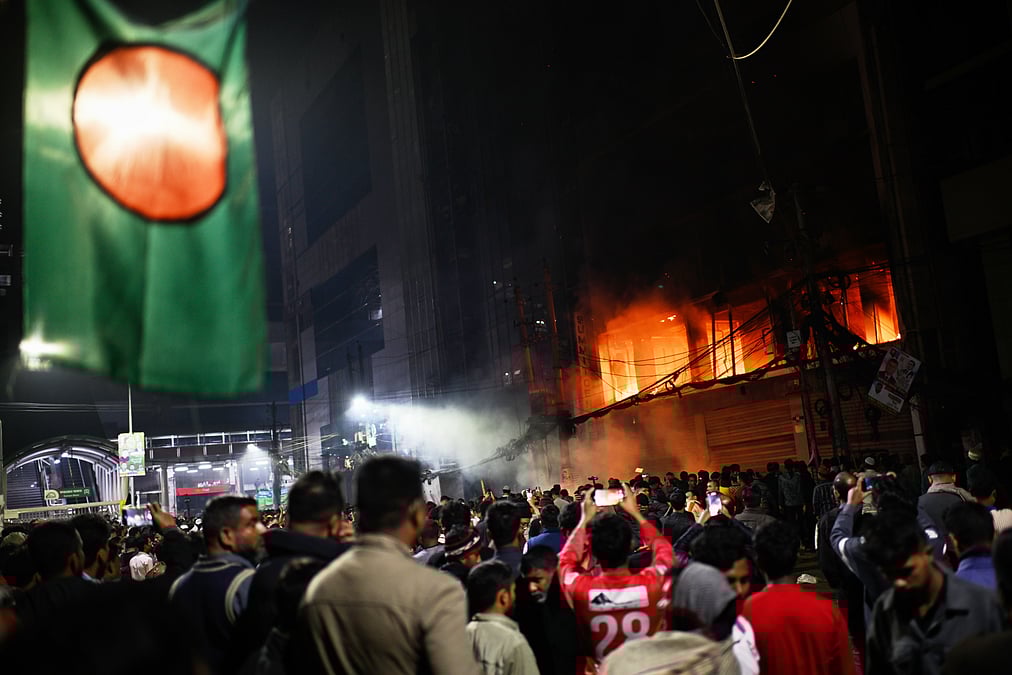
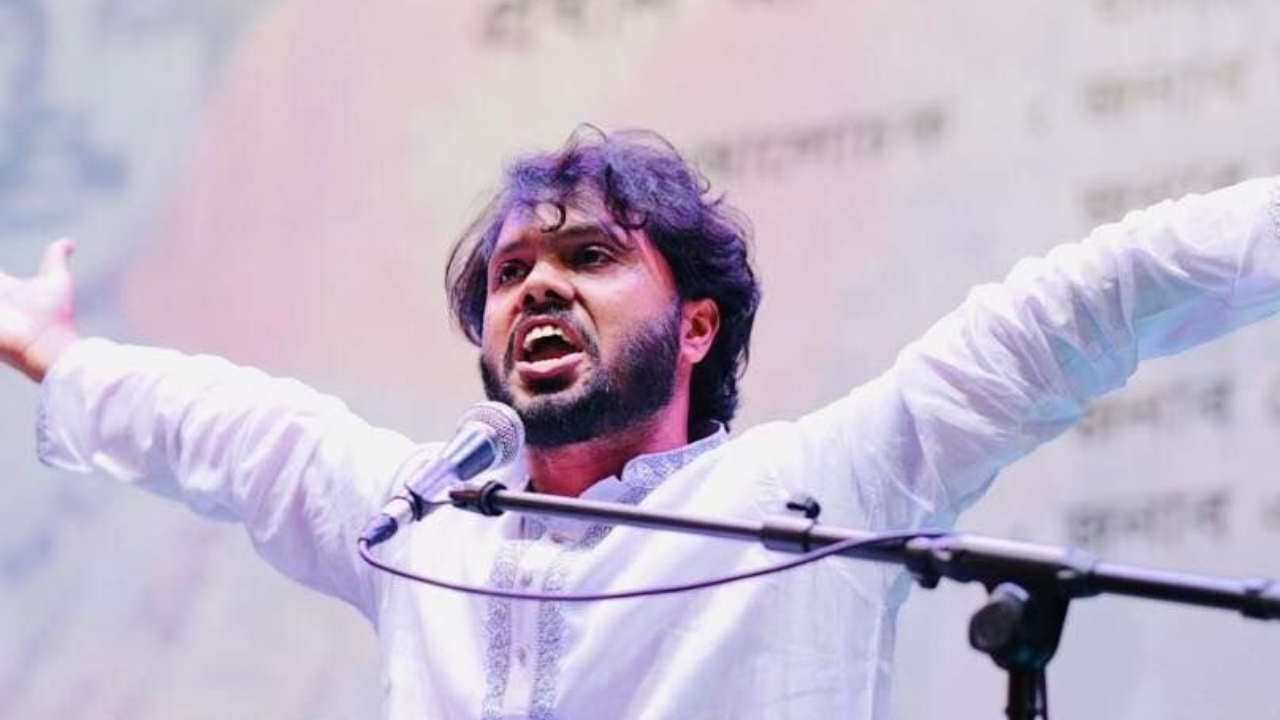
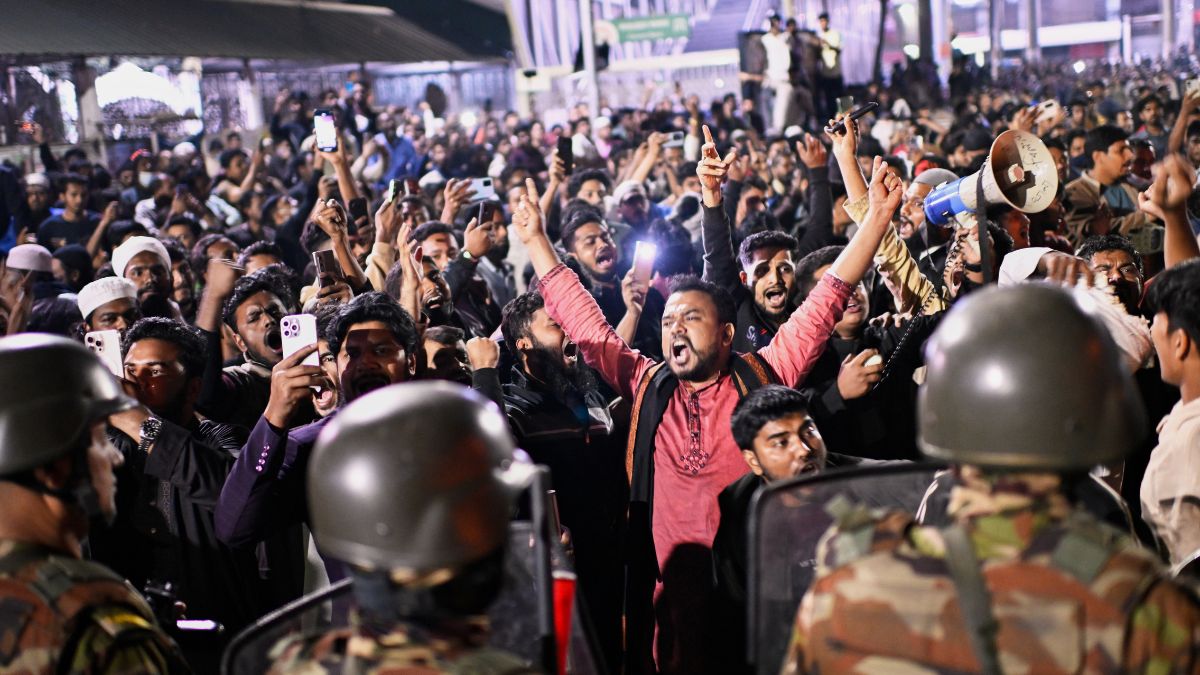
Political volatility in Bangladesh has reached a critical inflection point, with the killing of student leader Sharif Osman bin Hadi exposing the profound systemic fractures undermining the country's democratic foundations. The December 2024 riots represent more than isolated unrest—they signal a comprehensive institutional collapse triggered by years of authoritarian suppression.
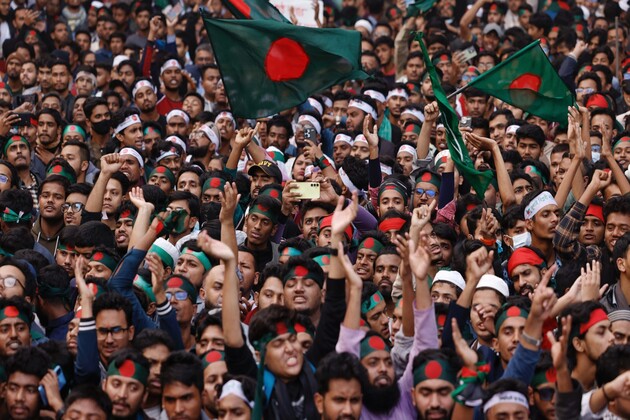
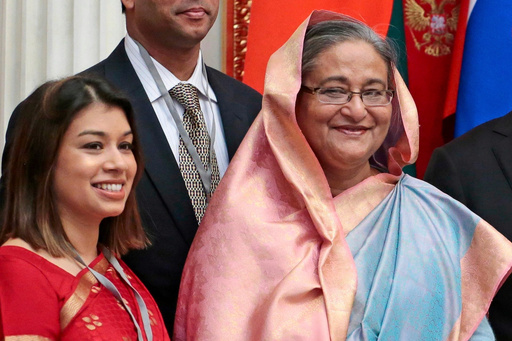
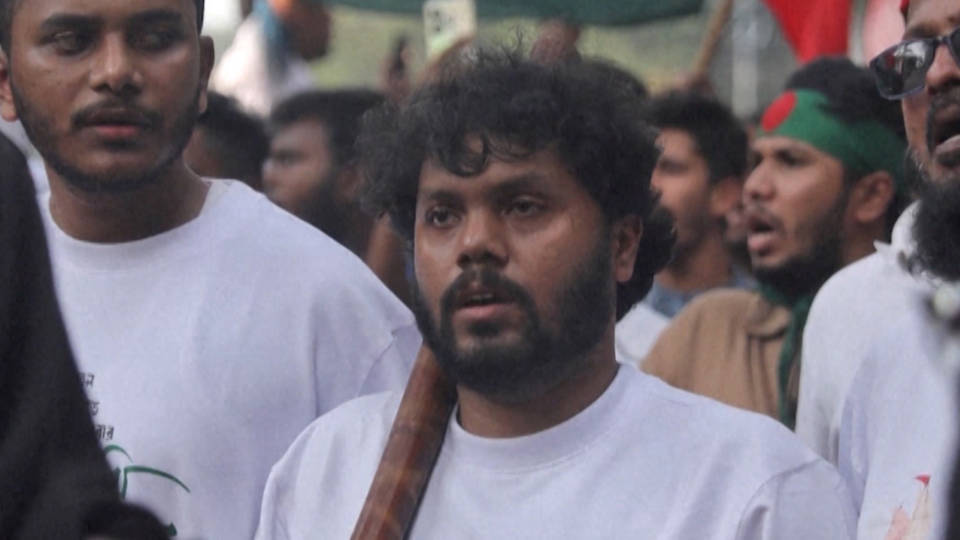
Strategic Breakdown of Political Dynamics: The UN fact-finding report's revelation of 1,400 protesters killed by security forces and Awami League party members represents a watershed moment in Bangladesh's political landscape. Former Prime Minister Sheikh Hasina's government has essentially disintegrated, unable to contain the mounting pressure from a youth-led resistance movement that has fundamentally challenged the existing power structures.
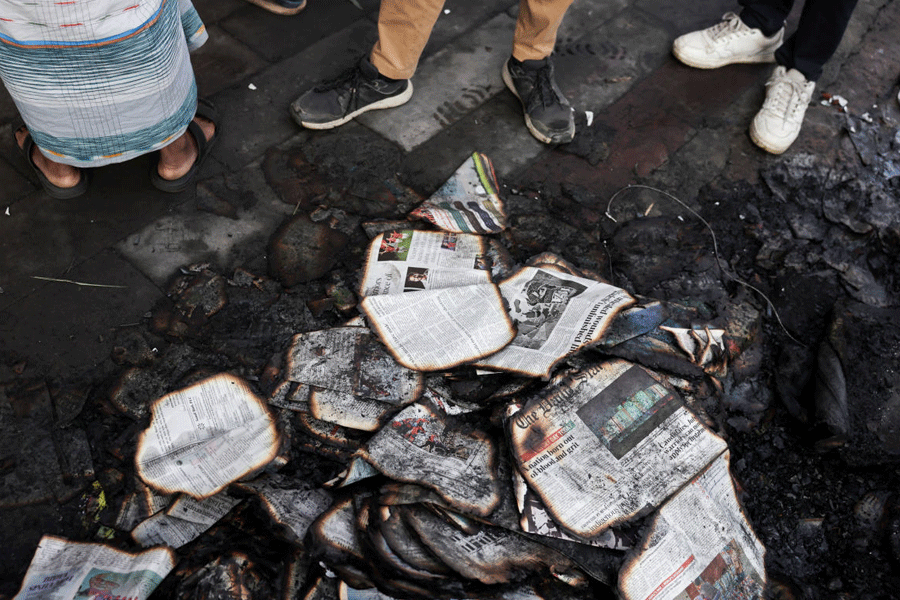
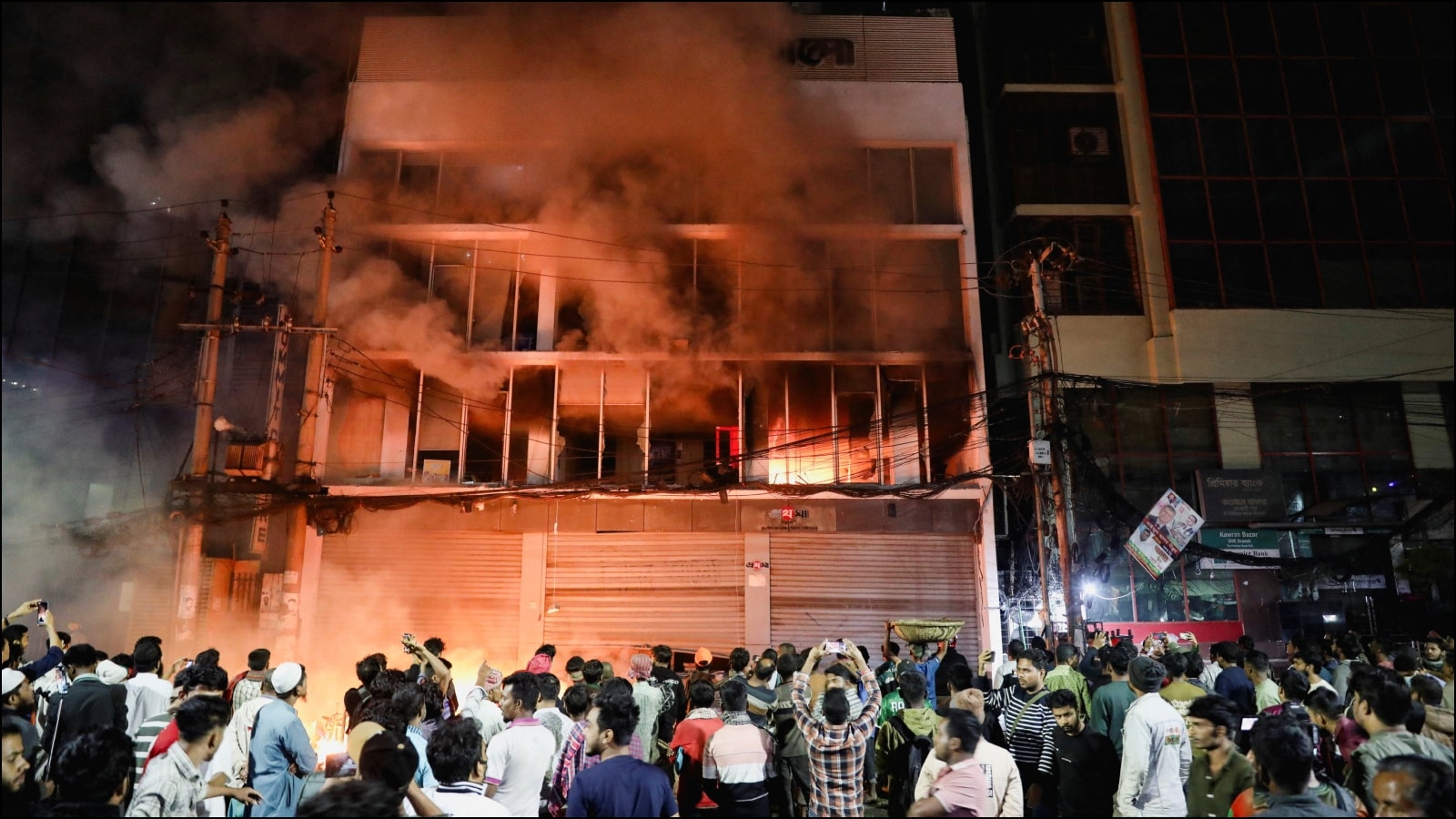
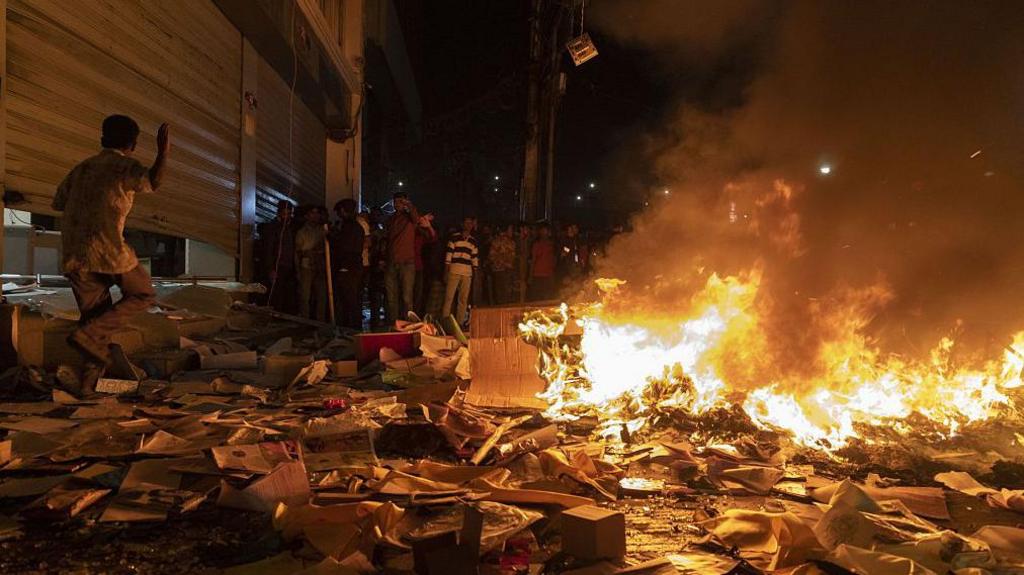
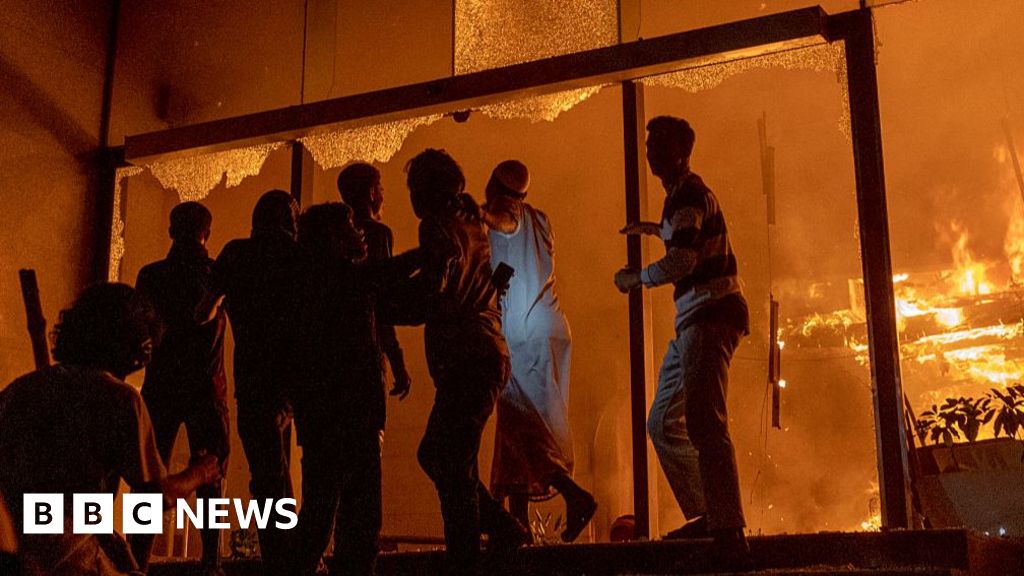
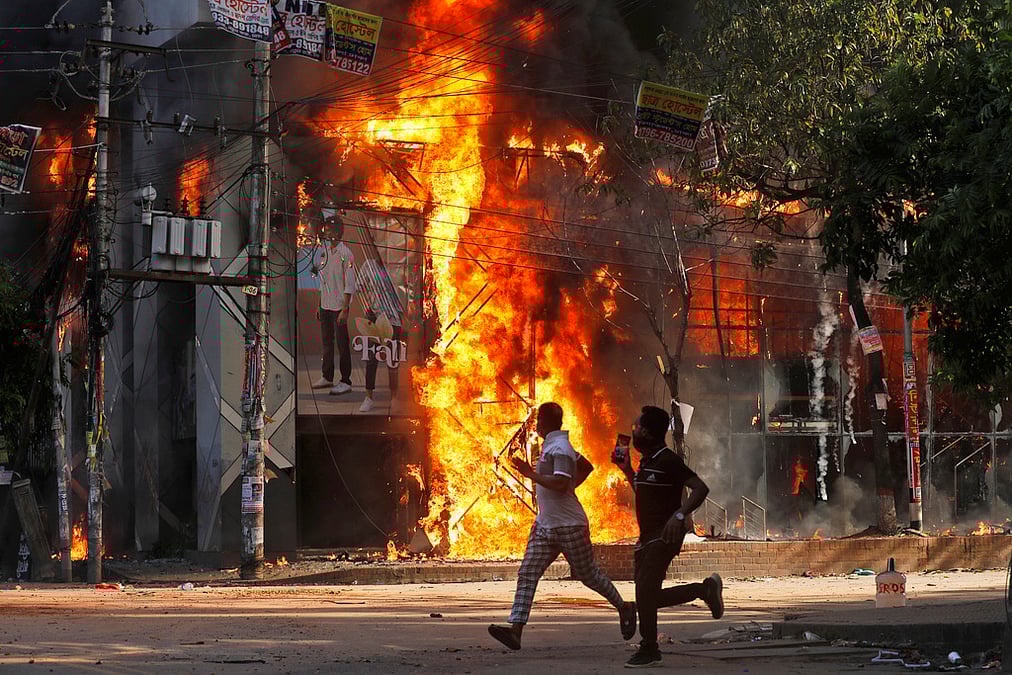
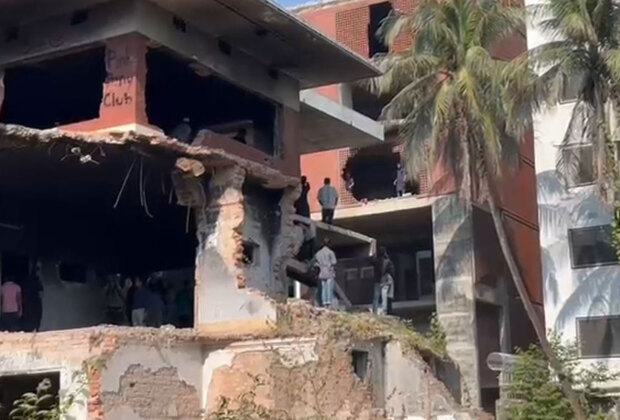
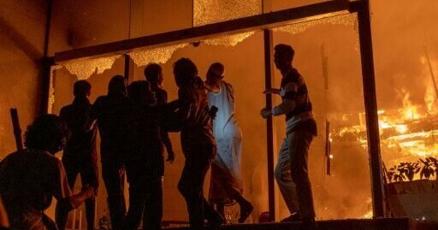
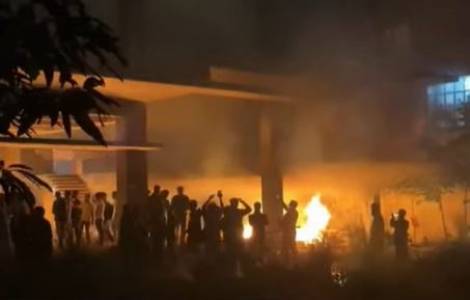
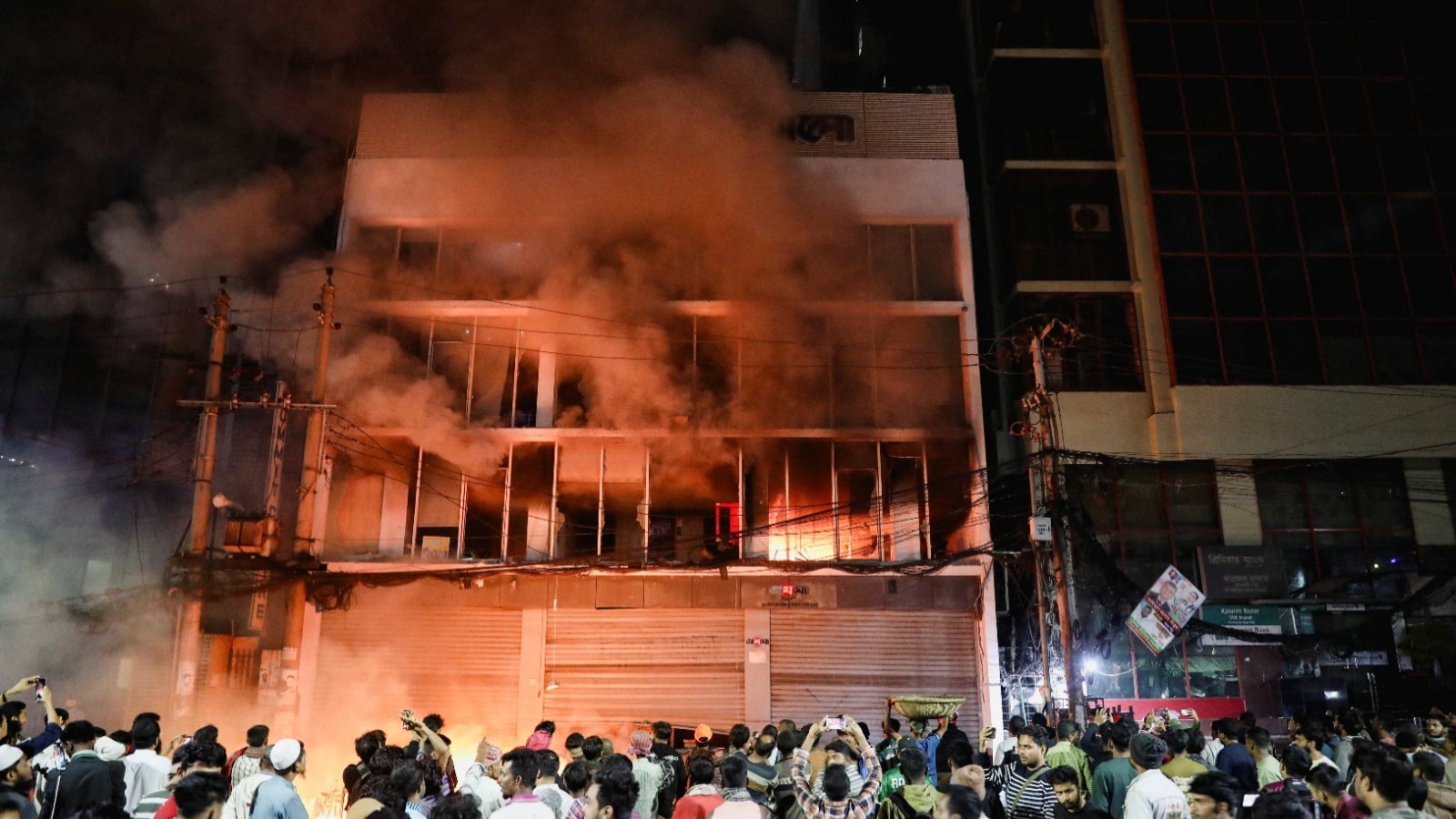
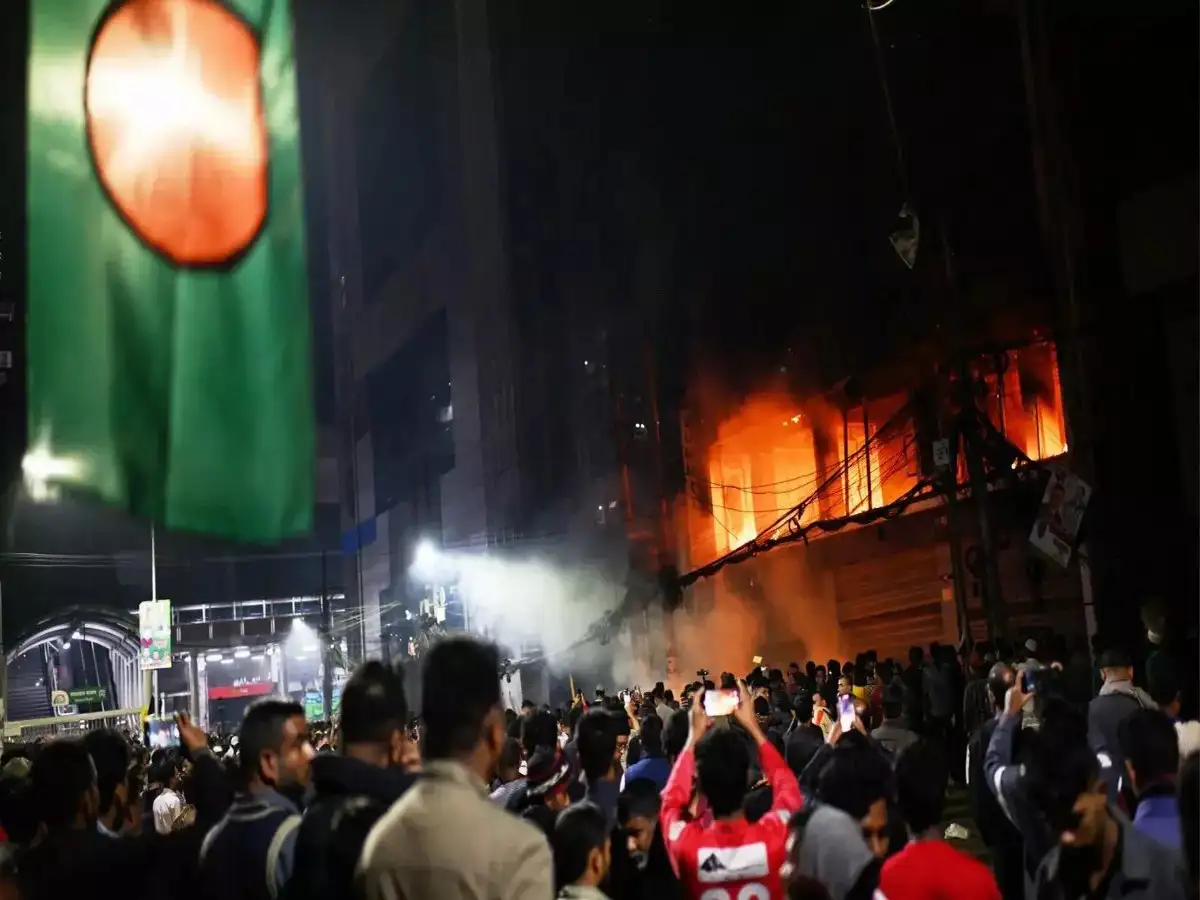
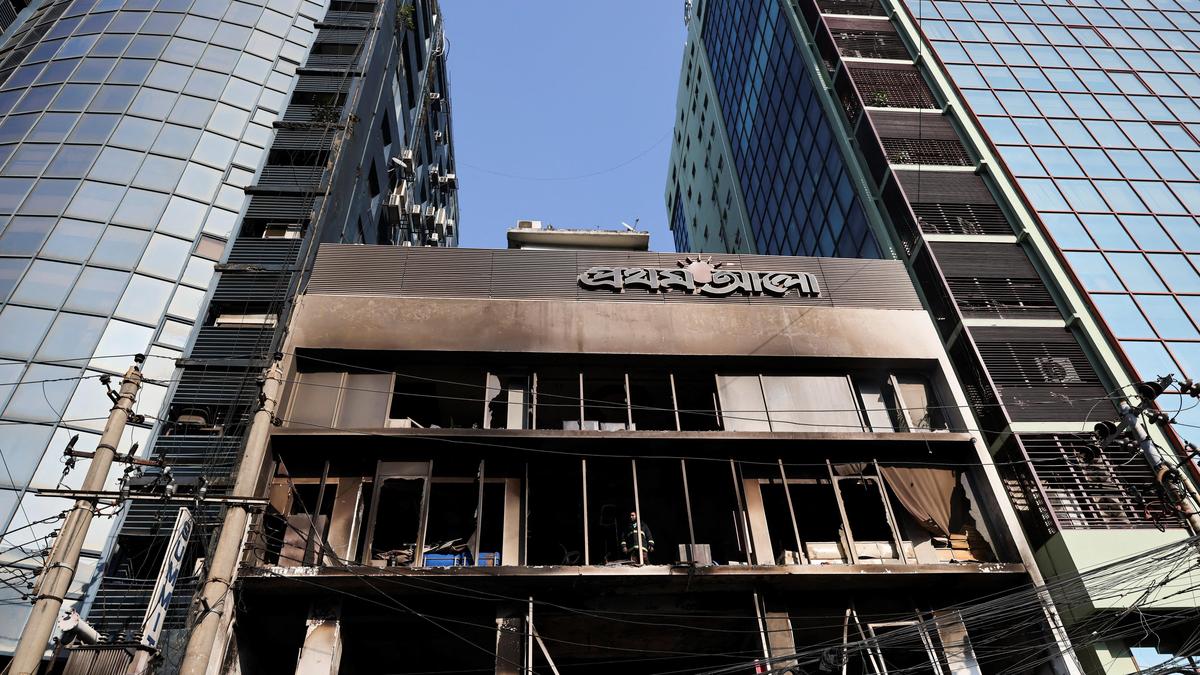
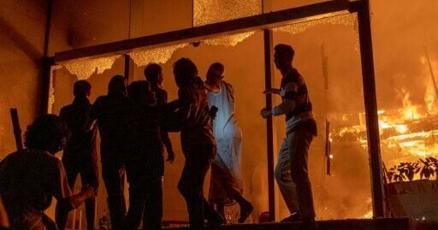
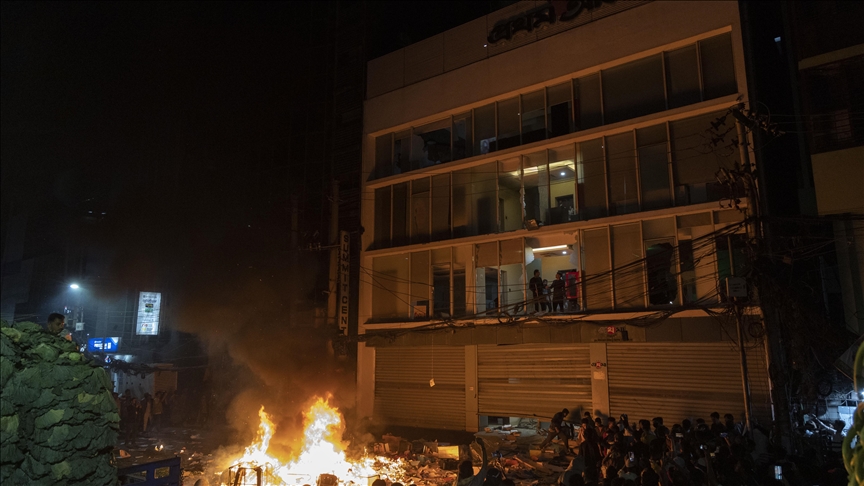
The protesters' aggressive tactics—including burning newspaper offices and targeting political infrastructure—demonstrate a strategic escalation beyond traditional political dissent. This is not merely a spontaneous uprising, but a calculated dismantling of the existing political apparatus. The targeting of media institutions, particularly The Daily Star's central Dhaka office, reveals a deliberate strategy to control narrative and information flow.
The depth of political destabilization is unprecedented. A 32-year-old student leader's assassination becoming a catalyst for nationwide riots underscores the fragility of Bangladesh's current political system. The government's repressive approach has effectively transformed student activism from a marginal movement into a potent revolutionary force.
Long-term implications are profound: Bangladesh is experiencing a potential regime transformation driven by generational conflict. The youth movement has demonstrated an unprecedented capacity to challenge entrenched political structures, suggesting that traditional authoritarian governance models are becoming unsustainable in the face of informed, digitally-connected activist networks.
For international observers and stakeholders, this represents more than a localized political crisis—it's a critical case study in how suppressed democratic aspirations can rapidly evolve into systemic political reconstruction.
Questions 3
What are the potential international implications of Bangladesh's current political crisis?
The crisis could destabilize regional geopolitical dynamics, potentially attracting international diplomatic intervention. It also serves as a critical case study in how digital-era youth movements can rapidly challenge and potentially reconstruct authoritarian political systems.
How significant are these protests compared to previous political movements in Bangladesh?
These protests represent a qualitative shift from previous movements. The youth-led resistance has demonstrated unprecedented organizational capacity, strategic media targeting, and a willingness to directly challenge government infrastructure, suggesting a fundamental transformation in political engagement.