




Ukraine's Infrastructure Under Siege: Russia's Strategic Assault on Critical Networks
- Systematic Disruption Reveals Geopolitical Warfare Beyond Traditional Military Engagement







.jpg)

























Overview
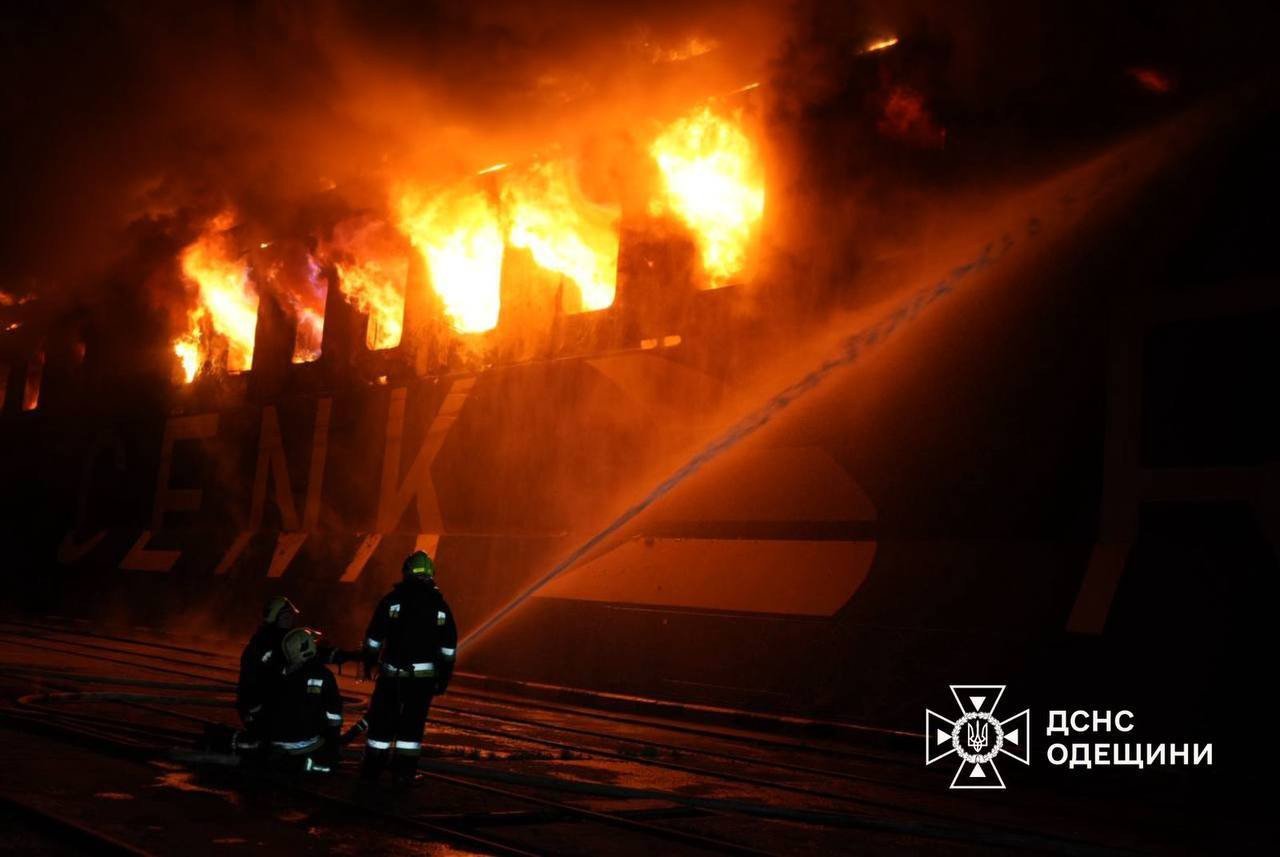
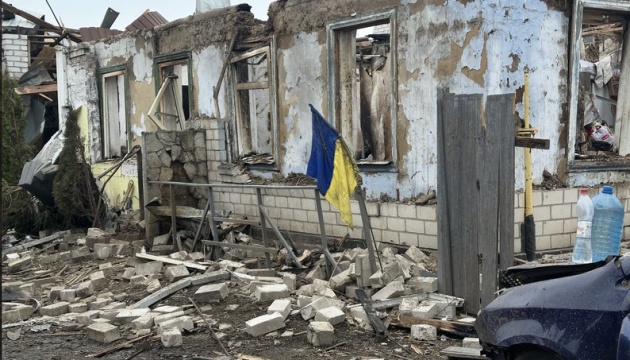
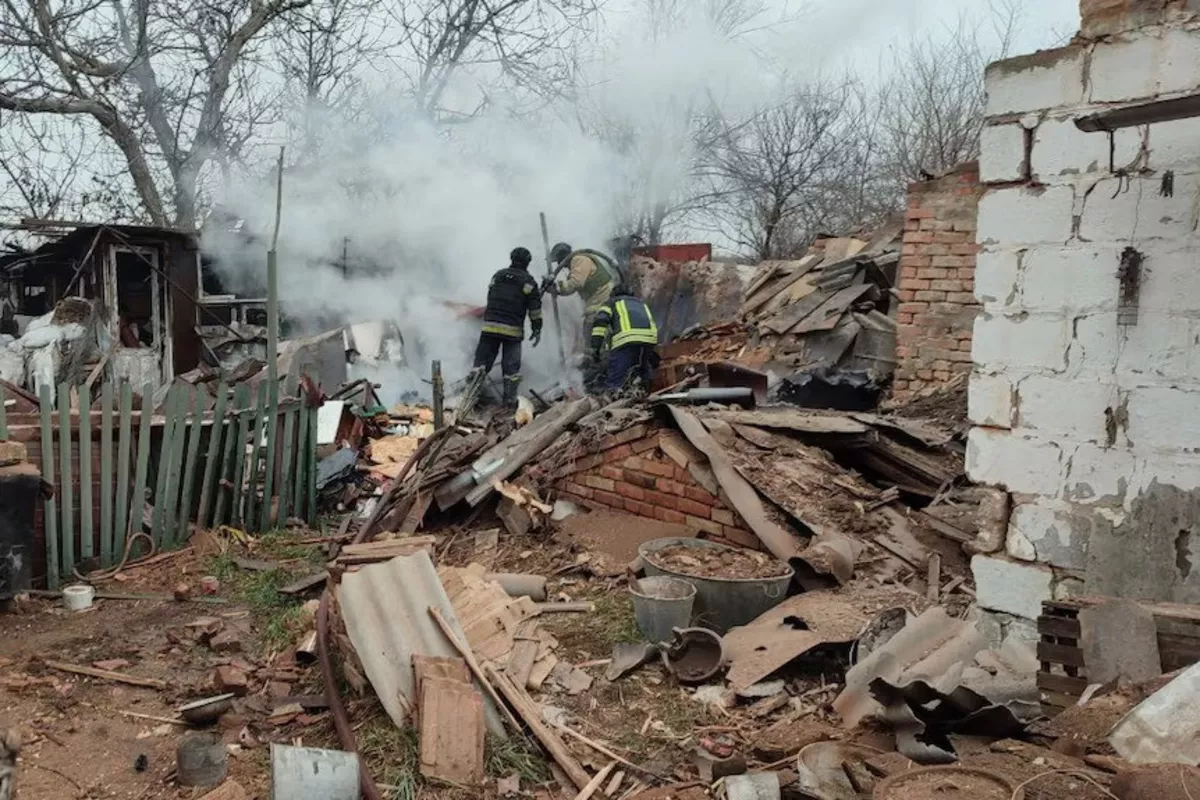
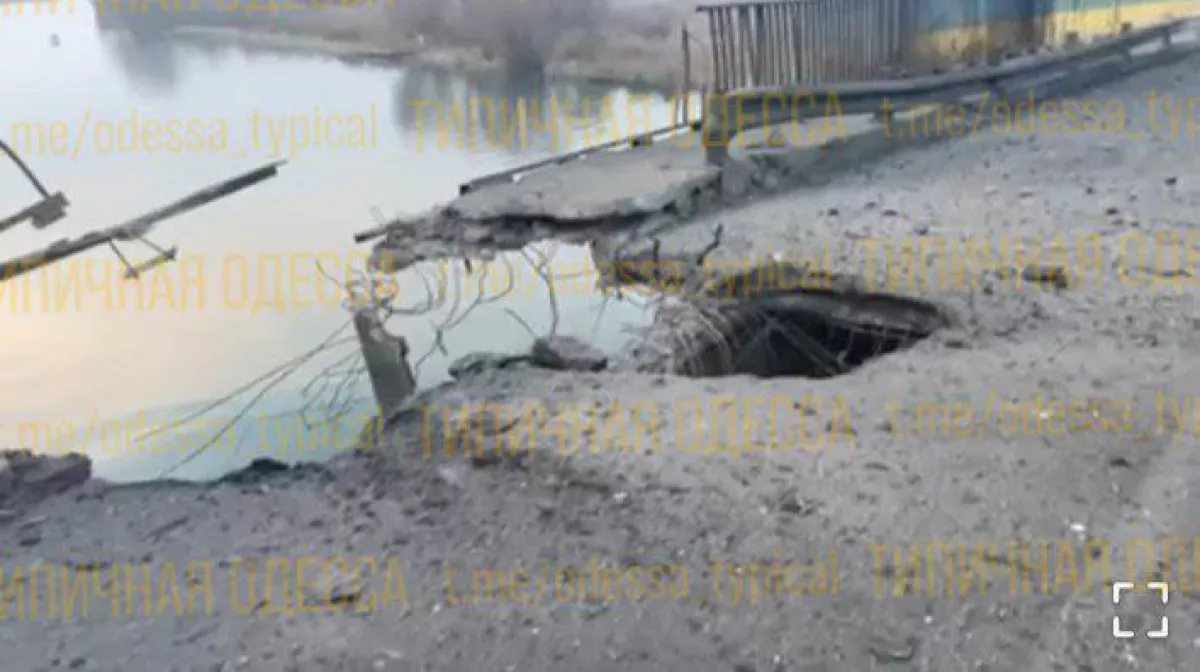
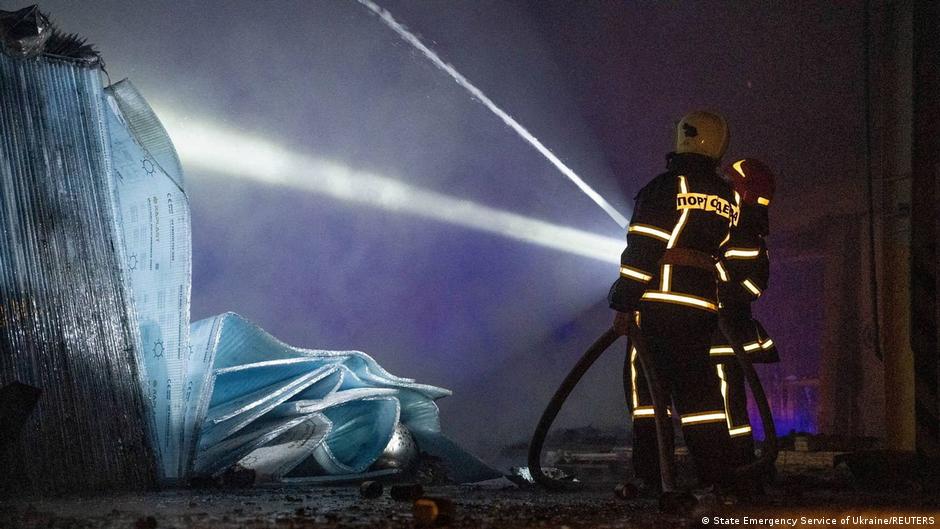
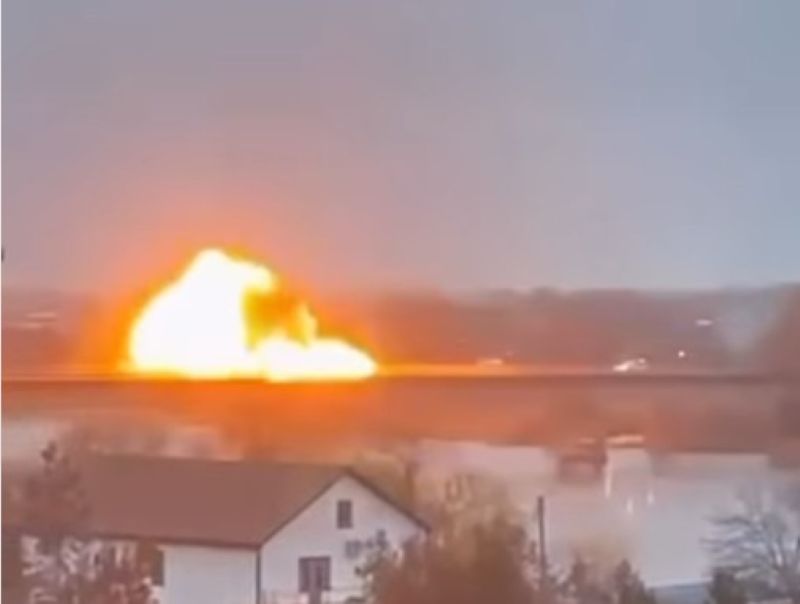
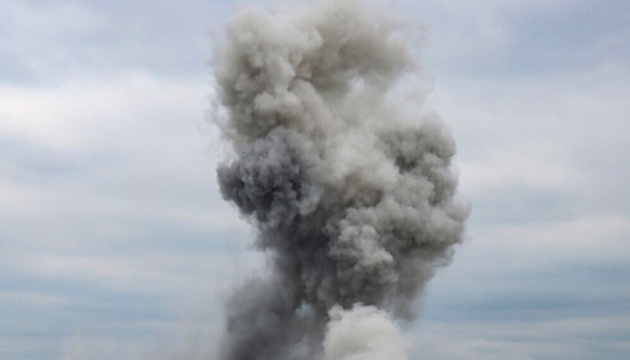
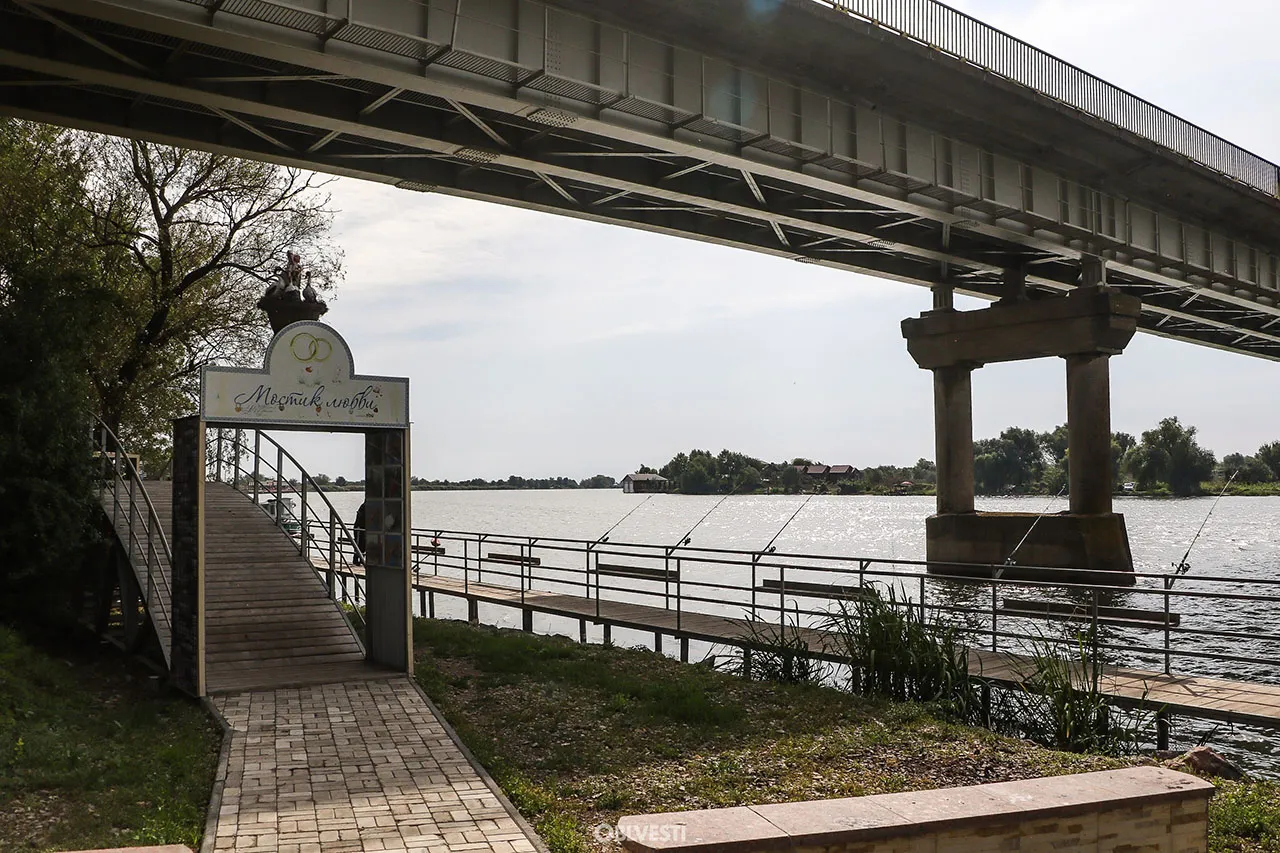
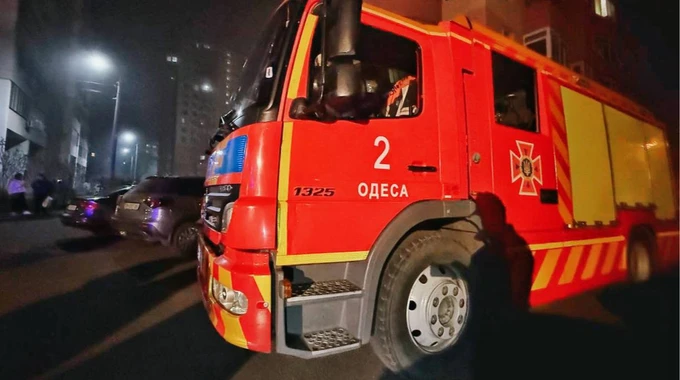
The ongoing Russian military campaign in Ukraine represents a sophisticated strategy of systematic infrastructure destruction that transcends conventional military confrontation. On December 18, 2025, a targeted strike near Odesa dramatically illustrated this approach, where a single drone attack not only claimed civilian lives but strategically disrupted critical transportation and energy networks.
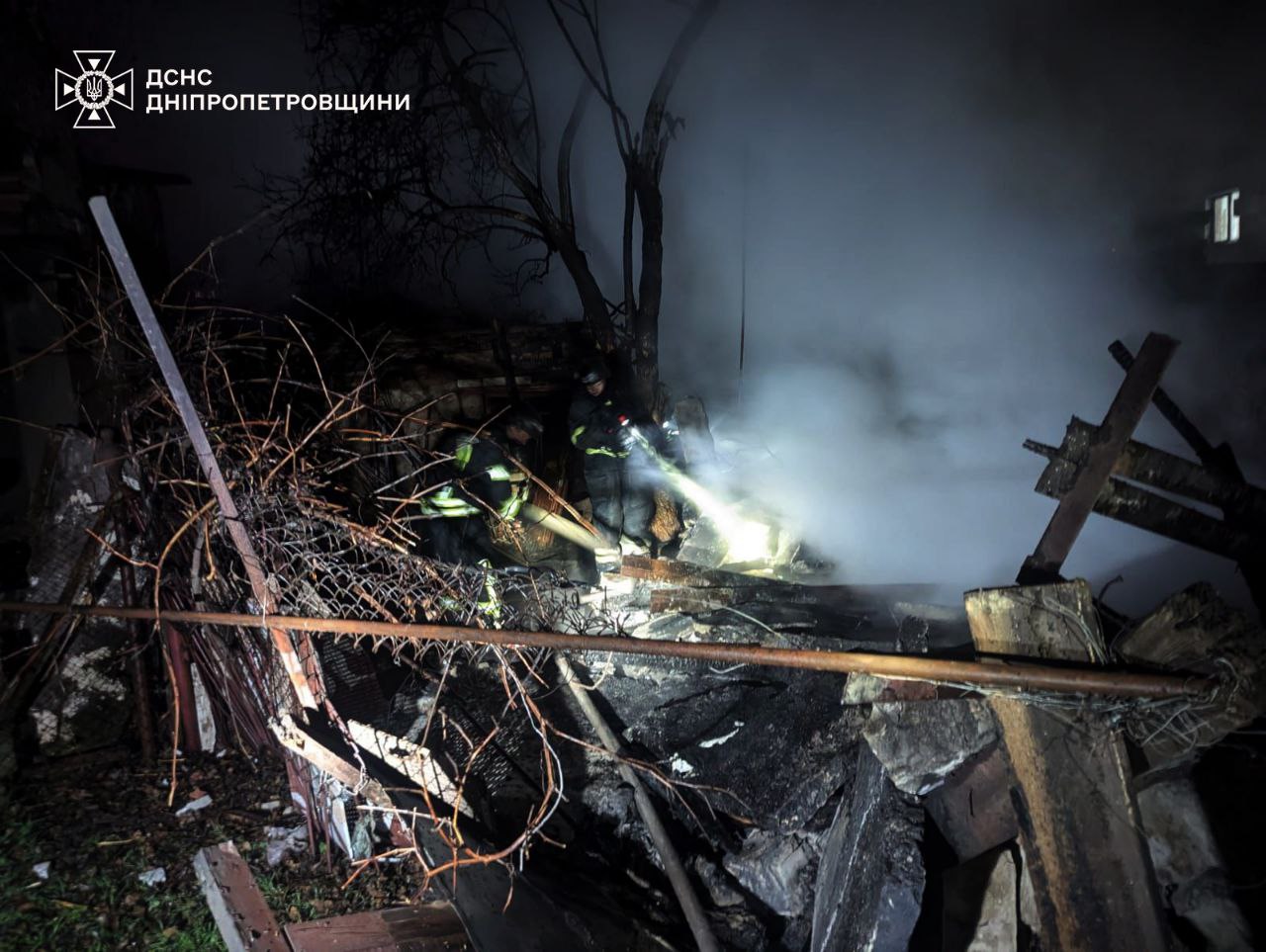
Infrastructure Targeting emerges as a deliberate geopolitical weapon, with Russia demonstrating a nuanced approach to destabilization. The attack on a bridge southwest of Odesa—killing a woman and injuring her children—symbolizes more than a military action; it represents a calculated effort to undermine Ukrainian societal resilience. By systematically attacking transportation routes, power stations, and civilian infrastructure, Russia is waging a multi-dimensional conflict designed to erode national morale and operational capacity.
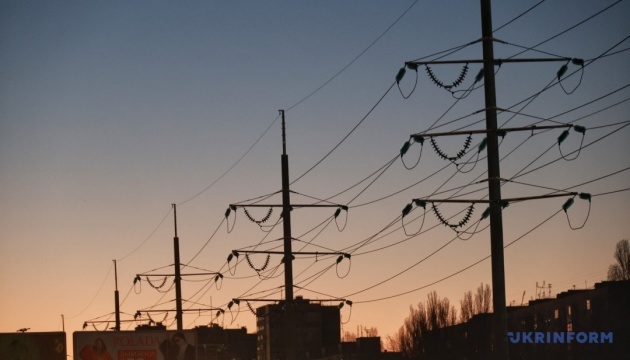
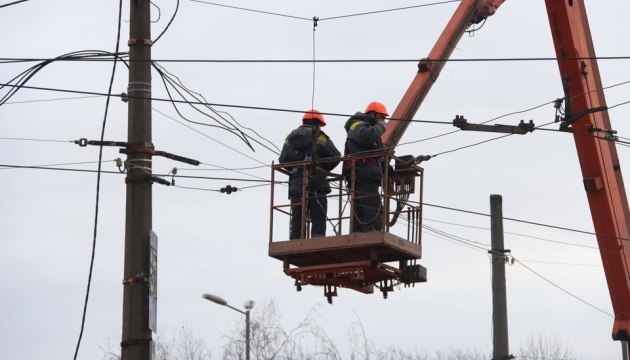
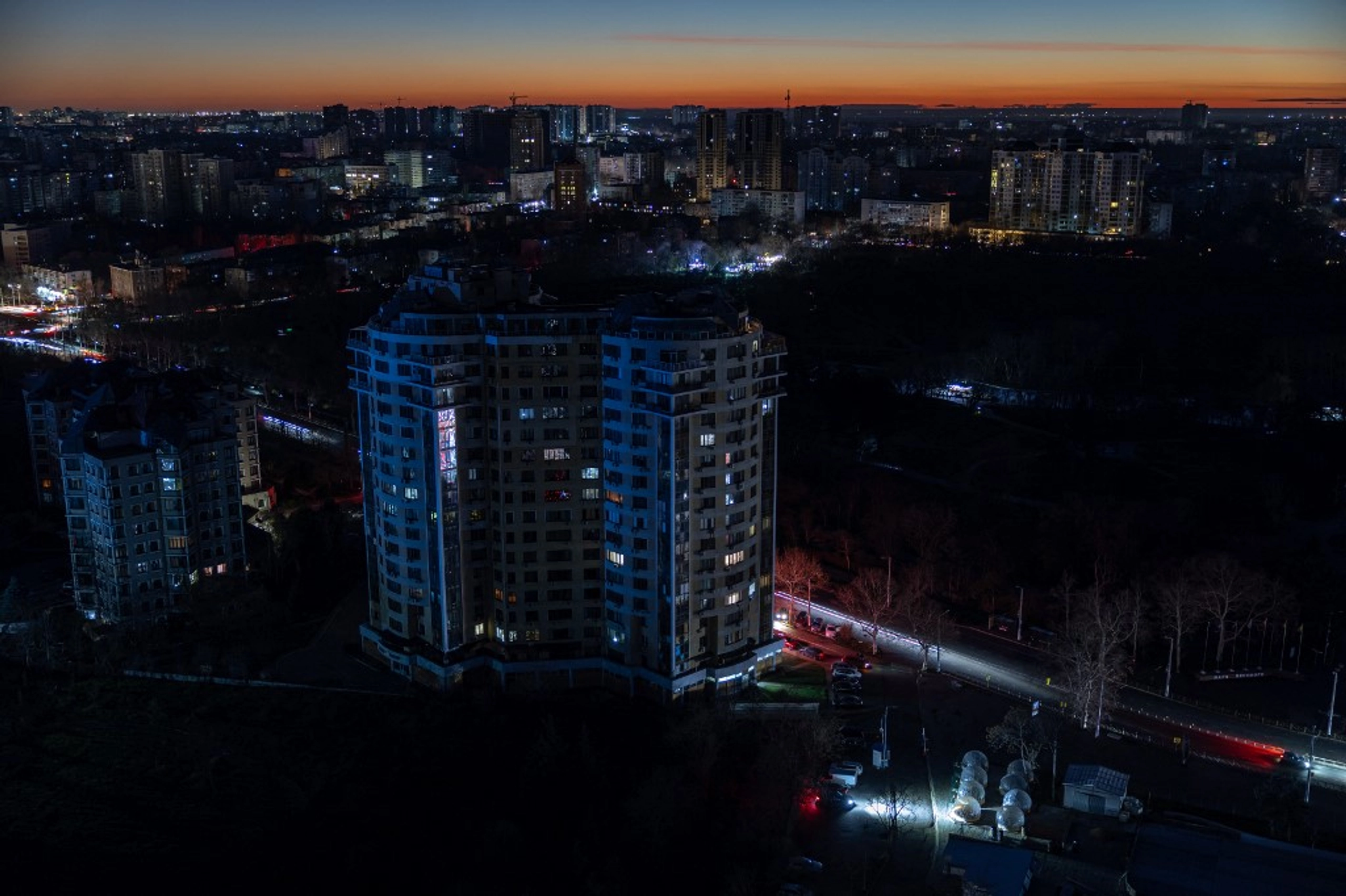
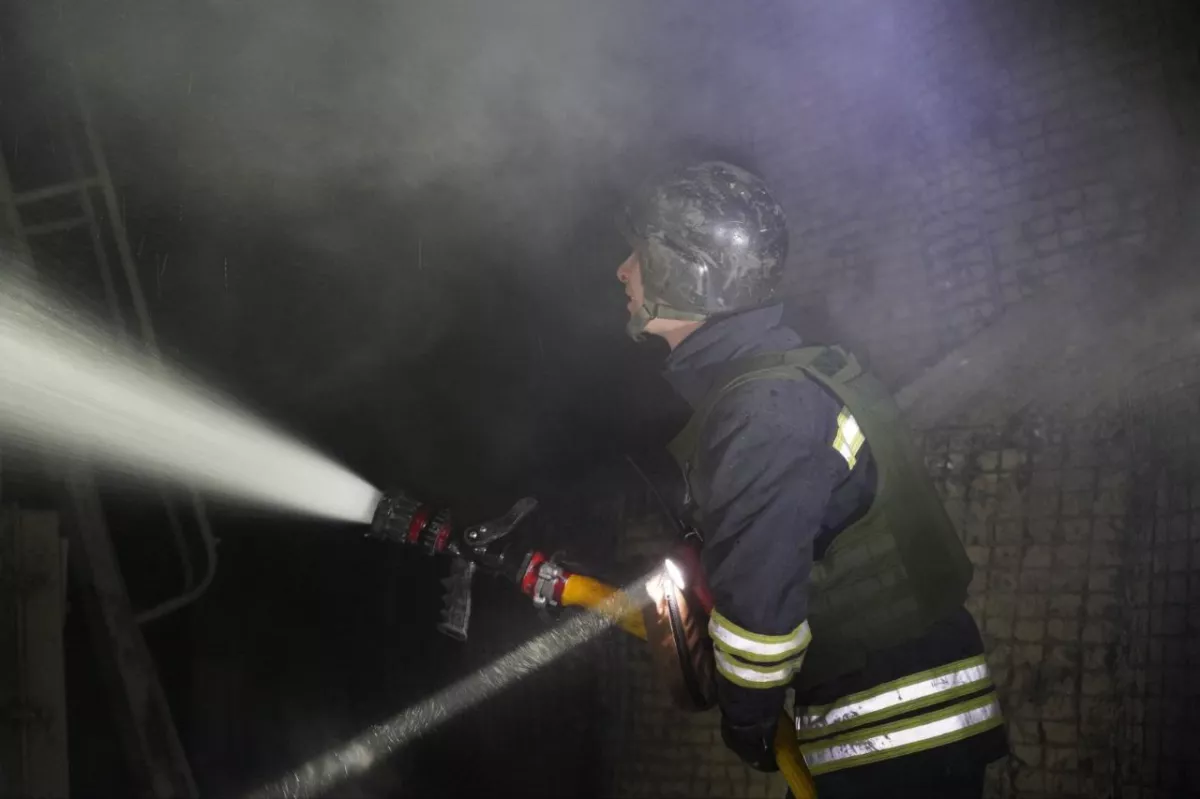
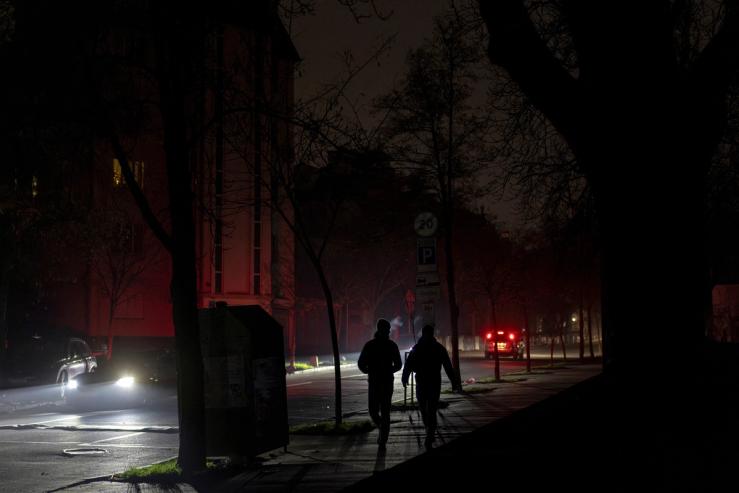
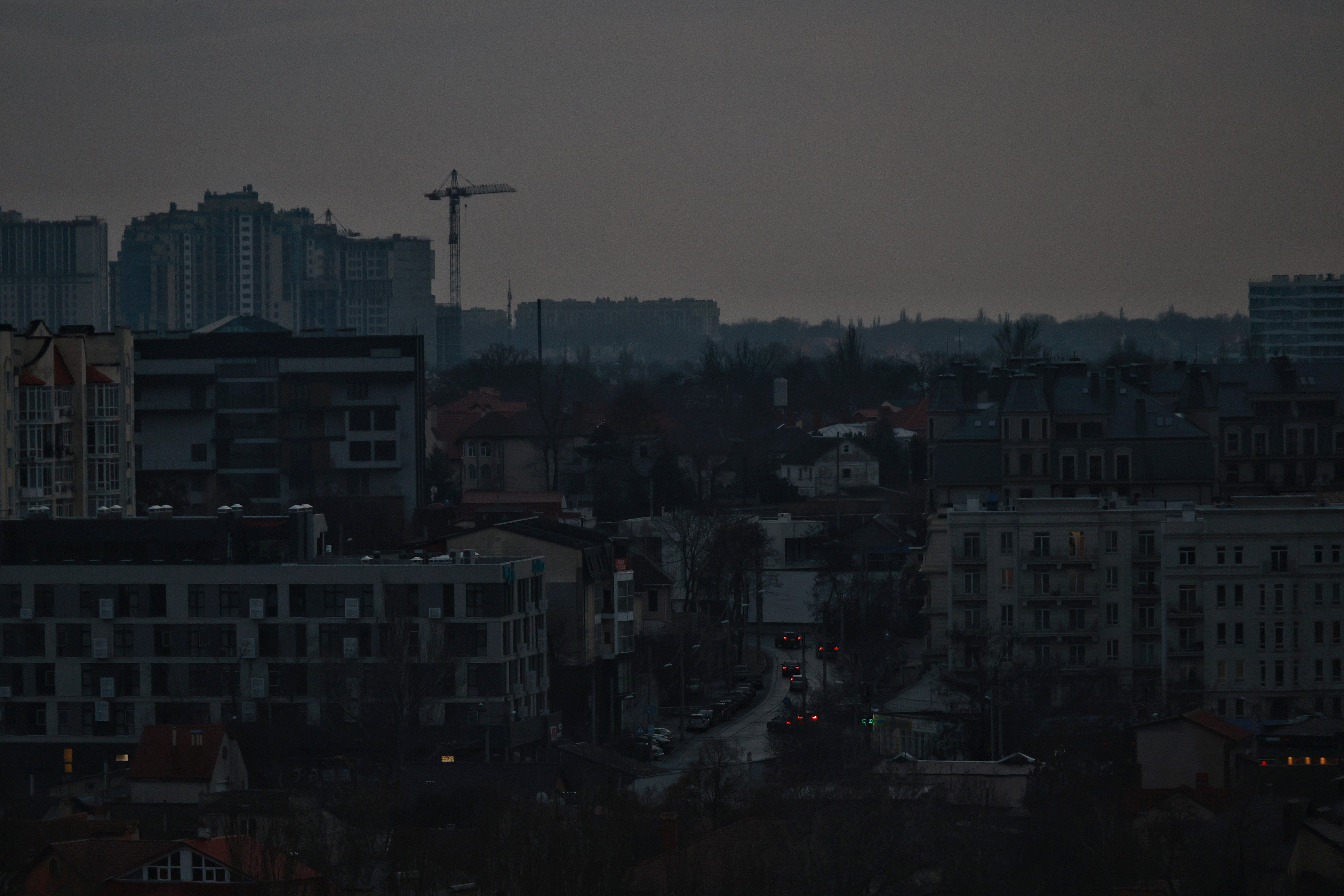
The electricity grid presents a particularly vulnerable battleground. Ukraine's grid operator Ukrenergo faces an existential challenge, with daily power cuts spanning 12+ hours in major cities like Kyiv. The grid's survival hinges on innovative defense mechanisms: concrete transformer fortifications, rapid power redirection, and an extensive European-sourced equipment stockpile. This resilience reflects not just technical adaptation, but a profound national survival strategy.
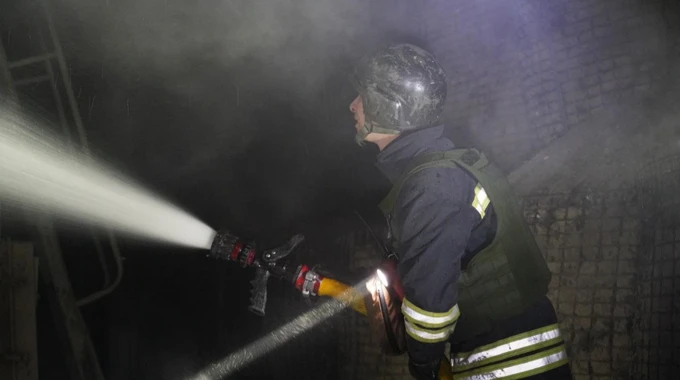
Critically, these infrastructure attacks reveal a hybrid warfare model where physical destruction intertwines with psychological warfare. By targeting essential services, Russia aims to create a pervasive sense of vulnerability, challenging Ukraine's institutional stability. The systematic nature of these attacks—from transportation networks to power grids—suggests a meticulously planned destabilization strategy that extends far beyond traditional military engagement.
The internal dynamics add another layer of complexity. Persistent corruption within Ukraine's energy sector threatens to compound external pressures, with recent high-profile investigations exposing resource drainage and potential aid money mismanagement. This internal vulnerability potentially amplifies the impact of Russian strategic attacks.
Experts like Oleksandr Kharchenko suggest Russia may have reached peak attack intensity, indicating a potential strategic plateau. However, the continued targeting of critical infrastructure underscores the conflict's evolving nature—where technological disruption and strategic network degradation become primary warfare instruments.
Questions 3
What are the long-term implications of these targeted infrastructure attacks?
These attacks fundamentally reshape modern conflict dynamics, demonstrating that technological disruption and network degradation can be as strategically impactful as traditional military engagement. They create persistent economic, psychological, and operational challenges that extend far beyond immediate physical damage.
How is Ukraine responding to these infrastructure attacks?
Ukraine has developed innovative defense mechanisms including concrete transformer fortifications, rapid power redirection strategies, and an extensive European-sourced equipment stockpile. The grid operator Ukrenergo is implementing decentralized power generation with wind, solar, and diesel backup systems to maintain critical infrastructure functionality.