


Tech Titans Clash with Rural Michigan Over Massive AI Infrastructure Power Grab
- Reveals emerging tensions between technological expansion and local community resistance

















Overview
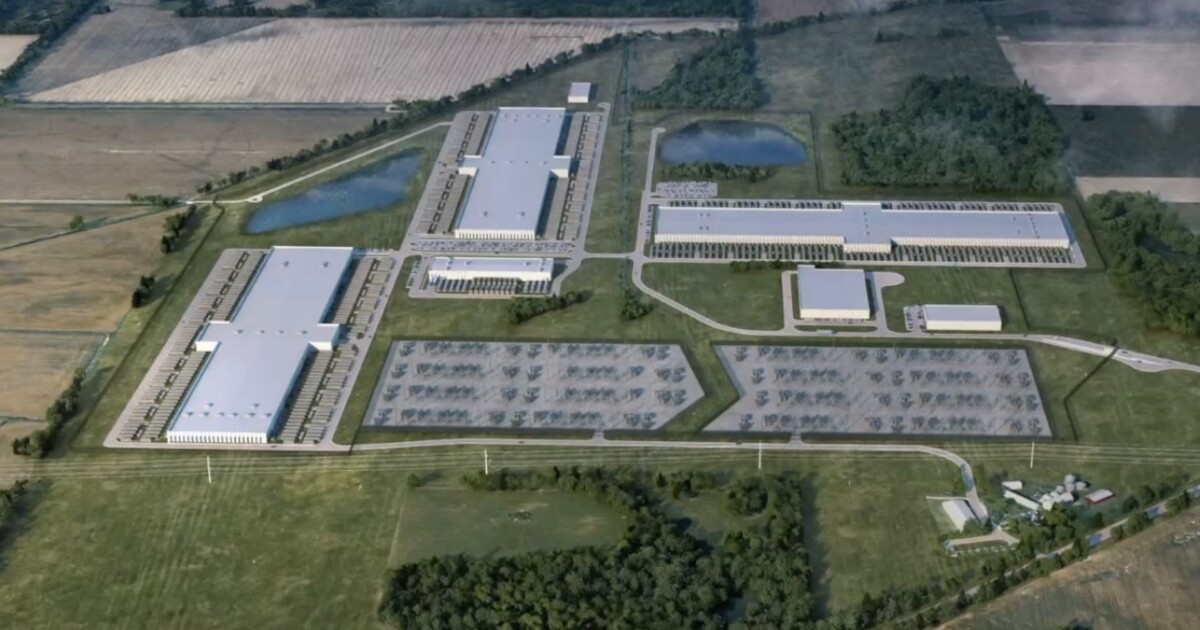
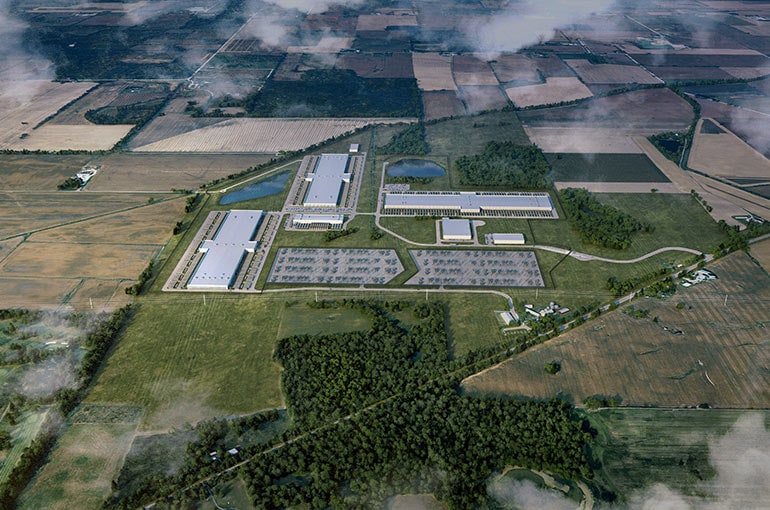
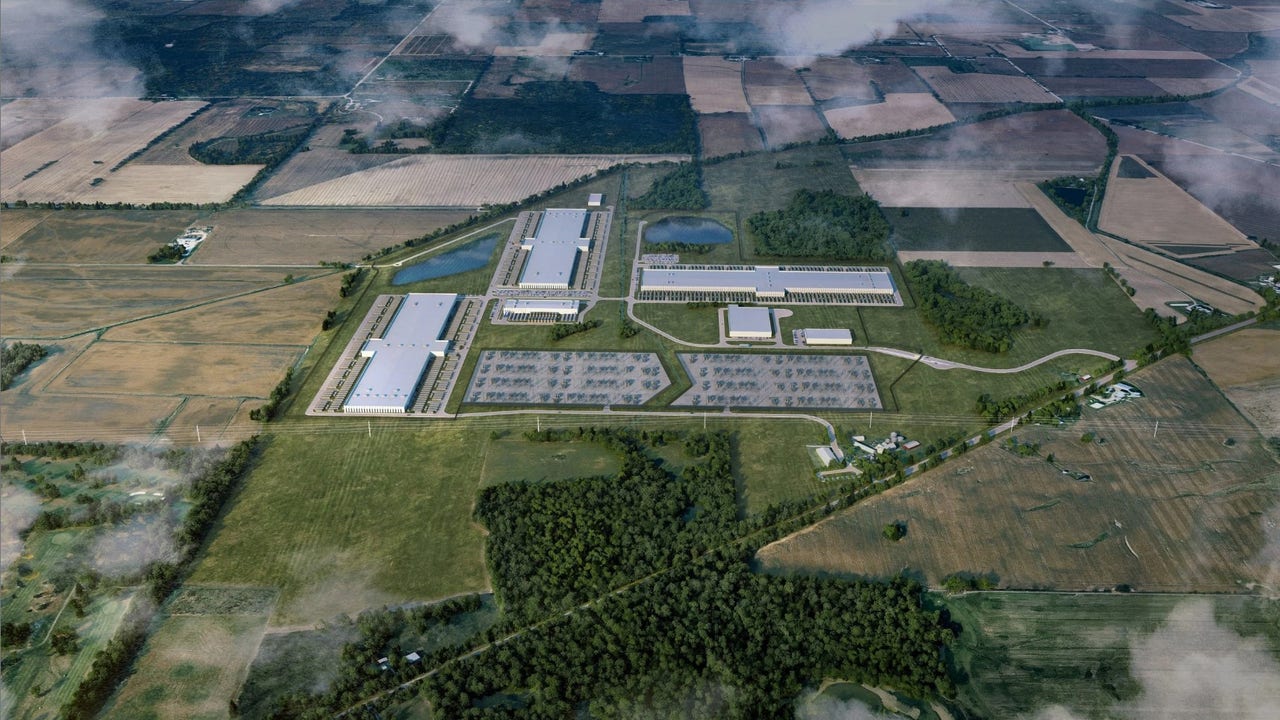
The proposed 1.4 gigawatt data center in Saline Township represents a pivotal moment in the complex negotiation between technological ambition and local community interests. At its core, this project illuminates the growing power dynamics between tech billionaires and rural communities, where massive infrastructure investments are increasingly challenging traditional local governance structures.
Regulatory compliance and community consent emerge as critical battlegrounds in this infrastructure development. Despite initial township board resistance, Related Digital's swift legal maneuver to reverse the original rejection demonstrates the asymmetrical power relationships at play. The project, backed by high-profile figures like Donald Trump, Sam Altman, and Larry Ellison, symbolizes a broader trend of tech-driven infrastructure expansion that often sidesteps local democratic processes.
The $7 billion investment is part of a larger federal initiative granting $500 billion in subsidies, signaling a strategic national push toward advanced computational infrastructure. However, the project's massive energy consumption—equivalent to Detroit's entire electricity usage—raises significant environmental and economic concerns. Local residents argue the data center would dramatically increase energy bills, potentially compromise groundwater, and fundamentally transform the area's rural character.
Critically, the unanimous approval by Michigan utility regulators, despite vocal community opposition, suggests a regulatory environment increasingly favorable to large-scale tech investments. This signals a potential shift where technological infrastructure development is prioritized over localized environmental and social considerations. The project's scale (1.4 gigawatts) indicates substantial computational capacity, likely supporting advanced AI research and cloud computing services that could reshape regional economic landscapes.
The controversy extends beyond a single project, representing a broader national trend of tension between technological development and community interests. It highlights the emerging challenge of balancing technological progress with local autonomy, environmental sustainability, and equitable economic development.
Questions 3
How are regulatory processes enabling this tech infrastructure expansion?
Michigan's utility regulators demonstrated a highly supportive regulatory environment by unanimously approving the project, despite significant community opposition. This suggests a policy landscape that prioritizes technological infrastructure development over localized environmental and social concerns, potentially creating a template for similar large-scale tech investments in other regions.
What makes this data center project strategically significant?
The 1.4 gigawatt data center represents a critical investment in AI computational infrastructure, backed by $500 billion in federal subsidies. It signals a national strategy to position the United States at the forefront of advanced computing capabilities, with Michigan emerging as a potential hub for large-scale technological development. The project's scale suggests substantial support for AI research and cloud computing services.