
Digital Marketing's New Ethical Frontier: When Personal Images Become Unauthorized Advertising
- Viral TikTok exposés reveal growing accountability in brand marketing practices
Overview
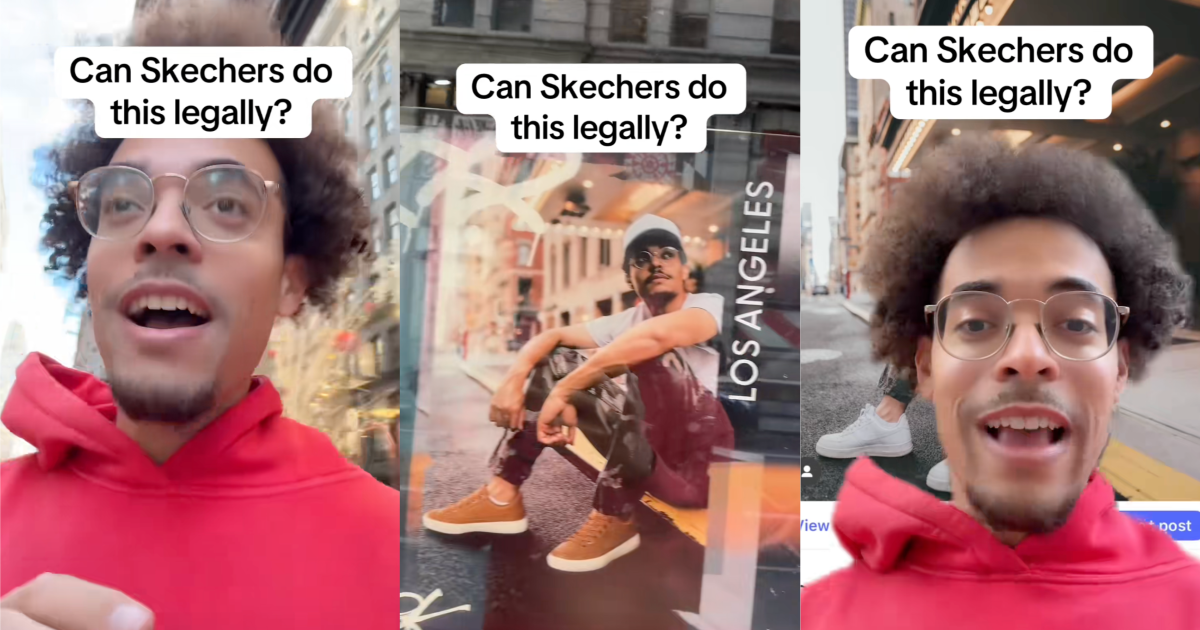
The unauthorized use of personal imagery in digital advertising has emerged as a critical inflection point for marketing ethics and brand accountability. The Skechers incident involving Justin, a TikTok user whose personal photo was manipulated without consent, represents a pivotal moment in how companies navigate the complex landscape of digital content and individual privacy.
Digital platforms have fundamentally transformed the power dynamics between consumers and brands. What was once a one-way communication channel has become a transparent, immediately contestable space where individuals can rapidly expose corporate missteps. The viral nature of Justin's TikTok revelation demonstrates that marketing transparency is no longer optional but an essential strategic imperative.
The core issue transcends a single brand's mistake and points to broader digital marketing challenges. Companies are increasingly operating in an environment where:
- Unauthorized image use can trigger immediate public backlash
- Social media serves as an instant accountability mechanism
- Consumer trust is more fragile than ever
- Legal and ethical boundaries are constantly being redefined
For marketing professionals, this signals a critical need to reimagine content sourcing strategies. The traditional approaches of quick image acquisition and manipulation are now fraught with significant reputational and potential legal risks. Brands must develop robust permission protocols that prioritize individual consent and transparent communication.
The incident also underscores the democratization of media through social platforms. A single user can now challenge corporate practices, turning what might have been a private grievance into a public relations challenge. This new landscape demands that marketing teams view every piece of content through a lens of ethical consideration and potential viral scrutiny.
Questions 3
What role do social platforms play in modern marketing accountability?
Social platforms have transformed into real-time accountability mechanisms where consumers can instantly expose and challenge corporate practices. They serve as both a communication channel and a public court of opinion, forcing brands to maintain higher ethical standards.
What legal risks do brands face when using personal images without consent?
Brands risk potential lawsuits for unauthorized image use, violation of privacy laws, and potential damages for unauthorized commercial exploitation. The legal landscape is evolving, with social media creating new precedents for individual image rights and corporate accountability.