



Climate Shifts: Penguin Survival Strategies Reveal Market Adaptation Insights
- Ecological Transformation Signals Global Business Resilience Trends


















Overview
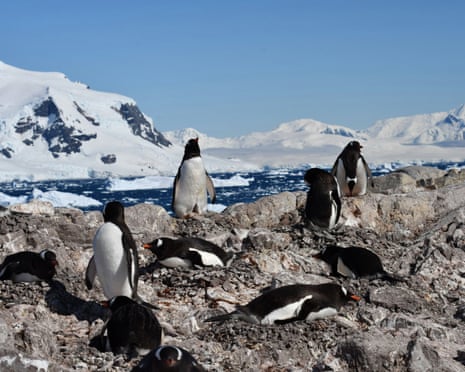
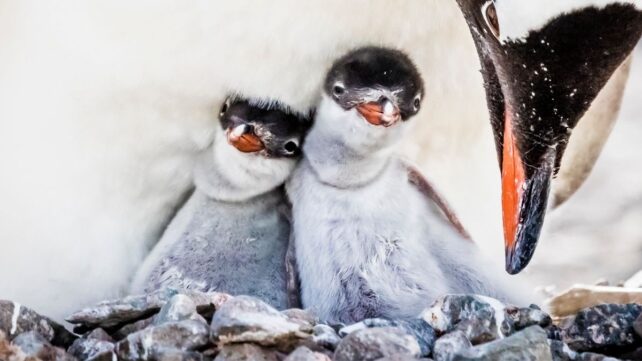
The groundbreaking Oxford University research on Antarctic penguin adaptation offers profound insights into survival strategies that parallel critical business transformation principles. From 2012 to 2022, penguin breeding patterns dramatically shifted, with temperatures rising 5.4°F and species demonstrating unprecedented reproductive adaptability.
Key Business Parallels: Just as gentoo penguins emerge as evolutionary "winners" through dietary flexibility, successful e-commerce sellers must develop multi-channel resilience. The study reveals three critical adaptation strategies directly applicable to global market dynamics:
Diversification as Survival Mechanism: Gentoo penguins, with adaptable diets, outperform specialist species. Similarly, sellers must diversify product lines and marketplace presence to mitigate single-channel risks. The 13-day earlier breeding cycle represents a metaphorical "time-to-market" acceleration that businesses should emulate.
Ecosystem Disruption Indicators: The research highlights how minor environmental changes trigger massive systemic shifts. For cross-border sellers, this translates to continuously monitoring regulatory, technological, and consumer behavior landscapes. The potential extinction of krill-dependent chinstrap populations mirrors the risks of over-specialization in narrow market segments.
Data-Driven Transformation: Utilizing 77 remote cameras and 9 million crowdsourced images, researchers demonstrated the power of collaborative, technology-enabled research. E-commerce sellers can draw direct parallels to leveraging AI, machine learning, and community insights for strategic decision-making.
The study's core message transcends ecological research: adaptability, data intelligence, and strategic diversification are universal survival mechanisms in rapidly changing environments.
Questions 3
Why are data collection and collaborative research important for business?
The penguin study used 77 cameras and 9 million crowdsourced images, showing how technology and community collaboration generate unprecedented insights. Sellers can apply similar approaches by using AI, machine learning, and community feedback to make more informed strategic decisions.
What can sellers learn from the penguin breeding pattern research?
The 13-day earlier breeding cycle demonstrates the importance of rapid adaptation. E-commerce sellers should similarly accelerate time-to-market, leverage data-driven insights, and continuously adjust strategies in response to environmental (market) changes.