


Geopolitical Shifts: Cross-Border Seller Opportunities in Emerging Markets
- Strategic Insights for E-Commerce Sellers Navigating Global Diplomatic Landscapes
































Overview
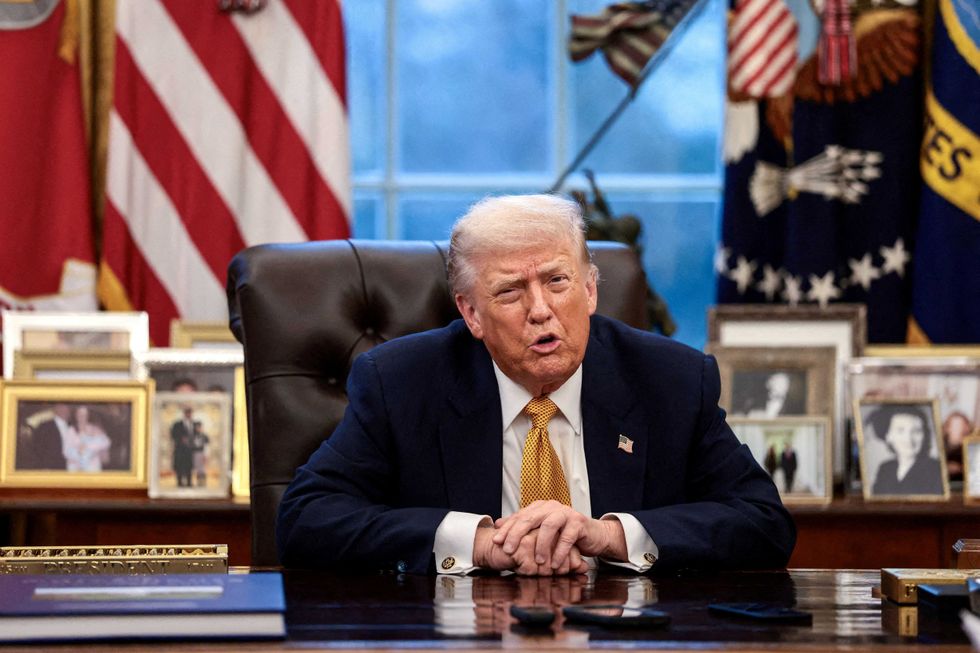
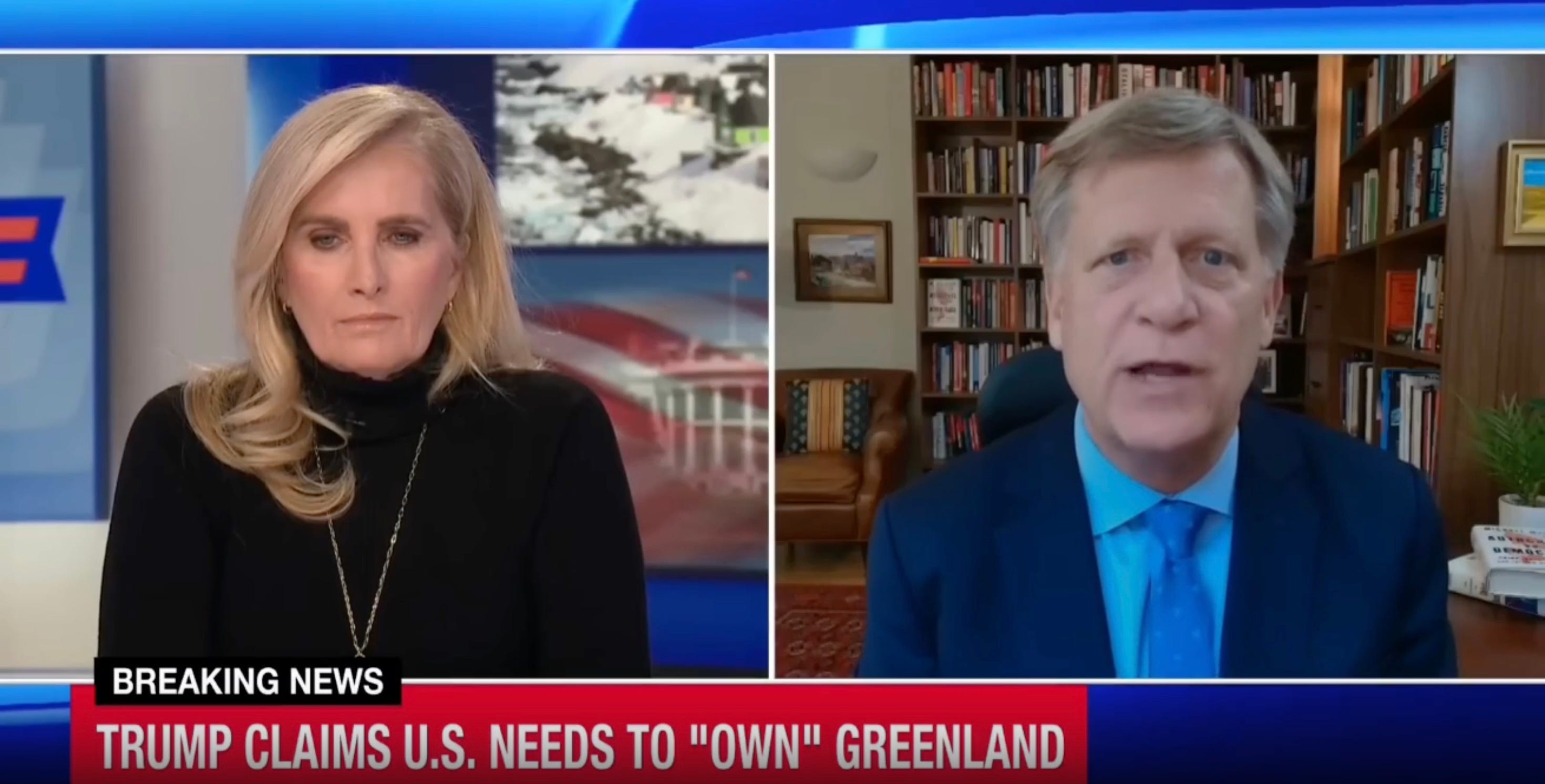
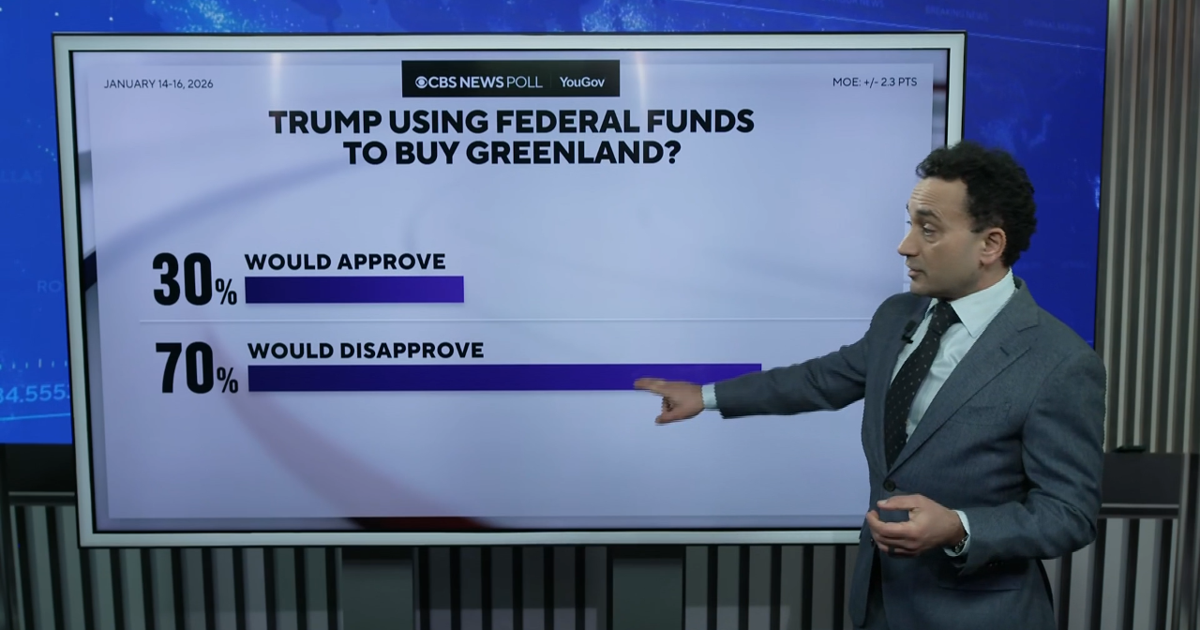
The geopolitical tensions surrounding Greenland reveal critical strategic opportunities for cross-border e-commerce sellers navigating complex international markets. Diplomatic repositioning creates unexpected market access windows for agile international sellers who can rapidly adapt to emerging geopolitical dynamics.
The narrative of Russia's strategic observations and the United States' unconventional diplomatic approaches highlight a crucial insight for global e-commerce: market opportunities emerge from geopolitical complexity. Sellers operating in international marketplaces must develop adaptive strategies that transcend traditional geographic boundaries. The Greenland scenario demonstrates how geopolitical tensions can create unique market positioning opportunities, particularly for sellers with flexible supply chain and marketing capabilities.
Key strategic implications for cross-border sellers include:
- Increased importance of geopolitical intelligence in market entry strategies
- Potential for discovering alternative market routes during diplomatic realignments
- Need for rapid market repositioning capabilities
- Enhanced value of multi-regional sourcing and distribution networks
The emerging global landscape demands sellers maintain sophisticated geopolitical awareness. Those who can quickly interpret diplomatic shifts and translate them into market entry strategies will gain significant competitive advantages. This requires developing robust intelligence gathering mechanisms, maintaining flexible logistics infrastructure, and maintaining a proactive approach to international market dynamics.
Sellers should focus on building adaptable market entry strategies that can pivot quickly in response to geopolitical developments, treating diplomatic tensions as potential market differentiation opportunities rather than barriers.
Questions 5
How do geopolitical tensions impact cross-border e-commerce strategies?
Geopolitical tensions create market volatility that savvy sellers can leverage by developing flexible market entry strategies, diversifying supply chains, and maintaining adaptable logistics networks. Sellers who quickly interpret diplomatic shifts can identify unique market opportunities before competitors.
How can e-commerce sellers build resilience against geopolitical uncertainties?
Sellers should develop multi-regional sourcing strategies, maintain flexible logistics infrastructure, invest in geopolitical intelligence gathering, and create adaptable market entry frameworks that can quickly pivot in response to diplomatic developments.