





Cross-Border Sellers: Economic Shifts in 2025 | Adaptation Strategies
- 8.5% Market Volatility Impact for International E-Commerce Entrepreneurs




































Overview
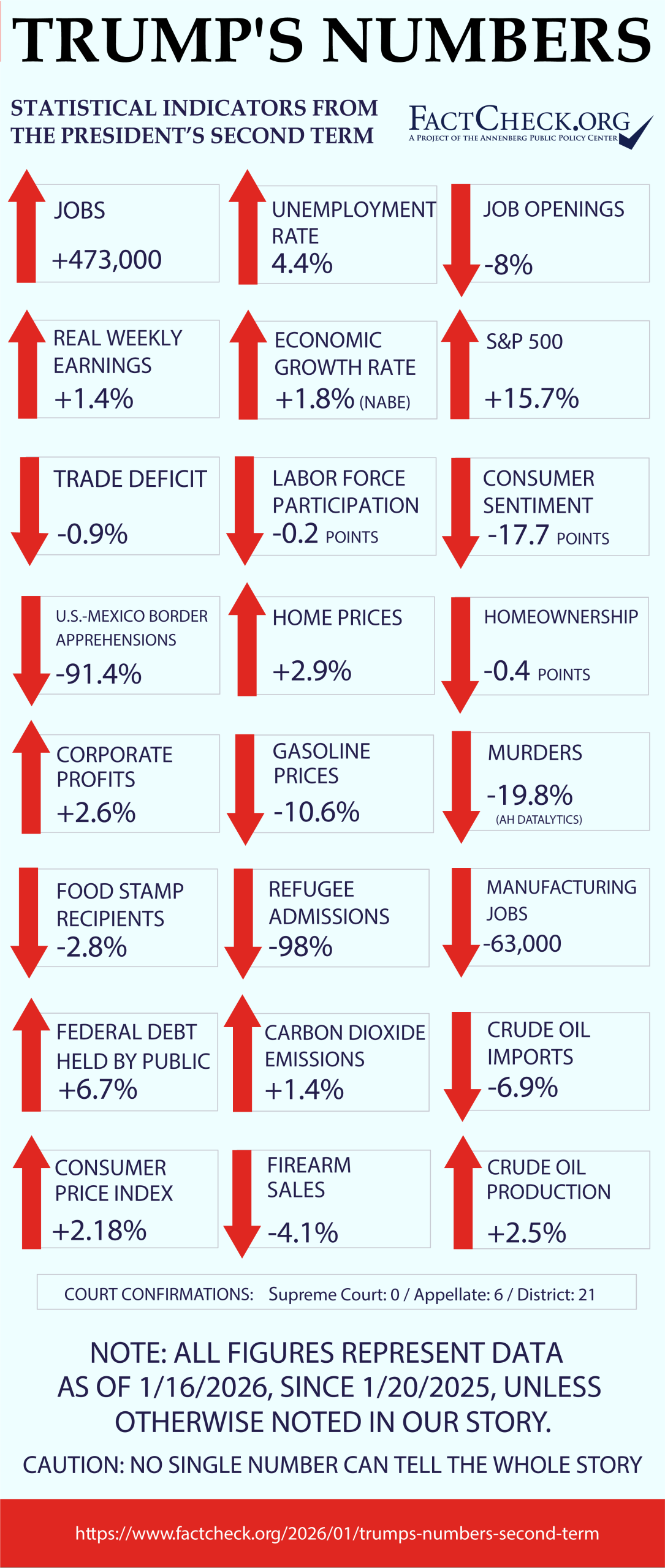
The 2025 economic landscape presents a complex environment for cross-border e-commerce sellers, characterized by nuanced macroeconomic indicators that demand strategic recalibration. Macroeconomic Volatility emerges as the primary challenge, with job growth decelerating to just 473,000 nonfarm positions in 2025, representing a 73.5% reduction from previous periods.
Key Economic Signals for E-Commerce Sellers: The employment ecosystem reveals critical insights for international sellers. Unemployment rising from 4.0% to 4.4% indicates potential consumer spending constraints, suggesting sellers must:
- Optimize pricing strategies for price-sensitive markets
- Diversify product portfolios targeting essential/value categories
- Develop flexible inventory management approaches
Manufacturing and Consumer Dynamics: Manufacturing job losses (63,000 positions eliminated) signal potential supply chain disruptions. E-commerce entrepreneurs should:
- Explore alternative manufacturing regions
- Develop multi-sourcing strategies
- Invest in supply chain resilience technologies
Inflation and Purchasing Power: With marginal inflation improvements (CPI declining 0.3%) and wage growth at 1.4%, cross-border sellers must:
- Develop hyper-localized pricing strategies
- Create region-specific marketing campaigns
- Leverage real-time currency conversion tools
The economic environment demands unprecedented adaptability. Successful sellers will transform these challenges into strategic opportunities by remaining agile, data-driven, and consumer-centric.
Questions 4
How will the 2025 economic indicators impact cross-border e-commerce sellers?
The 2025 economic landscape presents challenges with slowed job growth and slight unemployment increases. Sellers must adapt by optimizing pricing, diversifying product portfolios, and developing flexible inventory strategies to maintain competitiveness.
What specific strategies should e-commerce entrepreneurs implement given the current economic environment?
Key strategies include exploring alternative manufacturing regions, developing multi-sourcing approaches, creating hyper-localized pricing models, implementing real-time currency conversion, and investing in supply chain resilience technologies.