




Cross-Border Trade Volatility: Geopolitical Risks for E-Commerce Sellers in 2024
- 25% Tariff Threats Impact $50B+ Cross-Border Market Dynamics
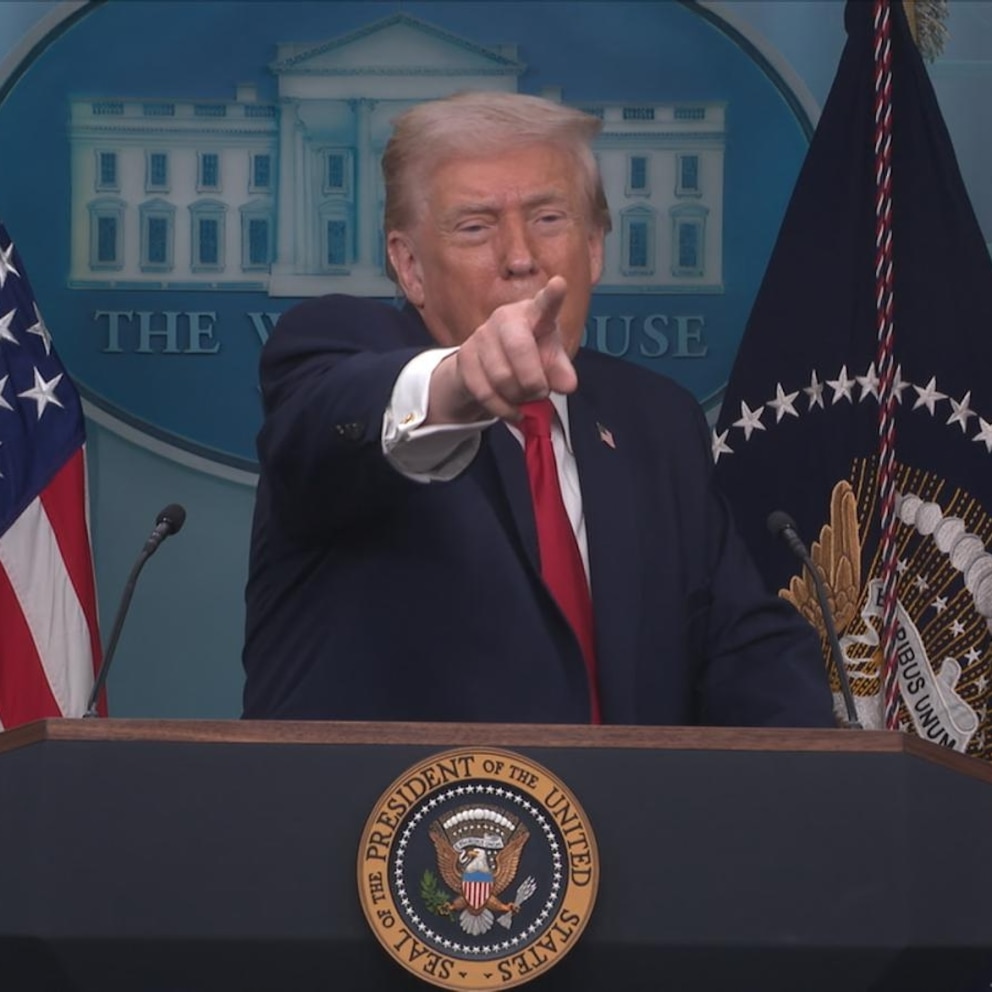







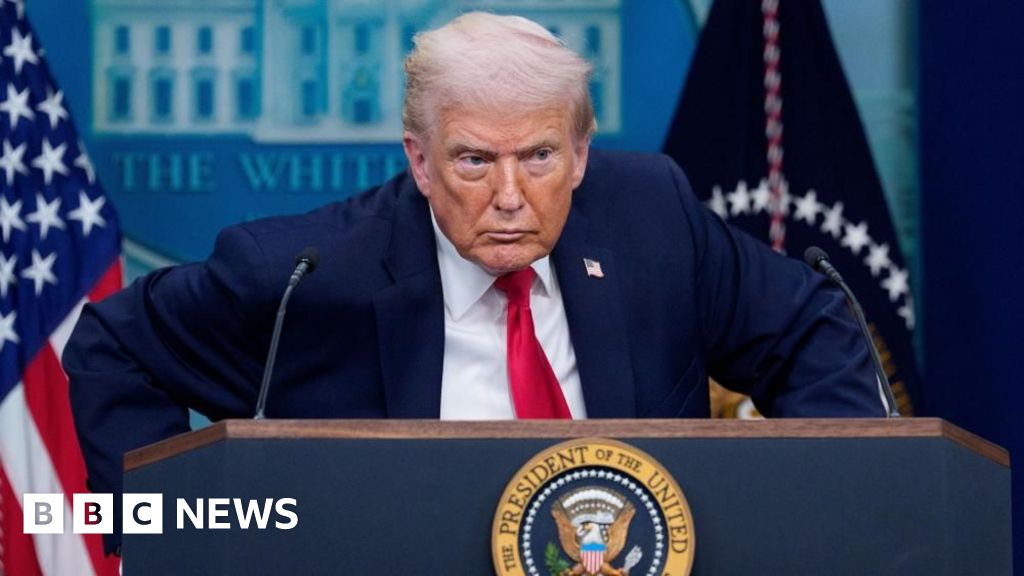
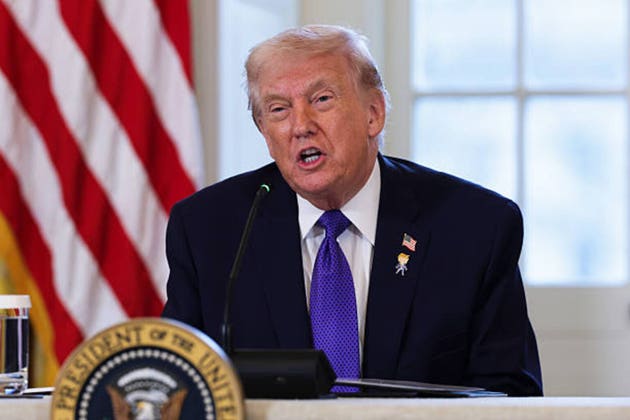

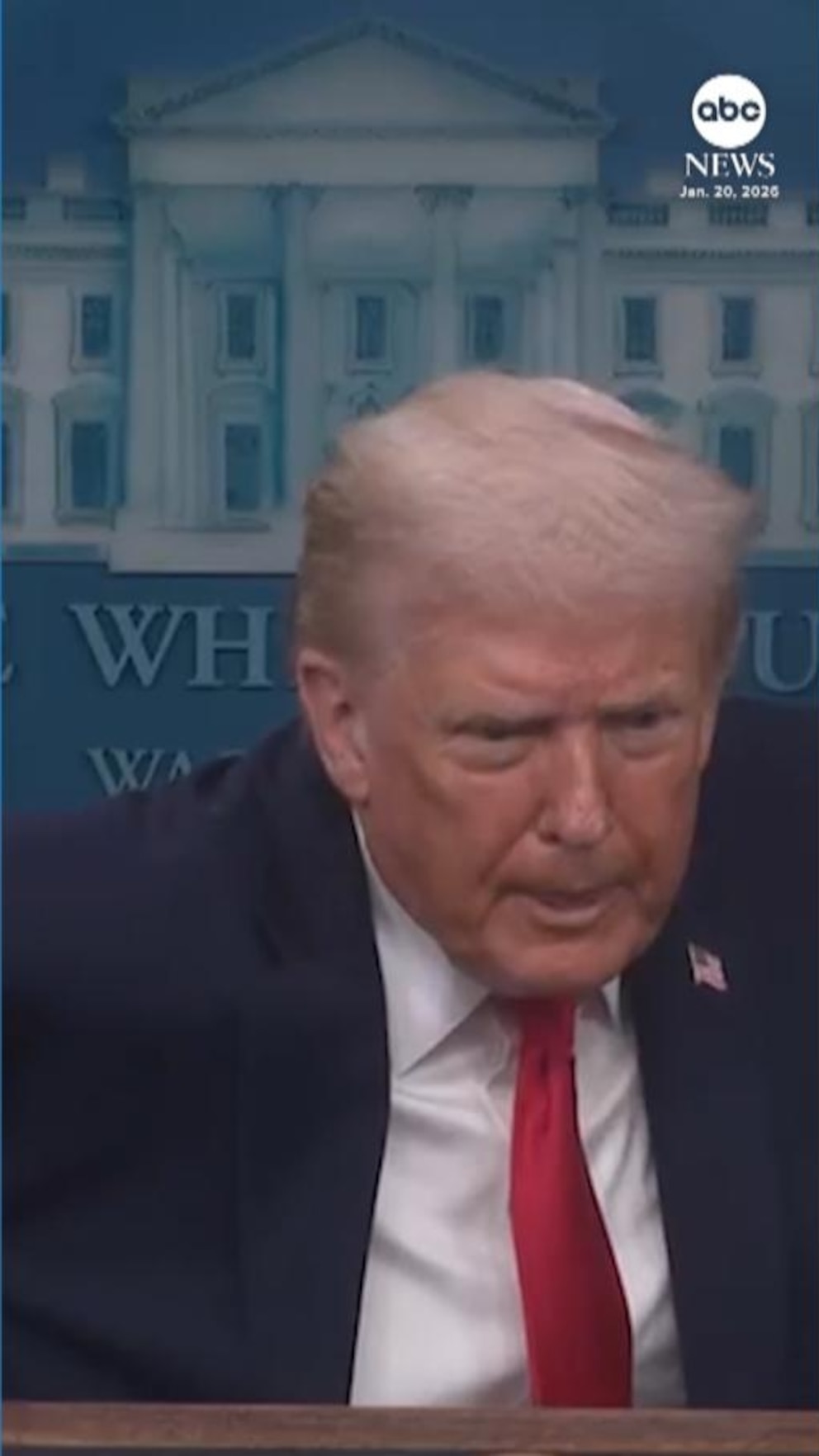























Overview
The escalating diplomatic tensions between the United States and European nations, particularly France, represent a critical inflection point for cross-border e-commerce sellers in 2024. Geopolitical uncertainty is now a direct operational risk for international merchants navigating complex trade landscapes.
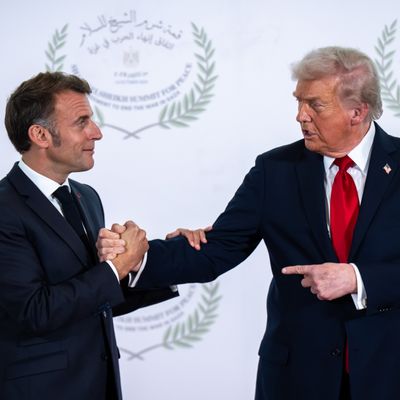
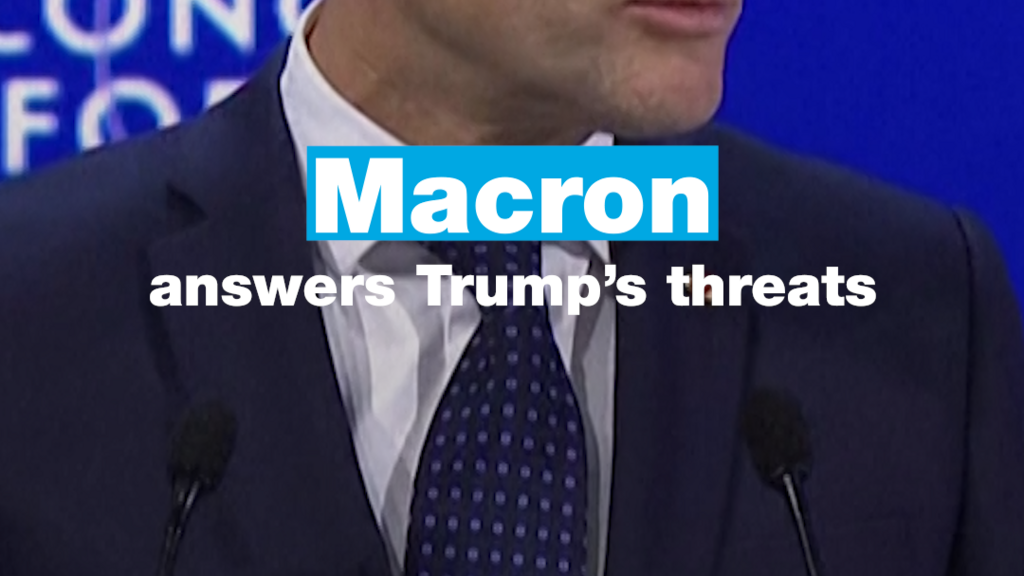
President Macron's bold confrontation at the World Economic Forum signals a potential paradigm shift in transatlantic trade relations. The threat of up to 25% tariffs on countries opposing U.S. territorial strategies creates a high-stakes environment for sellers operating across North American and European markets. E-commerce businesses must now factor geopolitical volatility into their strategic planning, with potential impacts on supply chains, pricing models, and market entry strategies.
The Greenland acquisition saga underscores the unpredictable nature of international trade dynamics. With Trump's unconventional diplomatic approach and European leaders' resistance, cross-border sellers face unprecedented market complexity. Key strategic implications include:
- Potential tariff escalations affecting product landed costs
- Increased compliance and regulatory monitoring requirements
- Need for diversified market and supply chain strategies
- Enhanced risk management protocols for international transactions
Sellers must develop adaptive strategies that can quickly respond to geopolitical shifts, including flexible sourcing networks, multi-market presence, and robust compliance frameworks. The ability to pivot rapidly will distinguish successful international e-commerce operations in this volatile trading environment.
Questions 3
How might Trump's Greenland acquisition plans affect cross-border e-commerce?
The Greenland situation introduces significant trade uncertainty. Sellers should anticipate potential tariff changes, increased compliance requirements, and possible market access restrictions. Diversifying supply chains and maintaining flexible market entry strategies will be crucial for mitigating geopolitical risks.
What strategic actions should e-commerce sellers take in response to these diplomatic tensions?
Sellers should implement a multi-pronged strategy: 1) Diversify supply chains across multiple countries, 2) Develop flexible pricing models that can absorb potential tariff fluctuations, 3) Enhance compliance monitoring systems, and 4) Maintain agile market entry strategies that can quickly adapt to changing geopolitical landscapes.