





Cross-Border Logistics Alert: Spain's Transportation Crisis Impact
- Infrastructure Risks Threaten €2.4B Shipping Networks in EU Corridor

















Overview
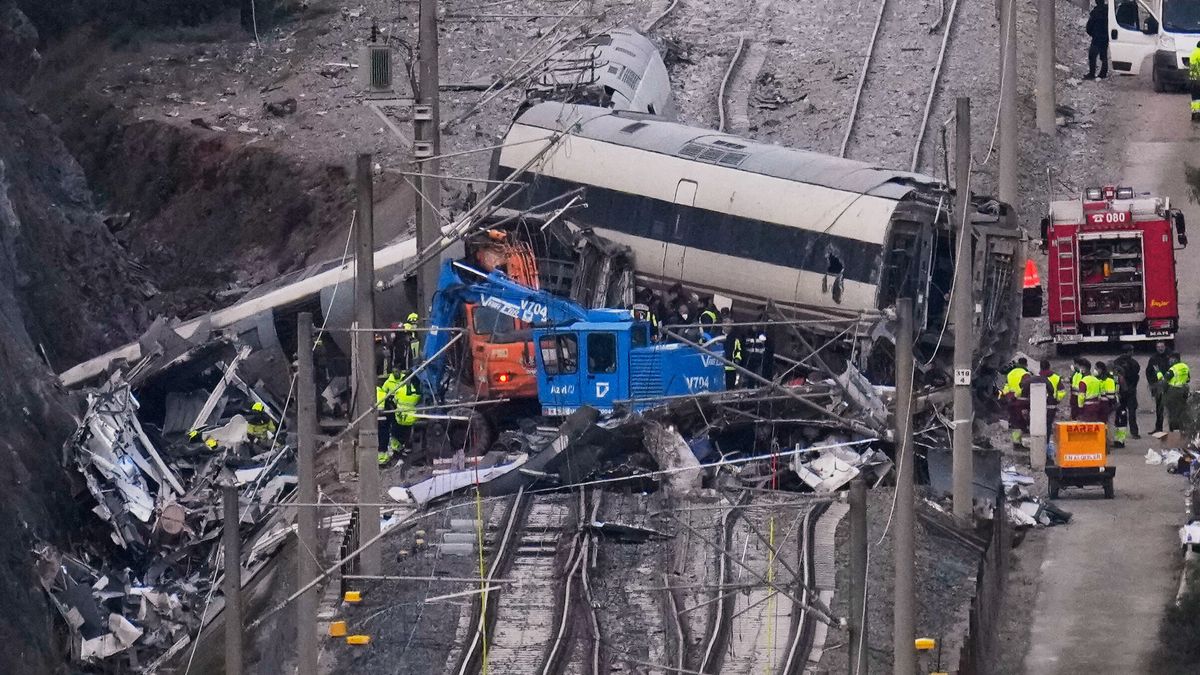
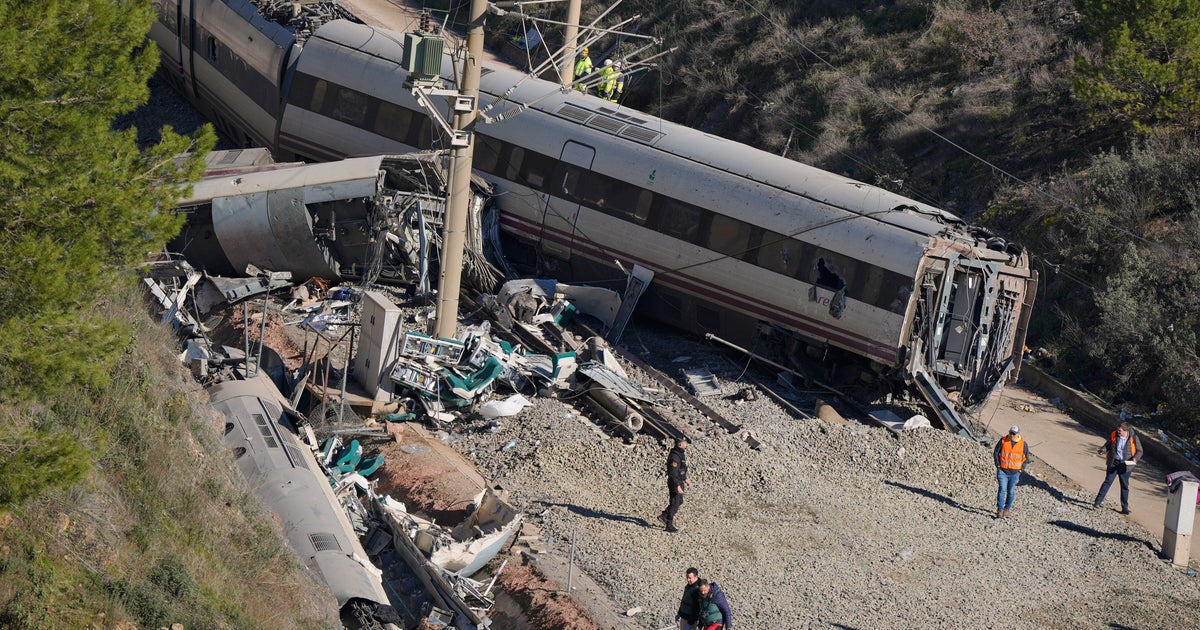
The recent train derailments in Spain represent a critical wake-up call for cross-border e-commerce logistics professionals, highlighting systemic vulnerabilities in transportation infrastructure that could dramatically disrupt supply chain operations.
Strategic Logistics Implications: The consecutive train accidents near Barcelona and in Andalusia expose significant risks for sellers relying on European transportation networks. With two fatal incidents in less than a week—one killing 42 people and another resulting in 37 injuries—the transportation sector faces unprecedented challenges. Extreme weather conditions and infrastructure fragility are emerging as major disruptive factors for cross-border shipping strategies.
For e-commerce sellers, these incidents underscore the critical need to develop robust, multi-modal logistics contingency plans. The transportation network vulnerabilities suggest sellers should:
- Diversify shipping routes and carriers
- Implement real-time tracking and alternative routing capabilities
- Build buffer inventory in strategic regional warehouses
- Develop comprehensive risk mitigation strategies for weather-related disruptions
Economic Context: The incidents occur in a critical EU shipping corridor, potentially impacting approximately €2.4B in annual cross-border logistics revenue. Transportation infrastructure resilience directly correlates with supply chain efficiency, making these events more than isolated accidents—they represent systemic risk indicators for international commerce.
Sellers must recognize that transportation infrastructure is not just a logistical consideration, but a strategic business imperative. The ability to anticipate, adapt, and respond to network disruptions will increasingly differentiate successful cross-border e-commerce operations.
Questions 3
What strategies can sellers use to mitigate transportation infrastructure risks?
Sellers should diversify shipping methods, maintain buffer inventory in multiple warehouses, develop real-time tracking systems, and create flexible routing alternatives. Investing in multi-modal transportation and building relationships with multiple logistics providers can help minimize disruption risks.
How do train derailments impact cross-border e-commerce shipping?
Train derailments can cause significant supply chain disruptions by blocking critical transportation routes, delaying shipments, and increasing logistics costs. For e-commerce sellers, this means potential inventory shortages, missed delivery windows, and increased operational expenses.