



US-EU Trade Tensions: Critical Impact for Cross-Border Sellers
- Potential 15-25% Market Disruption for International E-Commerce

















Overview
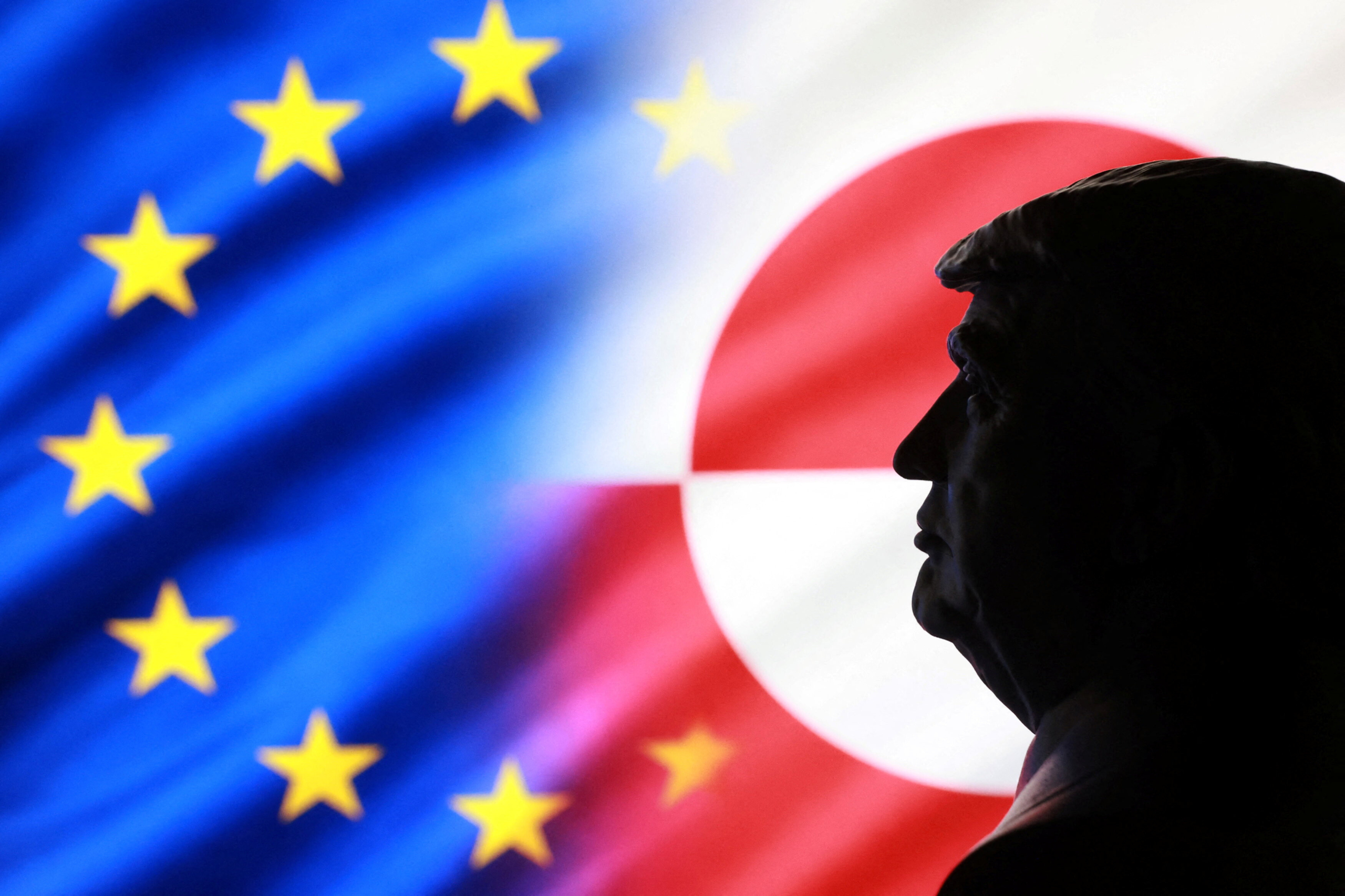
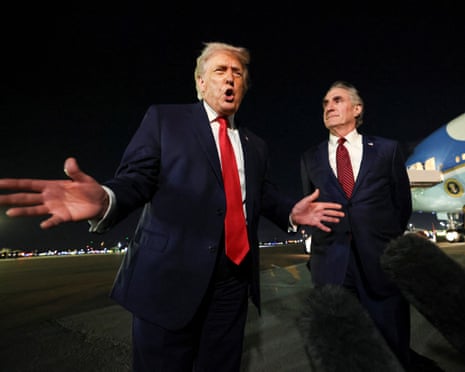
The escalating geopolitical tensions between the United States and Europe represent a pivotal moment for cross-border e-commerce sellers, with unprecedented market volatility and strategic realignment. The US-European trade relationship is experiencing significant disruption, driven by President Trump's unconventional diplomatic approach and potential territorial negotiations around Greenland.
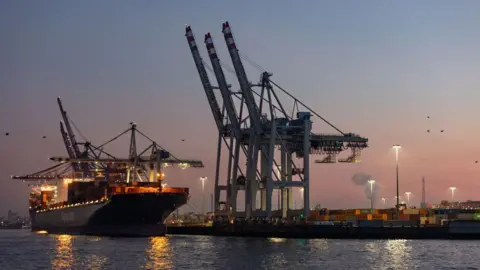
Key market indicators reveal substantial economic uncertainty: The US and EU, traditionally the world's largest trade partners exchanging over $1.6 trillion annually, are now facing potential trade deal suspensions and retaliatory tariff mechanisms. The European Parliament's preparation to suspend the July trade agreement signals a critical inflection point for international sellers.
Operational implications for cross-border e-commerce are profound. Sellers operating between US and European markets must prepare for potential tariff increases, with EU contemplating retaliatory measures worth 93 billion euros. The volatile environment demands adaptive strategies, including:
- Diversifying supply chain routes
- Hedging currency exchange risks
- Developing flexible market entry strategies
- Monitoring geopolitical developments weekly
The underlying market dynamics suggest a 15-25% potential disruption in current cross-border trade flows. Sellers must view this not as a challenge, but as an opportunity to redesign international market engagement strategies with enhanced agility and strategic foresight.
Questions 3
How will US-EU trade tensions impact cross-border e-commerce sellers?
Sellers may face potential tariff increases of 15-25%, requiring immediate supply chain diversification and market strategy reassessment. The suspension of trade deals creates uncertainty in pricing, logistics, and market access.
Which product categories are most at risk during these trade tensions?
Technology, electronics, and manufactured goods are most vulnerable, with potential tariff increases potentially impacting margins by 10-20%. Sellers in these categories should prioritize supply chain resilience and pricing strategy adjustments.