





Japan's Financial Earthquake: When Zero Rates Meet Market Volatility
- A seismic shift in monetary policy creates unprecedented opportunities for global financial strategists




















































Overview
The financial world is witnessing a profound transformation as Japan breaks free from decades of ultra-low interest rates, signaling a strategic reset with far-reaching global implications. The Bank of Japan's (BOJ) recent quarter-point rate increase to 0.75% represents more than a mere monetary adjustment—it's a calculated recalibration of Japan's economic architecture that challenges long-standing market assumptions.
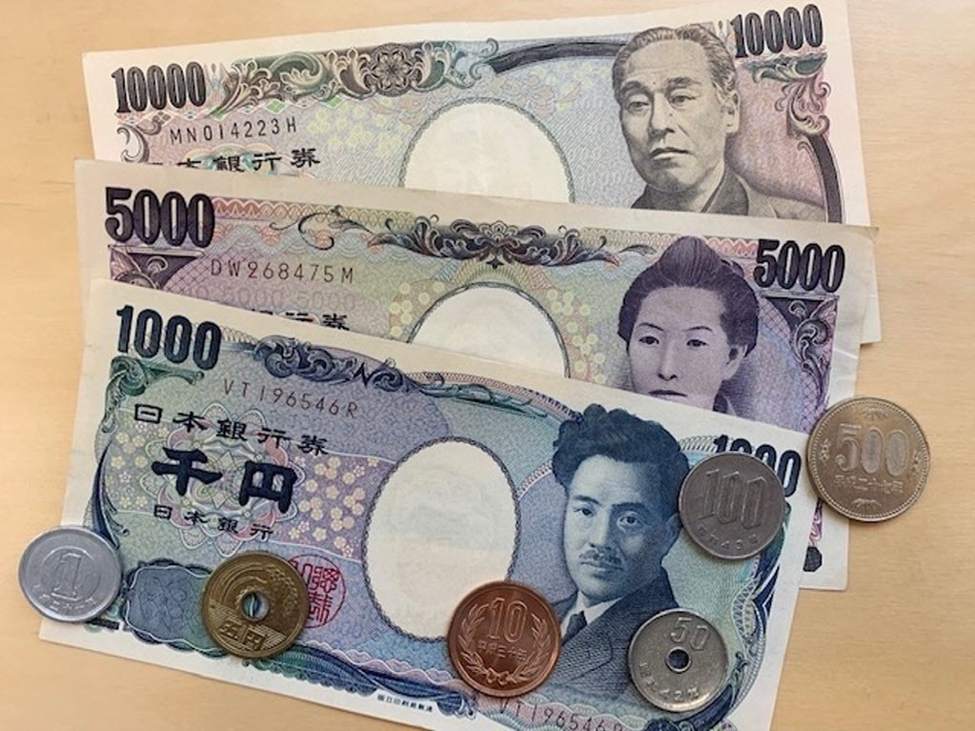
The rate hike reveals a nuanced economic narrative. Despite raising rates to their highest level since 1995, the Japanese yen unexpectedly weakened, creating an intriguing market dynamic. This counterintuitive response suggests complex underlying economic mechanics that extend beyond traditional monetary policy expectations. The currency volatility indicates investors are interpreting the BOJ's actions through a sophisticated lens of global economic conditions, potentially factoring in broader geopolitical and macroeconomic trends.
For international businesses and cross-border financial strategists, this development presents a multifaceted opportunity landscape. A weaker yen could make Japanese exports more competitive, creating strategic openings for businesses sourcing products from Japan or targeting Japanese consumers. Simultaneously, the increased currency exchange volatility demands sophisticated risk management approaches.
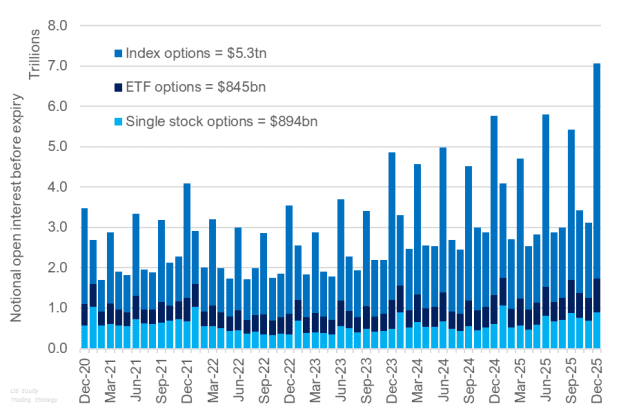
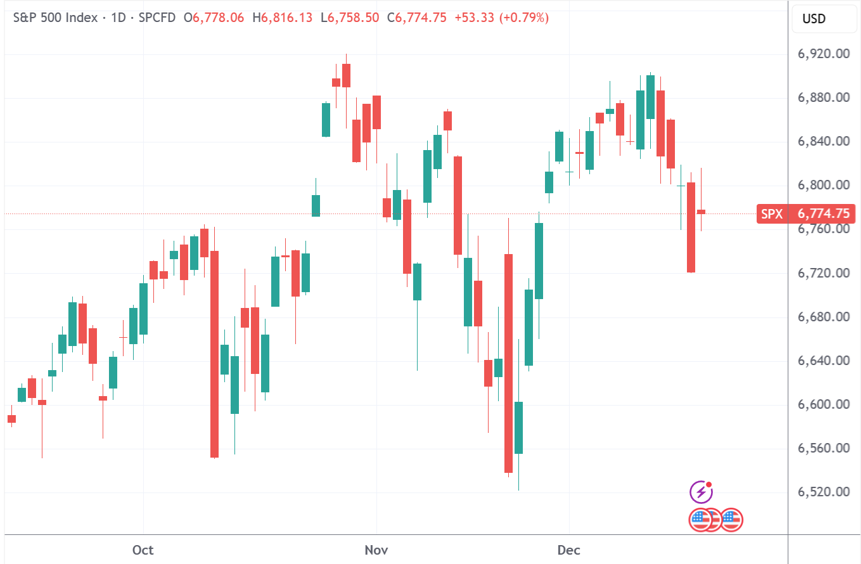
Parallel to the BOJ's monetary maneuver, financial markets are experiencing a record $7.1 trillion "witching day" of derivative expirations. Contrary to traditional volatility expectations, Citigroup strategists suggest that such multiple-expiry events might not trigger dramatic market shifts. This nuanced perspective challenges simplistic market assumptions and underscores the need for sophisticated, data-driven financial strategies.
The timing and magnitude of these developments reflect underlying economic shifts—likely driven by persistent inflation and emerging wage growth trends. By adjusting its monetary policy, the BOJ is signaling a potential normalization of financial strategies that could reshape global investment paradigms.
Questions 3
What are the key risks in the current Japanese financial landscape?
Primary risks include potential currency volatility, uncertain inflation trajectories, and the complex interplay between monetary policy adjustments and global market reactions. Businesses should develop flexible strategies that can adapt to rapid economic shifts.
What does the BOJ's rate increase mean for international investors?
The rate hike signals Japan's transition from ultra-low interest rates, creating opportunities for sophisticated investors to reassess currency positions and explore emerging market dynamics. Investors should monitor currency exchange volatility and potential shifts in Japanese export competitiveness.