



Samsung's 2nm Chip Revolution Signals the Next Frontier of Mobile Computing Performance
- Semiconductor breakthrough redefines mobile device capabilities through unprecedented AI and computational efficiency




)























Overview
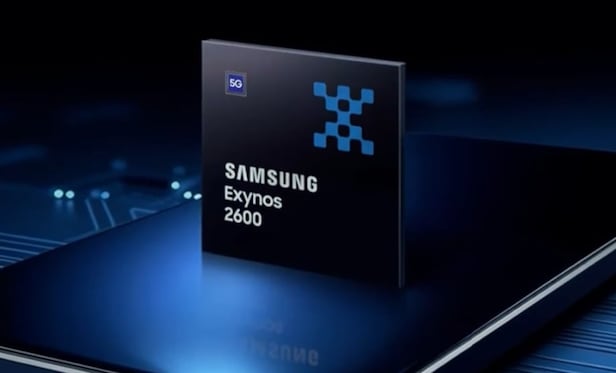
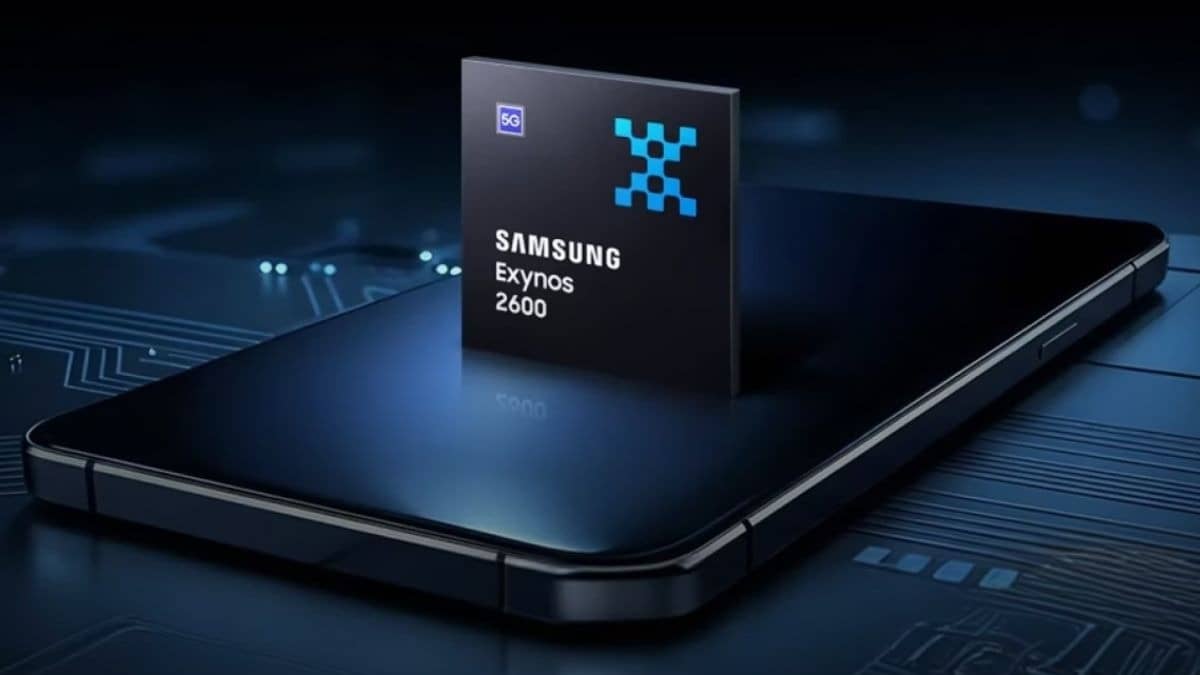
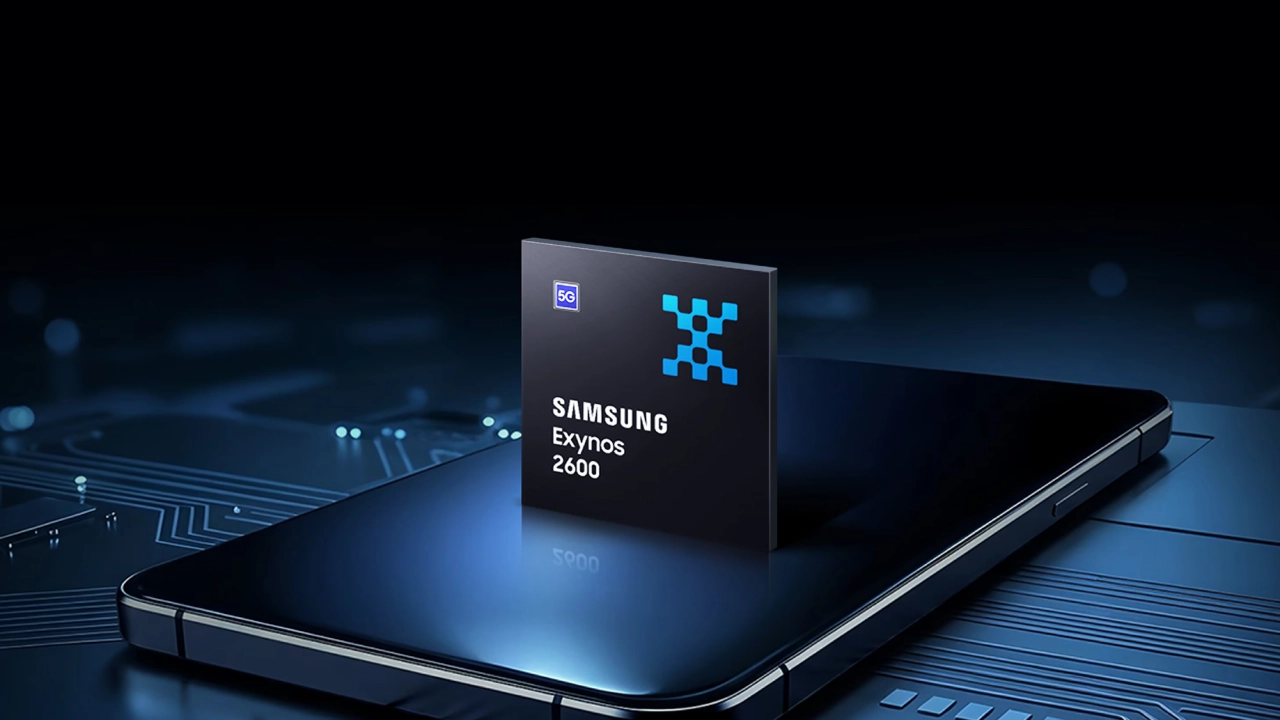
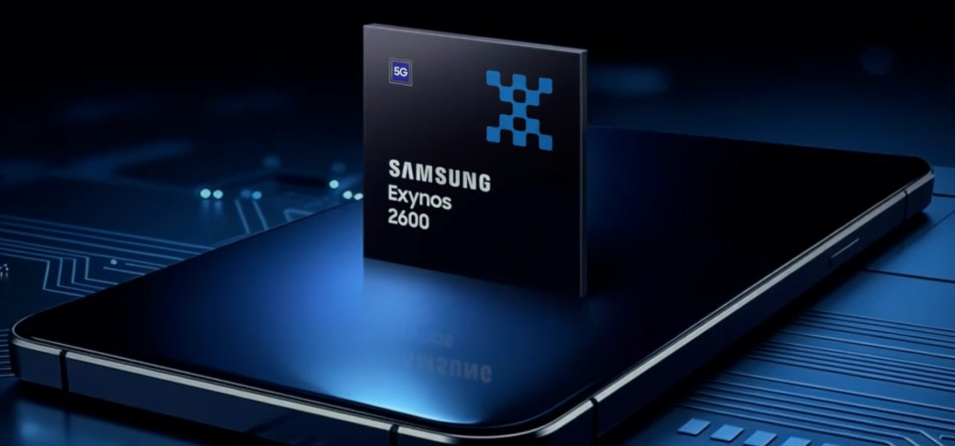
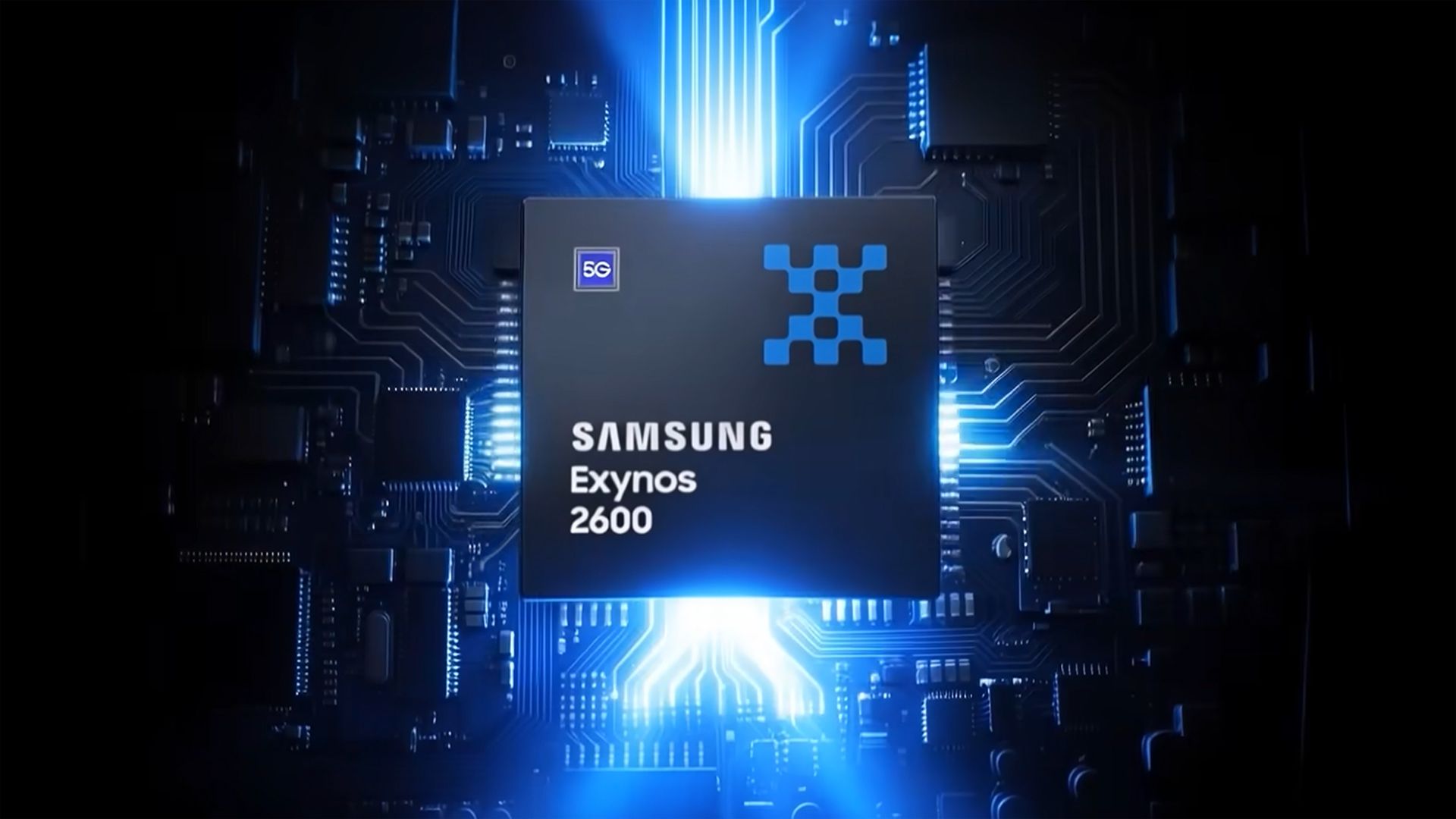
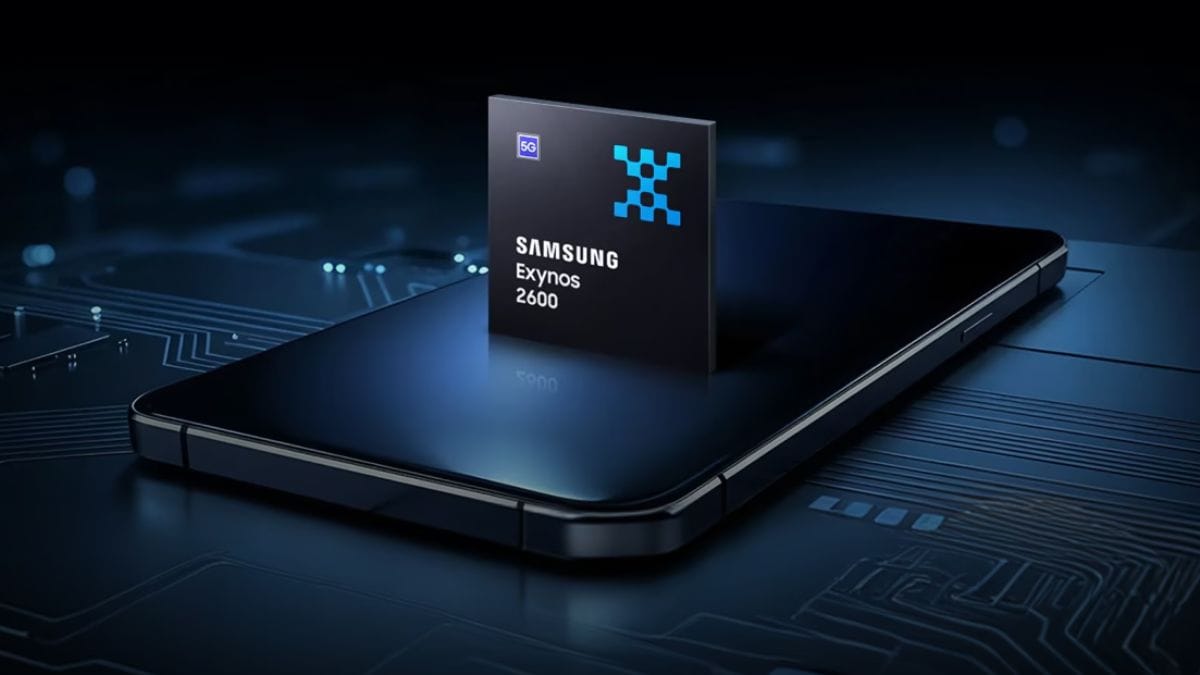
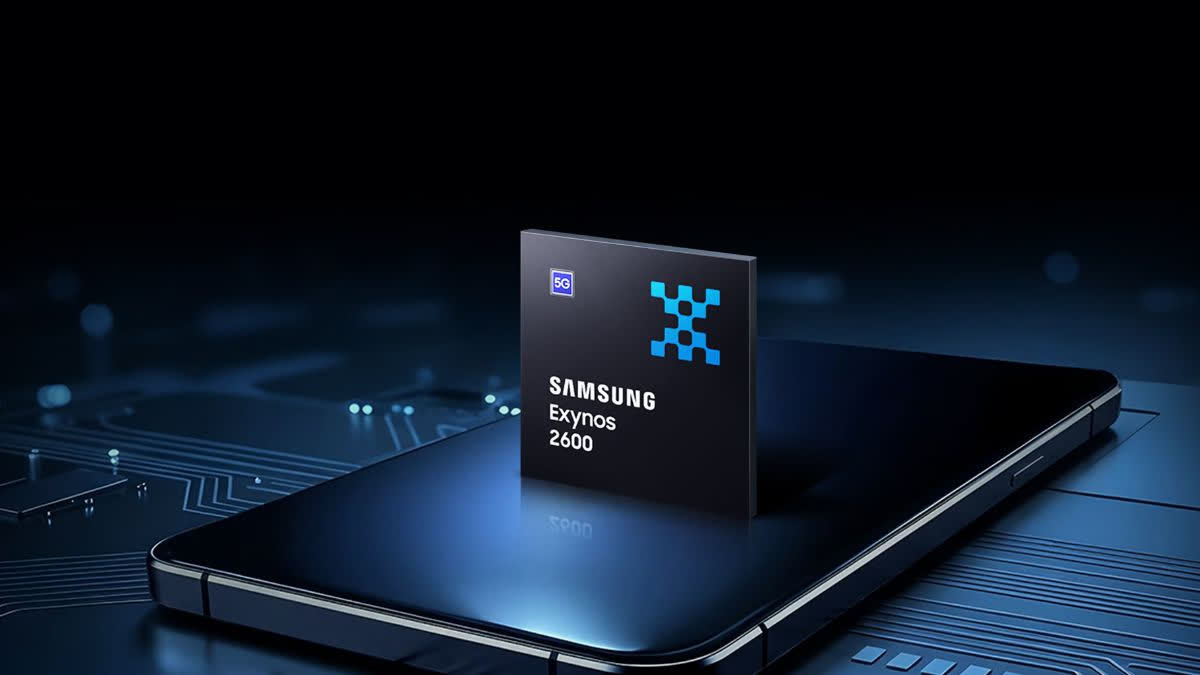
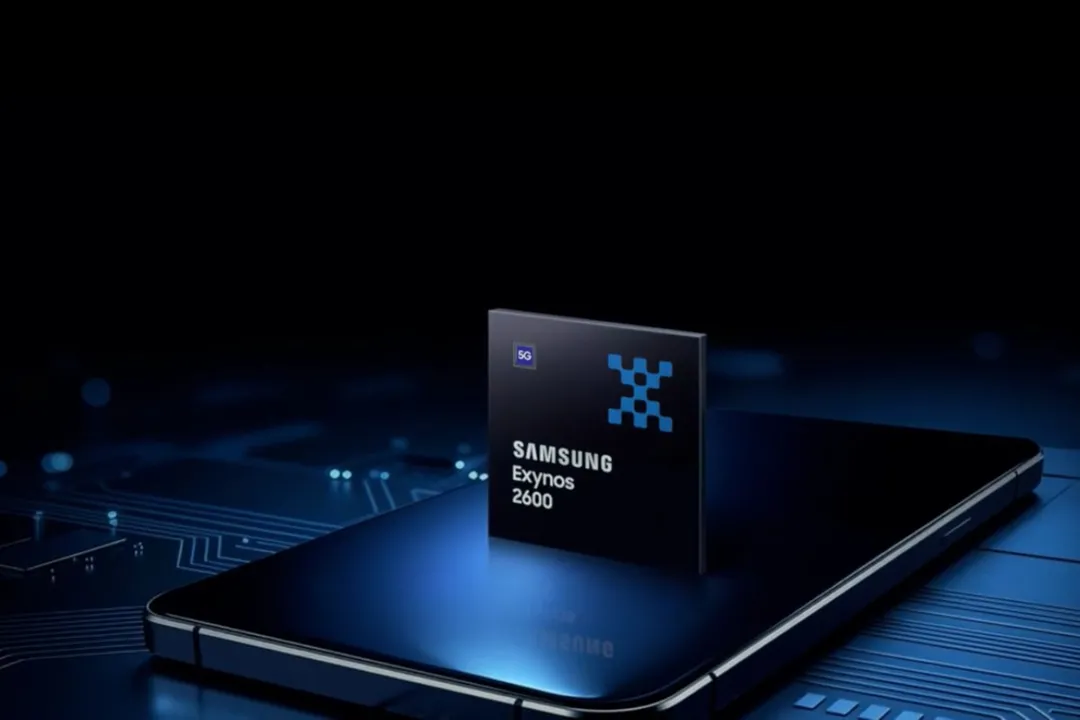
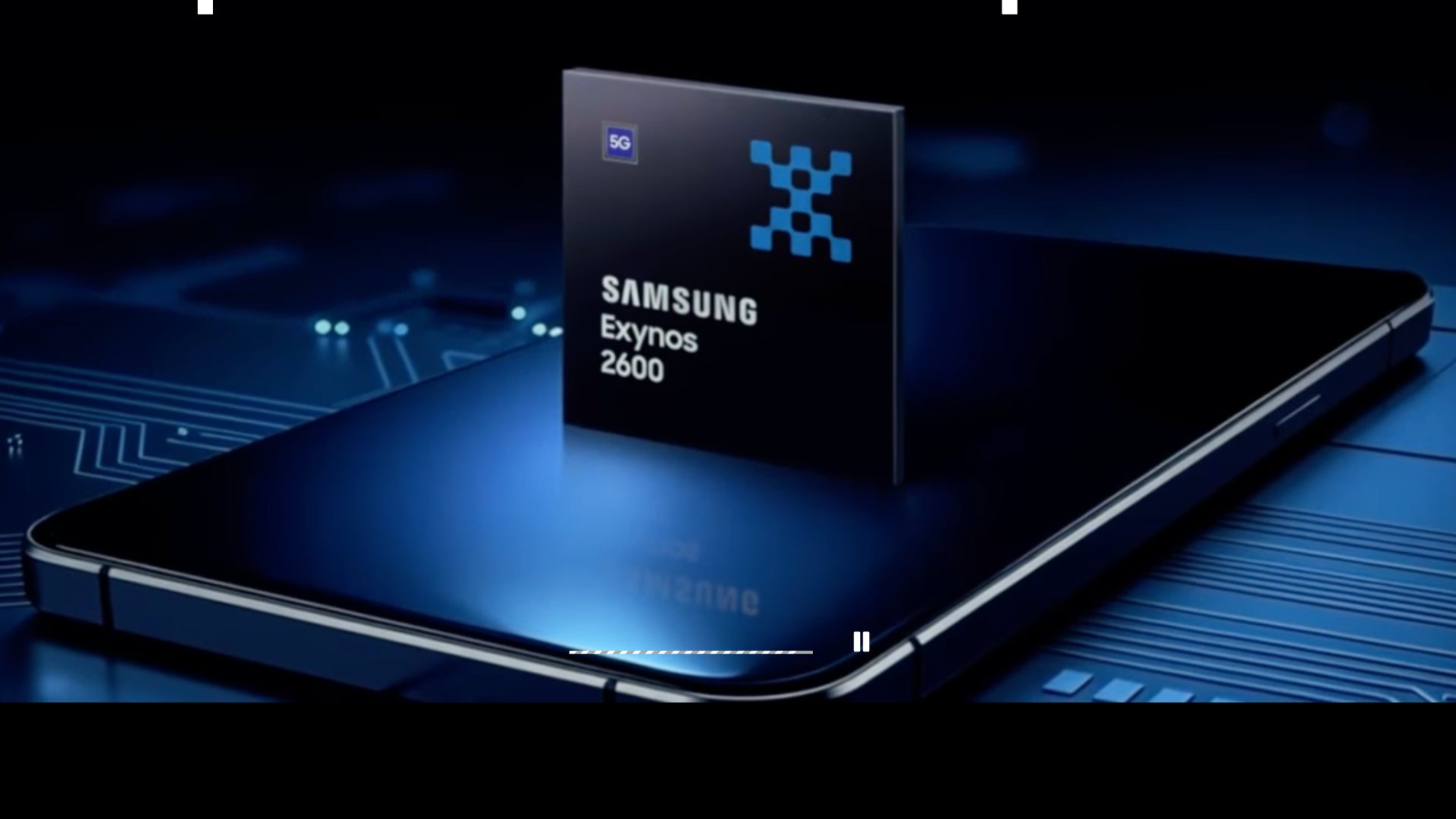
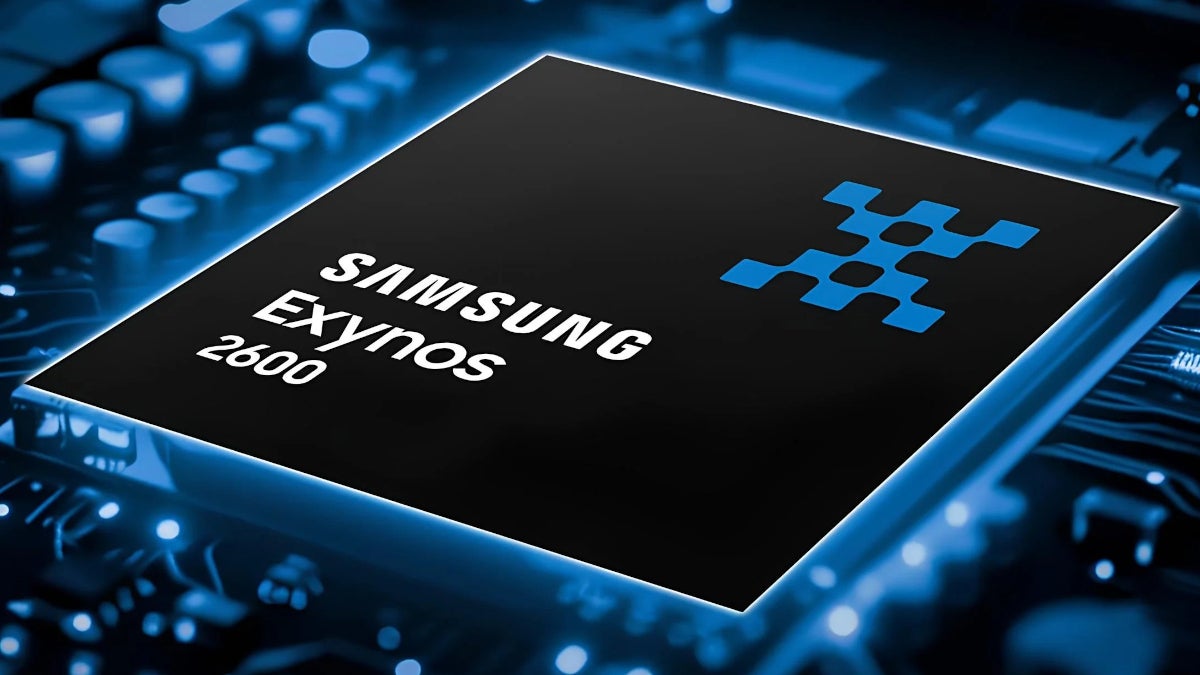
The unveiling of Samsung's Exynos 2600 represents a pivotal moment in mobile semiconductor technology, signaling a transformative leap that goes far beyond incremental performance improvements. By introducing the world's first 2nm mobile chip, Samsung is not just advancing technological capabilities, but fundamentally reimagining the computational potential of mobile devices.
At the heart of this breakthrough lies a sophisticated 10-core ARM architecture that delivers remarkable performance metrics. The chip demonstrates a stunning 39% CPU performance uplift and an extraordinary 113% enhancement in Neural Processing Unit (NPU) capabilities. These aren't merely numbers, but a profound reimagining of mobile computational potential—effectively bridging the gap between smartphone processing and high-performance computing.
The strategic implications are profound. Samsung has addressed historical performance challenges through innovative techniques like the Heat Path Block (HPB) technology, which uses High-k EMC material to dramatically improve thermal management. This means sustained high-performance computing without the traditional thermal throttling that has limited mobile devices. The Xclipse 960 GPU's doubled computing performance and 50% ray-tracing improvement further underscores the chip's transformative potential.
Critically, this isn't just about raw performance—it's about enabling next-generation AI and computational experiences. The integrated NPU's world-first virtualization security and hybrid Post-Quantum Cryptography represent a quantum leap in mobile security and AI processing. With support for 320MP cameras, zero-shutter-lag image capture, and advanced video recording capabilities, the Exynos 2600 is positioning Samsung at the bleeding edge of mobile technology.
The timing is strategically significant, arriving ahead of Apple's expected 2nm chip adoption in 2026. By setting the technological benchmark, Samsung is not just competing but defining the next generation of mobile computing performance. For device manufacturers, software developers, and AI researchers, this represents a canvas of unprecedented computational possibilities.
Questions 4
What technological challenges does the Exynos 2600 address?
The chip tackles key semiconductor challenges like thermal throttling through its Heat Path Block technology, enables more sophisticated AI processing, and provides enhanced security features including hybrid Post-Quantum Cryptography.
How does the new chip address previous mobile processor limitations?
Samsung introduced the Heat Path Block (HPB) technology using High-k EMC material, which solves historical thermal management challenges. This innovation allows sustained high-performance computing without throttling, enabling more consistent and powerful mobile device experiences across intensive workloads.