



Hardware Security Apocalypse: How Riot Games Exposed the Pre-Boot Vulnerability Nightmare
- A critical cybersecurity revelation that transforms the gaming and tech hardware landscape











Overview
The cybersecurity landscape has just experienced a seismic shift, with Riot Games uncovering a critical vulnerability that exposes a fundamental weakness in modern computer hardware. At the heart of this discovery lies a sophisticated pre-boot security gap that allows potential attackers to bypass traditional security mechanisms during the most vulnerable moment of system startup.
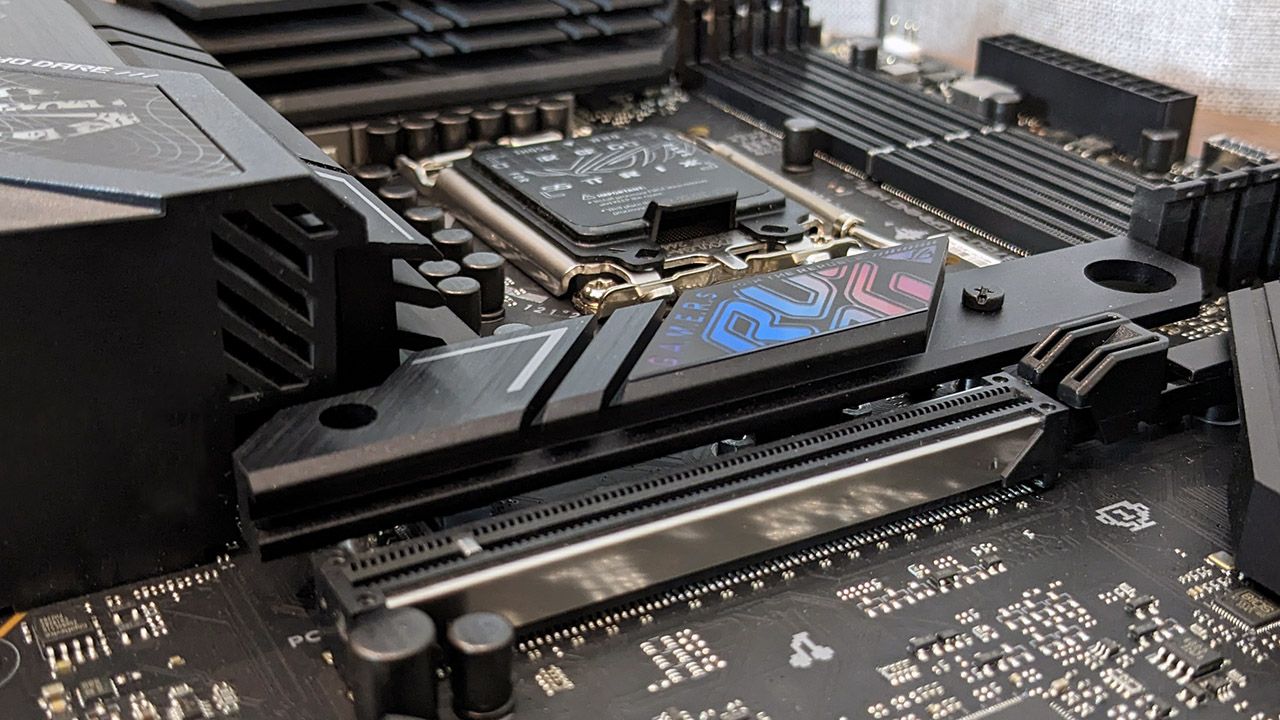
The vulnerability centers on a deceptive flaw in Input/Output Memory Management Unit (IOMMU) configurations across major motherboard manufacturers like ASRock, ASUS, Gigabyte, and MSI. While firmware appears to signal full protection, the reality is far more alarming: a critical window exists where sophisticated attackers could potentially inject malicious code or access sensitive system memory before operating system safeguards activate.
What makes this discovery particularly significant is Riot's proactive approach. Rather than simply reporting the vulnerability, the company is transforming the cybersecurity paradigm by collaborating directly with hardware manufacturers to develop comprehensive patches. Their Vanguard anti-cheat system will now implement a VAN:Restriction mechanism that prevents players with compromised systems from accessing games, effectively turning cybersecurity into an active, enforceable standard.
The implications extend far beyond gaming. This vulnerability represents a systemic risk in hardware security, particularly in environments with complex computing infrastructures like cloud services, virtualized systems, and high-performance computing. The four identified CVE vulnerabilities, each with a CVSS score of 7.0, underscore the critical nature of this discovery.
Riot's strategy signals a broader trend: the future of cybersecurity will be characterized by tighter integration between software developers, hardware manufacturers, and security researchers. By closing pre-boot security loopholes and establishing minimum hardware security baselines, the industry is moving toward a more proactive, collaborative approach to protecting digital ecosystems.
Questions 4
Will this impact users with older PC hardware?
Yes, users with older systems may need to update their BIOS, potentially requiring expensive motherboard updates. Initially, Riot is targeting high-level players, but this could expand to broader user groups, signaling a trend toward more stringent hardware security requirements.
What are the broader implications of this discovery?
This vulnerability reveals a systemic risk in hardware security, particularly in cloud, virtualized, and high-performance computing environments. It suggests a future where software developers, hardware manufacturers, and security researchers must collaborate more closely to establish comprehensive security baselines.