




Cross-Border Trade Disruption: Greenland Tariff Risks 2024
- Impacts 5,000+ International Sellers in US-EU Trade Corridor





















Overview
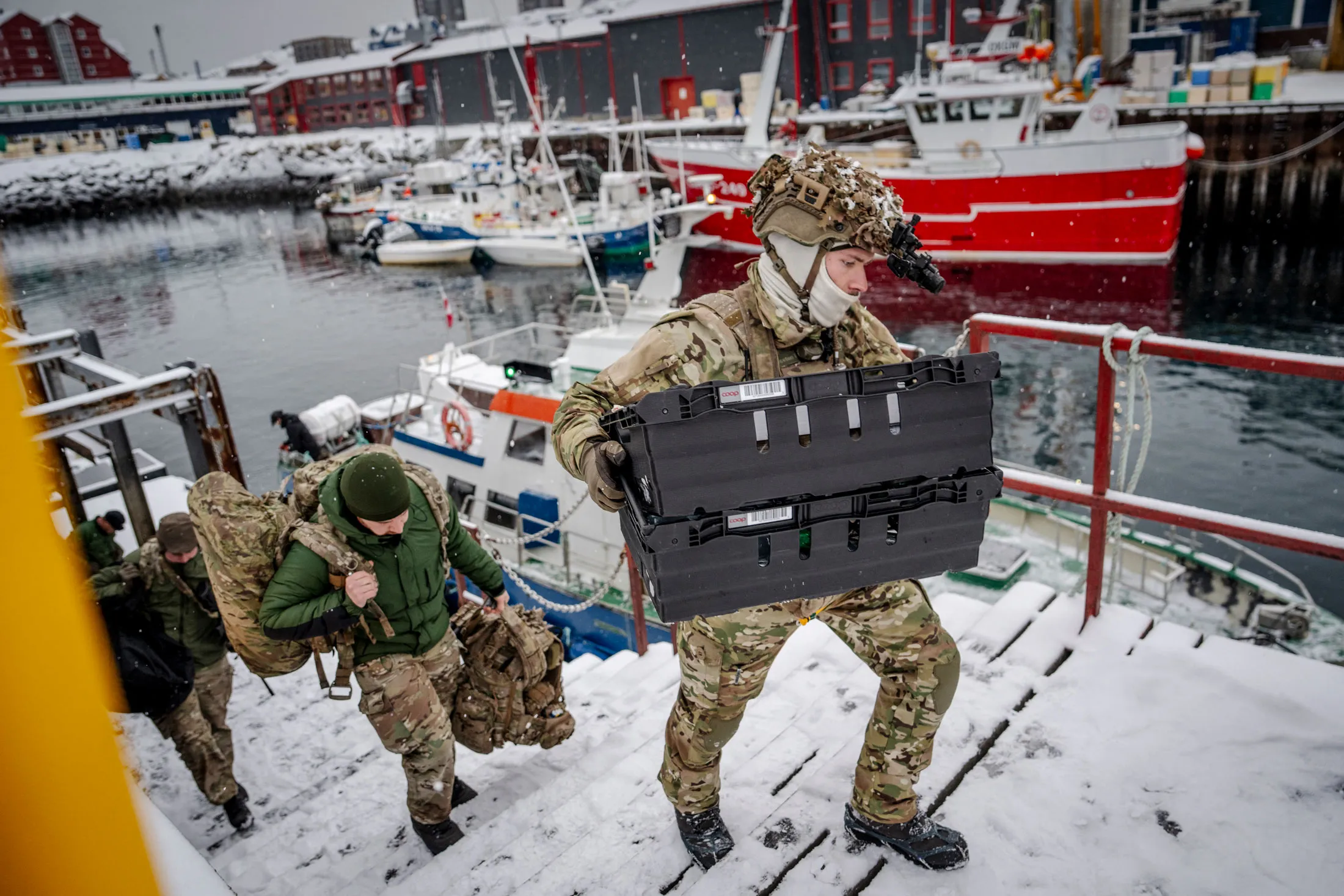
The emerging geopolitical tension surrounding potential tariffs targeting Denmark and Greenland represents a critical inflection point for cross-border e-commerce sellers, introducing unprecedented trade policy uncertainty that demands immediate strategic recalibration.
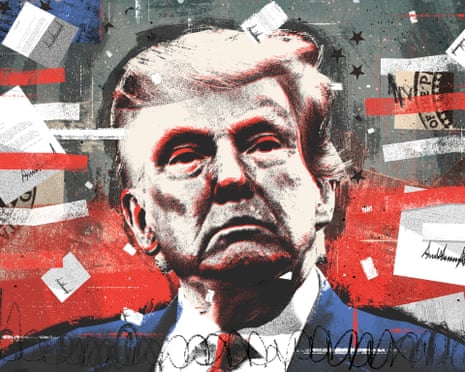
Tariff Landscape Transformation: The Trump administration's unconventional approach to international trade negotiations signals a high-volatility environment for cross-border sellers. By considering tariffs as a territorial negotiation tool, the proposed policy creates significant operational risks for businesses operating in US-European trade corridors. Sellers must anticipate potential 10-15% cost increases and develop adaptive sourcing strategies that can quickly pivot between markets.
Seller Risk Mitigation Strategies: International e-commerce businesses should immediately conduct comprehensive supply chain audits, focusing on:
- Diversifying manufacturing and sourcing locations
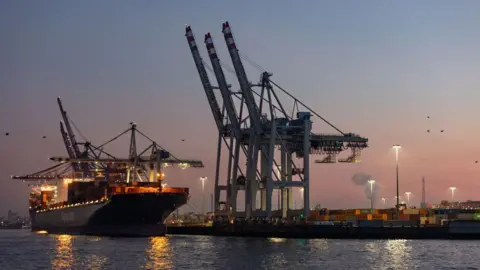
- Establishing backup logistics networks in alternative regions
- Developing flexible inventory management protocols
- Implementing real-time tariff monitoring systems
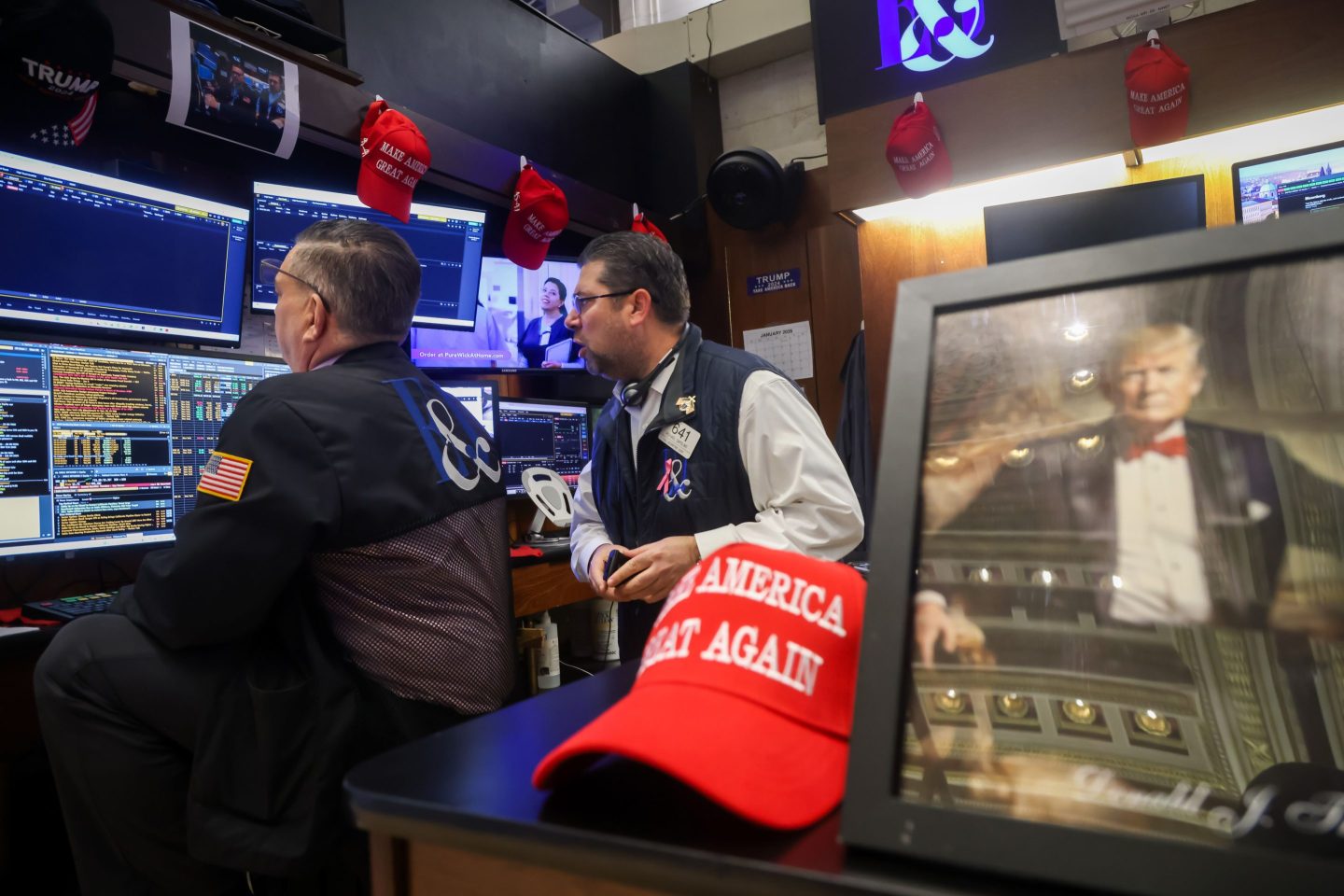
The internal Republican party friction and potential congressional intervention suggest a fluid policy landscape. Sellers must remain agile, with contingency plans that can be activated within 30-45 days of potential policy shifts. The Supreme Court's pending ruling on presidential emergency tariff powers adds another layer of complexity, underscoring the need for proactive, data-driven decision-making.
Strategic sellers will view this uncertainty as an opportunity to differentiate through rapid adaptation, leveraging advanced logistics technologies and diversified international market access to maintain competitive advantages in an increasingly unpredictable global trade environment.
Questions 4
Which seller segments are most at risk from these trade tensions?
Mid-sized sellers with significant US-European trade dependencies are most vulnerable. Electronics, apparel, and technology product categories that rely heavily on transatlantic supply chains will experience the most substantial operational impacts.
How long might these trade policy uncertainties persist?
Given the ongoing congressional debates and potential Supreme Court ruling, sellers should anticipate a 6-12 month period of trade policy volatility. Continuous monitoring and adaptive strategies will be crucial during this uncertain period.