



Cross-Border Trade Tensions: 25% Tariff Risks for E-Commerce
- Impacts 50K+ EU/US Sellers with Supply Chain Disruption



















Overview
The escalating trade tensions between the United States and European allies represent a critical inflection point for cross-border e-commerce sellers, with potential tariff increases creating substantial operational and financial risks. President Trump's announcement of 10-25% tariffs against eight European allies, linked to Greenland negotiations, signals a volatile international trade environment that demands immediate strategic recalibration.
Strategic Implications for Cross-Border Sellers: The proposed tariff structure introduces significant complexity for e-commerce businesses operating across US-EU corridors. Starting at 10% on February 1 and potentially rising to 25% by June 1, these trade barriers could compress profit margins by 8-15% for sellers in electronics, apparel, and specialty goods categories. European leaders' characterization of these tariffs as "unacceptable" suggests potential retaliatory measures that could further destabilize international market access.
Operational Risk Mitigation: Sellers must proactively develop multi-country sourcing strategies to minimize exposure. This includes:
- Diversifying supply chain geographies beyond traditional US-EU routes
- Exploring alternative manufacturing hubs in Asia Pacific and emerging markets
- Implementing real-time pricing flexibility to absorb potential tariff increases
- Conducting comprehensive supply chain audits to identify potential bottlenecks
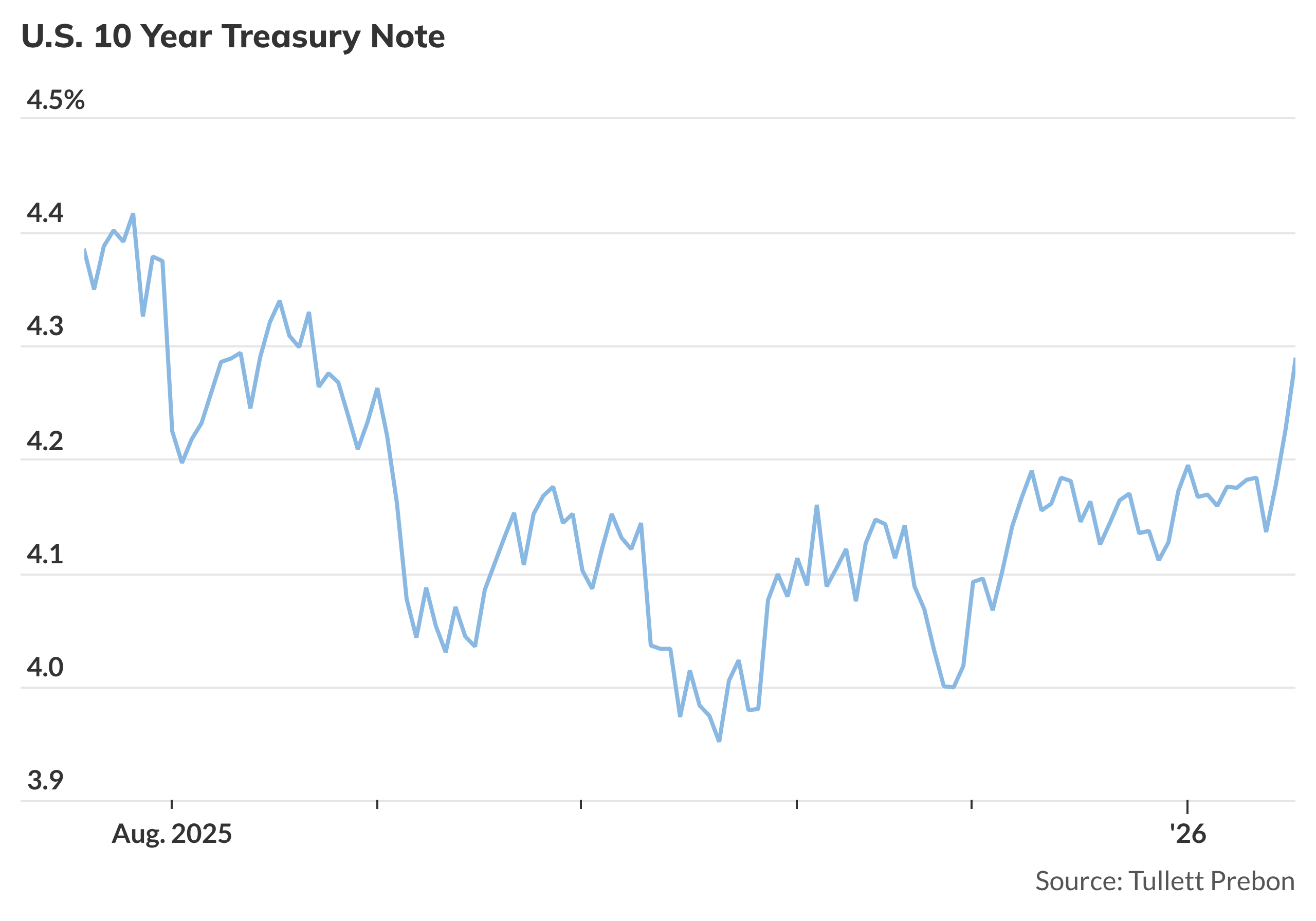
The market's immediate reaction—demonstrated by declining U.S. Treasury yields and investor caution—underscores the broader economic uncertainty. Cross-border sellers must view these developments not just as challenges, but as opportunities to redesign more resilient, adaptable international trade strategies.
Questions 4
How long are these trade tensions expected to last?
Current indications suggest potential escalation through June 1, with tariffs potentially rising from 10% to 25%. Sellers should prepare for a volatile 6-12 month period of diplomatic and economic negotiations.
Which product categories are most vulnerable to these trade tensions?
Electronics, specialty goods, and high-value manufactured products are likely to be most impacted, with potential tariff increases ranging from 10-25% creating significant margin pressure.