
China Rewrites the Rules of Economic Competition
- Strategic policy shift targets destructive workplace dynamics and manufacturing overcapacity
Overview
China is confronting a critical economic inflection point that challenges its long-standing growth model through a comprehensive policy recalibration targeting involution - a systemic condition of diminishing economic returns driven by hyper-competitive workplace cultures.
Strategic Policy Transformation emerges as the core narrative, with the Chinese government actively dismantling the destructive "996" work culture and redirecting industrial strategy toward sustainable, quality-driven development. The government's intervention signals a profound shift from quantity-based to quality-focused economic progression, recognizing that relentless competition no longer guarantees economic advancement.
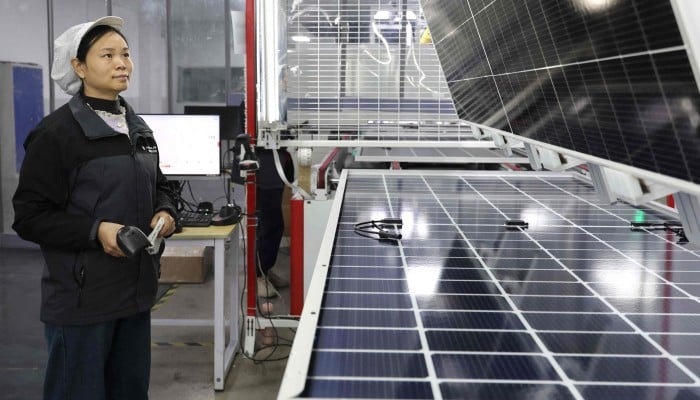
Technological and Regulatory Realignment is particularly noteworthy. China has strategically deployed over half the world's industrial robots since 2021, simultaneously addressing labor force challenges and signaling a technological upgrade path. This isn't merely a technological substitution but a deliberate policy mechanism to rationalize production, reduce human capital strain, and elevate manufacturing capabilities. The policy approach demonstrates a nuanced understanding that economic resilience requires more than raw output - it demands intelligent, sustainable ecosystem redesign.
Market Restructuring Implications extend far beyond domestic boundaries. Cross-border e-commerce sellers and international supply chain managers must anticipate significant reconfiguration. The Chinese government's aim to prevent overcapacity by setting lower output growth targets and promoting domestic consumption represents a fundamental reimagining of industrial policy. This signals a maturation from export-driven to innovation-driven economic strategy, with profound implications for global trade dynamics.
The underlying logic is clear: China is transitioning from an era of unrestrained competition to a more structured, quality-oriented economic model. By addressing involution through targeted policy interventions, the government is essentially rewriting the rules of economic engagement, prioritizing worker well-being, technological innovation, and sustainable growth over pure numerical expansion.
Questions 3
What are the global implications of China's policy changes?
These policy changes will likely restructure global supply chains, impact cross-border e-commerce, and signal a maturation of China's economic model from export-driven to innovation-driven strategies. International businesses must adapt to these emerging dynamics.
How is China transforming its manufacturing strategy?
China is shifting from low-cost, high-volume production to advanced manufacturing focused on quality and innovation. This includes deploying industrial robots, rationalizing production, and setting lower output growth targets to prevent overcapacity.