


Fragile Survival Humanitarian Logistics in Gaza's Food Supply Lifeline
- Precarious Aid Corridors Reveal Complex Humanitarian Supply Chain Challenges














Overview
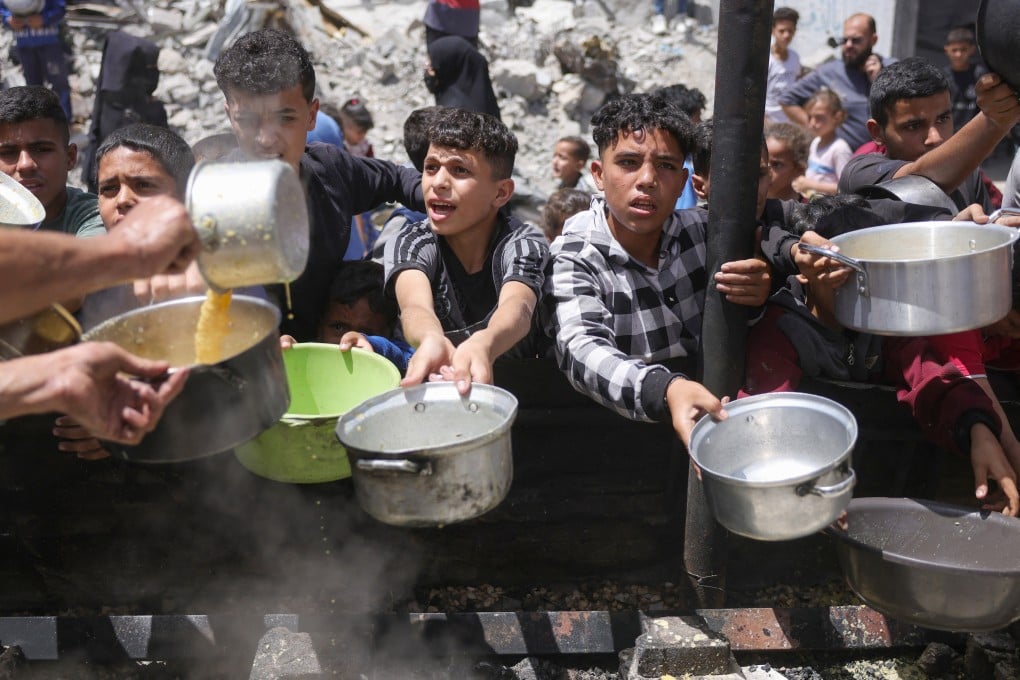
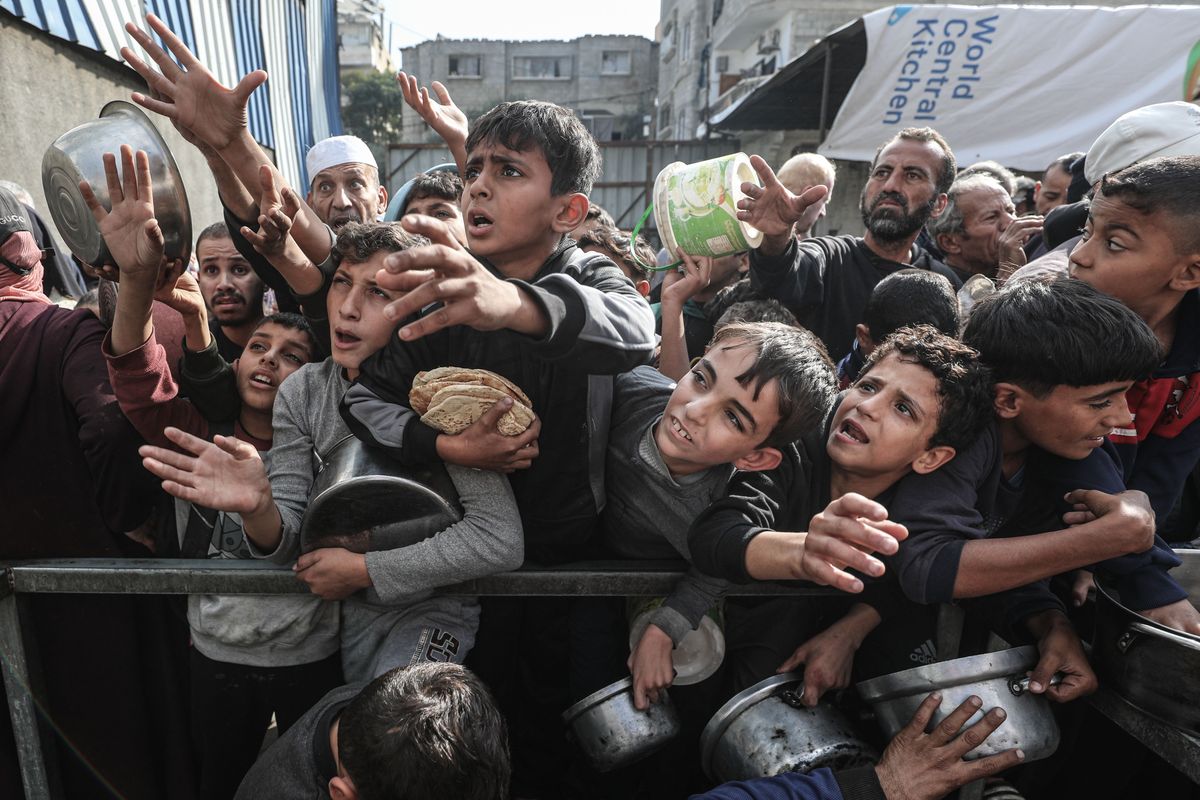
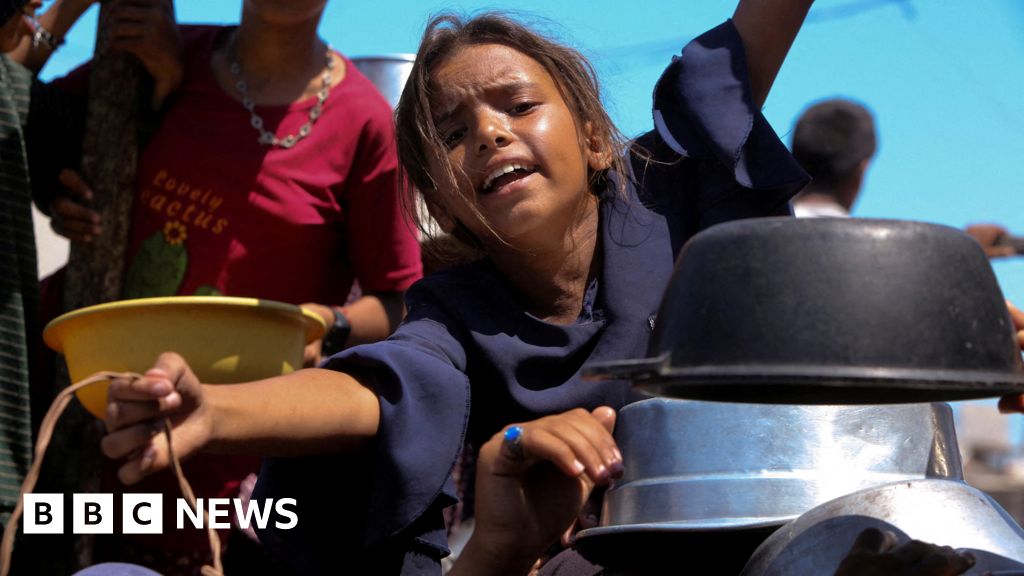
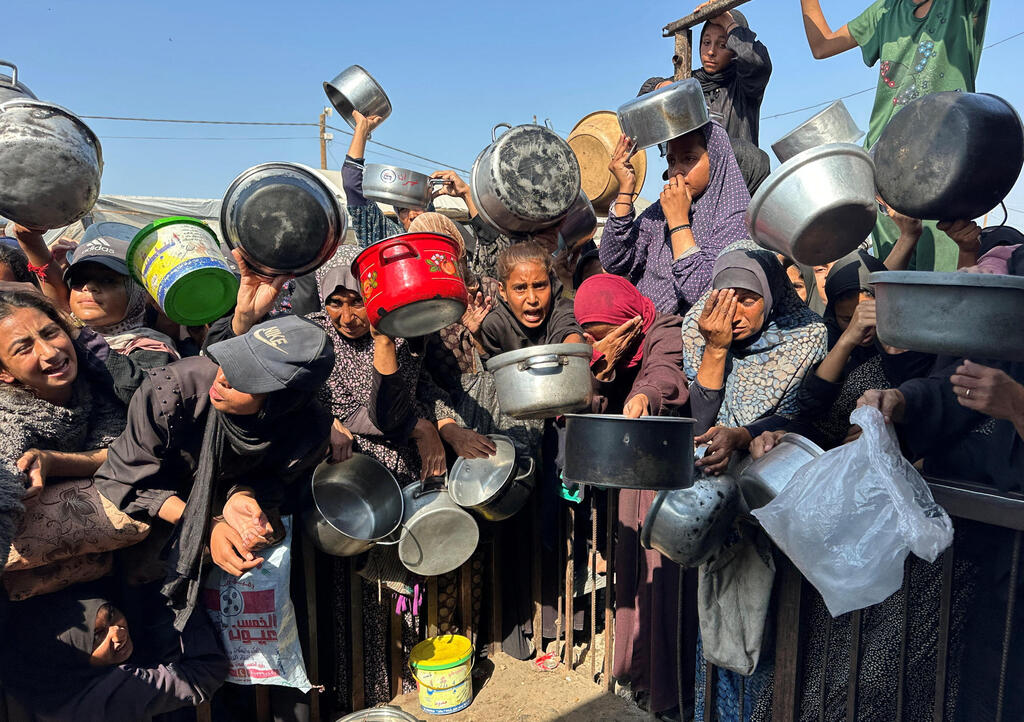
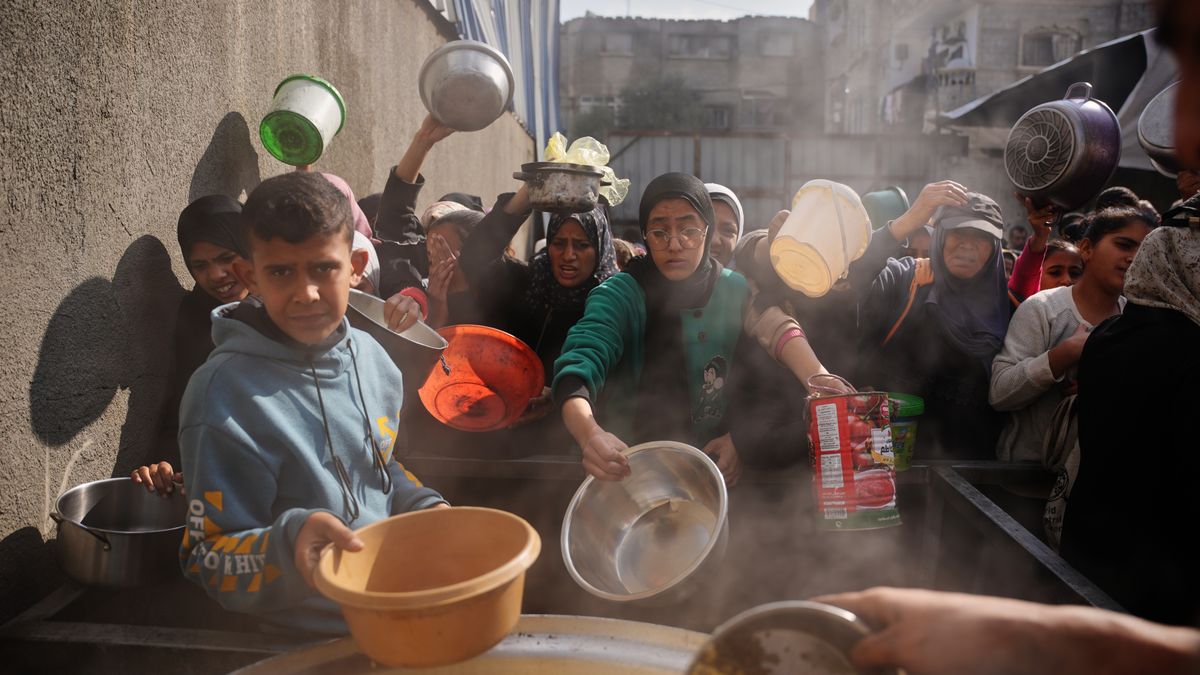
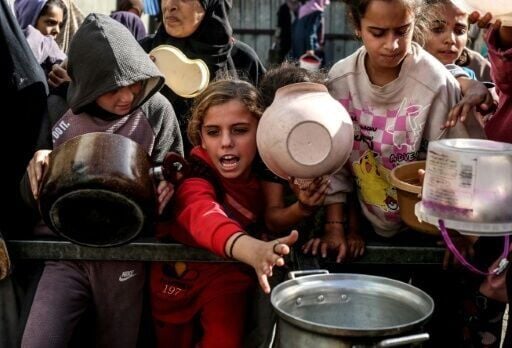
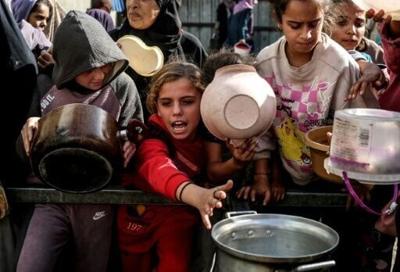
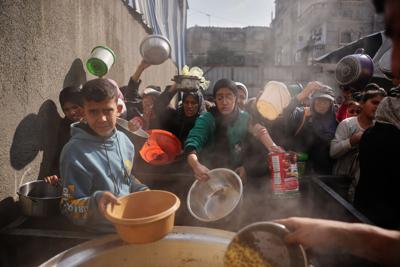
The humanitarian logistics landscape in Gaza represents a critical inflection point in global emergency food distribution, where intricate supply chain dynamics determine human survival. While the Integrated Food Security Phase Classification (IPC) reports that immediate famine has been averted, the underlying infrastructure remains critically vulnerable.
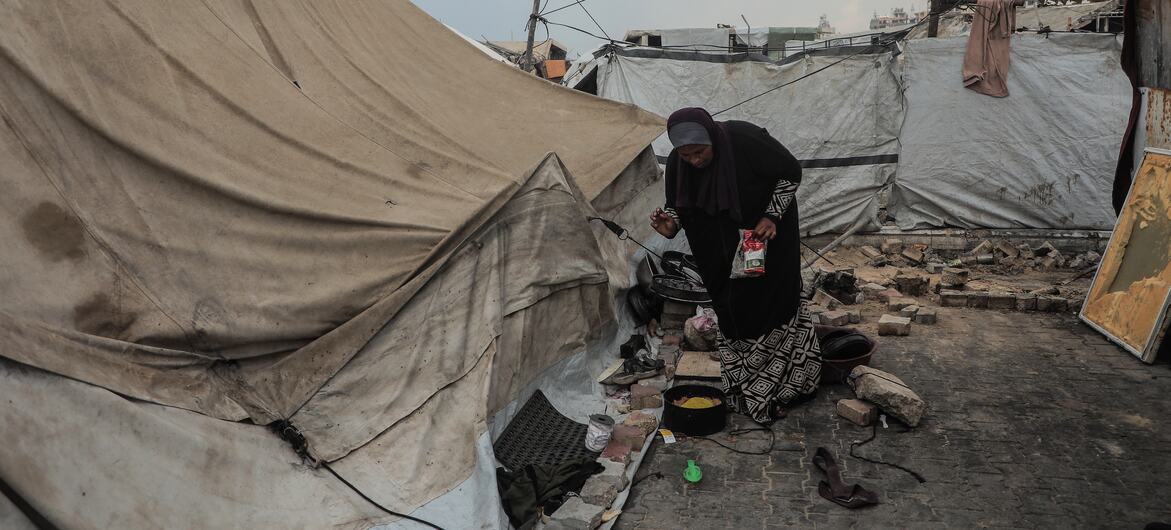
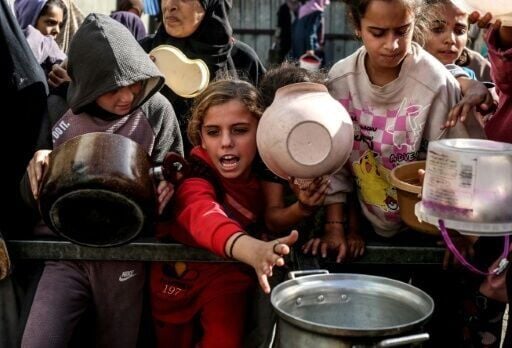
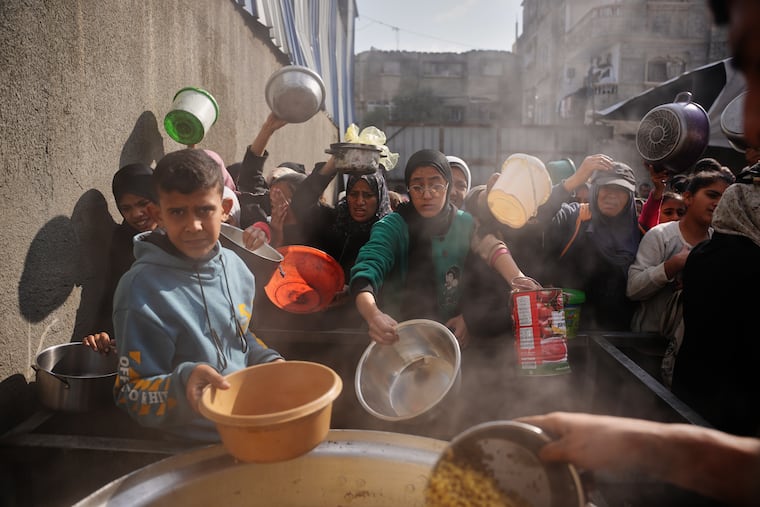
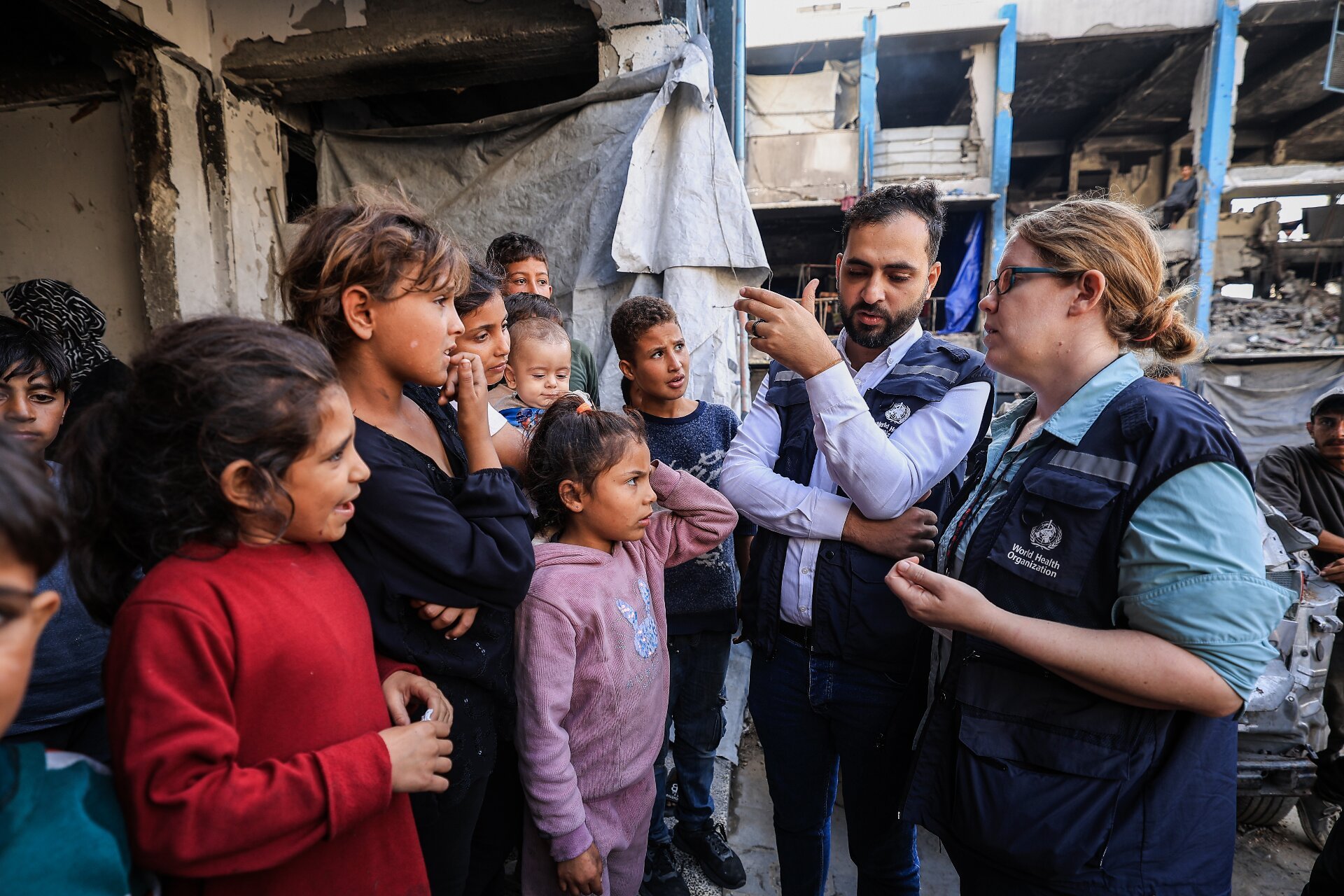
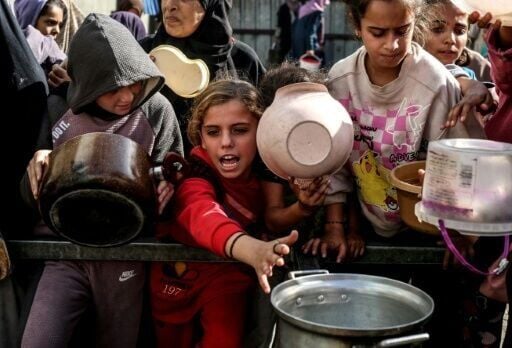
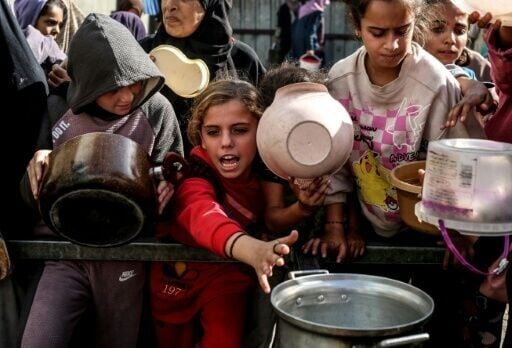
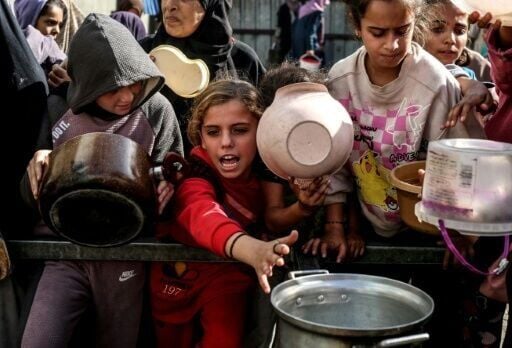
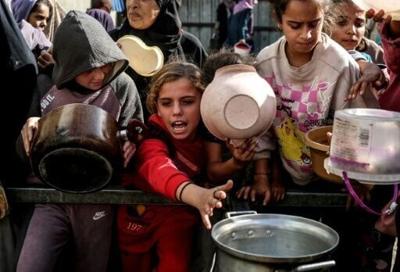
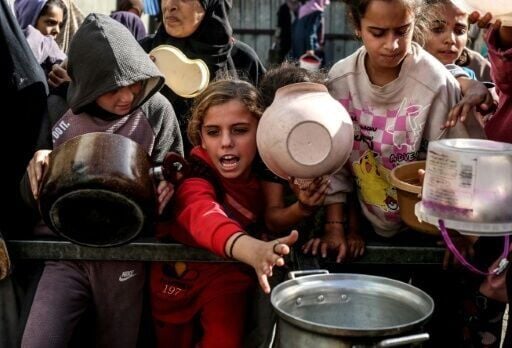
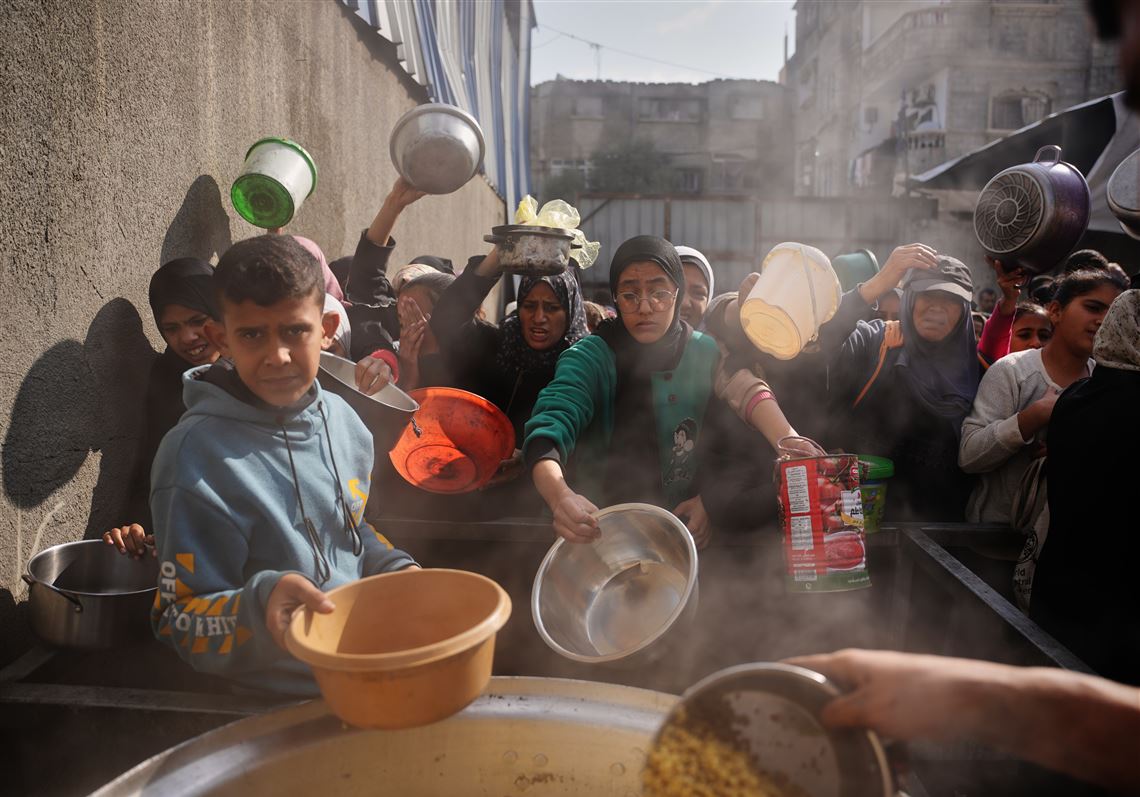
The current situation reveals a complex humanitarian supply chain operating under extreme constraints. Approximately 1.6 million people are experiencing high levels of acute food insecurity, with over 100,000 individuals still facing catastrophic conditions. The logistics challenge is multifaceted: restricted humanitarian access, displacement of 730,000 people, and destruction of 96% of agricultural land create a near-impossible distribution environment.
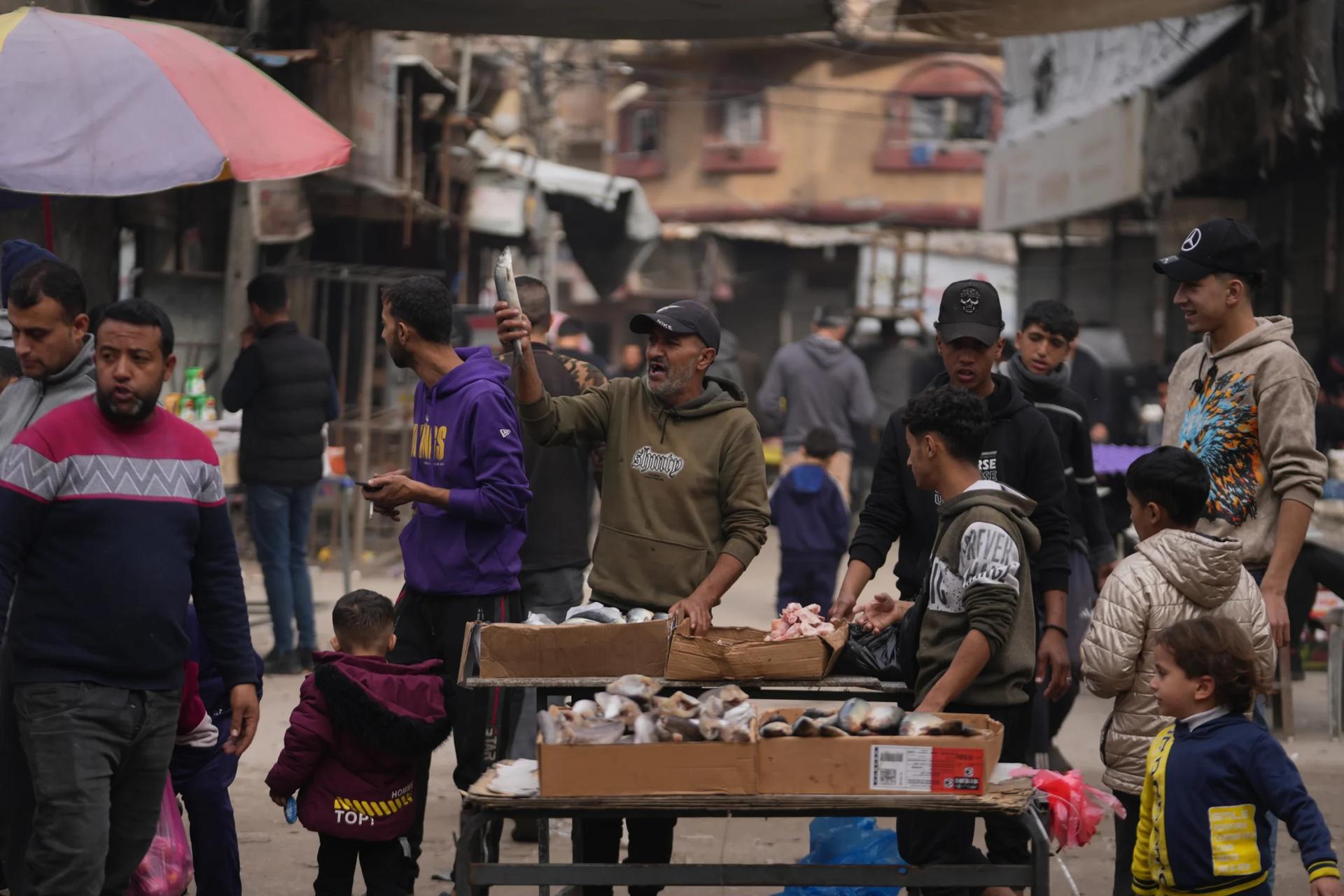
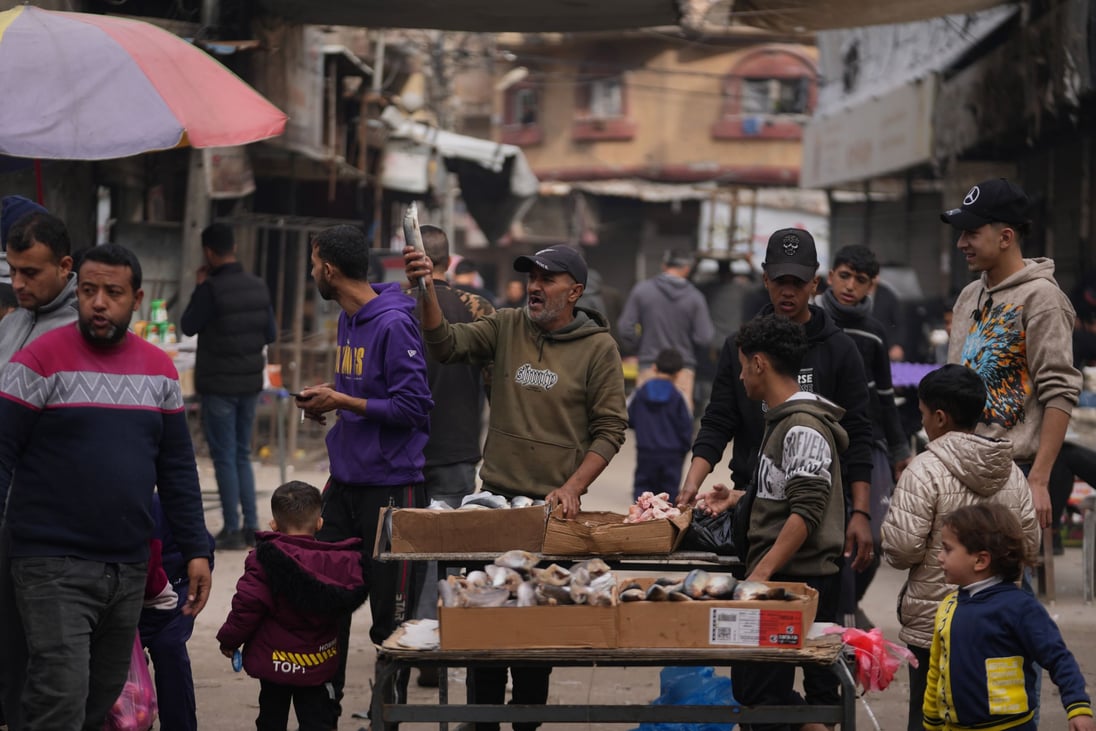
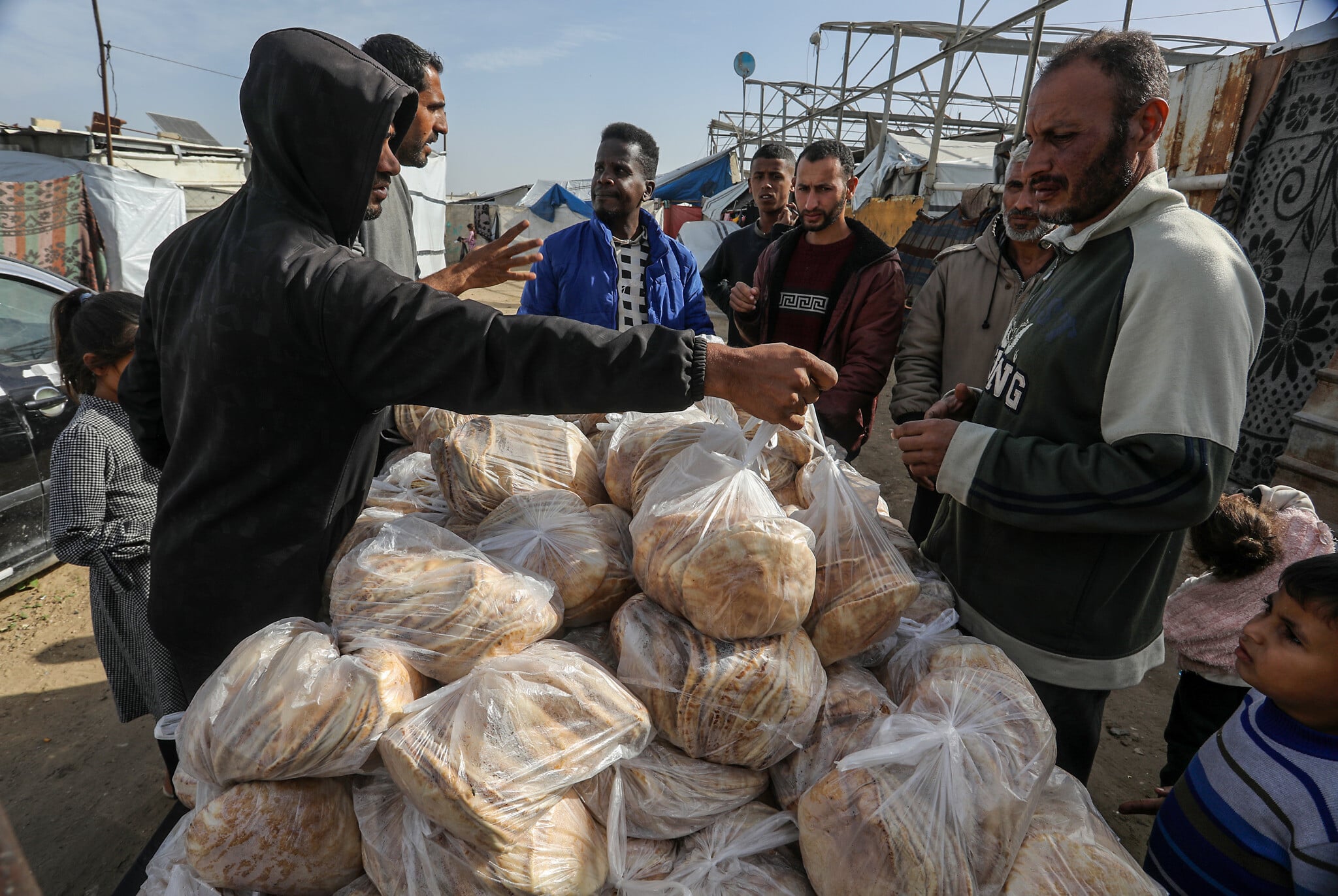
The aid delivery mechanism hinges on delicate negotiations and infrastructure. COGAT claims 500,000 tons of food have entered Gaza since the cease-fire, reporting 600-800 daily aid trucks with roughly 70 carrying food. However, experts emphasize that these volumes represent only basic survival needs, not comprehensive nutritional recovery.
The most critical logistical insight is the fragility of the current system. The IPC projects a potential reduction to just 1,900 severely food-insecure people by April, but warns that renewed hostilities could rapidly return the entire region to famine risk. This highlights the razor-thin margin between humanitarian survival and complete systemic collapse.
Strategic humanitarian logistics now require unprecedented precision: maintaining aid corridors, ensuring consistent food distribution, and creating resilient supply chain redundancies that can withstand potential conflict disruptions. The Gaza situation represents a global case study in extreme emergency logistics, where every truck, every kilogram of food becomes a lifeline.
Questions 3
What are the key challenges in maintaining food distribution in Gaza?
Primary challenges include restricted humanitarian access, massive population displacement, destroyed agricultural infrastructure, and the constant threat of renewed conflict. Logistics teams must navigate complex political negotiations, limited transportation routes, and extremely constrained resources.
What does the IPC projection suggest about future food security in Gaza?
The IPC projects a potential reduction to just 1,900 severely food-insecure people by April, but this is contingent on maintaining the current cease-fire. Any return to hostilities could rapidly destabilize the entire food distribution system, pushing the region back into critical food insecurity.