





Cyber Vulnerabilities Expose Global Diplomatic Tensions in Digital Warfare Era
- Escalating international cyber risks challenge government security infrastructures







































Overview
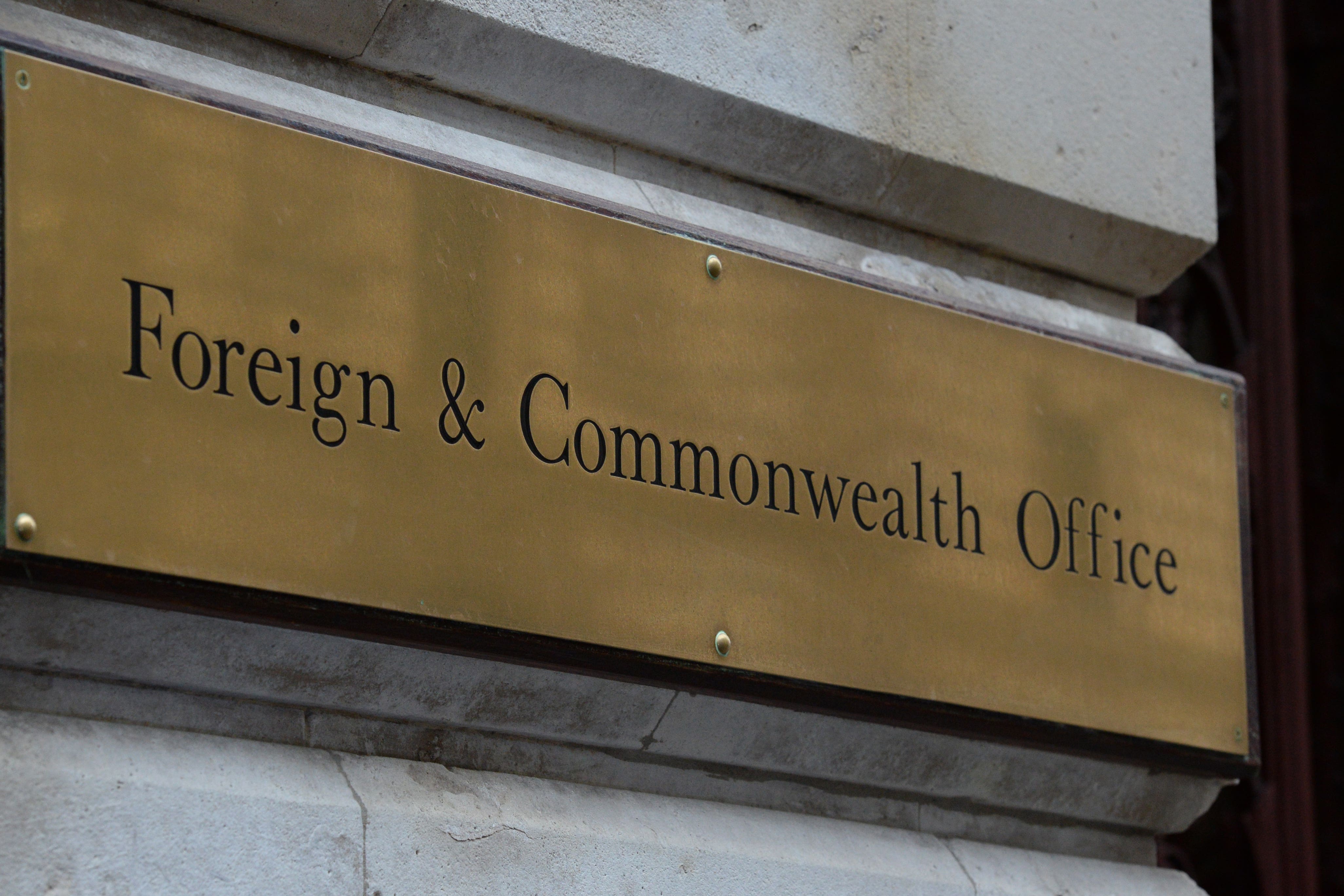
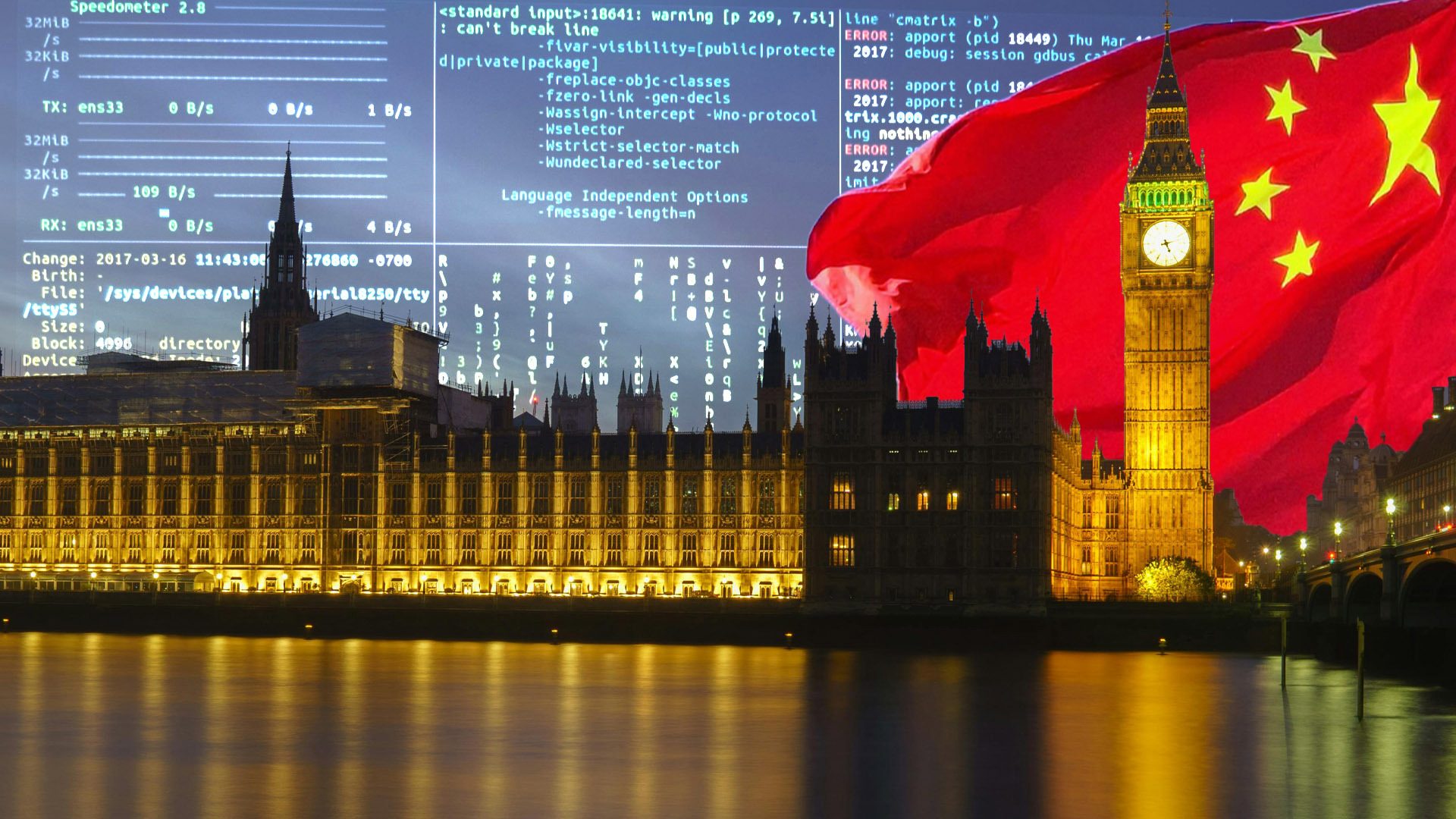
Cybersecurity has emerged as a critical battleground in international relations, with the UK government's October 2025 breach revealing the sophisticated and nuanced landscape of digital national security. The incident, involving a potential cyber intrusion by the Storm 1849 group targeting the Foreign Office systems, underscores a profound shift in geopolitical conflict strategies.
State-aligned hacking represents a new form of diplomatic pressure, where digital infiltration serves as a strategic tool for gathering intelligence and testing governmental resilience. The breach, potentially linked to Chinese cyber actors, occurred during a period of delicate diplomatic negotiations between the UK and China. Notably, the Sun newspaper reported potential access to tens of thousands of visa-related details, highlighting the granular nature of modern cyber espionage.
The strategic implications extend beyond a single incident. Two additional cyber attacks on major British companies (Jaguar Land Rover and Marks & Spencer) in the same year suggest a systematic targeting of UK infrastructure. This pattern indicates a coordinated approach to digital reconnaissance, where state-aligned groups probe governmental and corporate systems for vulnerabilities.
Prime Minister Keir Starmer's measured response—acknowledging national security threats while simultaneously seeking diplomatic engagement—reveals the complex balancing act required in contemporary international relations. The government's quick containment and proactive investigation demonstrate an emerging playbook for handling cyber incidents: rapid response, measured public communication, and strategic diplomatic positioning.
The broader context suggests that cybersecurity has transitioned from a technical challenge to a critical geopolitical strategy. Organizations and governments must now view digital infrastructure not just as a technological asset, but as a dynamic battlefield where information, access, and perception are the primary currencies of conflict.
Questions 3
What makes the UK government cybersecurity breach significant?
The breach represents more than a technical vulnerability—it's a strategic probe demonstrating how state-aligned cyber groups can test governmental resilience and gather sensitive information without traditional military confrontation. The incident reveals the evolving landscape of international conflict where digital access serves as a form of geopolitical pressure.
How are governments responding to increasing cyber threats?
Governments are developing multi-layered response strategies that combine rapid technical containment, measured public communication, and diplomatic engagement. The UK's approach of quickly investigating the breach while maintaining diplomatic channels with potential source countries exemplifies this nuanced strategy.