





Pharmaceutical Trade Diplomacy: How Drug Pricing Became a Strategic Negotiation Lever
- A transformative policy shift redefining cross-border pharmaceutical commerce and healthcare affordability

































Overview
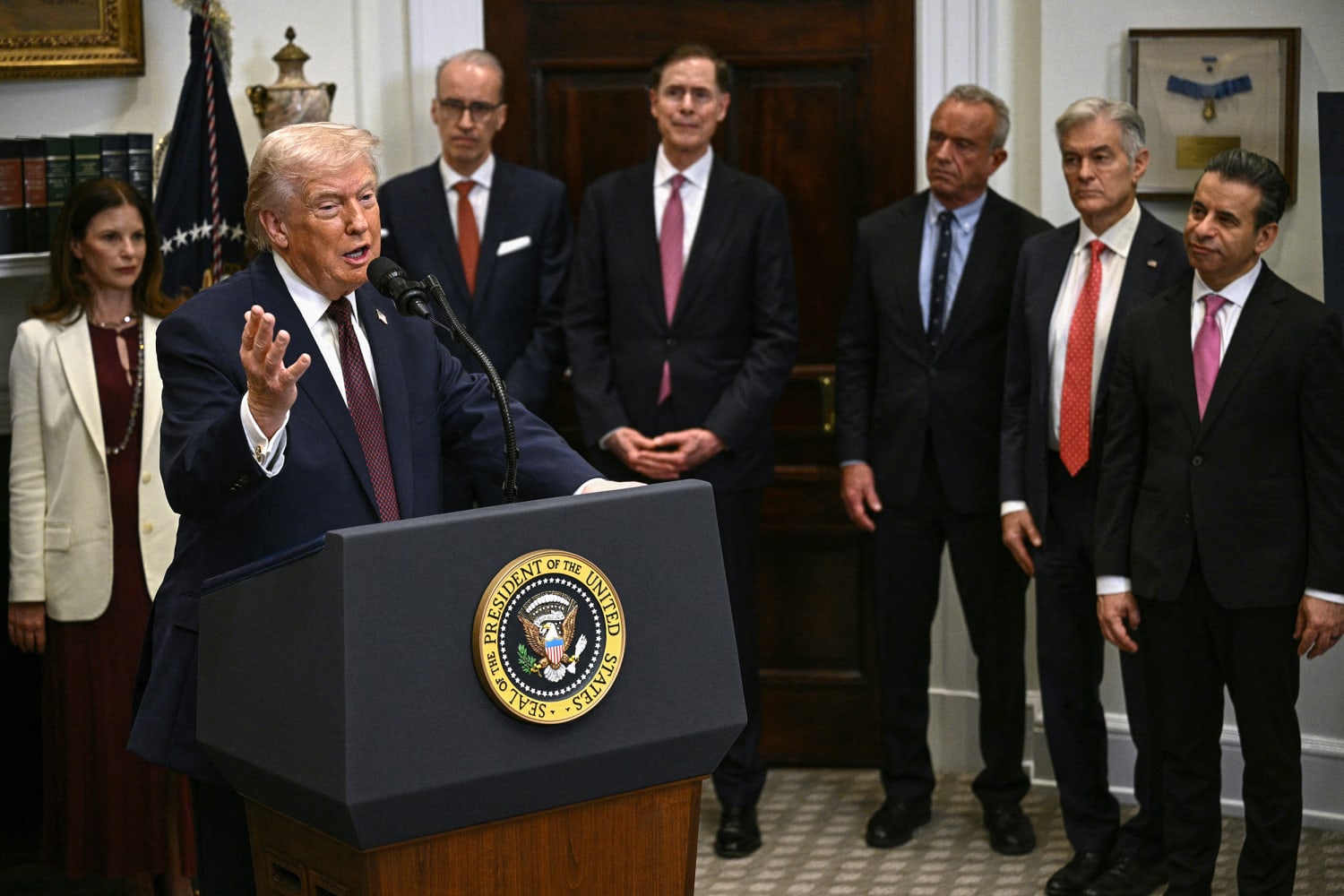
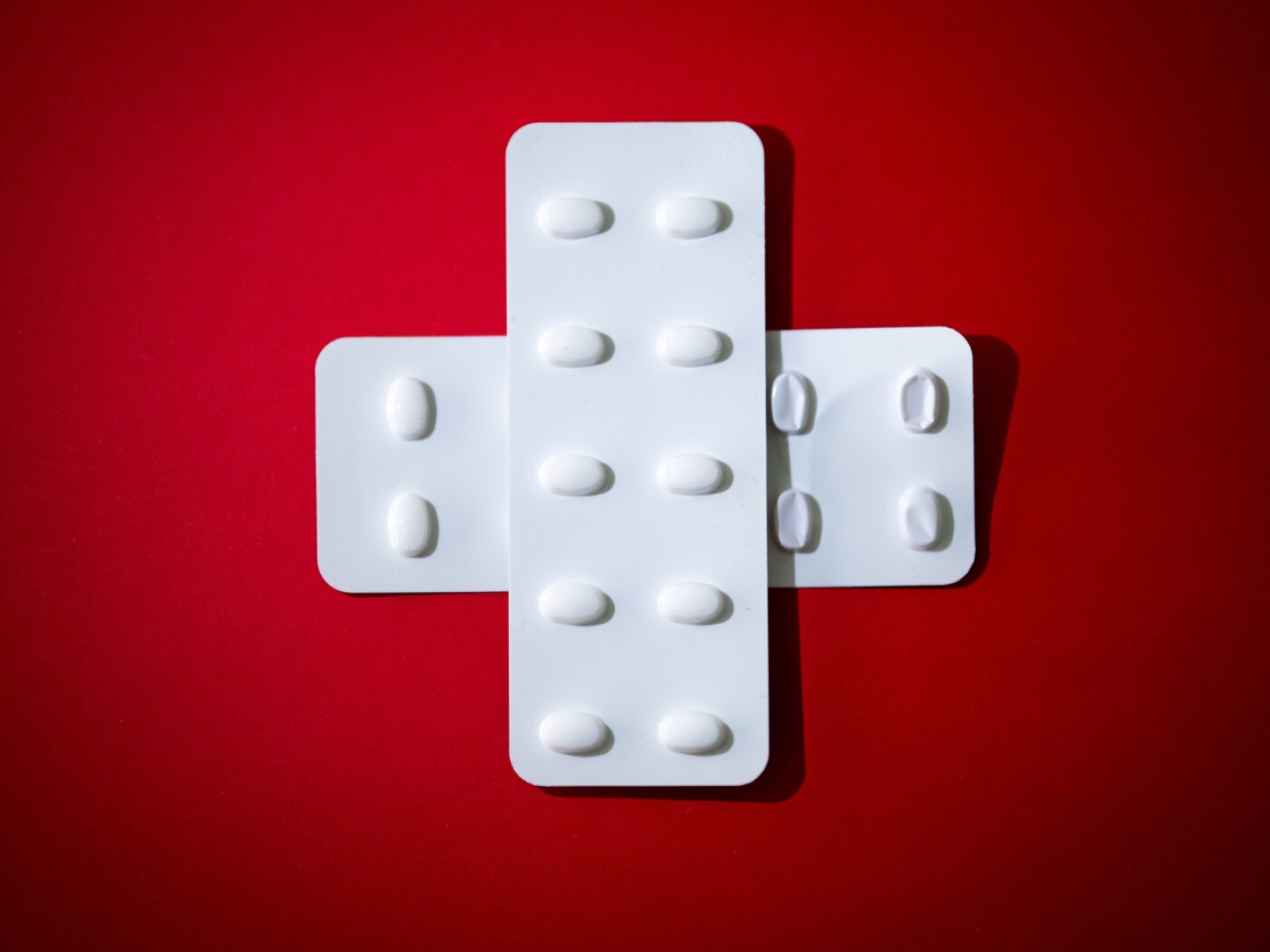
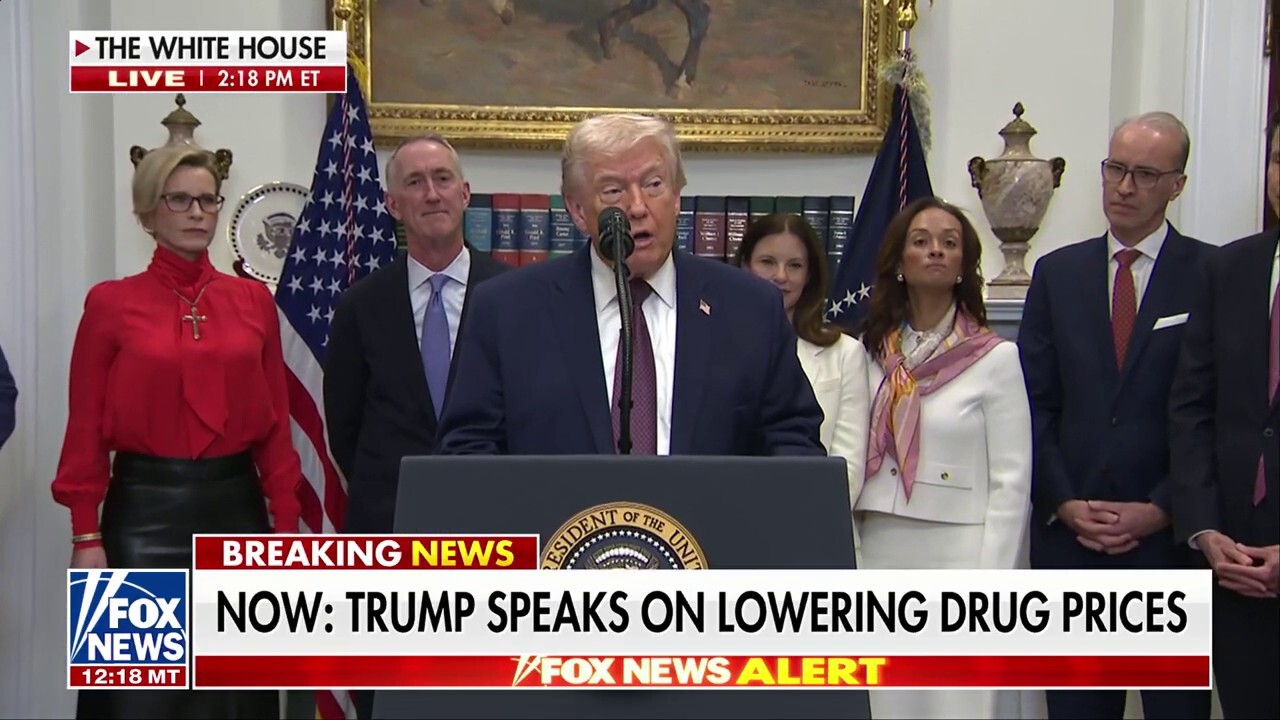
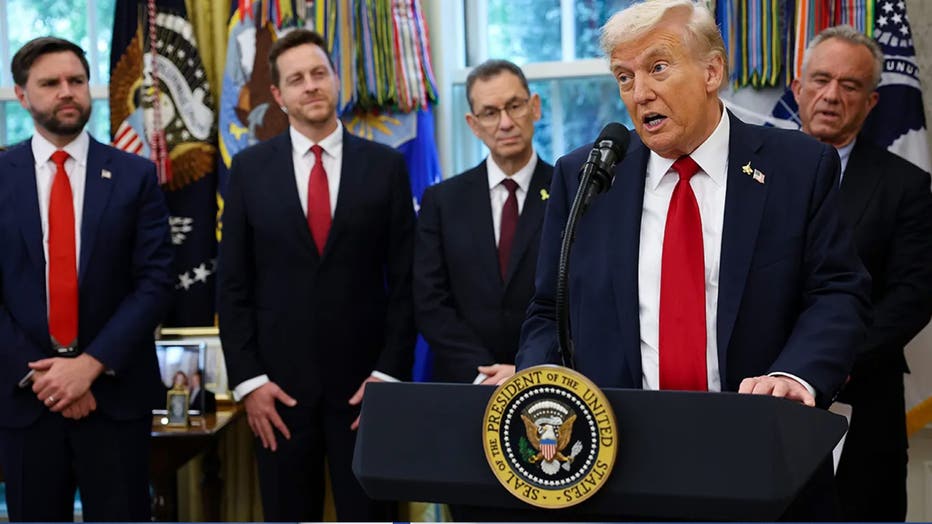
The pharmaceutical landscape is undergoing a profound transformation, where drug pricing has emerged as a critical geopolitical and trade negotiation instrument. President Trump's most-favored-nation pricing initiative represents a watershed moment in pharmaceutical policy, leveraging tariff pressures to systematically reduce medication costs while simultaneously reshaping international trade dynamics.
The strategic brilliance lies in the multilayered approach: pharmaceutical companies receive tangible benefits like three-year tariff exemptions in exchange for voluntary price reductions. For instance, companies like Merck and Gilead are offering dramatic price cuts—Merck's diabetes drug Januvia dropping from $330 to $100, and Gilead's Hepatitis C medication plummeting from $24,920 to $2,425. This isn't merely a pricing adjustment; it's a calculated recalibration of the entire pharmaceutical market ecosystem.
Critically, this initiative transcends traditional healthcare policy. By introducing platforms like TrumpRx and demanding domestic manufacturing investments (totaling $150 billion), the administration is simultaneously addressing drug affordability, national security, and industrial policy. The strategic national ingredients reserve and commitment to domestic pharmaceutical production signal a comprehensive approach to reducing systemic vulnerabilities.
The most significant implication is the emergence of a new negotiation paradigm. Pharmaceutical companies are no longer passive recipients of regulatory mandates but active participants in a complex trade diplomacy framework. By proactively engaging with government pricing pressures, they're maintaining market access while avoiding more stringent interventions. The U.S. market's critical importance—where European pharmaceutical companies generate the majority of their sales—makes these negotiations particularly consequential.
Ultimately, this represents more than a healthcare initiative. It's a sophisticated policy instrument that uses market mechanisms to achieve broader strategic objectives, demonstrating how trade, healthcare, and industrial policy can be seamlessly integrated to create transformative change.
Questions 3
How significant are these price reductions for consumers?
While experts remain skeptical about the broader impact, some specific drug price reductions are dramatic—like Merck's diabetes drug dropping from $330 to $100 and Gilead's Hepatitis C medication falling from $24,920 to $2,425. However, these currently cover only a small percentage of available drugs.
How do these pharmaceutical pricing deals impact global trade dynamics?
These deals represent a sophisticated trade diplomacy approach where drug pricing becomes a negotiation lever. By offering tariff exemptions in exchange for price reductions, the U.S. is creating a market-driven mechanism to reshape pharmaceutical commerce, incentivizing companies to voluntarily adjust pricing strategies.