






Samsung's 2nm Chip Revolution Redefines Mobile Computing Performance
- Semiconductor innovation signals a transformative leap in mobile technology capabilities










Overview
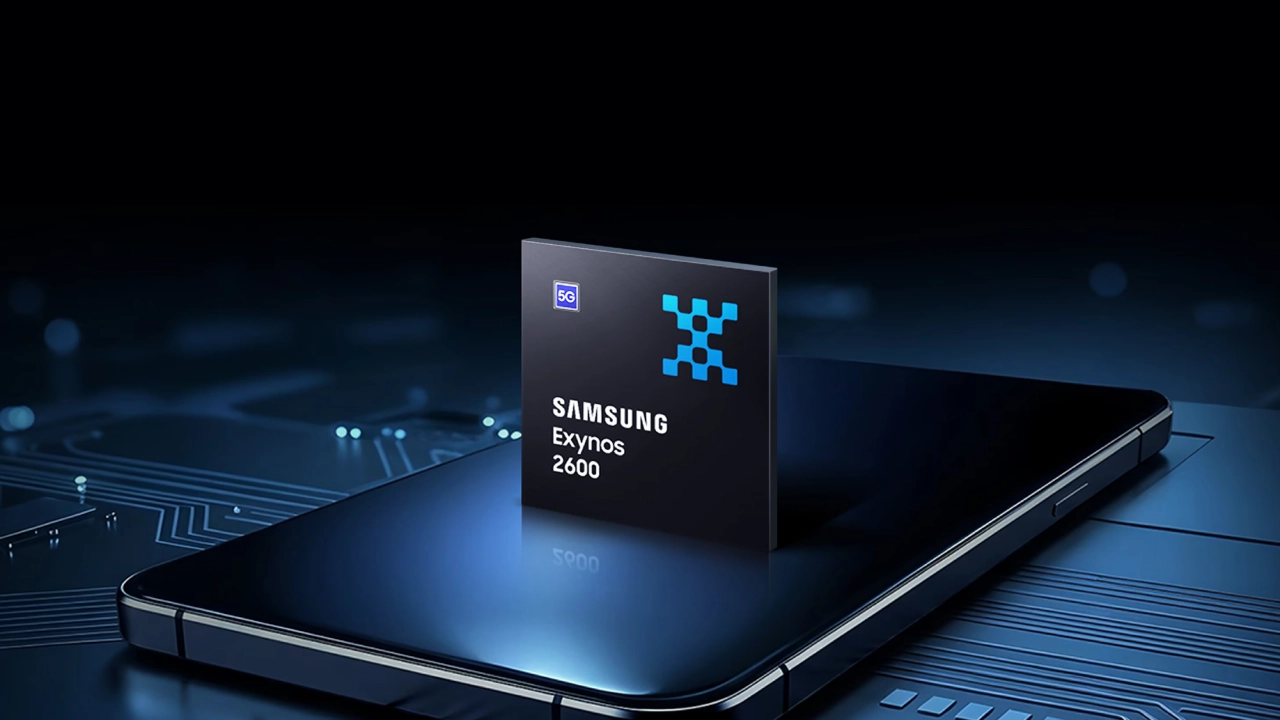
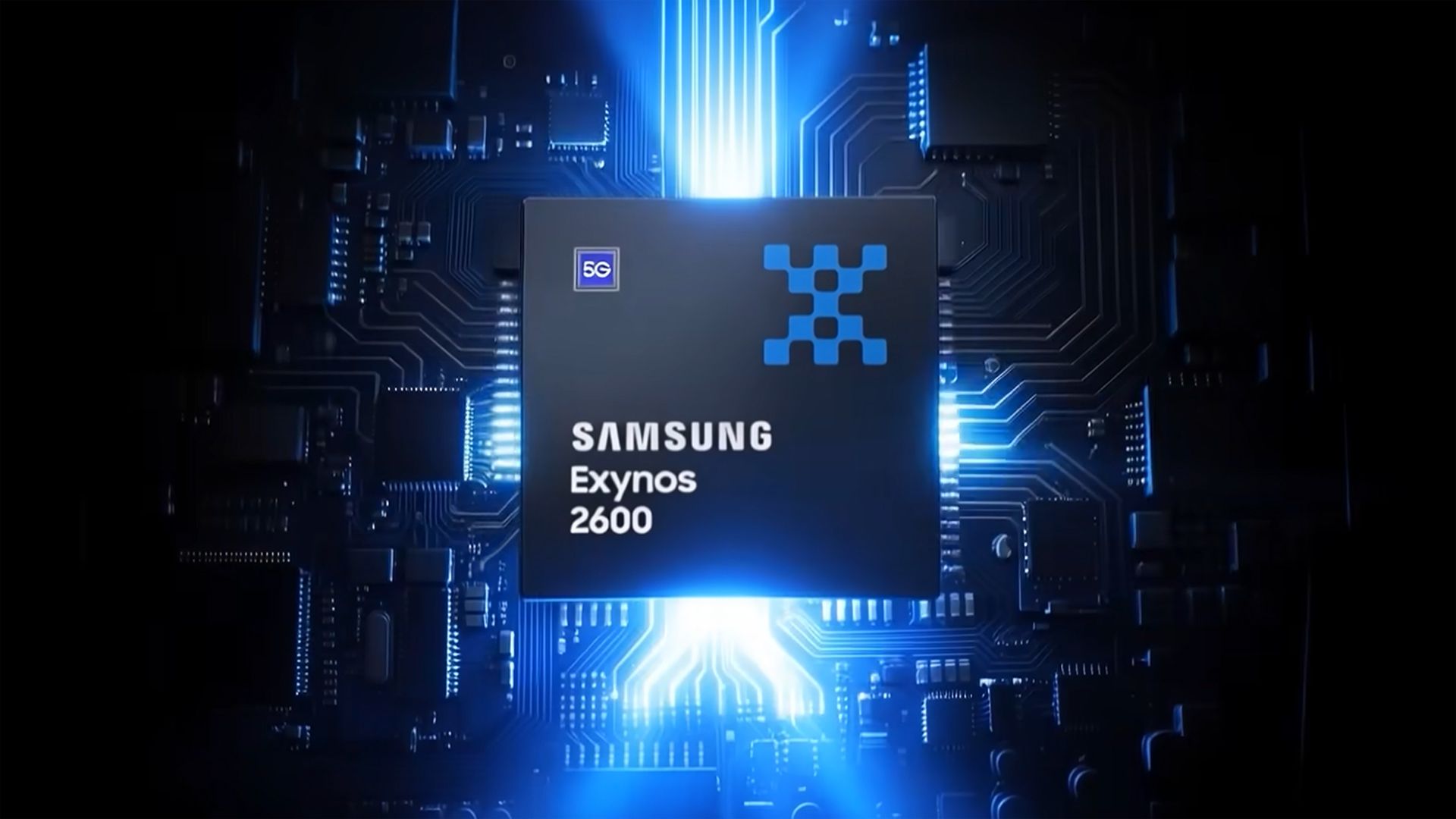
The semiconductor landscape is experiencing a pivotal transformation with Samsung's groundbreaking Exynos 2600 chipset, representing a quantum leap in mobile processor design that could fundamentally reshape technological expectations. By introducing the world's first 2nm manufacturing process, Samsung has strategically positioned itself at the cutting edge of semiconductor technology, potentially disrupting the entire mobile computing ecosystem.
Technological Breakthrough: The Exynos 2600 is more than an incremental upgrade—it's a radical reimagining of mobile processor architecture. By eliminating low-power cores and focusing exclusively on performance, Samsung has engineered a chipset delivering up to 39% CPU performance improvement and double the GPU performance compared to previous generations. The innovative Heat Path Block (HPB) design specifically addresses historical thermal performance challenges, a critical pain point in mobile computing.
While competitors like Qualcomm, MediaTek, Apple, and Google remain anchored to 3nm processes, Samsung's 2nm Gate-All-Around (GAA) technology represents a strategic inflection point. This technological leap theoretically offers superior performance and energy efficiency, potentially creating a significant competitive advantage in the mobile semiconductor market. The development signals Samsung's commitment to vertical integration and custom silicon development, positioning the company as a potential leader in next-generation mobile computing capabilities.
The implications extend far beyond raw performance metrics. By pushing semiconductor boundaries, Samsung is essentially rewriting the rules of mobile device potential. The Exynos 2600 suggests a future where mobile devices can approach computational capabilities previously reserved for high-end desktop systems, with unprecedented energy efficiency.
Strategic Recommendation: Technology leaders and device manufacturers should closely monitor this development. Samsung's breakthrough could trigger a new arms race in semiconductor design, potentially accelerating AI capabilities, computational photography, and mobile computing performance across the entire technology ecosystem.
Questions 4
How does this impact the broader mobile technology ecosystem?
This breakthrough could trigger a new semiconductor arms race, potentially accelerating AI capabilities, computational photography, and mobile device performance. Competitors will likely be forced to rapidly innovate to catch up with Samsung's technological advancement.
What are the potential long-term implications of 2nm technology?
2nm technology suggests mobile devices could approach computational capabilities previously limited to desktop systems, with unprecedented energy efficiency. This could fundamentally transform expectations for mobile computing power and device capabilities.