


The Great AI Shortcut Rebellion: How Consumer Pushback is Reshaping Tech Integration
- Consumer control emerges as critical battleground for AI-powered device manufacturers













Overview
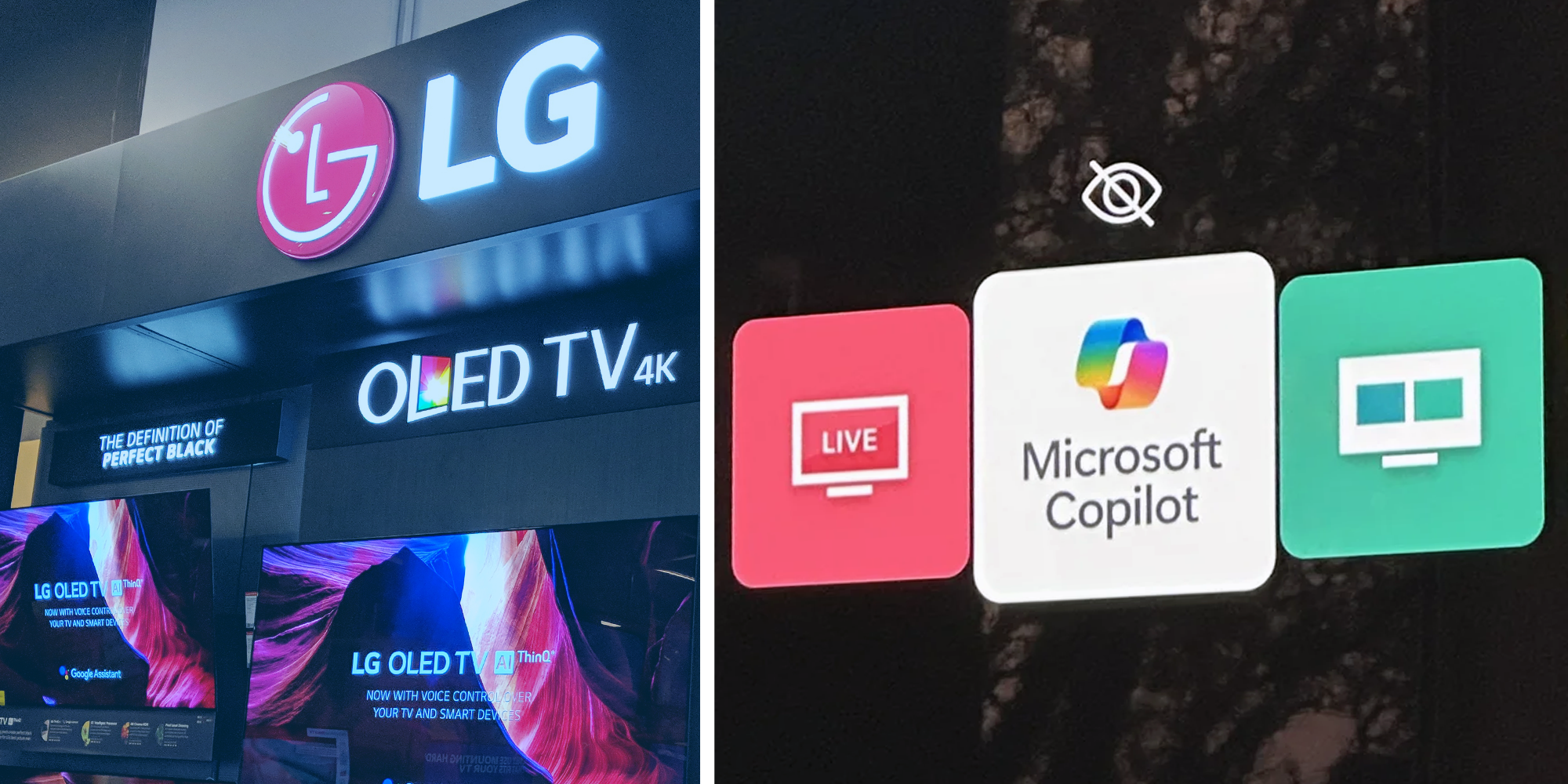
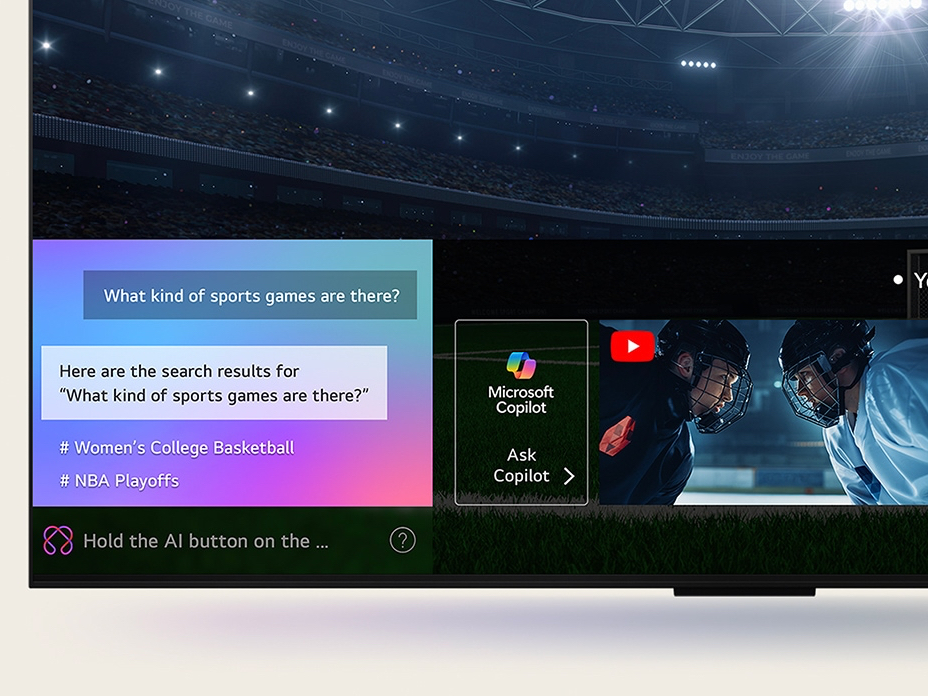
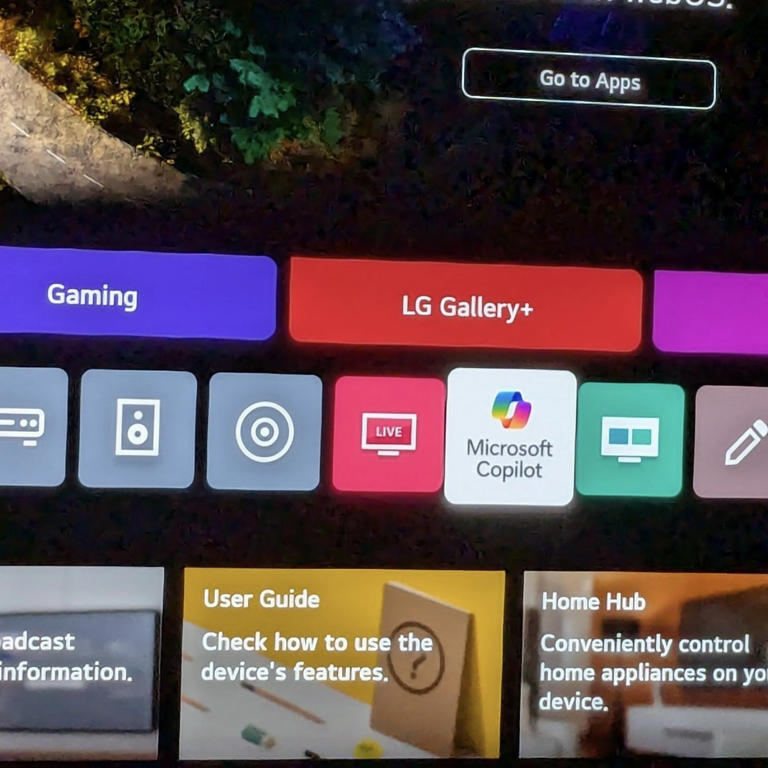
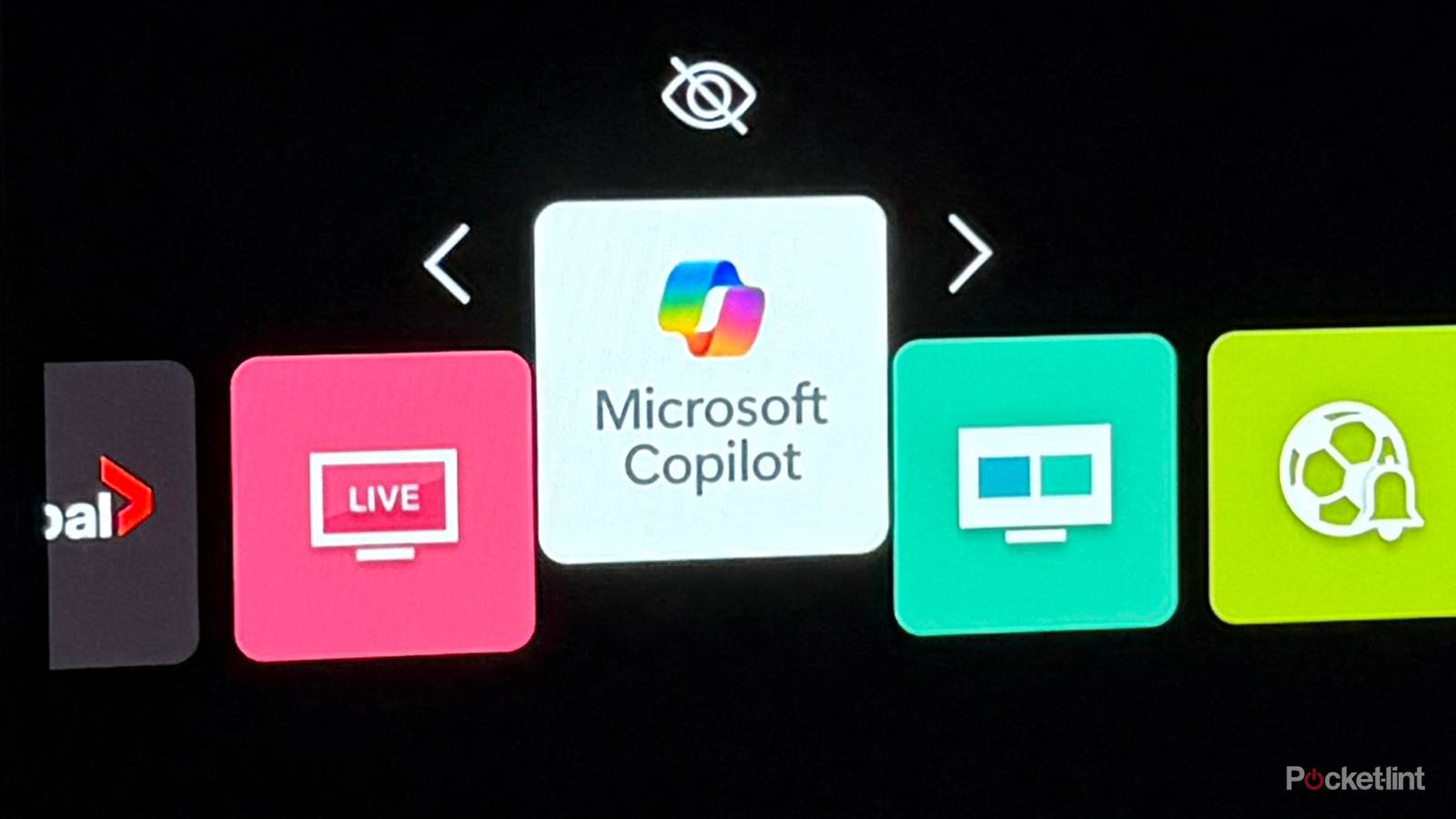
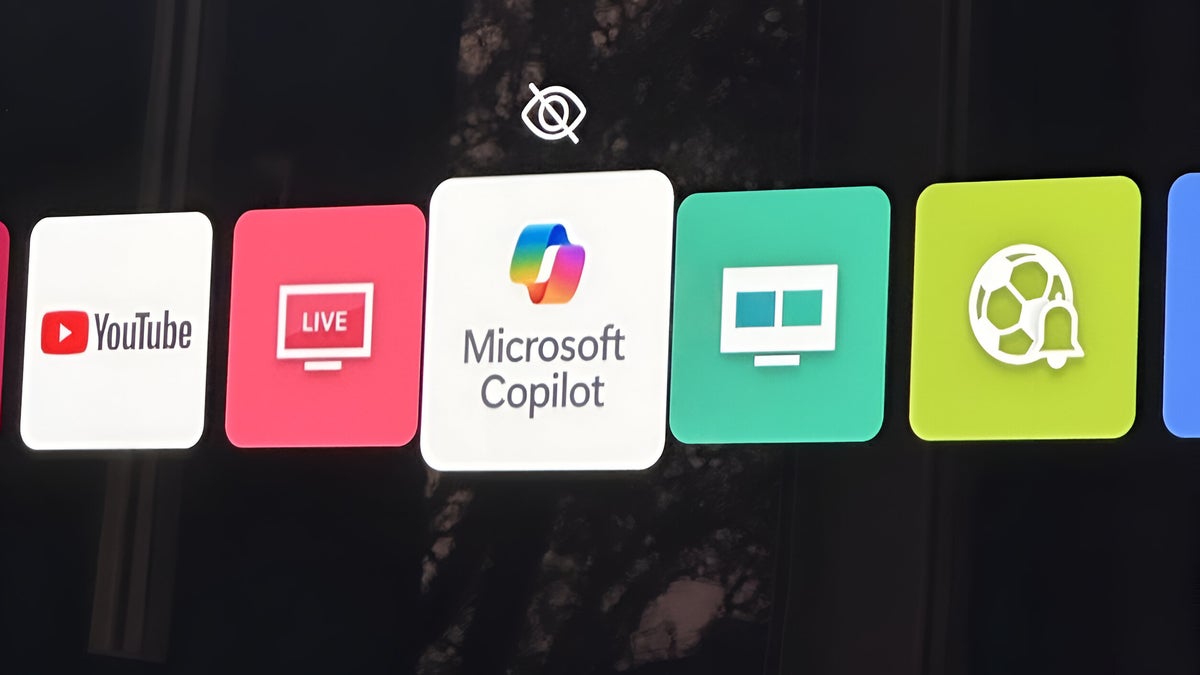
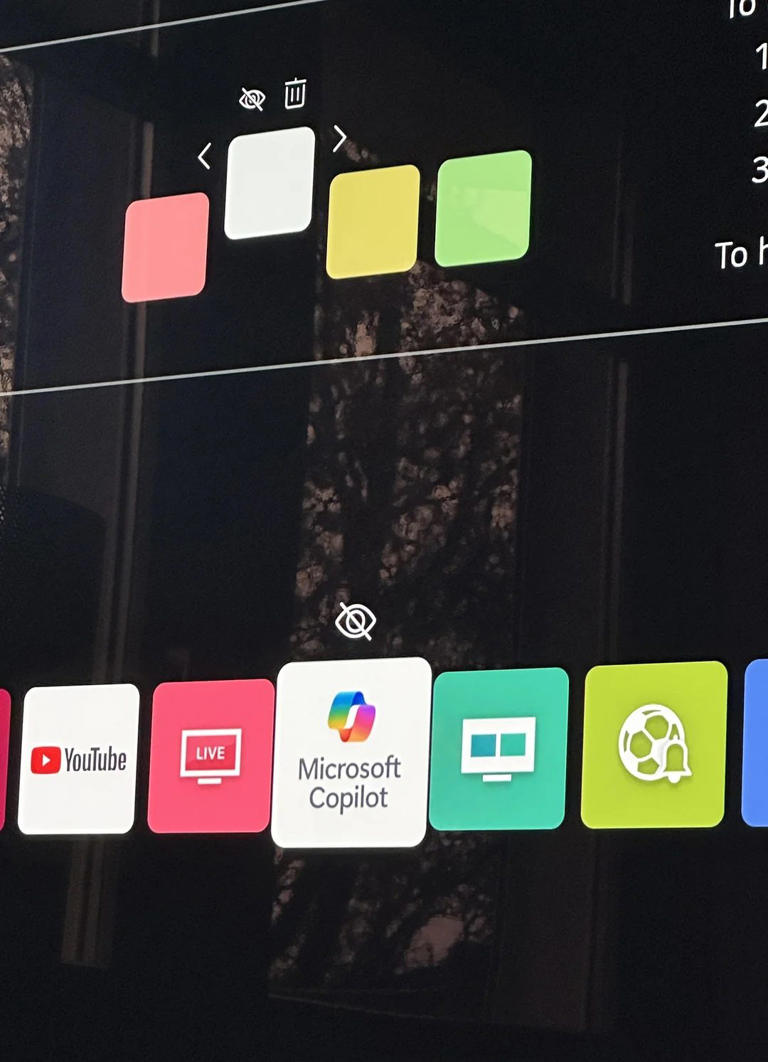
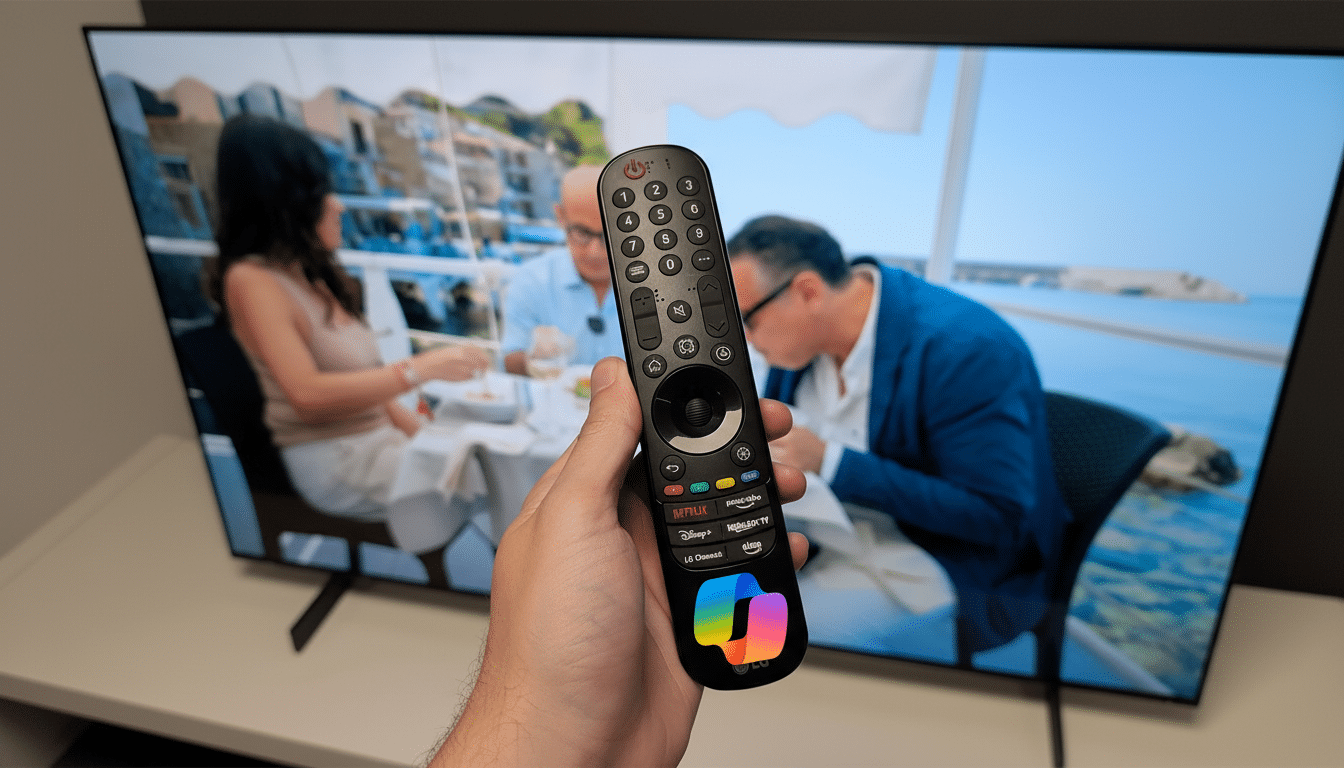
The unexpected Microsoft Copilot shortcut on LG smart TVs represents a pivotal moment in the evolving relationship between technology companies and consumers. What initially appeared to be a routine software update has transformed into a critical test of user autonomy in an increasingly AI-driven ecosystem.
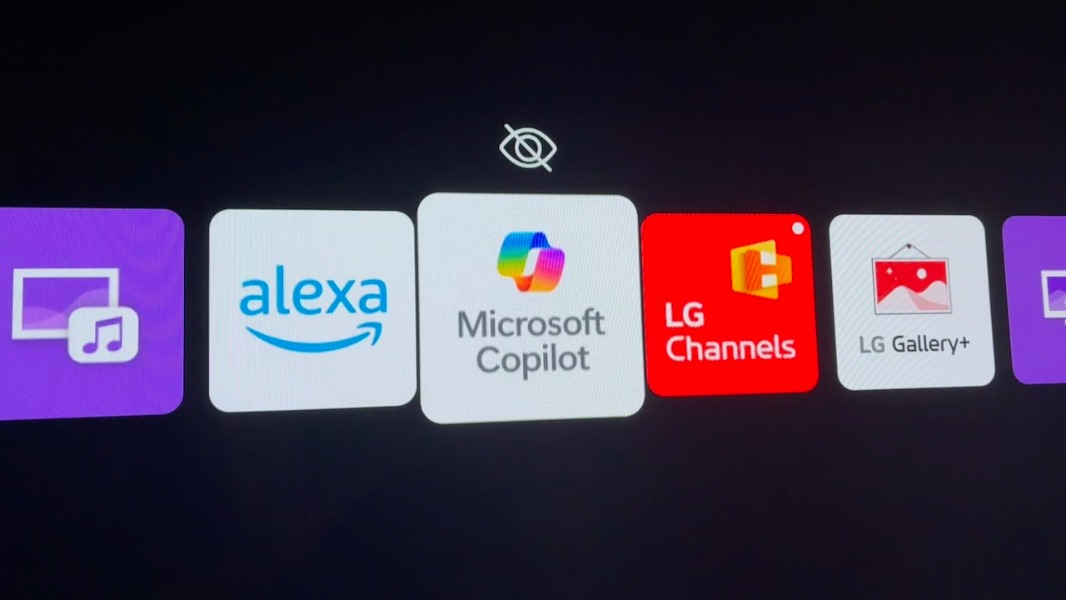
Consumer sovereignty has emerged as the central battlefield, with LG's rapid response revealing the growing power of user feedback in technology design. The unremovable Copilot shortcut triggered a significant backlash that forced an immediate corporate recalibration. This incident exposes a fundamental tension: technology companies' aggressive AI integration versus consumers' desire for device control.
The strategic implications are profound. Smart device manufacturers are now confronting a new paradigm where pre-installed features can no longer be unilaterally imposed. LG's decision to allow shortcut deletion signals a critical pivot—acknowledging that user trust is more valuable than forced technology adoption. Samsung's similar AI integration approach suggests this is not an isolated incident but an emerging industry-wide challenge.
Critically, the controversy reveals deeper dynamics in consumer electronics innovation. AI is no longer just a feature but a potential intrusion, with users demanding granular control over their technological experiences. The incident demonstrates that successful AI integration requires not just technological sophistication, but nuanced understanding of user preferences and psychological boundaries.
For technology companies, the lesson is clear: user consent is the new currency of digital innovation. Forced integrations risk significant brand erosion, while thoughtful, transparent approaches can transform potential friction into customer loyalty. The Copilot shortcut saga is less about a single software update and more about the evolving social contract between technology providers and consumers in an AI-powered world.
Questions 3
How might this affect future AI integrations in consumer devices?
Tech manufacturers will likely develop more nuanced strategies for introducing AI features, including clearer communication, explicit consent mechanisms, and easier customization options. The incident sets a precedent for user-centric technology design in an AI-driven ecosystem.
Why did LG initially include the Microsoft Copilot shortcut?
LG likely viewed the Copilot shortcut as a value-added feature to enhance smart TV functionality, positioning AI as a differentiator in the competitive consumer electronics market. However, the lack of user choice triggered significant pushback, revealing the critical importance of user consent in technology integration.