



Kansas Outmaneuvers Missouri in High-Stakes NFL Stadium Relocation Battle
- A strategic economic development play reshaping interstate sports infrastructure competition





























Overview
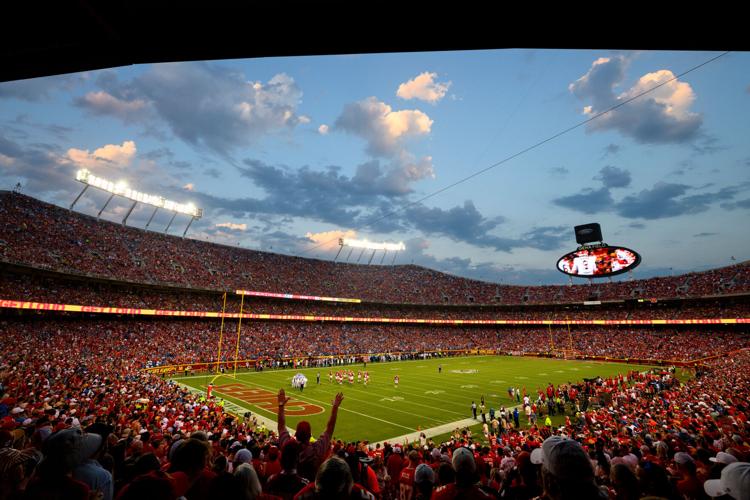
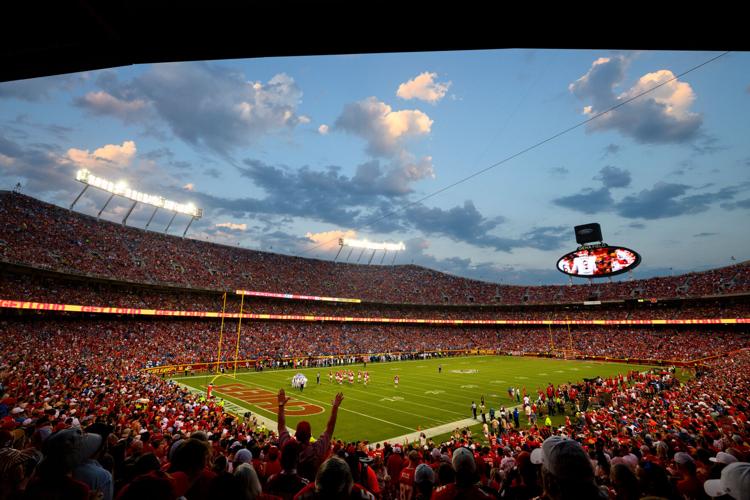
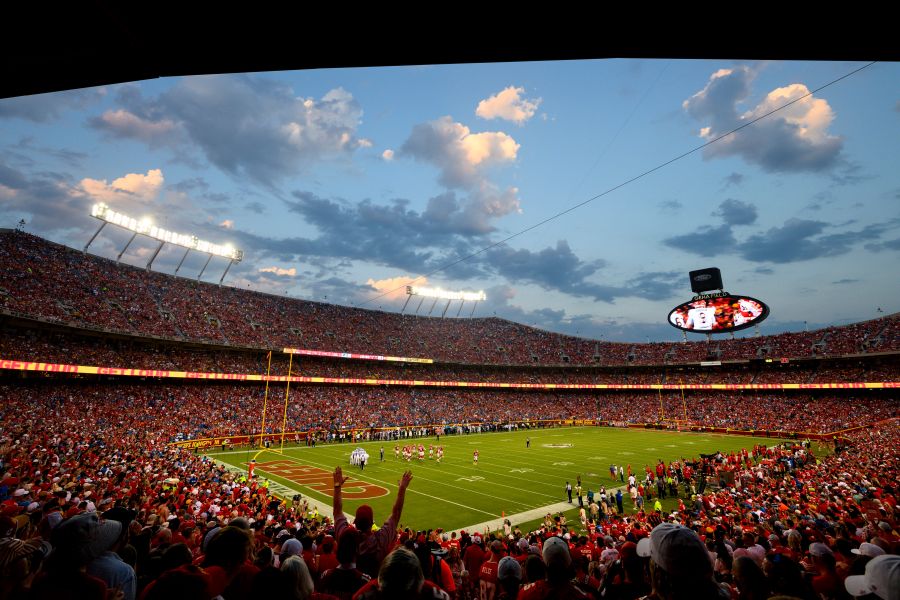
The potential relocation of the Kansas City Chiefs represents a pivotal moment in state-level economic development strategies, where aggressive financial engineering meets sports franchise negotiations. Kansas has positioned itself as a masterful economic opportunist, leveraging STAR Bond financing to potentially secure a billion-dollar stadium project that Missouri failed to protect.
The core dynamics reveal a sophisticated economic chess match. Missouri's critical misstep came when voters rejected a sales tax extension in April 2024, effectively opening the door for Kansas to swoop in with a more attractive proposal. Kansas lawmakers have crafted a compelling incentive package, offering to cover up to 70% of the stadium development through strategic bond mechanisms, compared to Missouri's less competitive 50% proposal.
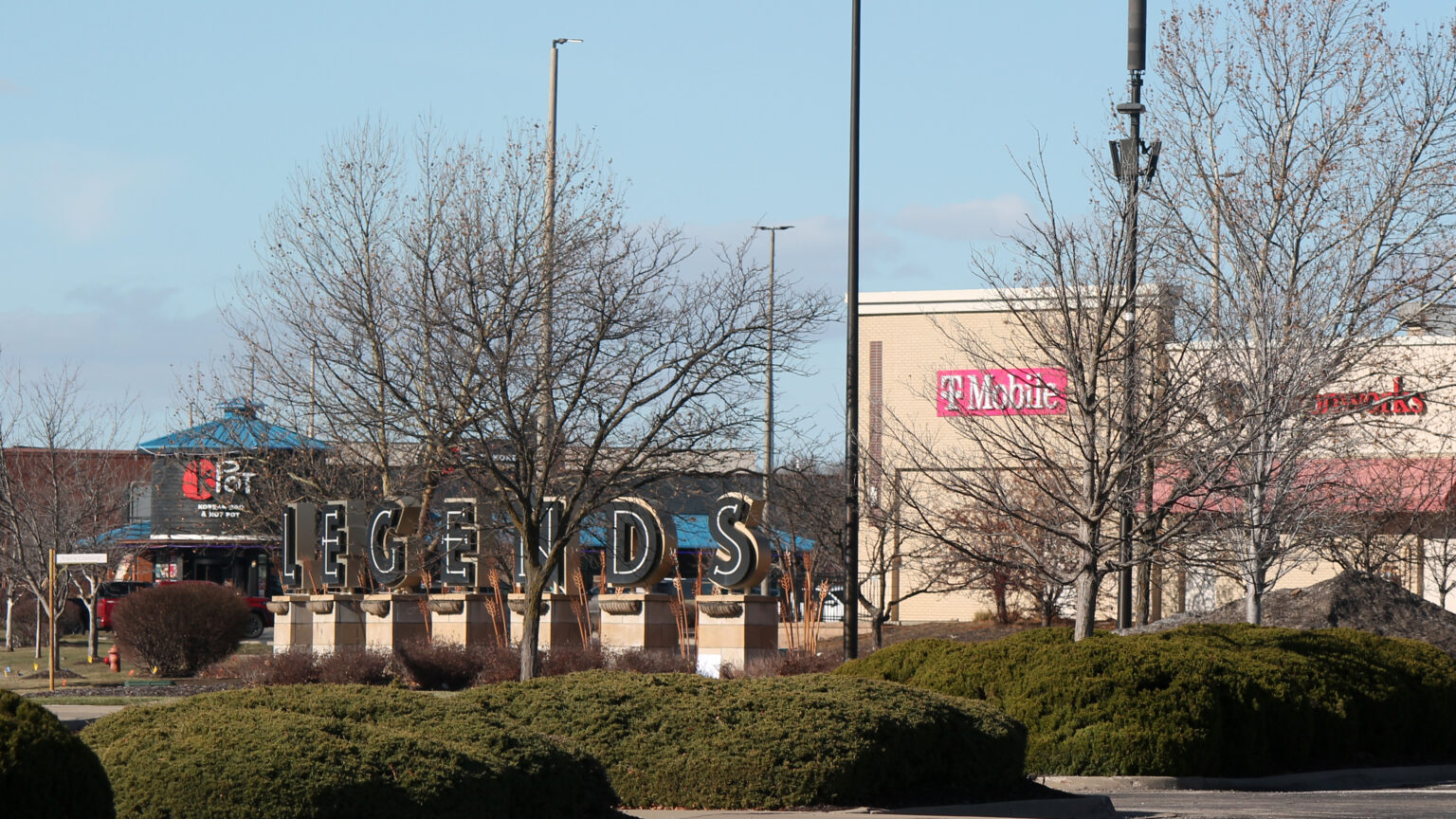
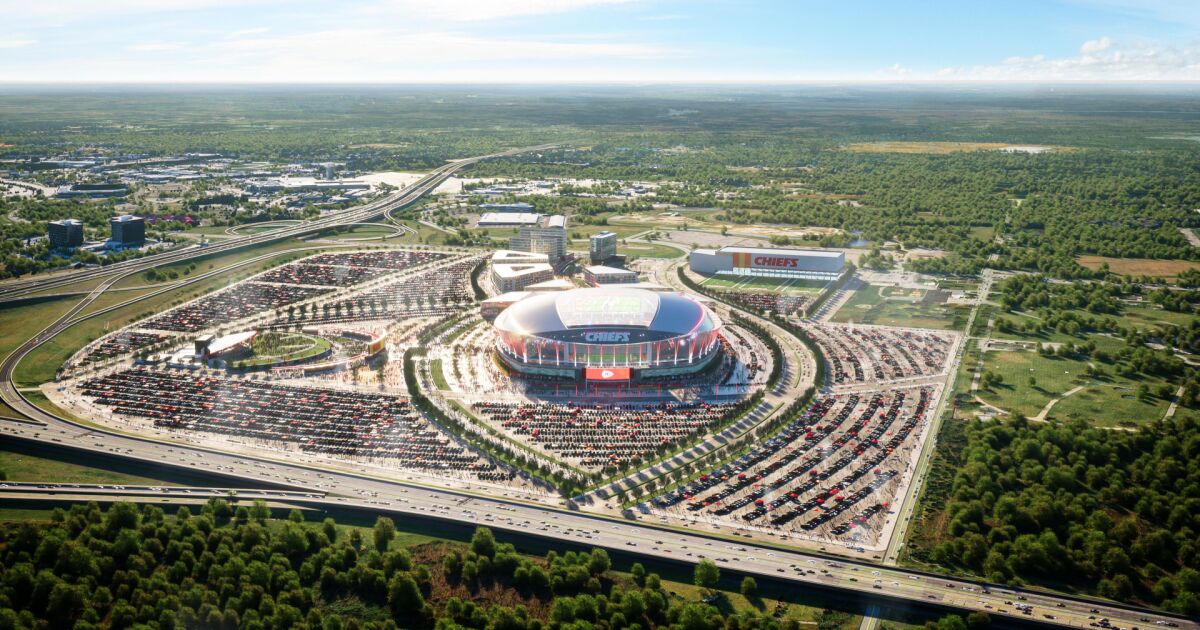
The proposed stadium location near The Legends development represents more than just a sports infrastructure project. It's a calculated regional economic development strategy, strategically positioned at the intersection of Interstate 435 and 70, with proximity to existing commercial infrastructure like the Kansas Speedway. The Kansas Department of Commerce has been particularly astute, describing this potential move as a "massive economic win" that goes far beyond simply hosting an NFL team.
What makes this negotiation fascinating is the intricate legislative dance. The Legislative Coordinating Council (LCC) meeting scheduled for Monday becomes a critical procedural inflection point. With five of eight members required to approve the plan, the stakes are extraordinarily high. The December 31st STAR Bond deadline adds urgency, creating a narrow window of opportunity that Kansas is strategically navigating.
The Chiefs' current lease expires in 2031, providing a natural transition period, but the groundwork being laid now could fundamentally reshape interstate economic competition. Missouri's previous loss of the St. Louis Rams serves as a cautionary tale, underscoring the long-term economic implications of losing major sports franchises.
Critically, this isn't just about a stadium—it's about a state's ability to create compelling economic ecosystems that attract and retain high-profile institutions. Kansas has demonstrated a nuanced understanding of financial engineering, using STAR Bond legislation as a strategic economic development tool that transforms a potential sports venue into a generational investment opportunity.
Questions 3
Why is Kansas more attractive for the Chiefs than Missouri?
Kansas has offered a more comprehensive financial package, covering up to 70% of the stadium project through STAR Bonds, compared to Missouri's 50% proposal. The state's Department of Commerce views this as a potential generational economic benefit, and the proposed location near The Legends development offers strategic infrastructure advantages.
What are the key legislative hurdles for the Chiefs' potential move?
The critical moment is the upcoming Legislative Coordinating Council (LCC) meeting, where five of eight members must approve the stadium plan. The December 31st STAR Bond deadline creates urgency, and the team's current lease expires in 2031, providing a natural transition window for potential relocation.