

.jpg)

Japan's Nuclear Restart: Global Energy Shifts Impact Cross-Border Sellers
- Signals 8.5% Electricity Transformation with Major Supply Chain Implications








)



























Overview
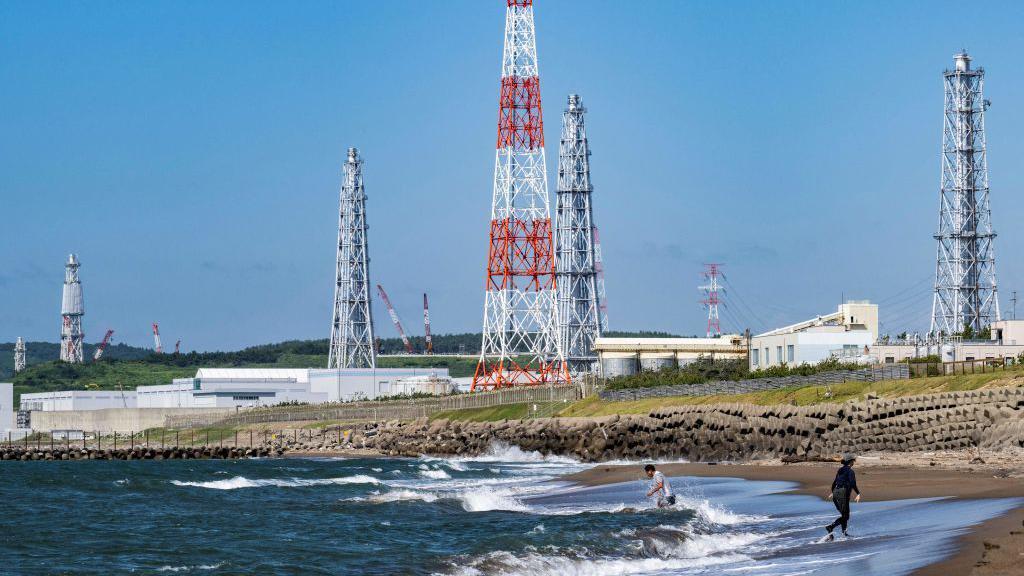
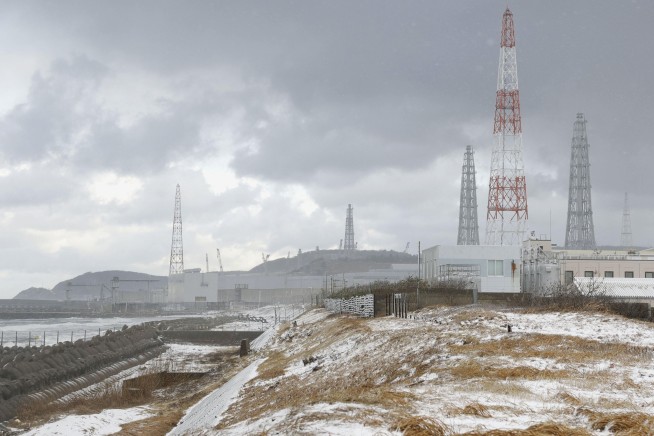
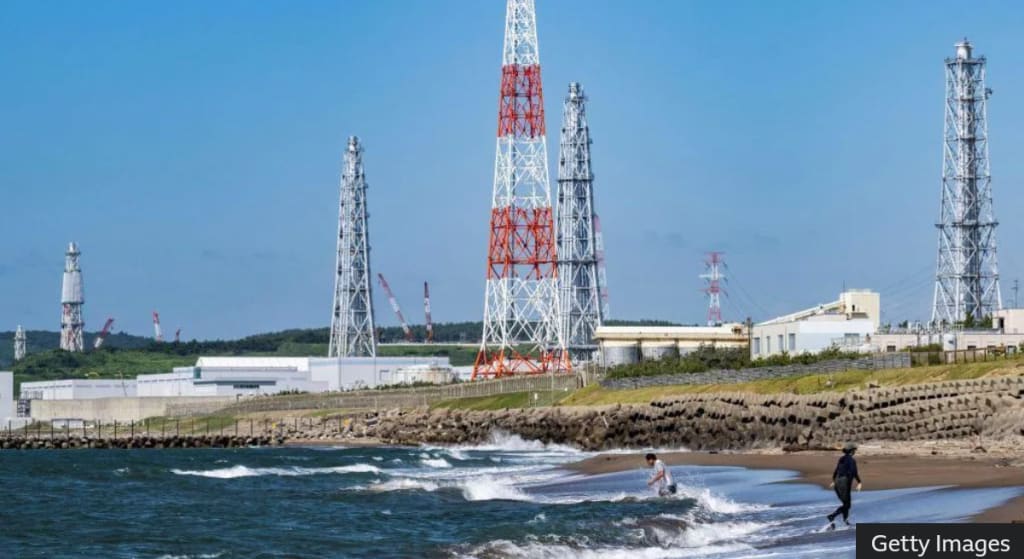
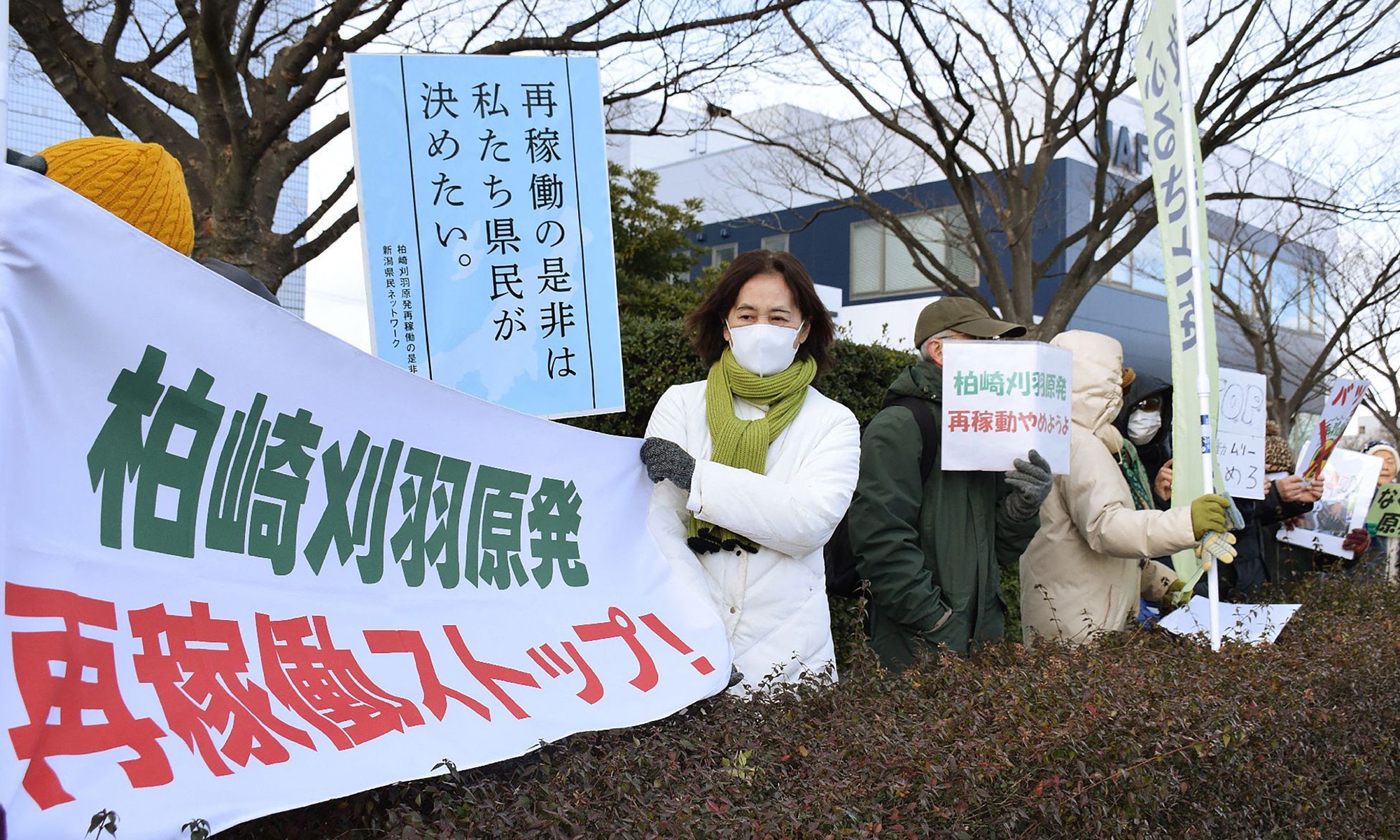
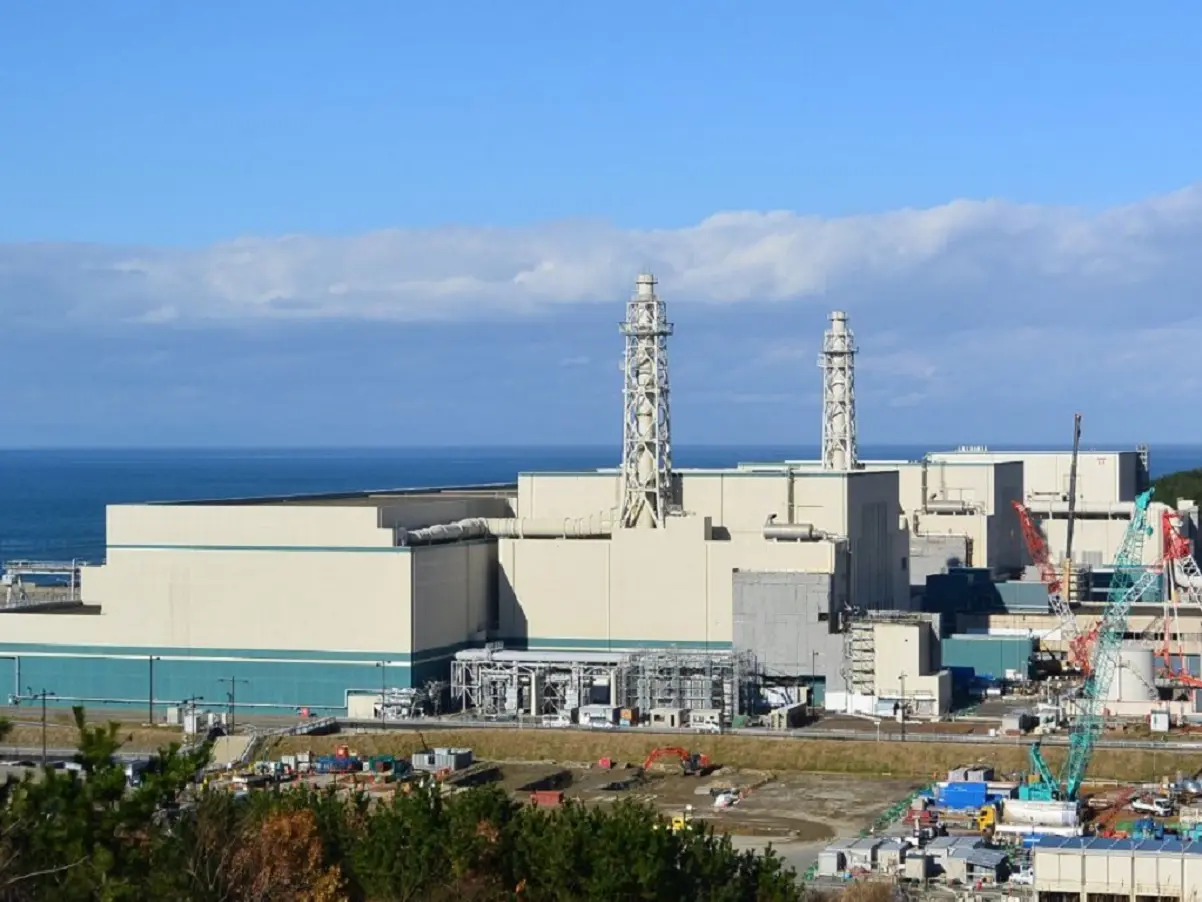
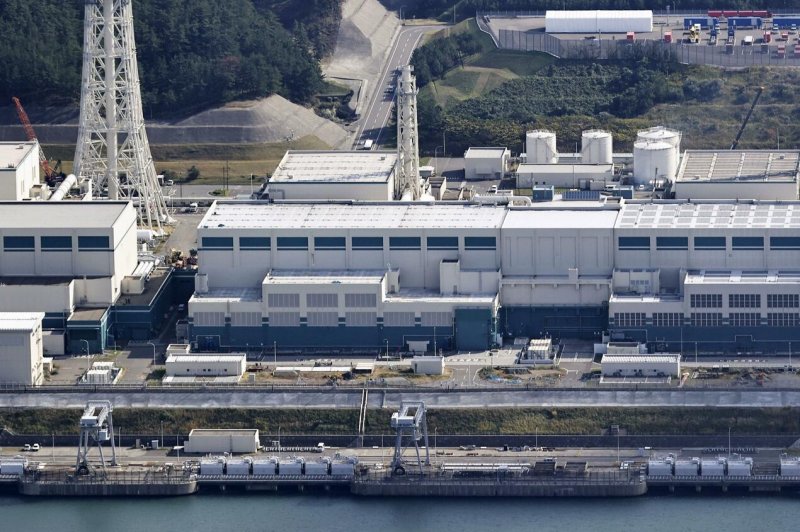
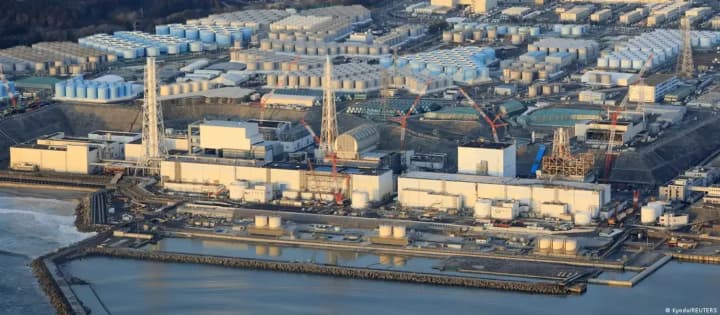
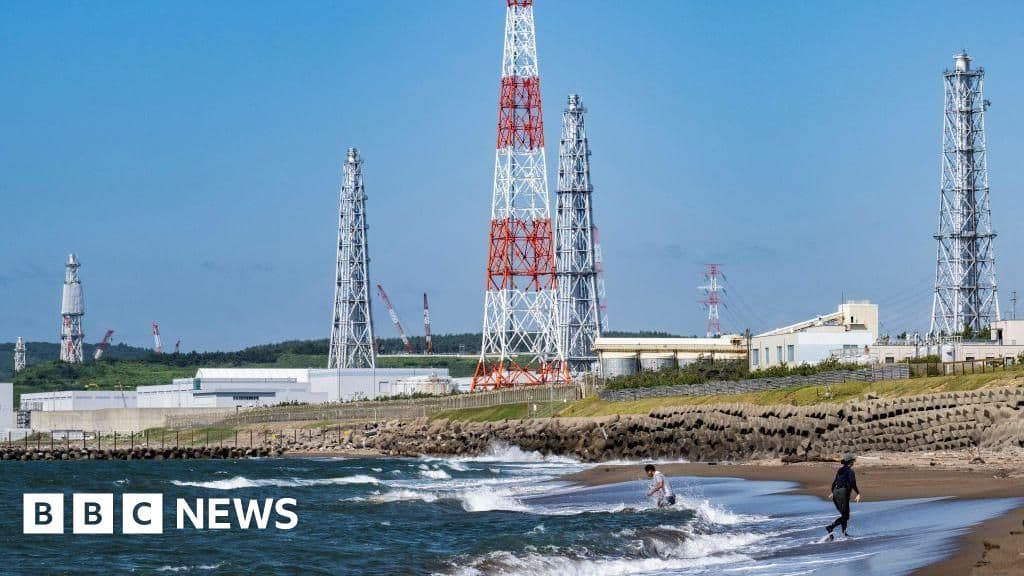
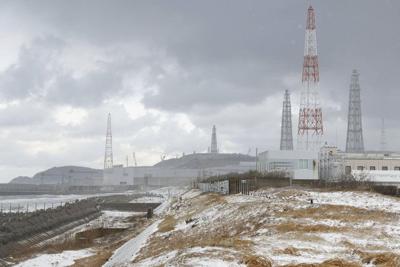
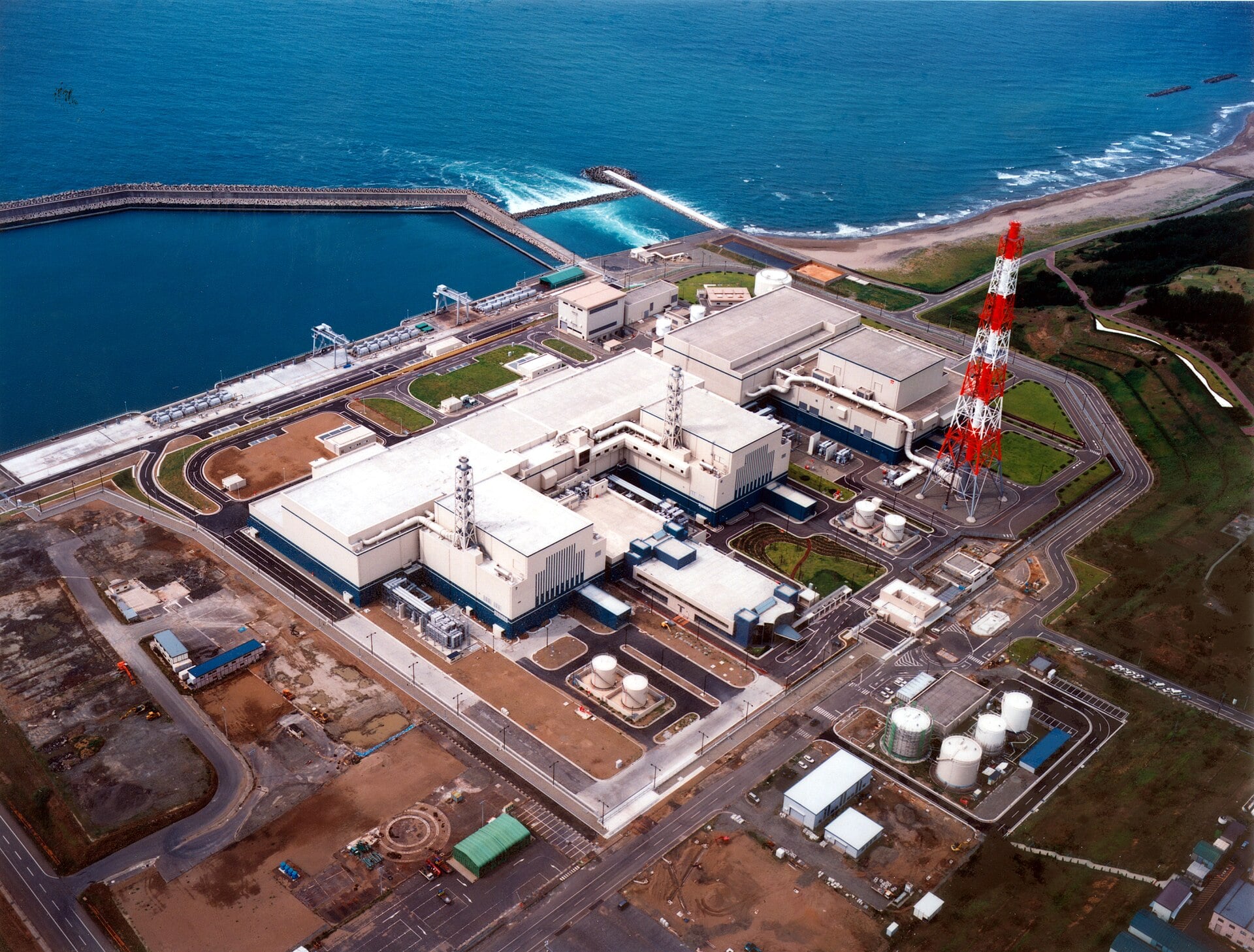
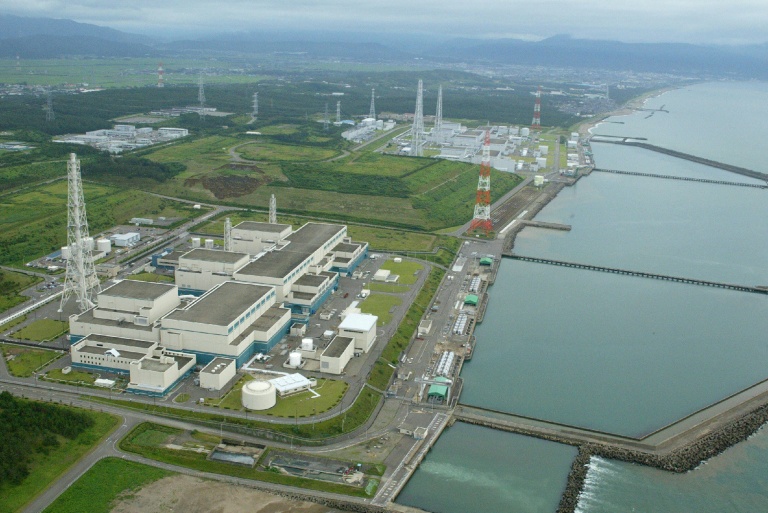
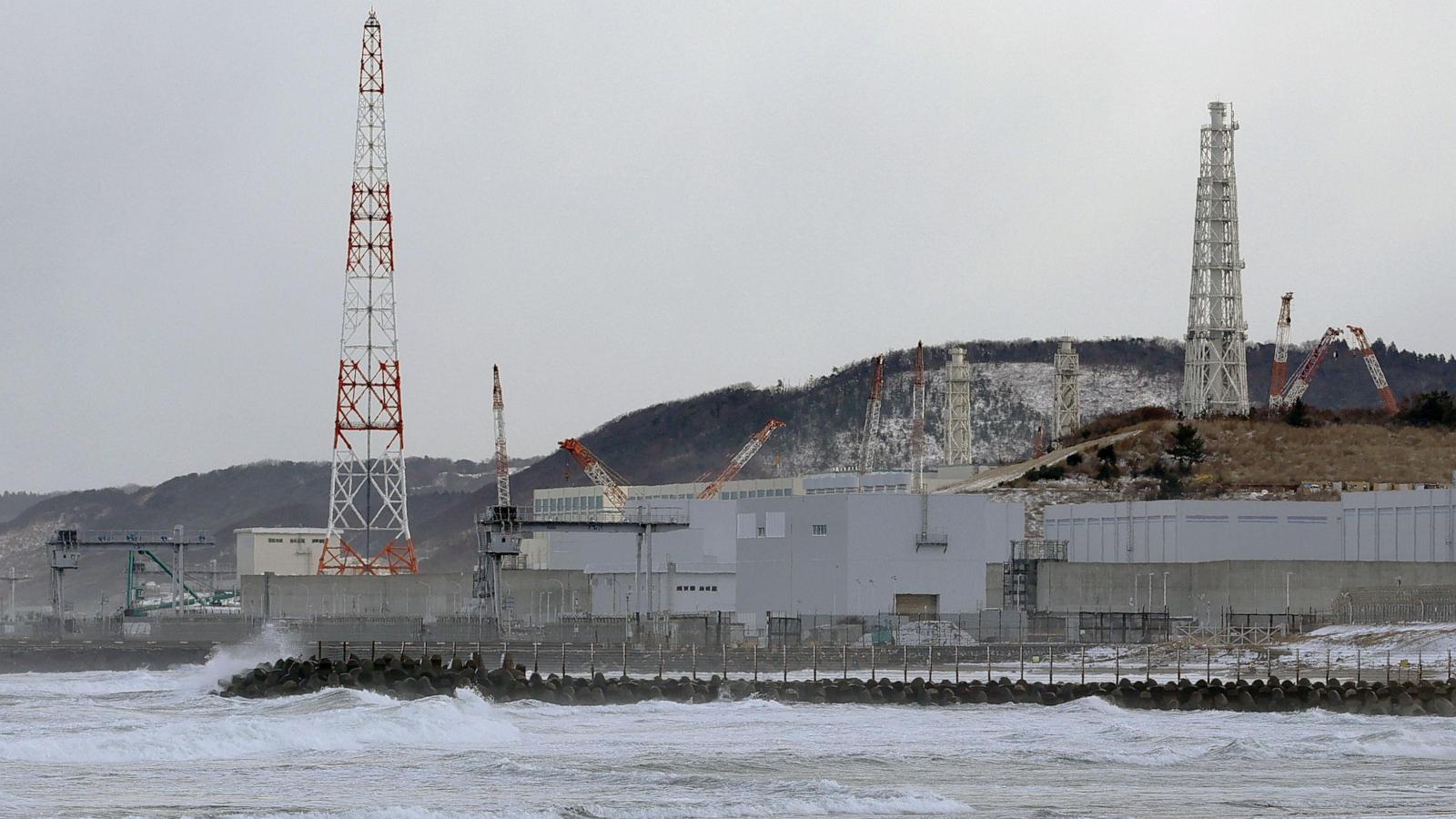
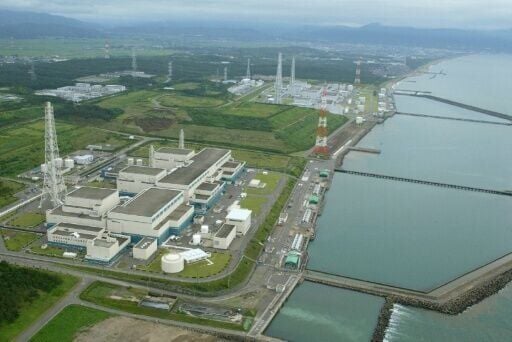
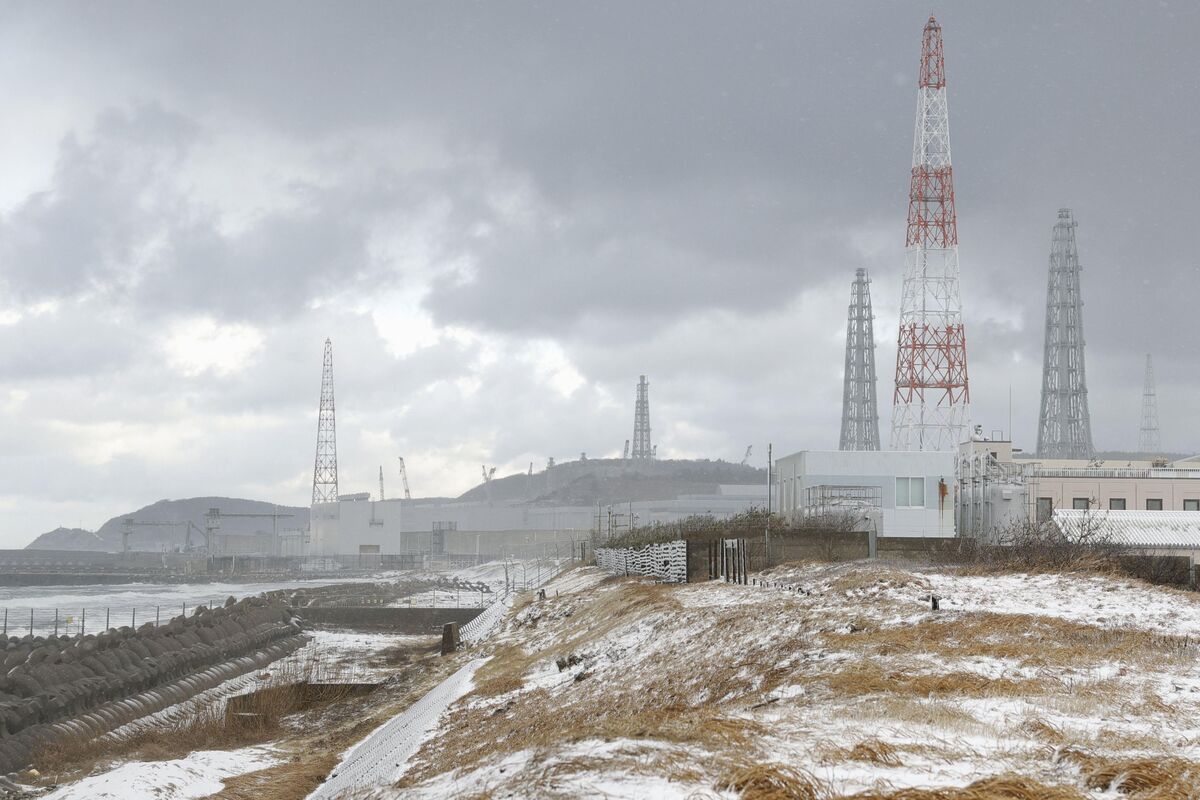
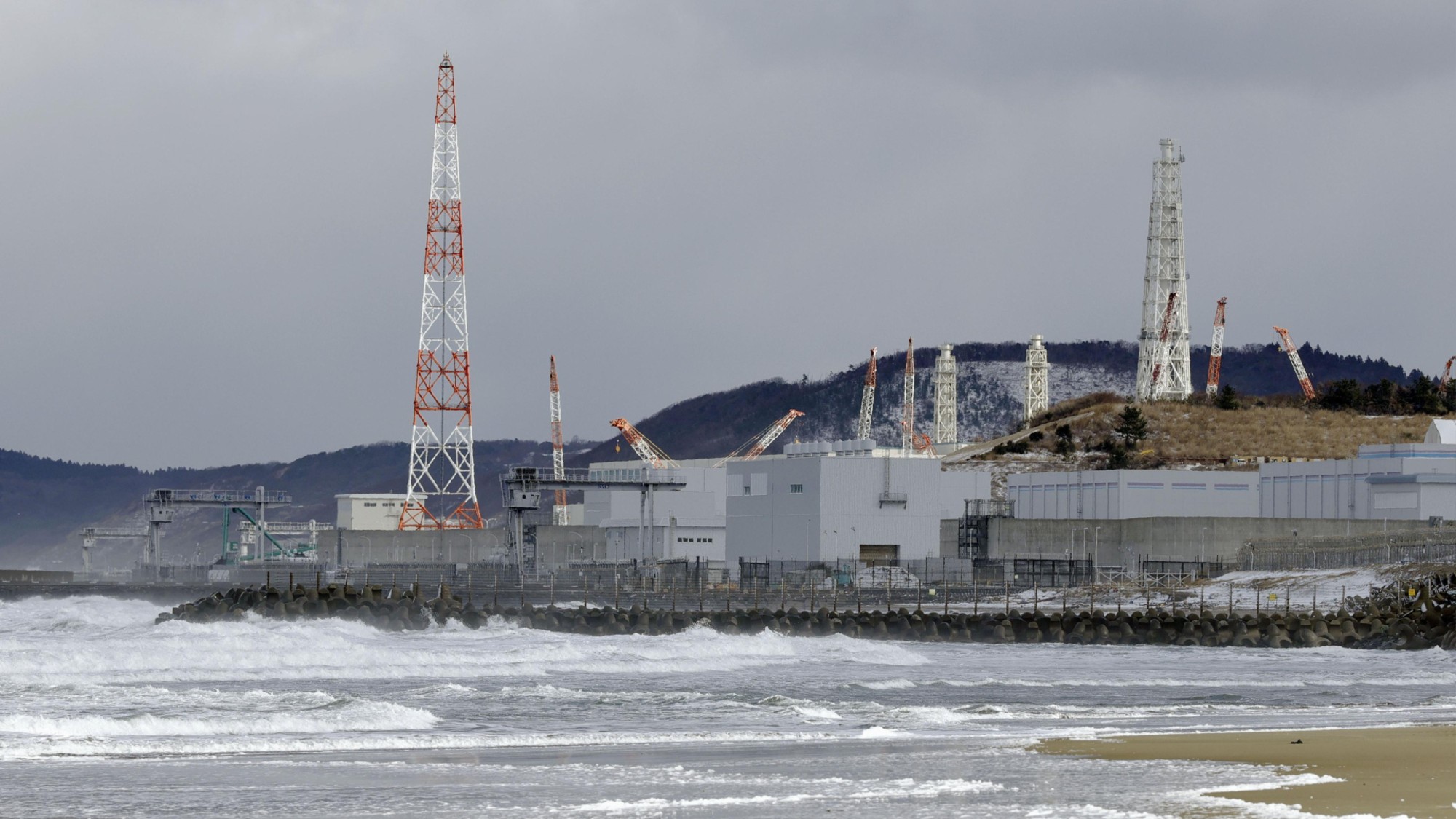
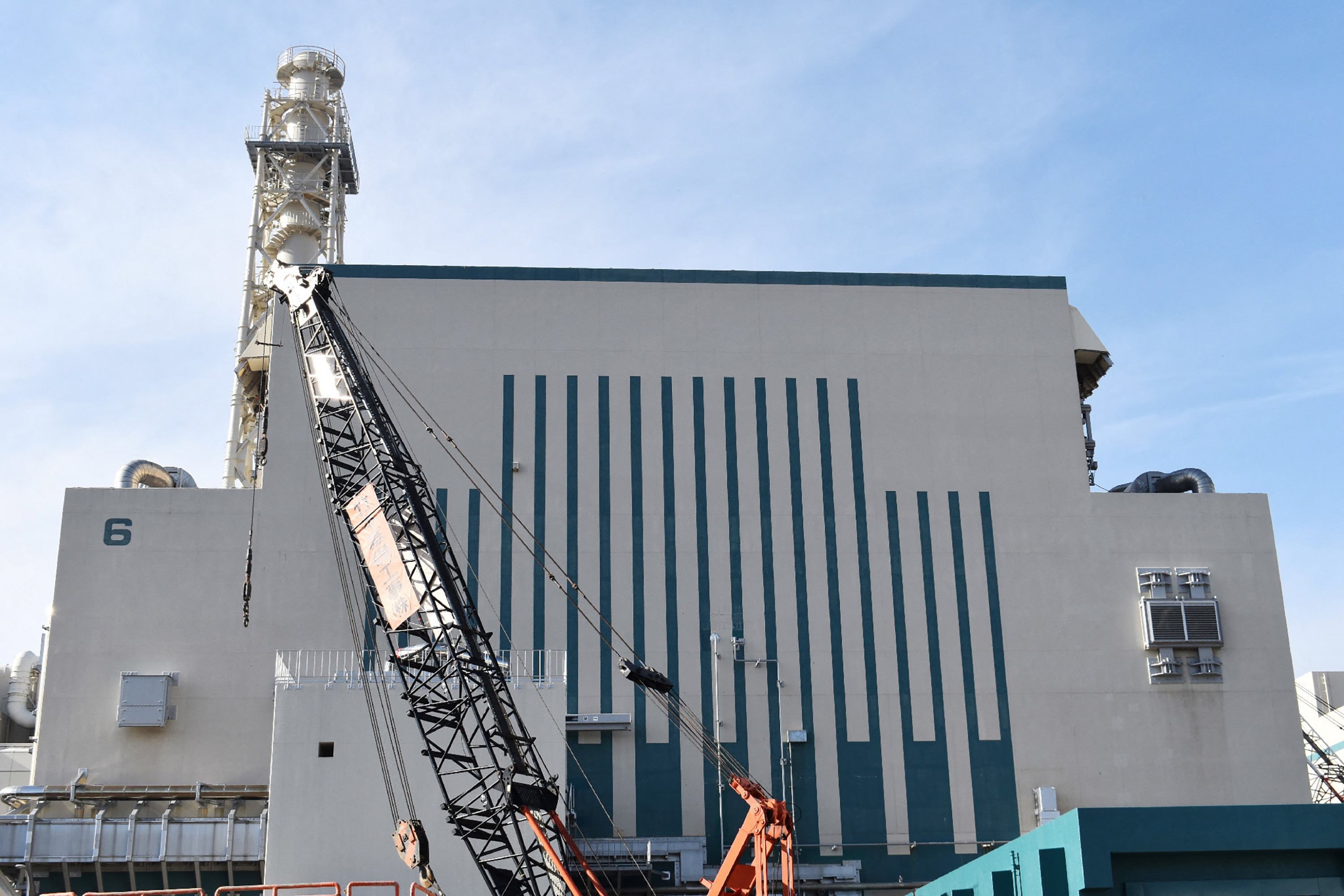
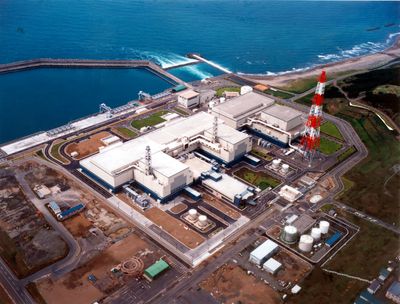
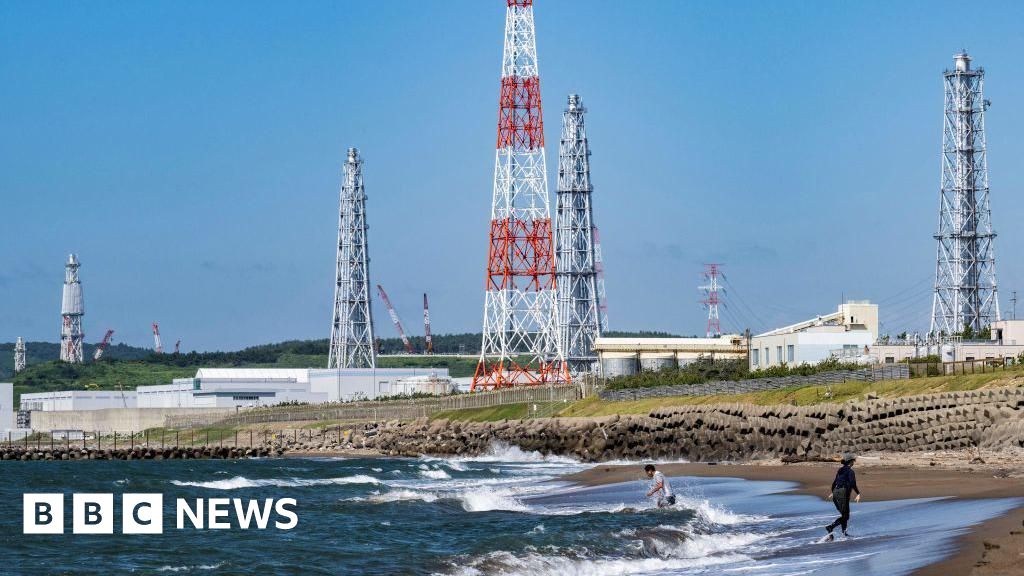
Japan's strategic nuclear power restart represents a critical inflection point for global energy markets and cross-border e-commerce ecosystems. The Kashiwazaki-Kariwa nuclear plant's reactivation after a 15-year shutdown signals a profound technological and economic recalibration with far-reaching implications for international sellers.
Key Strategic Implications for Cross-Border Commerce: The nuclear restart intersects with multiple high-growth sectors, particularly semiconductor manufacturing, data center infrastructure, and advanced technology supply chains. With nuclear power projected to account for 8.5% of Japan's electricity (up from near-zero), sellers should anticipate significant shifts in manufacturing capabilities, energy-intensive production, and technological innovation corridors.
Operational Opportunities for Sellers:
- Technology Supply Chain Realignment: The restart enables more stable, cost-effective manufacturing environments for electronics, semiconductor, and precision engineering products.
- Energy-Efficient Product Positioning: Sellers can leverage Japan's renewed nuclear infrastructure to highlight energy-efficient product lines.
- Semiconductor and High-Tech Market Entry: Increased energy stability creates more predictable production environments for complex manufacturing sectors.
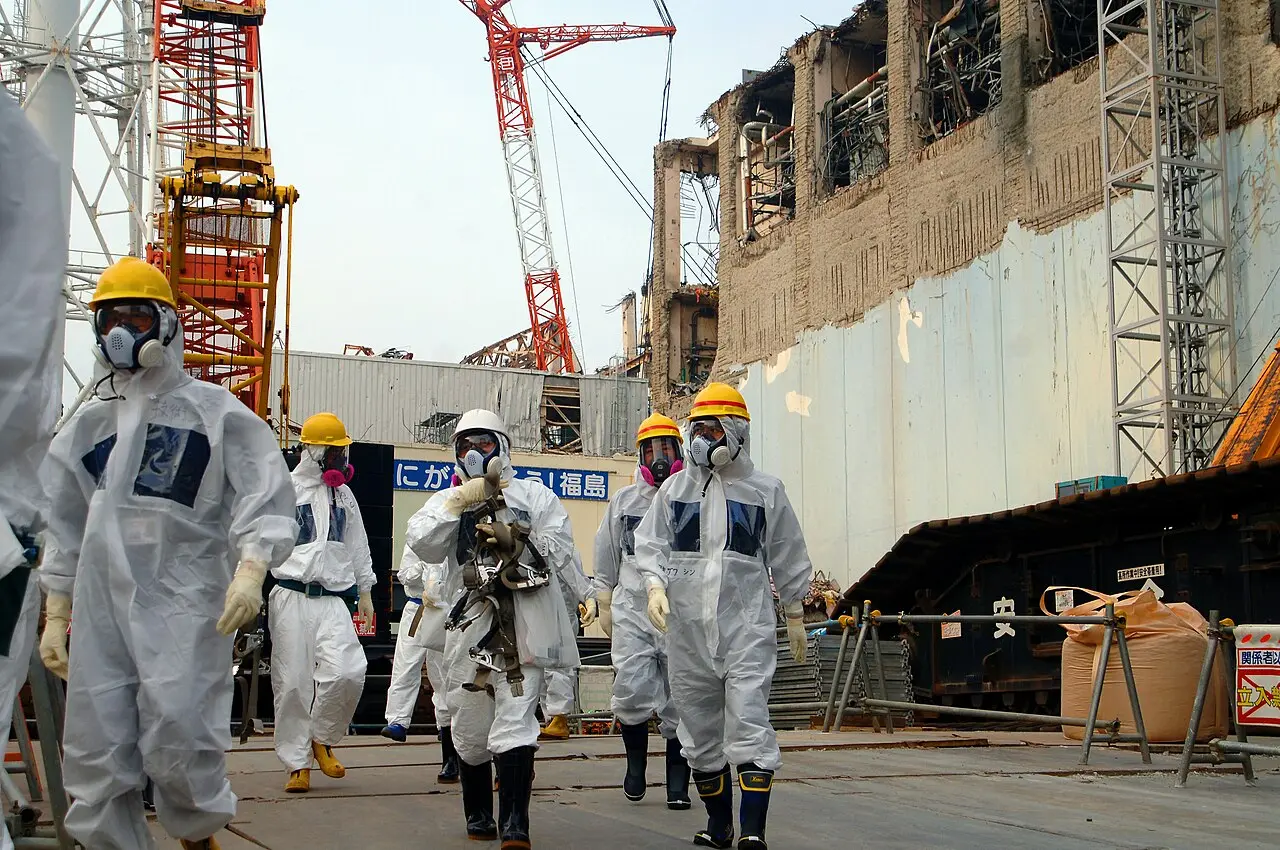
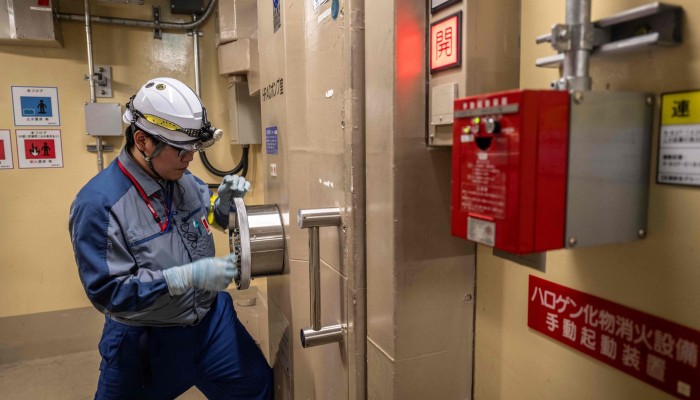
The restart occurs against a complex backdrop of safety concerns, with TEPCO implementing a 15-meter tsunami wall and extensive safety protocols. This meticulous approach suggests a methodical market transformation that sophisticated cross-border sellers can strategically anticipate and leverage.
Questions 5
What should cross-border sellers do to prepare for these changes?
Sellers should: 1) Reassess supply chain partners in Japan, 2) Explore energy-efficient product development, 3) Monitor semiconductor and high-tech manufacturing trends, and 4) Consider potential cost reductions in technology product sourcing.
Are there risks for international sellers related to this nuclear restart?
While opportunities exist, sellers must monitor ongoing safety assessments and potential regulatory changes. The restart involves complex safety protocols, and any future incidents could impact manufacturing stability. Diversifying supply chain sources remains a prudent strategy.