
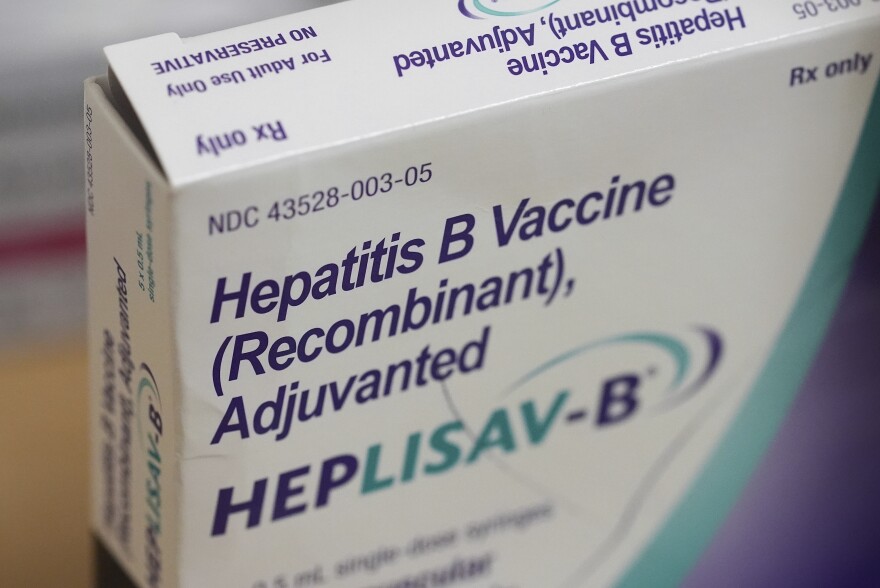
Vaccine Policy Unraveling: How Political Interference Threatens Pediatric Public Health
- Emerging state-level resistance signals critical breakdown in national immunization standards





















Overview
The landscape of pediatric vaccination is undergoing a profound and potentially dangerous transformation, driven by political interference and a systematic dismantling of established public health protocols. At the epicenter of this shift is the hepatitis B vaccine policy, which represents a critical test case for the integrity of national health recommendations.
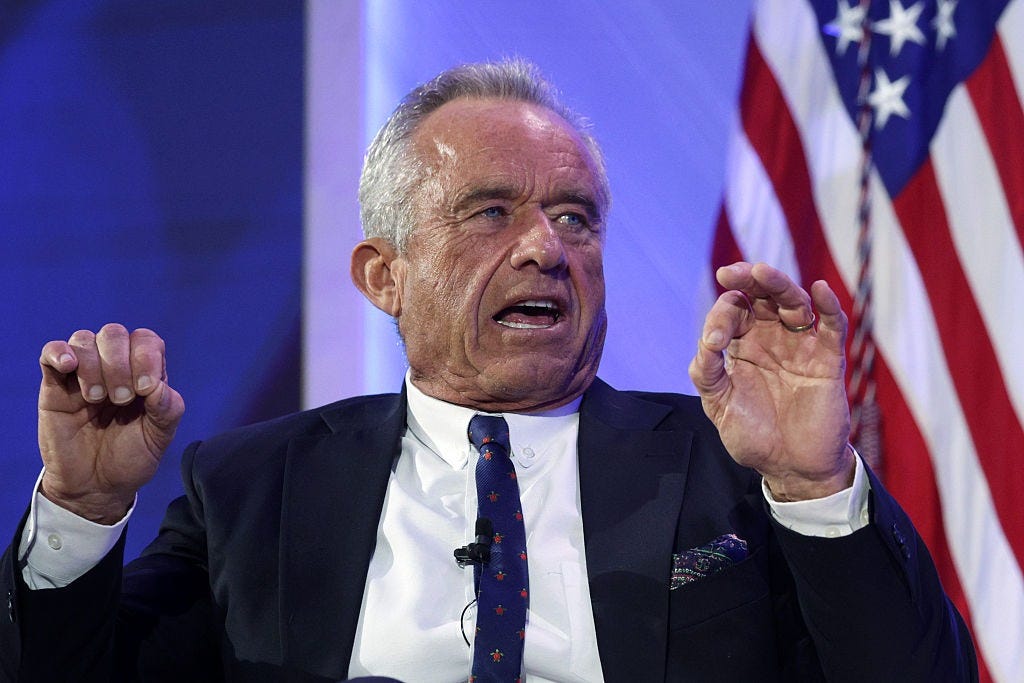
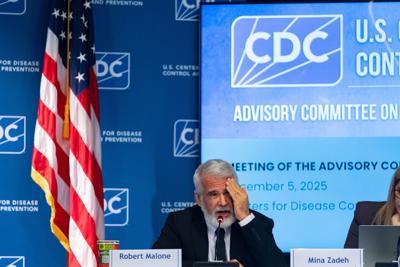
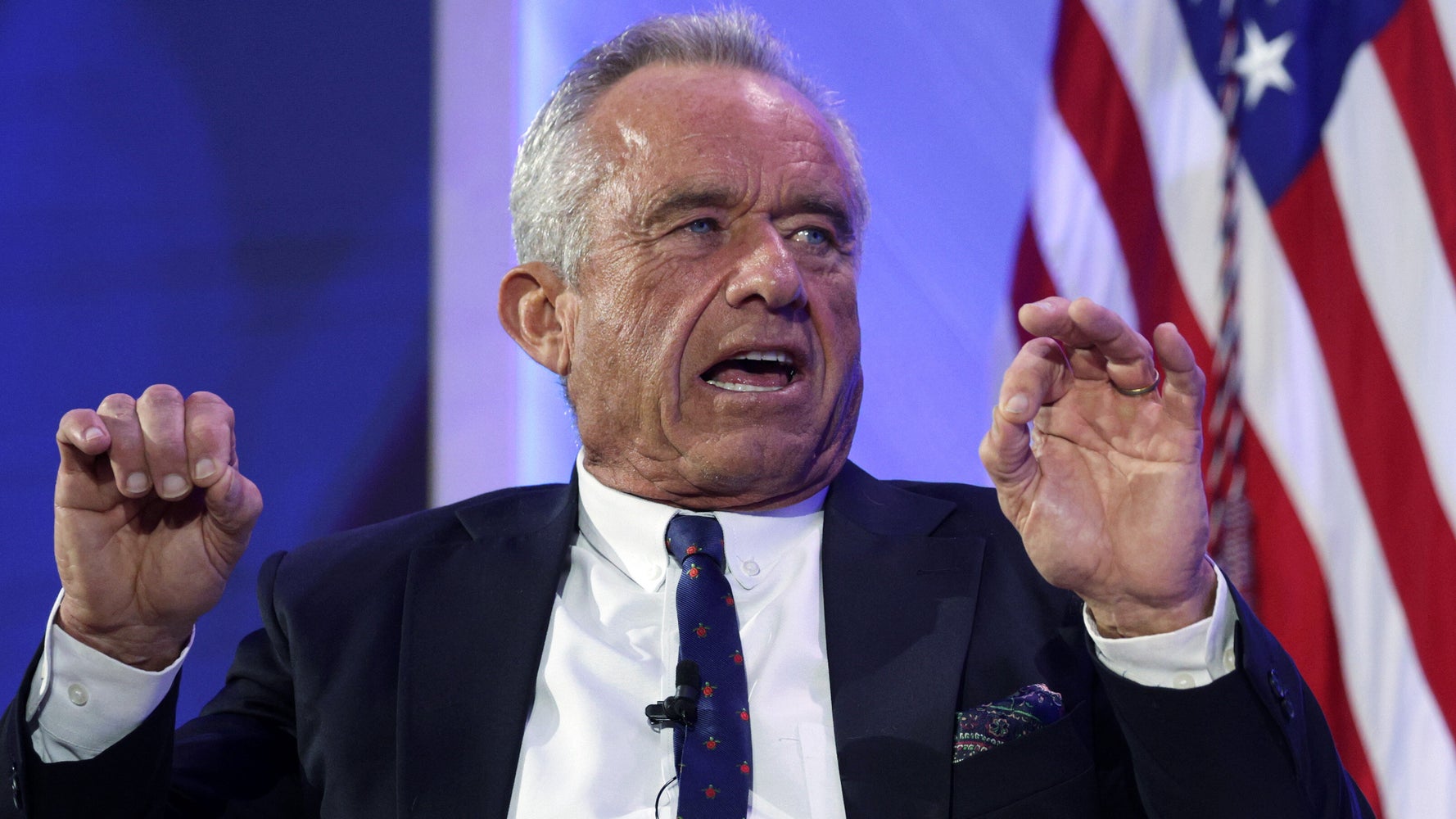
Regulatory capture is emerging as the most significant threat to pediatric health standards. The CDC's recent decision to modify universal hepatitis B vaccination guidelines reveals a troubling pattern of political manipulation. By accepting recommendations from a restructured Advisory Committee on Immunization Practices (ACIP) reportedly hand-picked by vaccine skeptic Robert F. Kennedy Jr., the agency is effectively undermining decades of scientific consensus.
The implications are stark and multifaceted. Current CDC data shows that 90% of infants infected with hepatitis B develop chronic infections, with approximately half contracting the virus during birth. By shifting from universal vaccination to an individualized approach, the new policy potentially exposes thousands of newborns to preventable lifelong health risks. Medical experts, including Dr. Susan J. Kressky from the American Academy of Pediatrics, have described this change as "heartbreaking" – a rare and telling condemnation from the professional medical community.
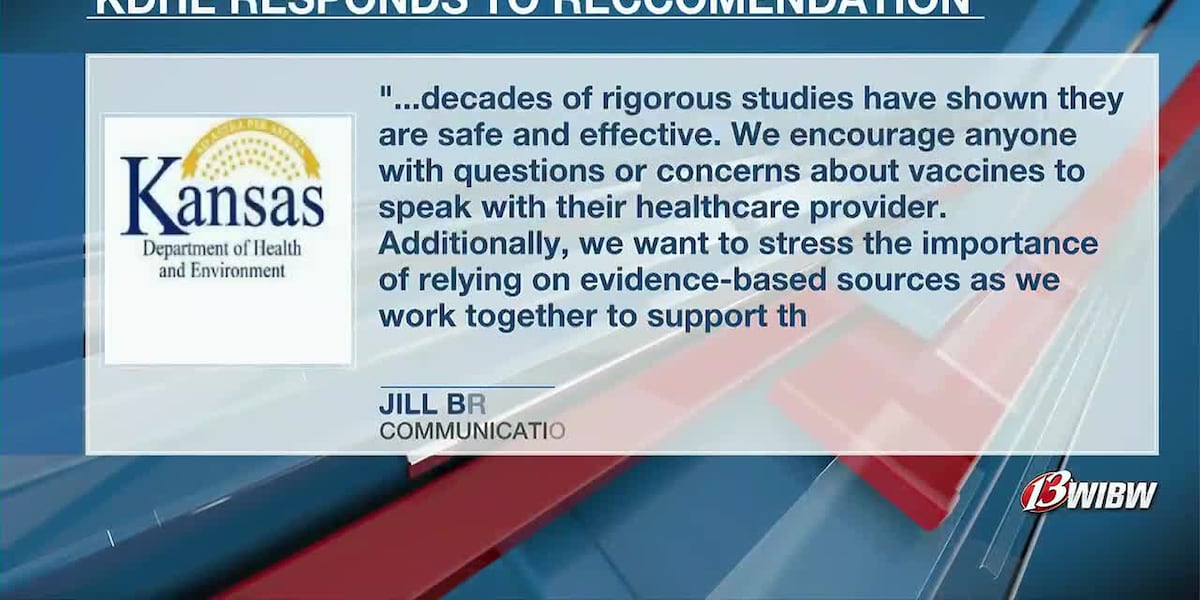
Simultaneously, state-level responses are revealing deep fractures in the national health policy framework. Michigan's decision to bypass federal vaccine guidance and instead follow professional medical associations' recommendations signals a potential broader rebellion against politically compromised federal health directives. This suggests a growing recognition that professional medical expertise must be prioritized over politically motivated policy shifts.
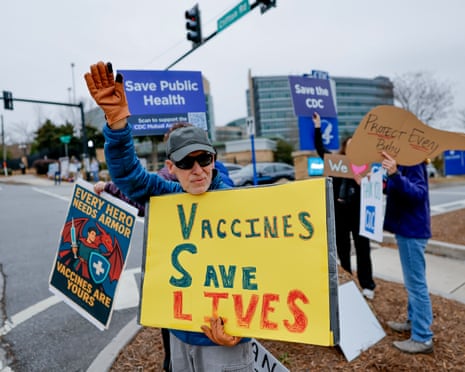
The emerging landscape points to a critical inflection point: professional medical standards are increasingly being challenged by political narratives that prioritize individual choice over public health protection. For healthcare providers, parents, and policymakers, this represents a complex new terrain where scientific consensus and political ideology are in direct conflict.
Stakeholders must remain vigilant. The erosion of established vaccination protocols not only threatens individual child health but risks reversing decades of progress in preventing serious infectious diseases. The hepatitis B vaccine's history of virtually eliminating the virus in children under 19 stands as a powerful testament to the effectiveness of comprehensive, science-driven immunization strategies.
Questions 3
What are the potential long-term consequences of changing hepatitis B vaccination protocols?
The potential consequences include increased risk of chronic hepatitis B infections, potential reversal of decades of progress in eliminating the virus in children, and creating uncertainty for healthcare providers and parents about vaccination timing and necessity. This could ultimately compromise the public health achievements of comprehensive vaccination strategies.
How are states responding to changes in federal vaccine recommendations?
States like Michigan are demonstrating increasing independence by choosing to follow professional medical associations' vaccine schedules instead of federal guidelines. This signals a growing trend of state-level health authorities prioritizing expert medical recommendations over potentially politically influenced federal directives.