
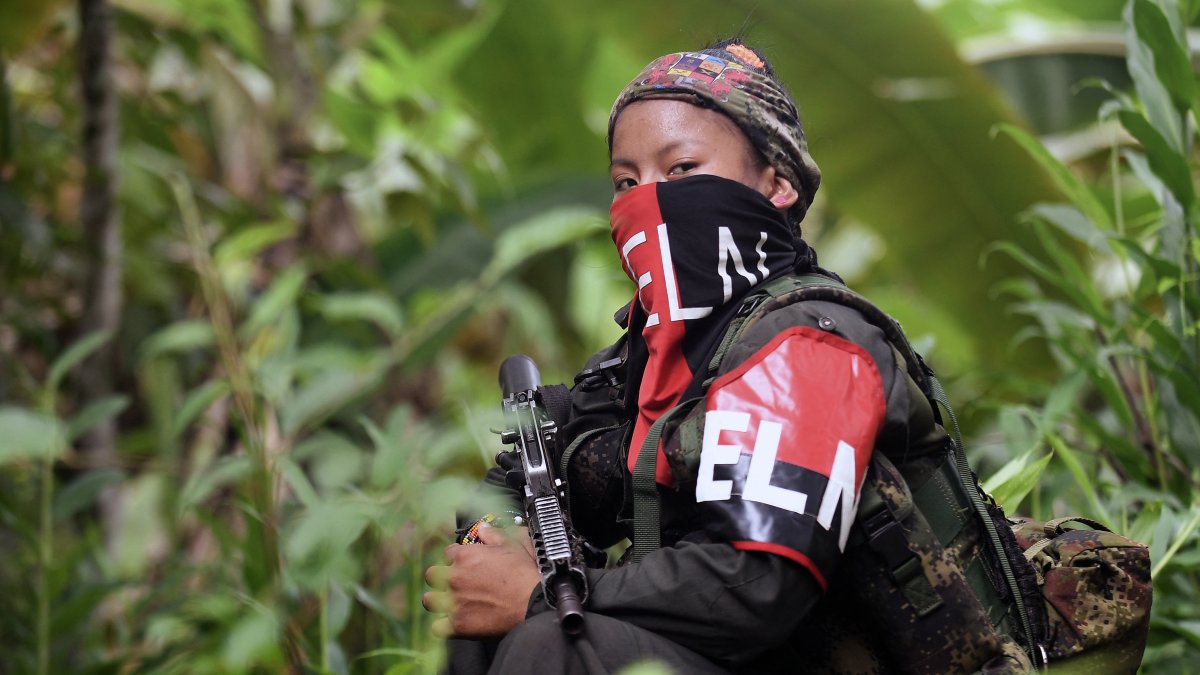




Drone Warfare and Guerrilla Tactics Reshape Colombia's Security Landscape
- Technological escalation threatens national security amid persistent insurgent challenges
































Overview
The Colombian security environment is undergoing a profound transformation, marked by the National Liberation Army's (ELN) sophisticated technological warfare capabilities that are fundamentally challenging traditional military defense strategies. On December 19, 2025, a devastating attack on Military Base 27 revealed a critical inflection point: guerrilla groups are now leveraging advanced drone technology to conduct precision strikes that expose systemic vulnerabilities in national defense infrastructure.
Technological Asymmetric Warfare emerges as the pivotal narrative. The ELN's attack, which killed seven soldiers and wounded 30, demonstrates a quantum leap in non-state actor military capabilities. By utilizing drones equipped with improvised explosive devices, the guerrilla group has effectively neutralized conventional military advantages. Defense Minister Pedro Sánchez's admission that military forces have only prevented 95% of drone attacks underscores the rapidly evolving technological threat landscape.
The strategic implications extend far beyond a single incident. The ELN's nationwide armed strike, protesting alleged US "imperialist intervention", reveals a sophisticated operational model that combines technological innovation with political messaging. By paralyzing civilian movement and infrastructure in controlled regions, the group showcases its ability to challenge state authority through multi-dimensional warfare.
President Gustavo Petro's repeated failed negotiations with armed groups highlight the complex political ecosystem. The United States' sanctions and warnings about cocaine production further complicate Colombia's internal security dynamics. This creates a volatile environment where technological capabilities, political negotiations, and international pressures intersect in unprecedented ways.
The most critical insight is the democratization of military technology. Non-state actors can now acquire and deploy sophisticated weaponry that was once the exclusive domain of national militaries. This technological proliferation fundamentally reshapes conflict dynamics, rendering traditional counterinsurgency strategies increasingly obsolete.
For policymakers and security strategists, the message is clear: technological adaptation is no longer optional but existential. Military and government institutions must rapidly develop comprehensive drone defense strategies, invest in counter-drone technologies, and reimagine security infrastructure in an era of asymmetric, technology-driven conflicts.
Questions 3
How are international actors like the US influencing Colombia's internal security?
The US is applying diplomatic and economic pressure through sanctions related to cocaine production and perceived ineffective counterinsurgency strategies. These interventions create additional complexity in Colombia's efforts to manage internal armed groups and negotiate peace.
What are the strategic implications of the ELN's technological capabilities?
The ELN's drone technology represents a fundamental shift in conflict dynamics. By leveraging advanced weaponry, the group can paralyze infrastructure, challenge state authority, and create strategic pressure points without traditional large-scale military engagements.