
)


European Agricultural Revolt Exposes Deep Trade Policy Fractures
- Farmers' Resistance Signals Fundamental Challenges in EU Economic Integration









)








Overview
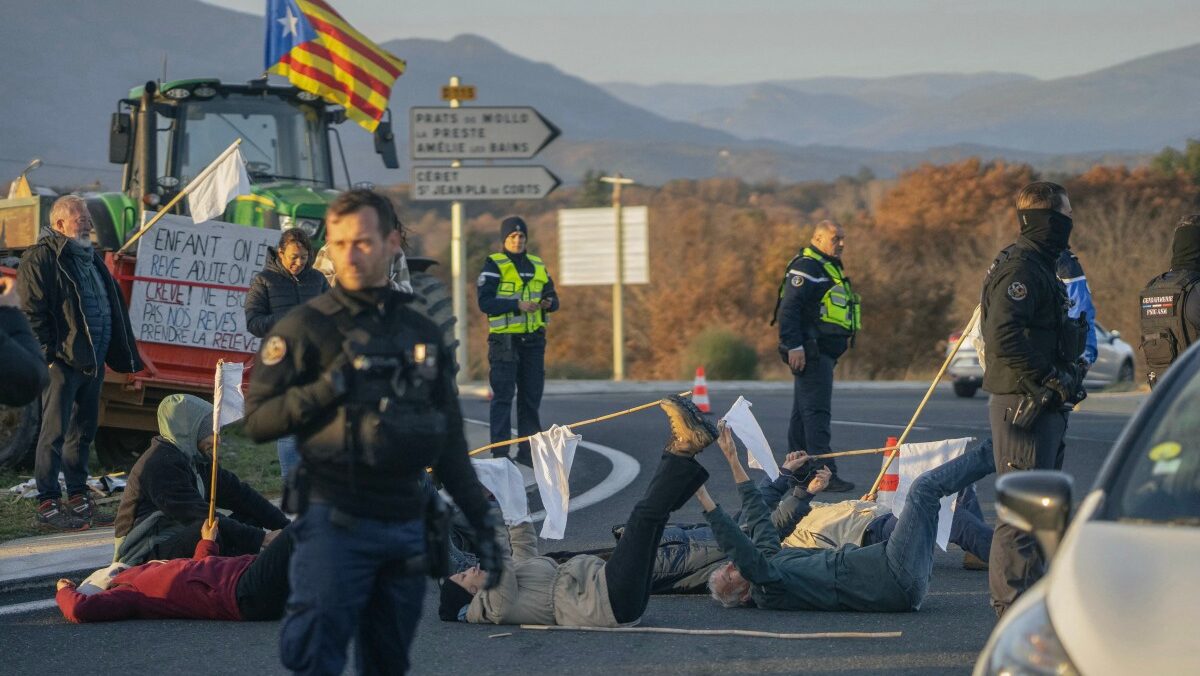
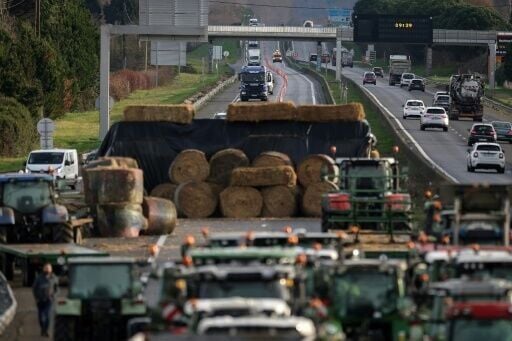
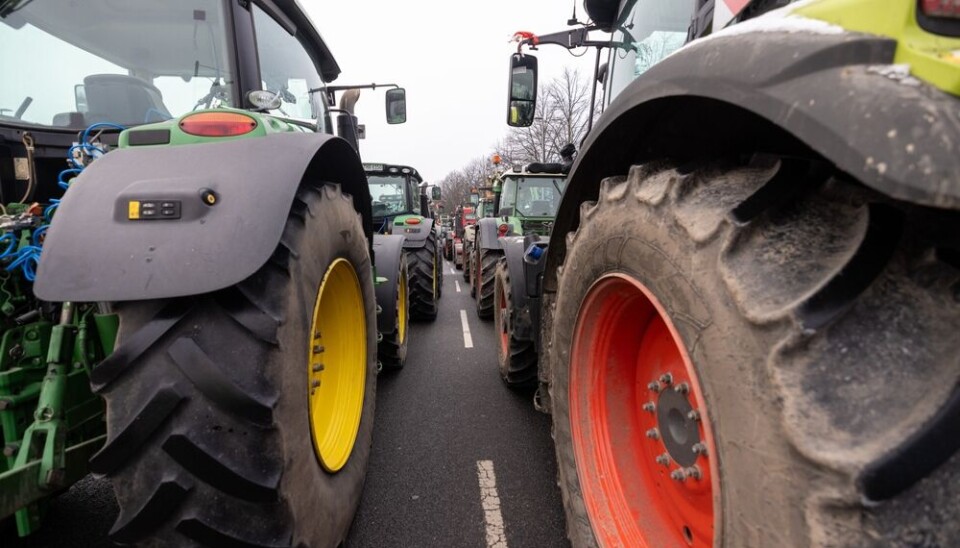
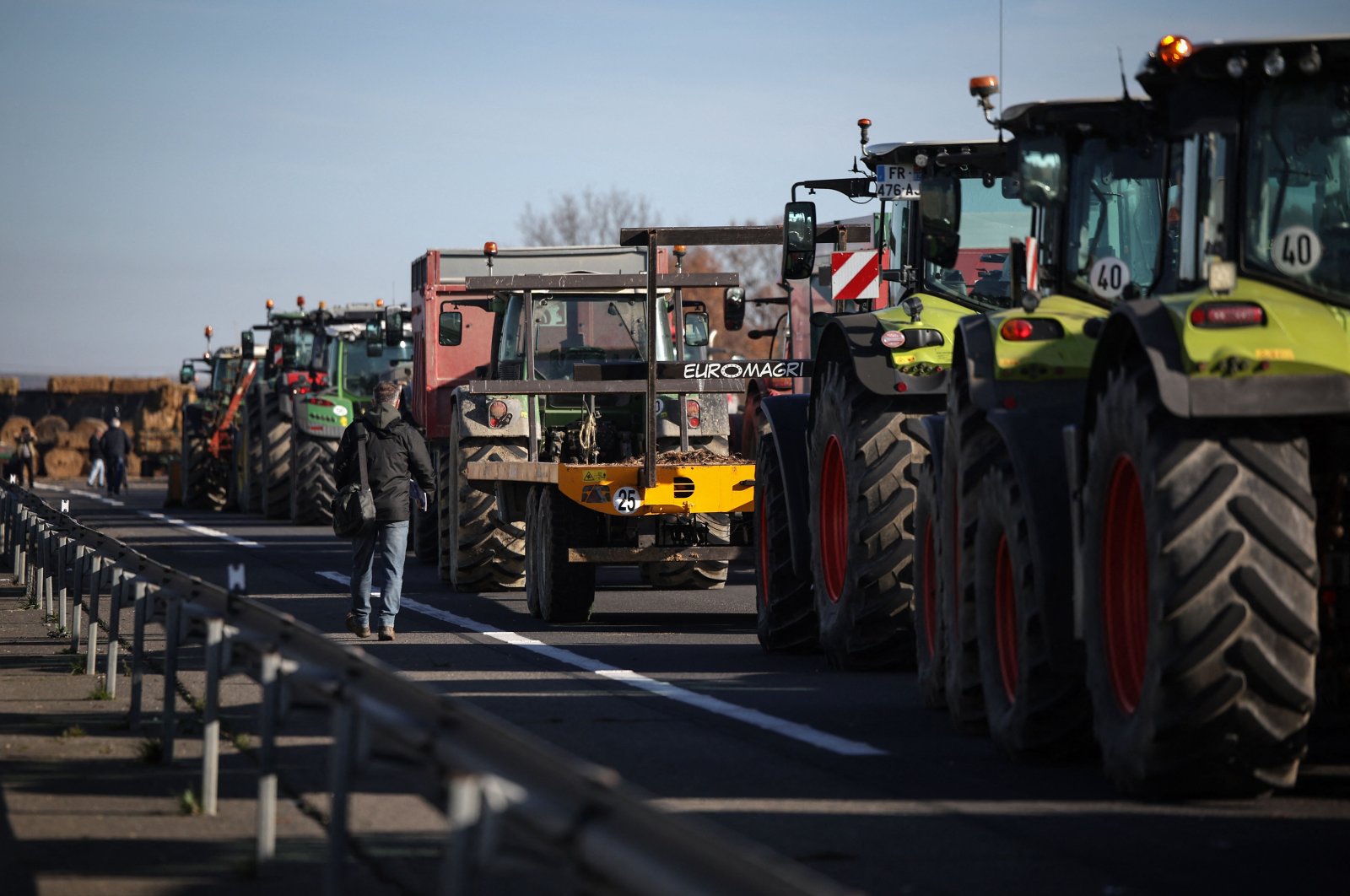
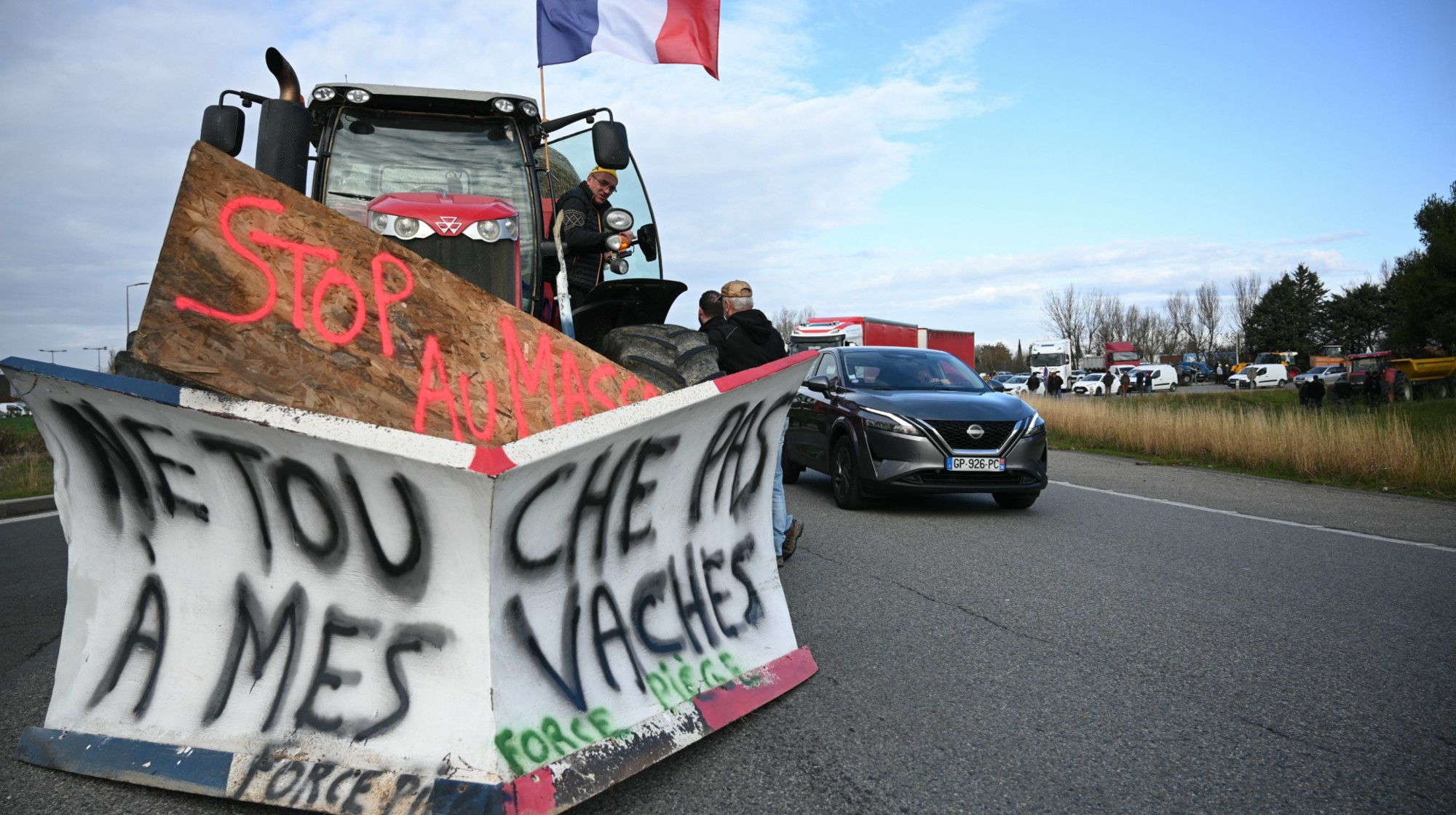
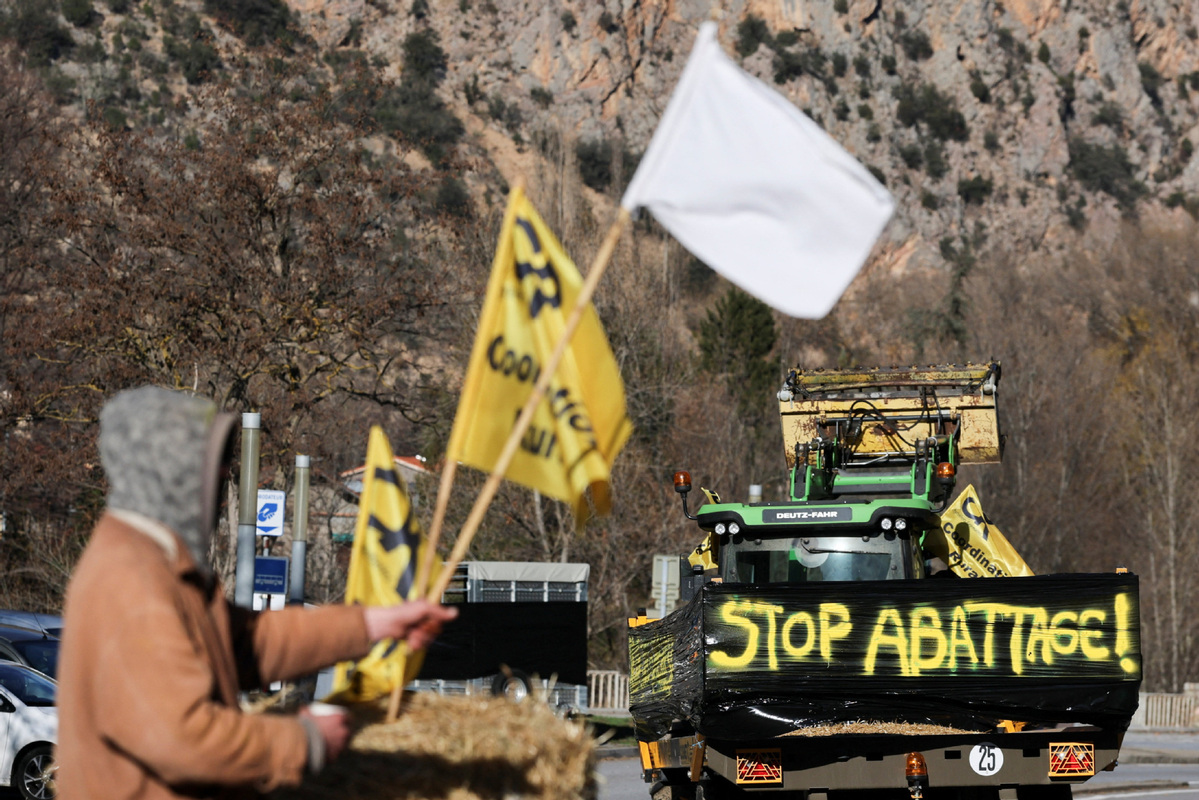
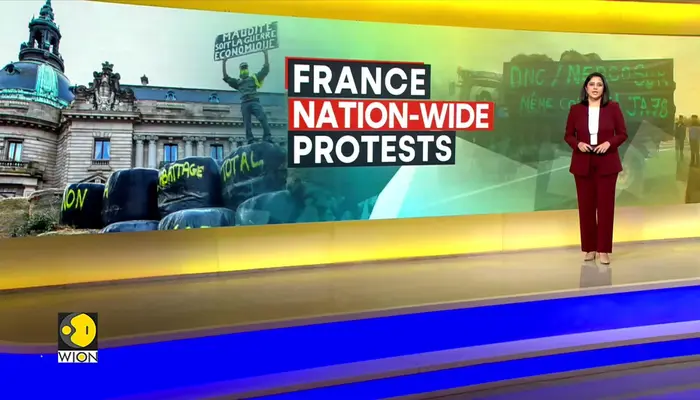
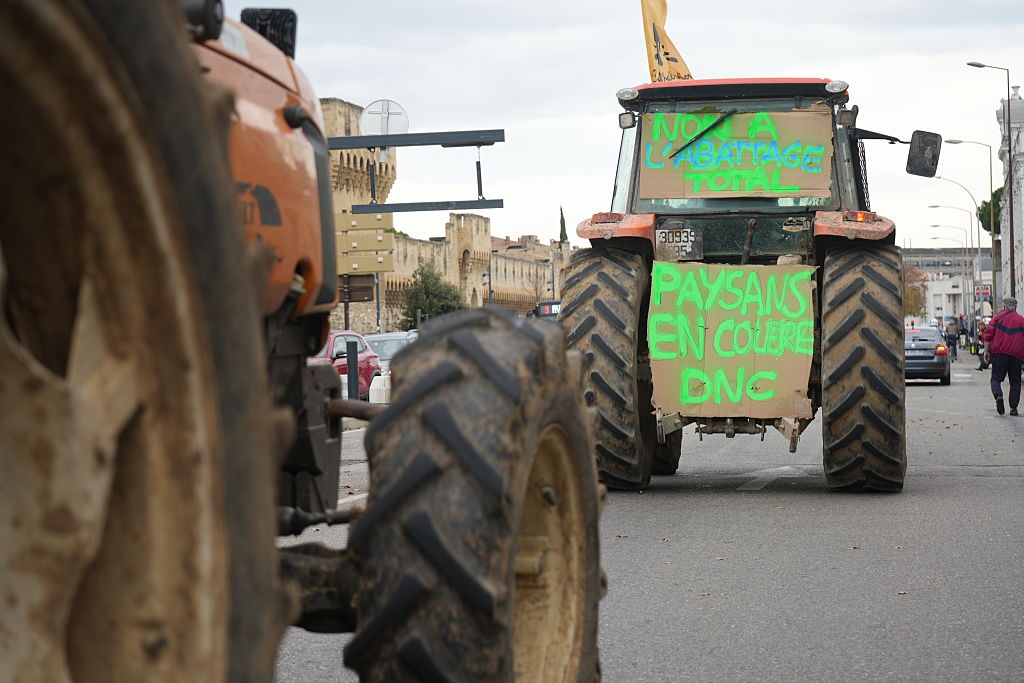
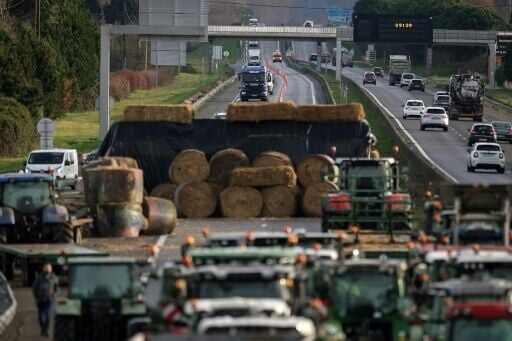
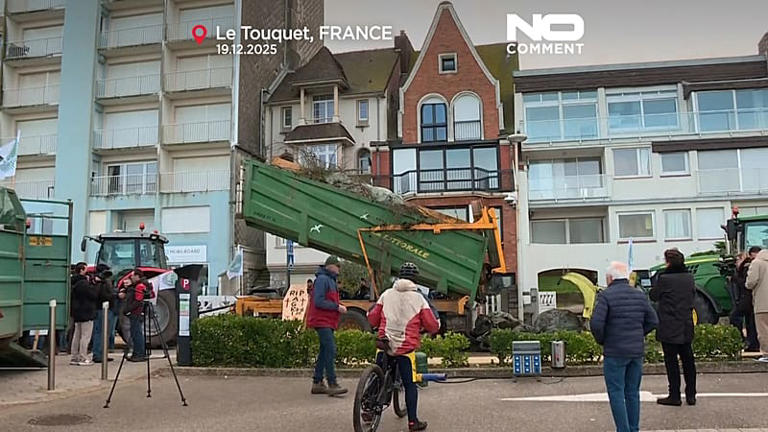
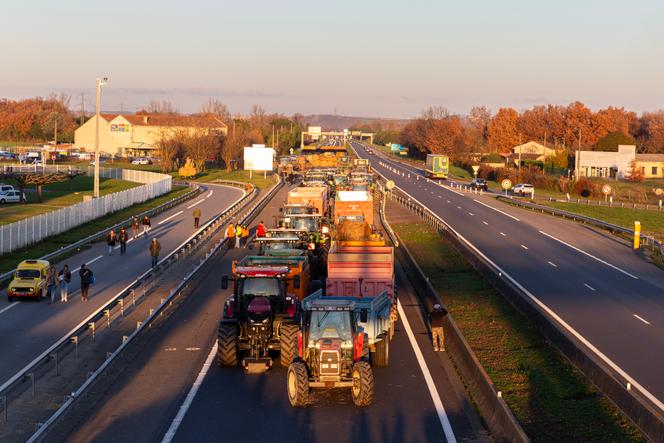
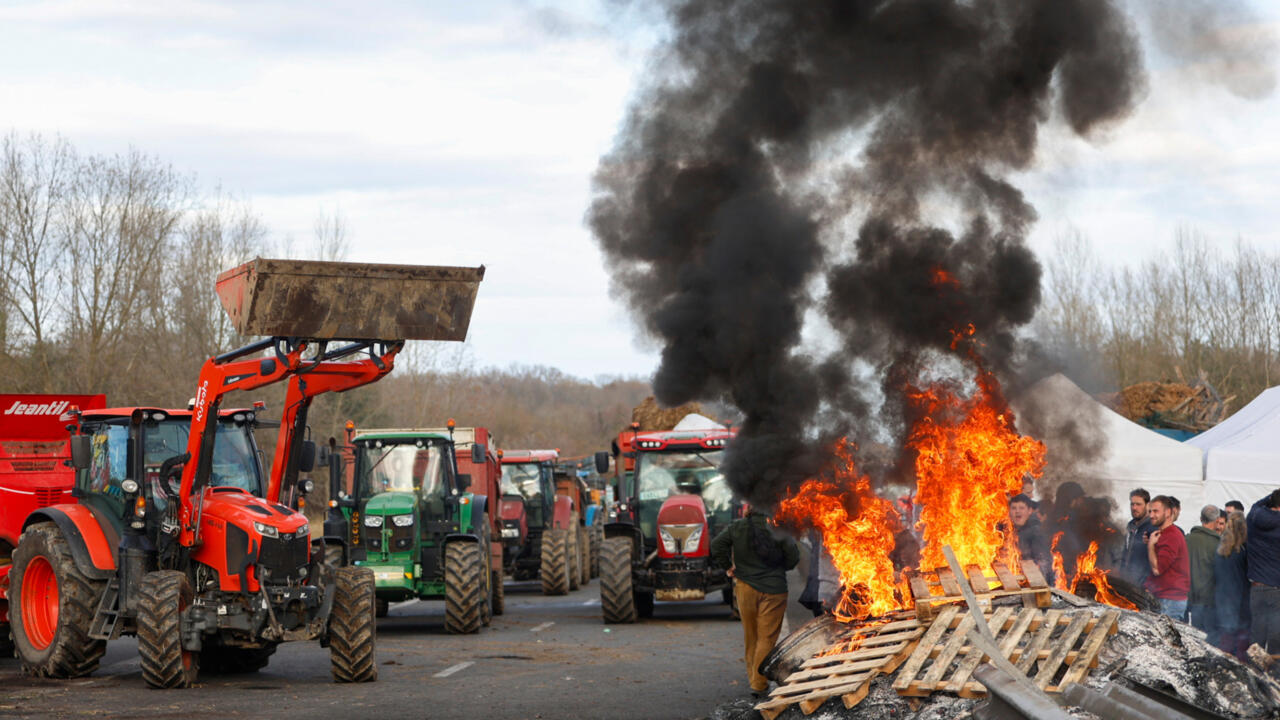
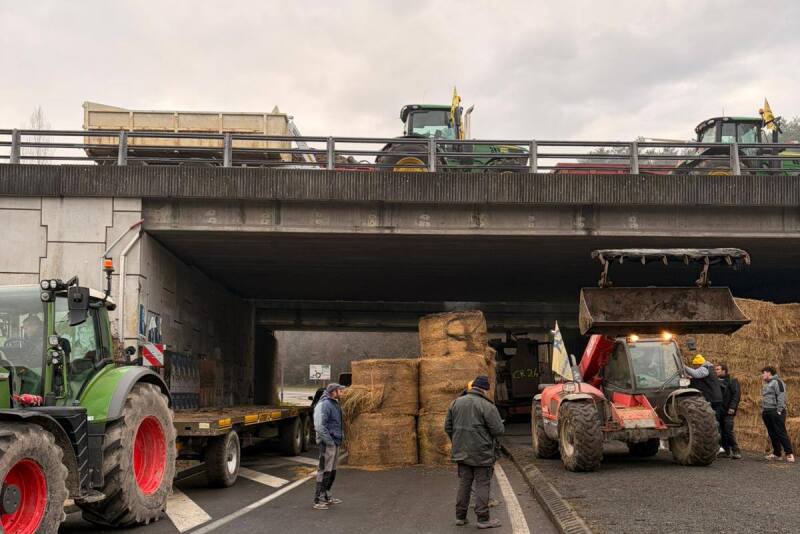
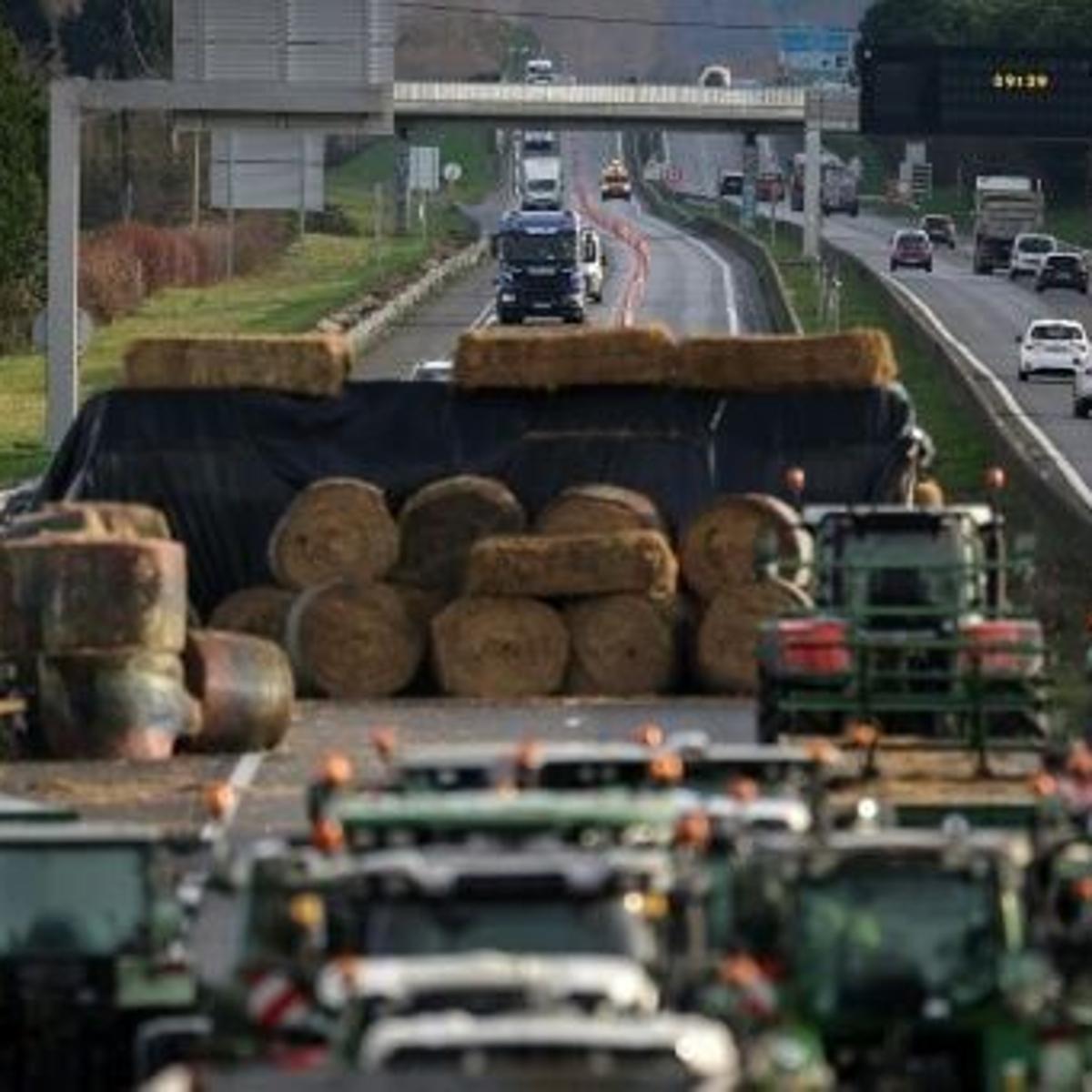
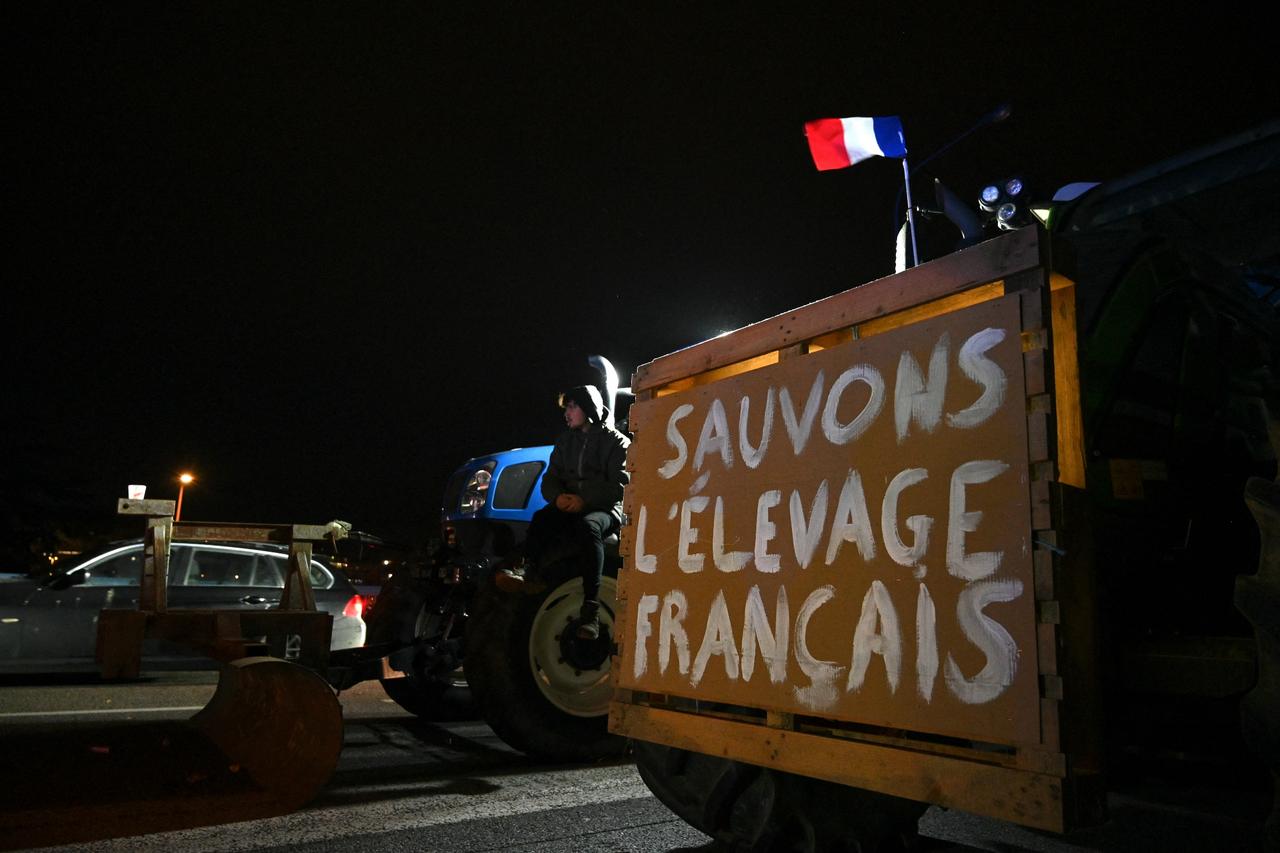
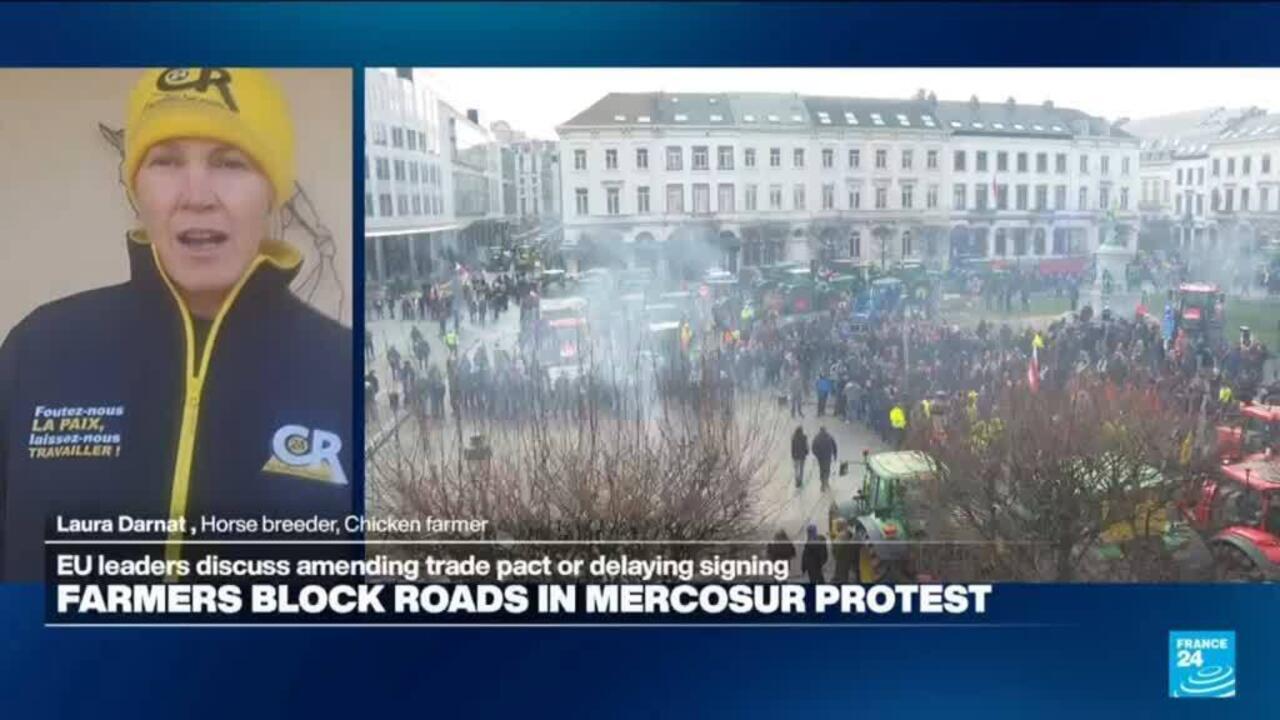
The ongoing French farmers' protests represent a critical inflection point in European agricultural policy, revealing deep-seated tensions between supranational trade frameworks and local economic interests. At the heart of this crisis lies a complex interplay of economic pressures, including plummeting agricultural prices, regulatory burdens, and the proposed EU-Mercosur trade agreement that threatens to undermine domestic farming communities.
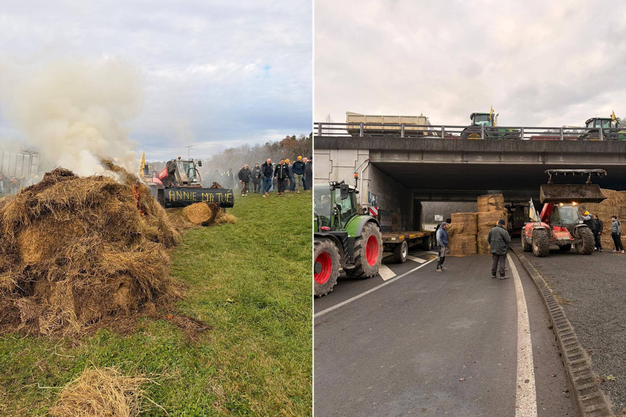
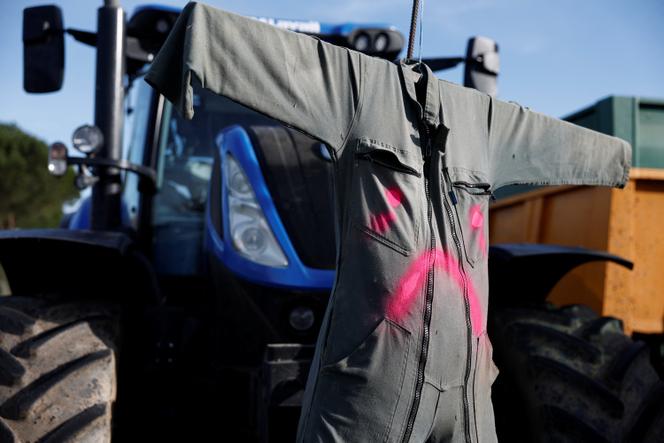
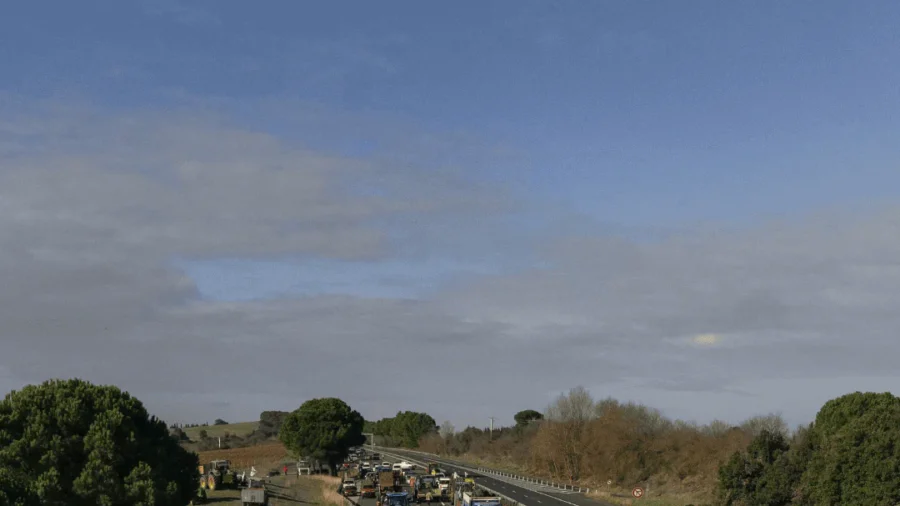
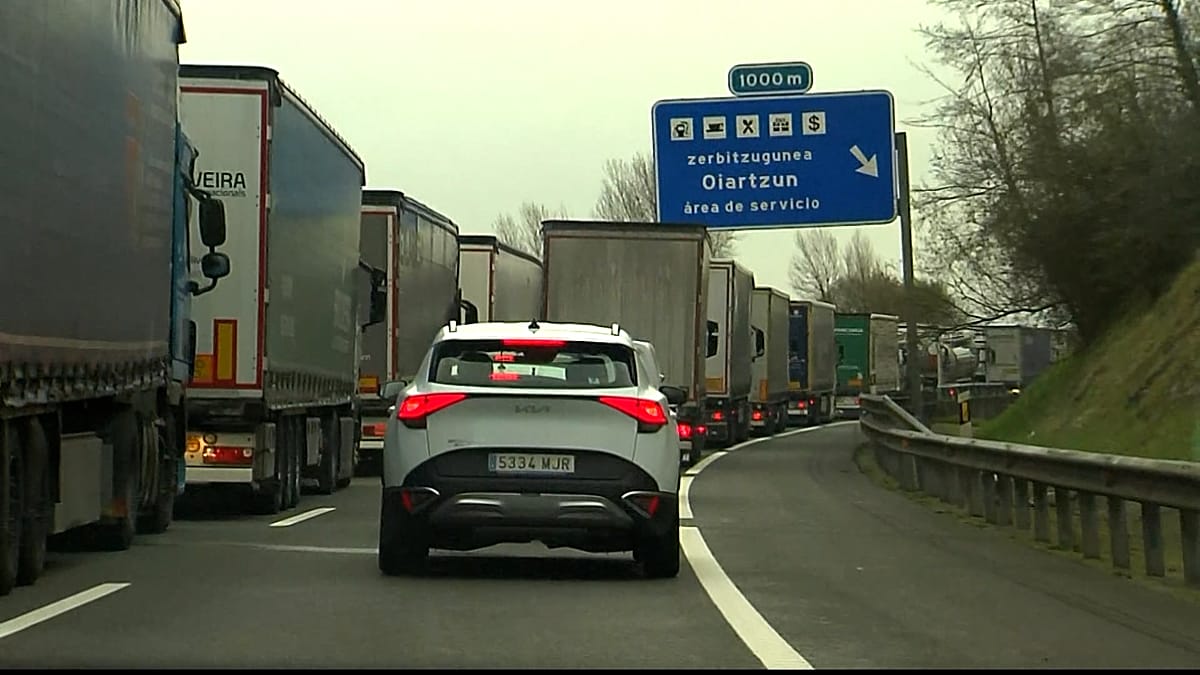
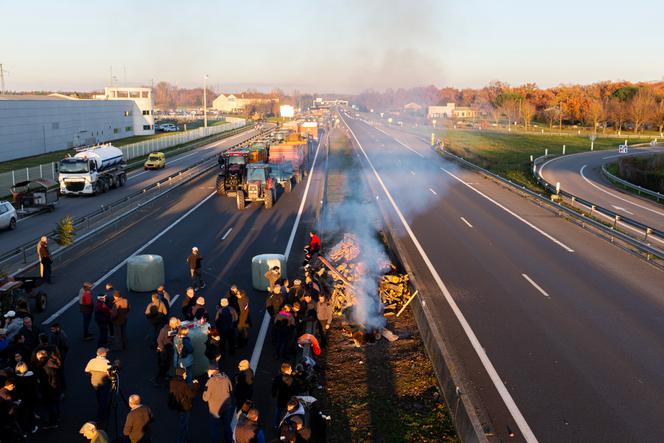
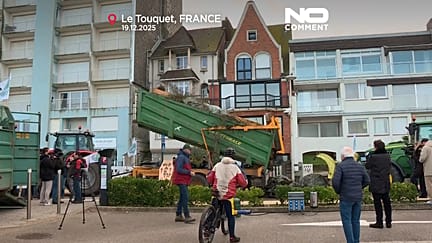
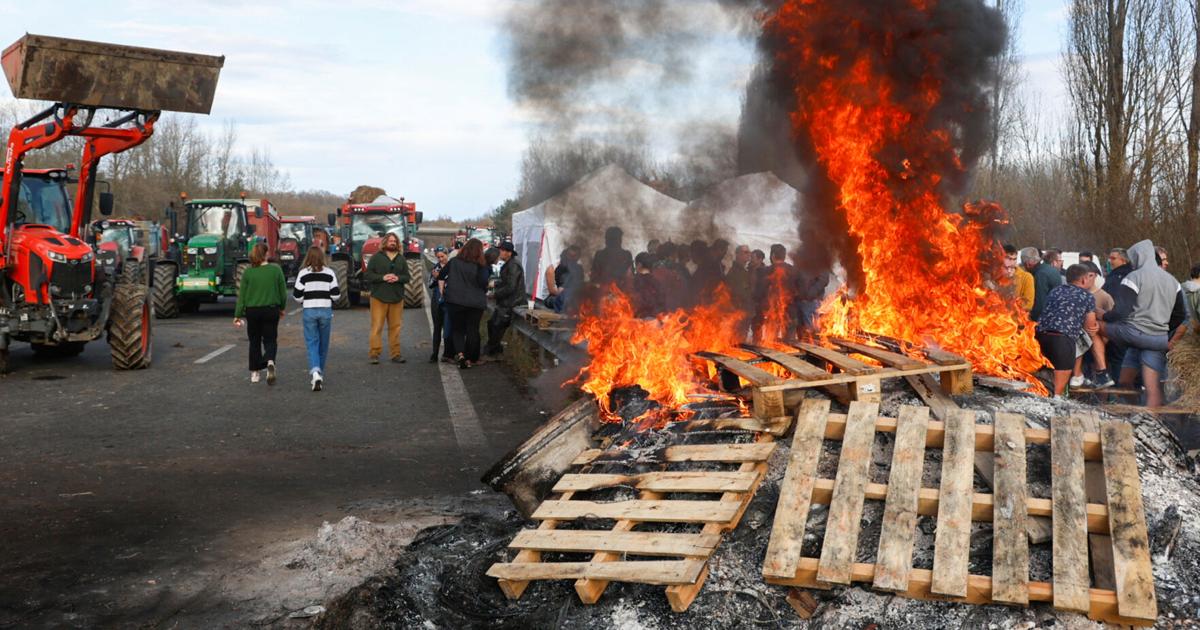
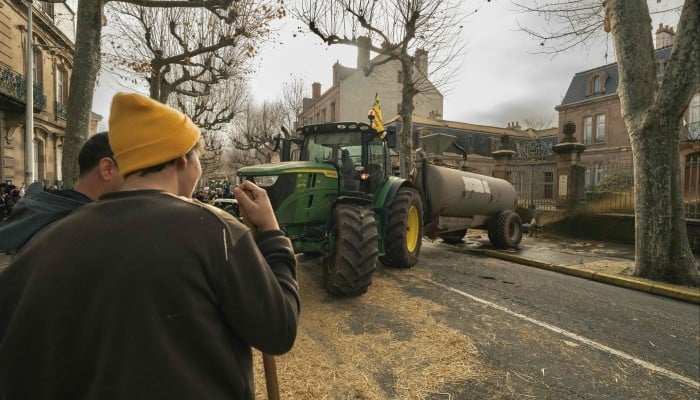
The protests have escalated dramatically, transforming from traditional demonstrations to high-profile symbolic actions like placing a coffin outside President Macron's residence and targeting government buildings. This is not merely a labor dispute, but a profound challenge to the European integration model. Farmers are experiencing a perfect storm of economic challenges: falling incomes, insurmountable debt, complex regulations, and the potential of first trade deficit in 50 years for France's agricultural sector.
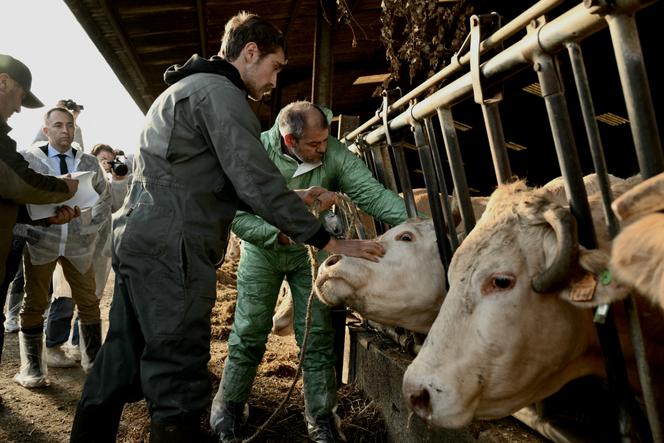
The lumpy skin disease crisis has further intensified tensions, with mandatory cattle culling adding another layer of economic pressure. Prime Minister Sébastien Lecornu's attempts to negotiate have been met with deep skepticism, reflecting a broader breakdown of trust between agricultural communities and political leadership. The protests reveal a deeper societal fracture characterized by anti-elite rhetoric, distrust in scientific authorities, and a sense of economic marginalization.
Strategically, these protests signal a critical moment for European trade policy. The farmers are not just fighting against specific regulations, but against a perceived erosion of their economic sovereignty. The EU-Mercosur trade deal symbolizes this tension—a supranational agreement that threatens local agricultural ecosystems. By targeting Macron's personal residence, farmers are making a powerful statement about the personal impact of abstract trade policies.
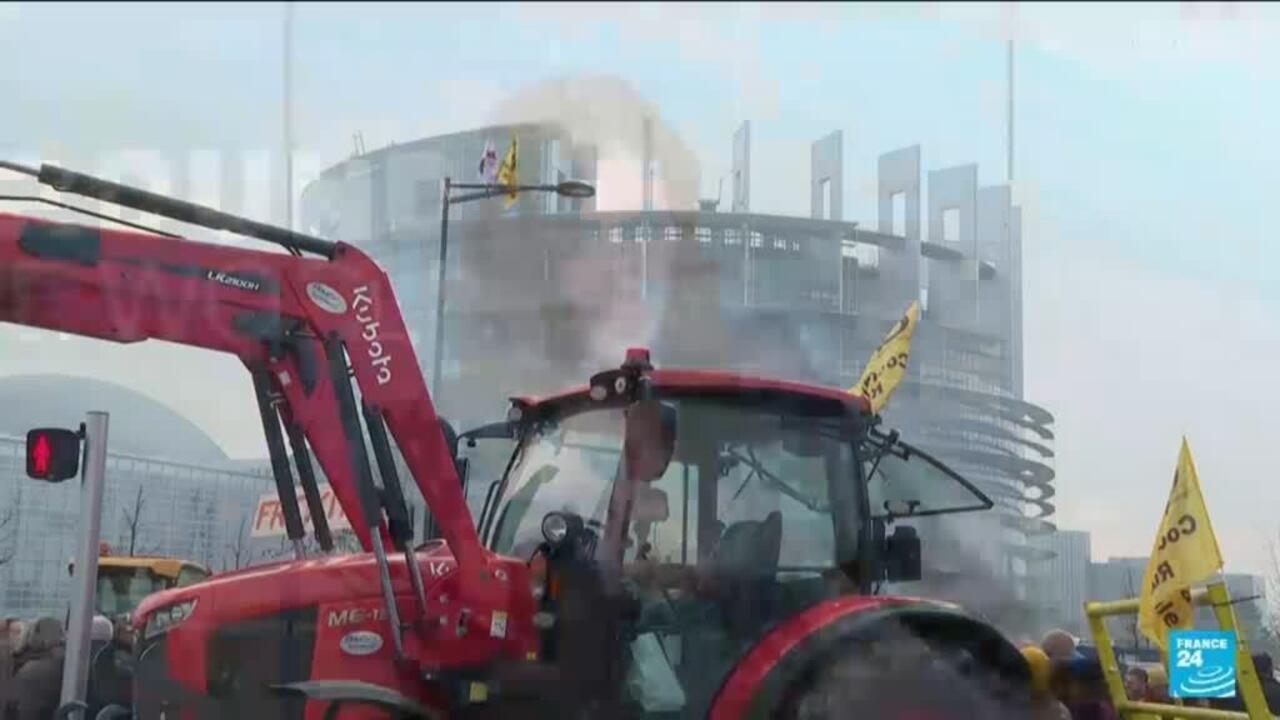
The implications extend far beyond France. This is a potential watershed moment for how democratic societies negotiate the complex balance between global economic integration and local economic protection. The farmers' movement represents a grassroots challenge to the technocratic approach to trade policy, demanding a more nuanced consideration of local economic ecosystems.
Questions 3
How do the farmers' protests challenge EU trade policy?
The protests represent a grassroots challenge to supranational trade frameworks, highlighting the tension between global economic integration and local economic protection. By targeting high-profile locations like Macron's residence, farmers are demanding a more nuanced approach to trade agreements that considers local agricultural ecosystems.
What are the primary economic pressures driving the French farmers' protests?
Farmers are facing multiple challenges including plummeting agricultural prices, falling incomes, insurmountable debt, complex regulations, new European carbon taxes, and potential unfair competition from the proposed EU-Mercosur trade agreement. The threat of France's first agricultural trade deficit in 50 years is a critical underlying concern.