




Holiday Scam Tsunami: How Cybercriminals Are Weaponizing Digital Distraction
- Unprecedented Fraud Risks Targeting Last-Minute Online Shoppers Across Multiple Platforms
























Overview
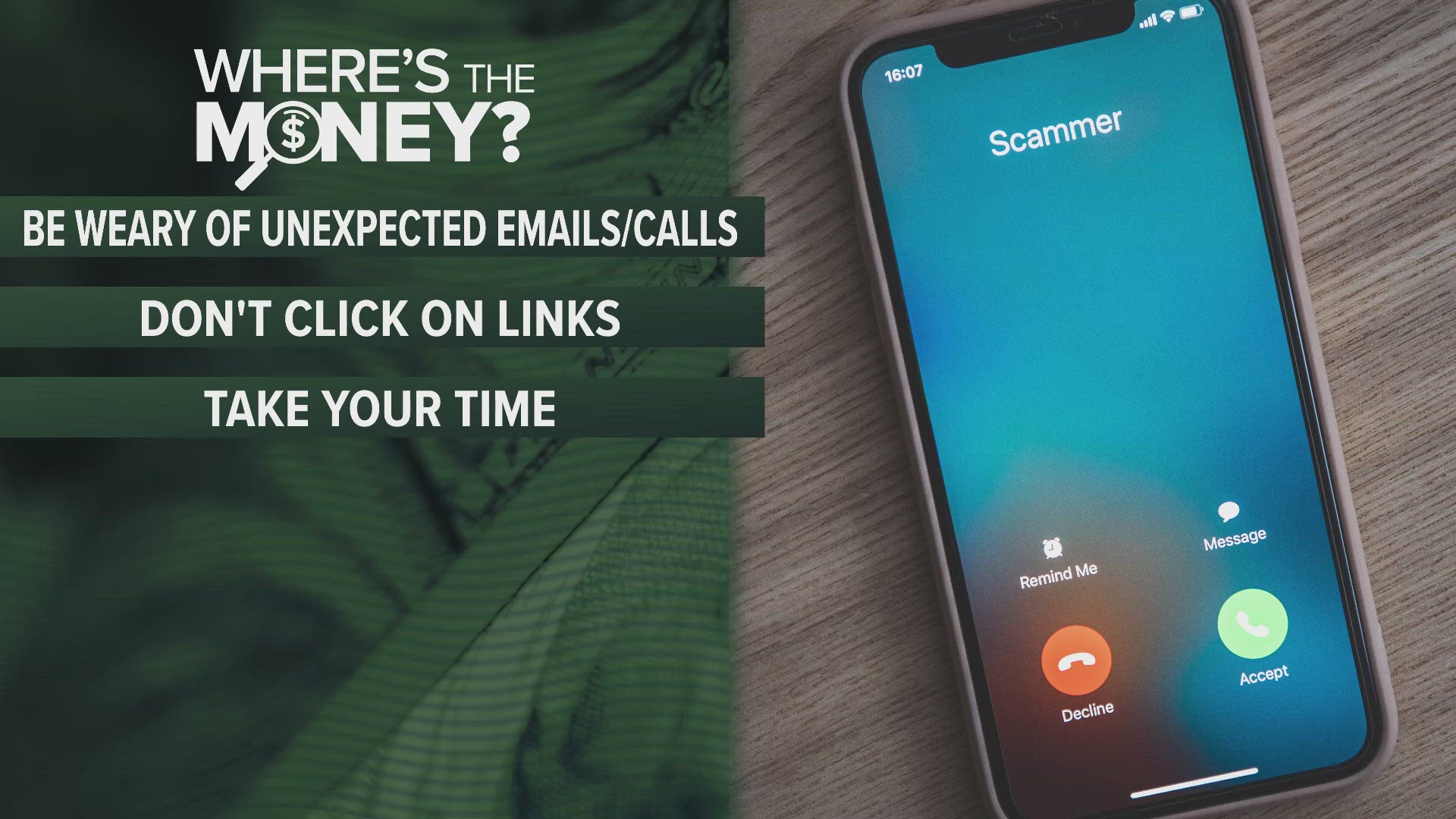
The 2024 holiday shopping season has unveiled a critical digital security crisis, with cybercriminals exploiting consumer vulnerability through increasingly sophisticated technological tactics. Across multiple authoritative sources, a disturbing pattern emerges: scammers are strategically targeting distracted, time-pressured online shoppers through intricate digital manipulation techniques.
The scale of this threat is staggering. Nearly 9 out of 10 U.S. adults have been targeted by scams, with financial losses mounting dramatically. In Ohio alone, residents reported $36 million in online shopping fraud in just the first half of 2025, while the Federal Trade Commission documented an additional $1.5 billion in nationwide shopping scam losses.
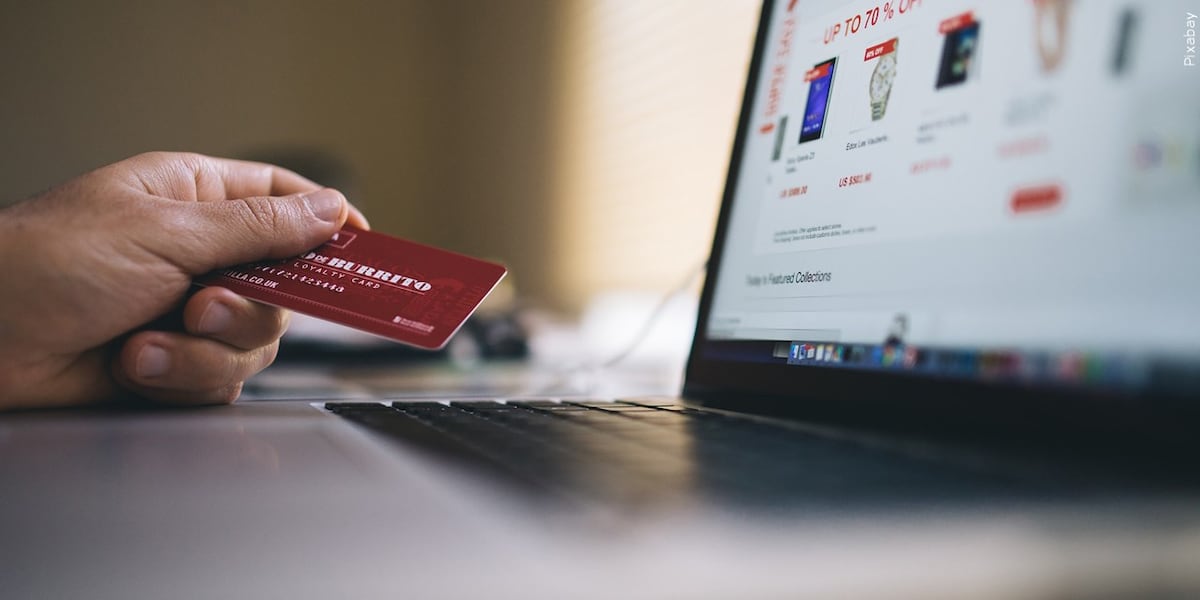
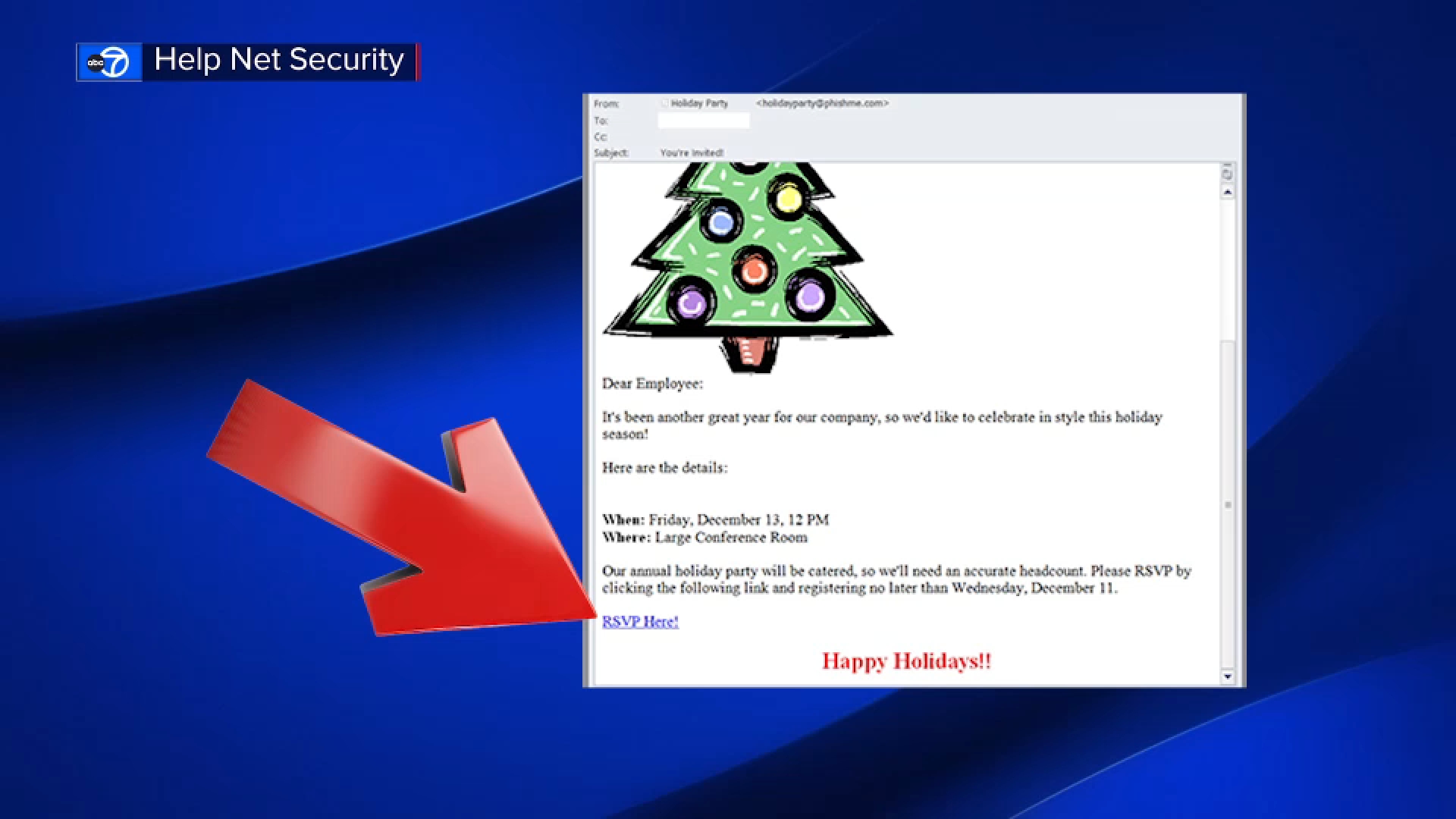
What makes these scams particularly dangerous is their technological sophistication. Cybercriminals are leveraging advanced artificial intelligence to create hyper-realistic fake storefronts, manipulate social media advertising, and generate convincing fraudulent communications. Their tactics range from creating temporary social media stores with stolen logos to sending fake shipping notifications and establishing transient online platforms designed to vanish after collecting payments.
The most vulnerable populations are seniors and last-minute holiday shoppers, with approximately 62% of individuals aged 65 and older falling victim to fake storefront scams. Scammers expertly exploit emotional triggers like time pressure, holiday stress, and the desire to find perfect last-minute gifts. Their strategies include bank impersonation, charity fraud, non-delivery scams, and even elaborate romance schemes that can take months to execute.
For e-commerce sellers and consumers alike, the implications are profound. The rising complexity of these scams demands unprecedented vigilance, robust verification processes, and continuous consumer education. The FBI's Criminal Investigative Division emphasizes that prevention—not recovery—is the primary defense against these increasingly global and technology-enabled criminal networks.
Questions 3
What makes holiday shoppers particularly vulnerable to online scams?
Holiday shoppers are vulnerable due to increased time pressure, emotional stress, and desire to find last-minute gifts. Scammers exploit this distraction by creating sophisticated fake storefronts, manipulating social media ads, and using urgent, fear-based messaging that triggers impulsive decision-making.
What are the most effective ways for consumers to protect themselves?
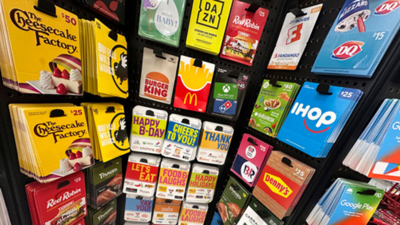
Consumers should carefully verify website URLs, be skeptical of social media ads with unrealistic discounts, shop directly through official retailer websites, use credit cards with fraud protection, and never make unusual payment requests like gift cards or cryptocurrency transfers.