


Global Markets Navigate Monetary Shifts and Tech Resilience
- Unprecedented Central Bank Moves Signal Complex Financial Landscape for Investors and Tech Sectors


























Overview
The financial markets of late 2025 are revealing a profound transformation, characterized by strategic monetary recalibration and technological sector resilience. At the epicenter of this shift is the Bank of Japan's landmark interest rate increase to 0.75%, marking the highest level in three decades and signaling a critical pivot away from ultra-expansionary monetary policies.
This monetary realignment is creating a complex, multi-dimensional financial ecosystem. Global bond yields are experiencing significant movements, with Japan's 10-year bond yield settling above 2% for the first time since 1999 and the U.S. 10-year yield reaching 4.15%. These shifts indicate more than technical adjustments—they represent a fundamental recalibration of global financial strategies.
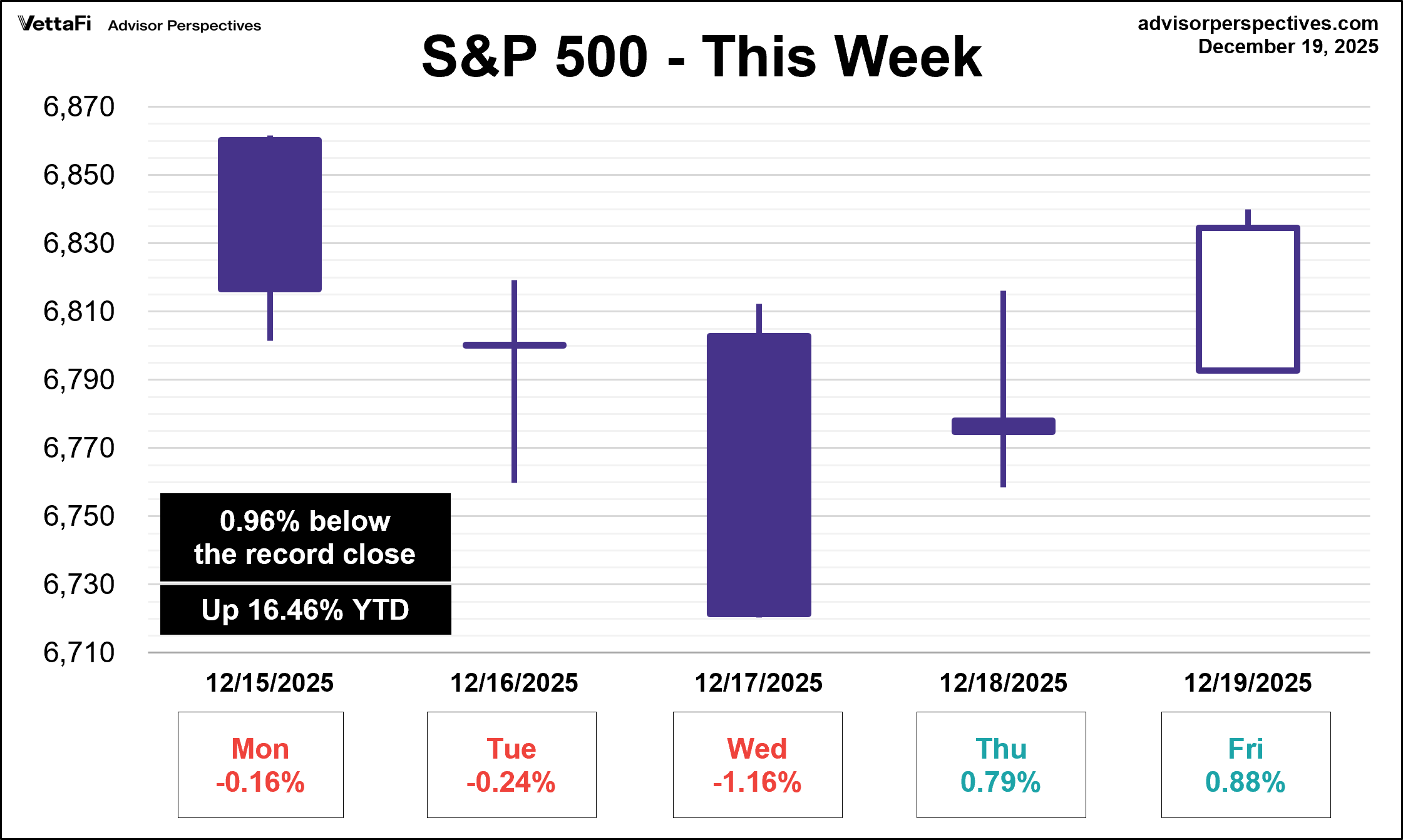
The technology sector emerges as a critical counterpoint to these macroeconomic changes. AI-related stocks, particularly companies like Nvidia, Palantir, and Broadcom, are demonstrating remarkable resilience. The Nasdaq composite rose 1.3%, with tech stocks showing strong performance even amid monetary uncertainties. This suggests that technological innovation continues to be a primary driver of market confidence and growth.
Simultaneously, the market is experiencing notable corporate volatility. Nike's 11% stock decline contrasts sharply with Oracle's 6.6% rally following strategic partnerships, highlighting the uneven landscape for corporate performance. The precious metals market adds another layer of complexity, with gold futures reaching their 51st record high and silver hitting unprecedented levels.
The underlying narrative is one of cautious optimism. Traders are anticipating potential Federal Reserve rate cuts in 2026, with a majority betting on two potential reductions. This expectation, combined with cooling inflation indicators, creates a nuanced investment environment that rewards strategic agility and deep technological understanding.
Questions 3
What are the key indicators of technological sector strength in this market?
The Nasdaq's 1.3% rise, driven by AI-related stocks like Nvidia, Palantir, and Broadcom, demonstrates significant technological sector resilience. Companies are showing strong performance through strategic partnerships, potential chip sales, and continued innovation, indicating that tech remains a primary driver of market confidence despite broader economic uncertainties.
How significant is the Bank of Japan's recent interest rate increase?
The BOJ's rate hike to 0.75% is extremely significant, marking the highest rate in 30 years and signaling a fundamental shift away from ultra-expansionary monetary policy. This move suggests growing confidence in Japan's economic recovery and has potential far-reaching implications for global financial systems, currency exchange rates, and international investment strategies.