


Retail Safety Crisis Emerges: When Charitable Volunteers Become Vulnerable Targets
- Escalating Risks for Seasonal Workers Expose Critical Community Safety Gaps


.png)







Overview
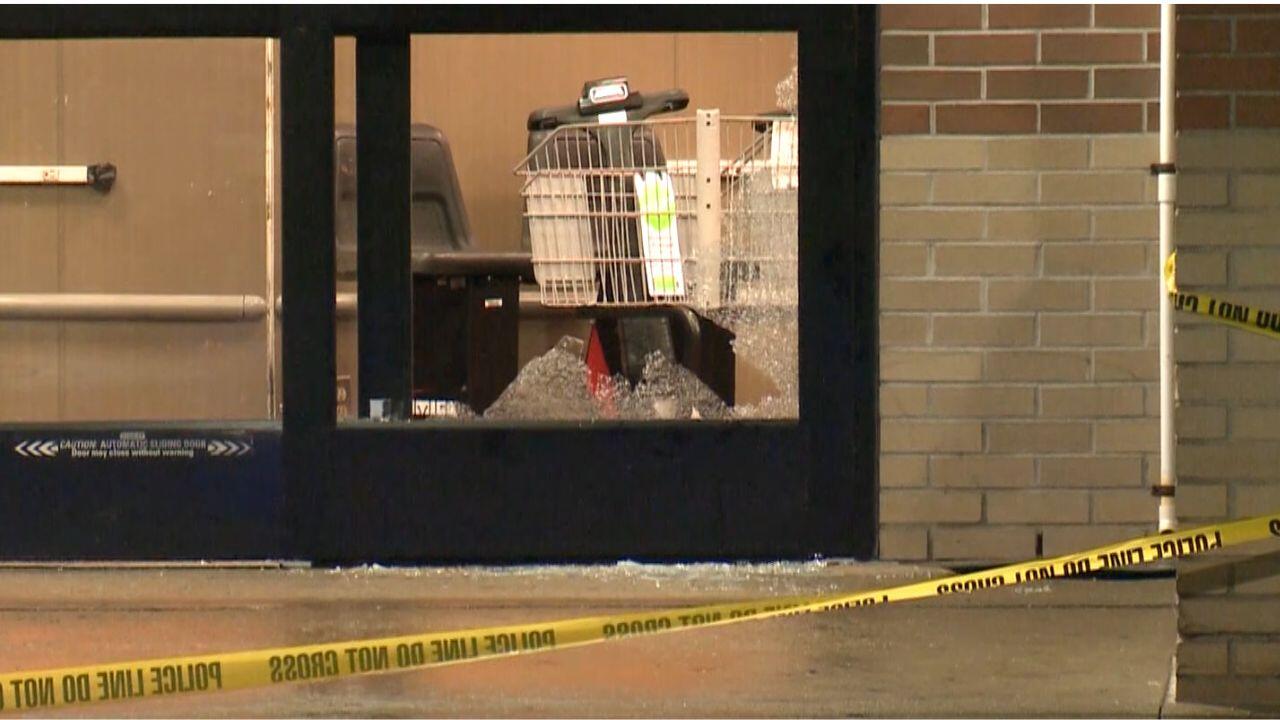
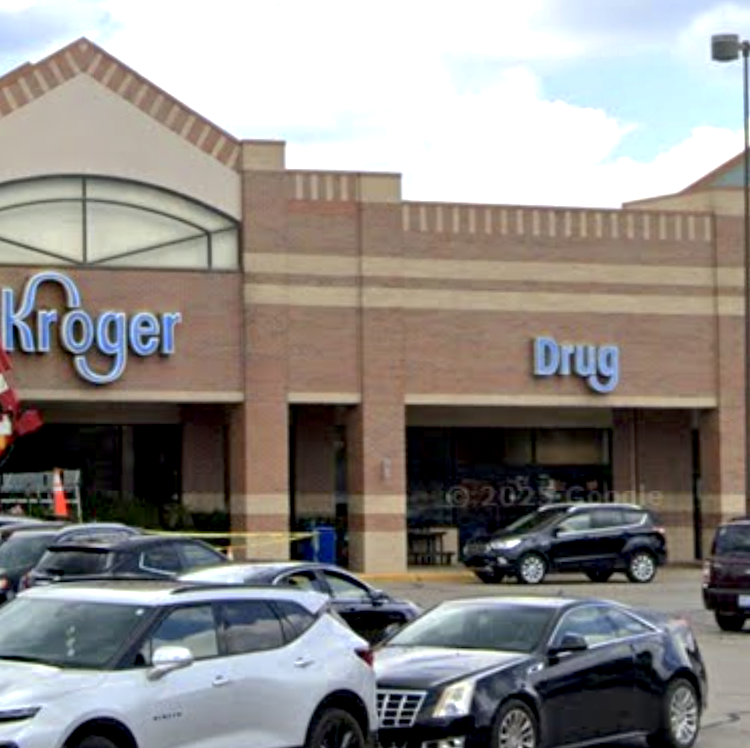
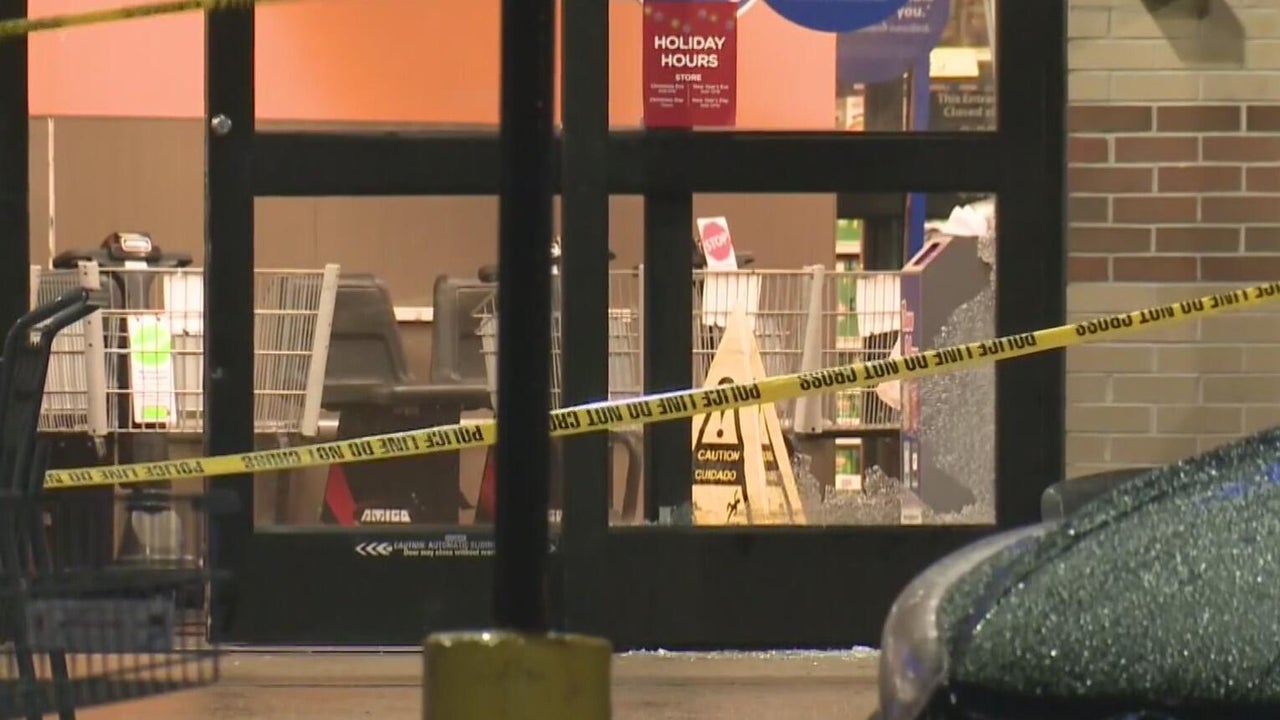
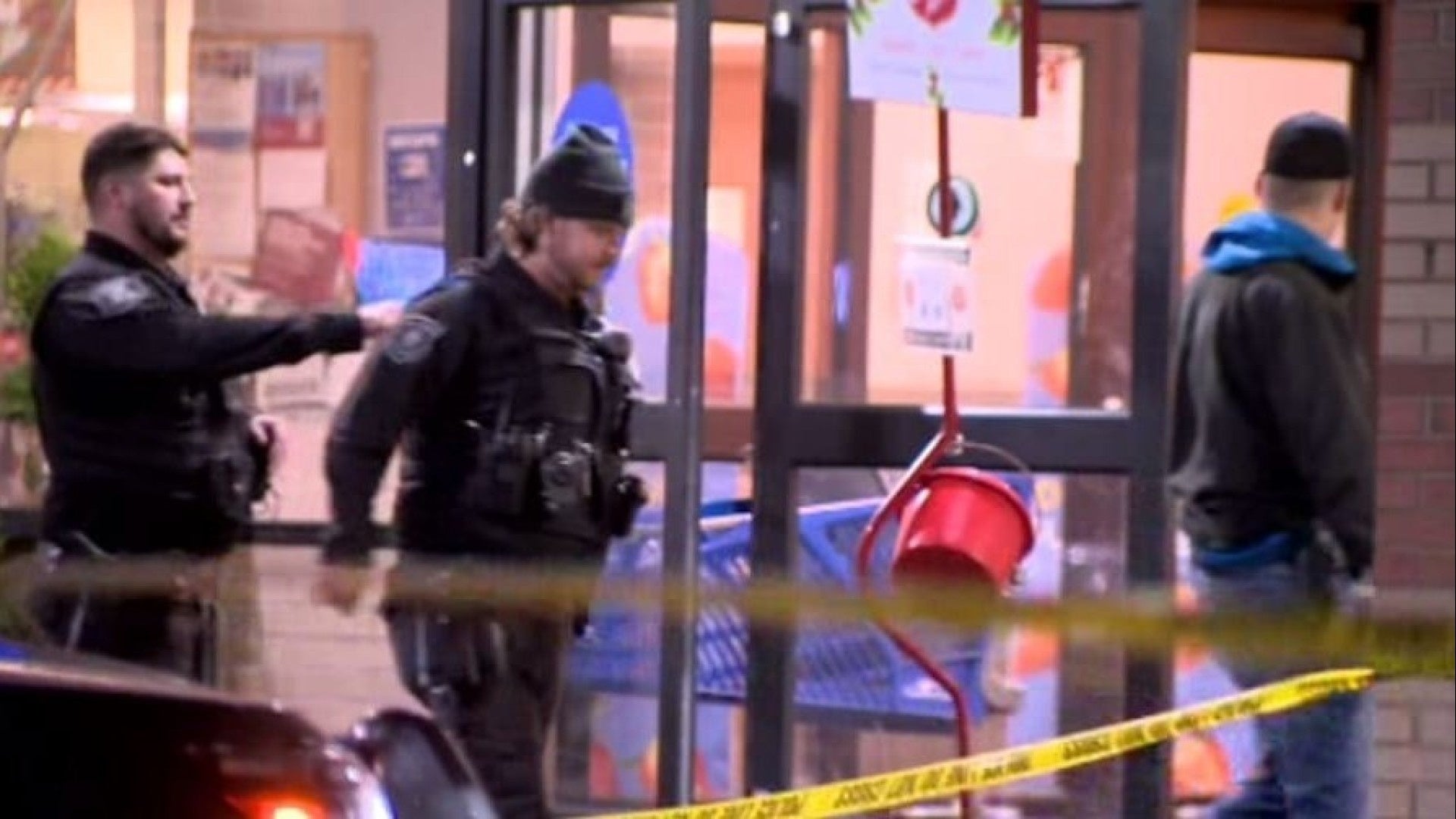
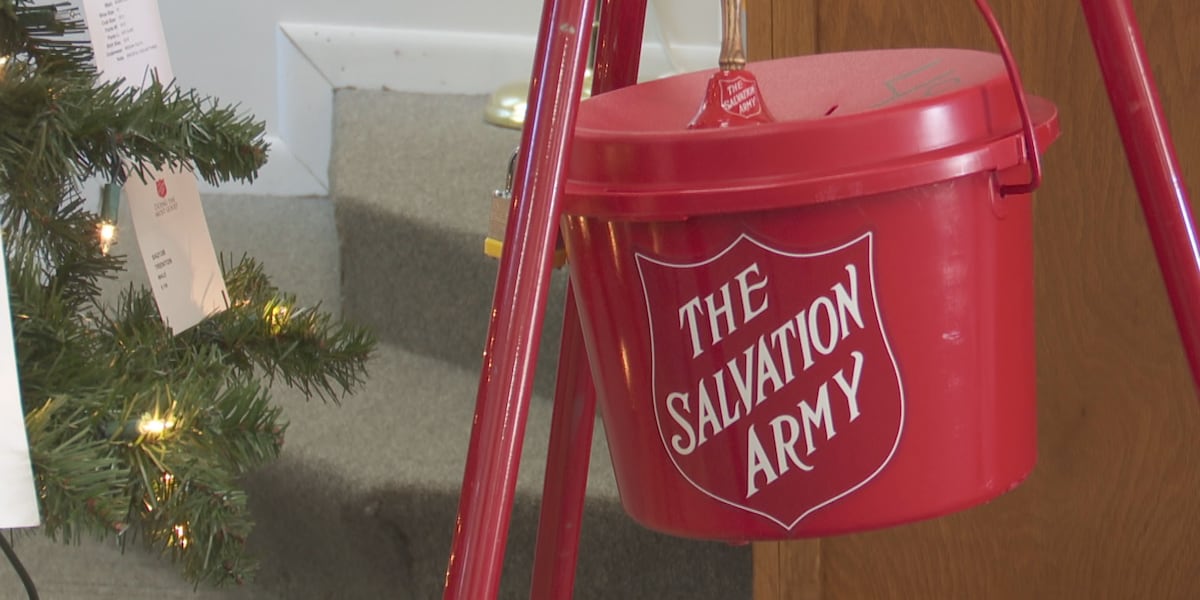
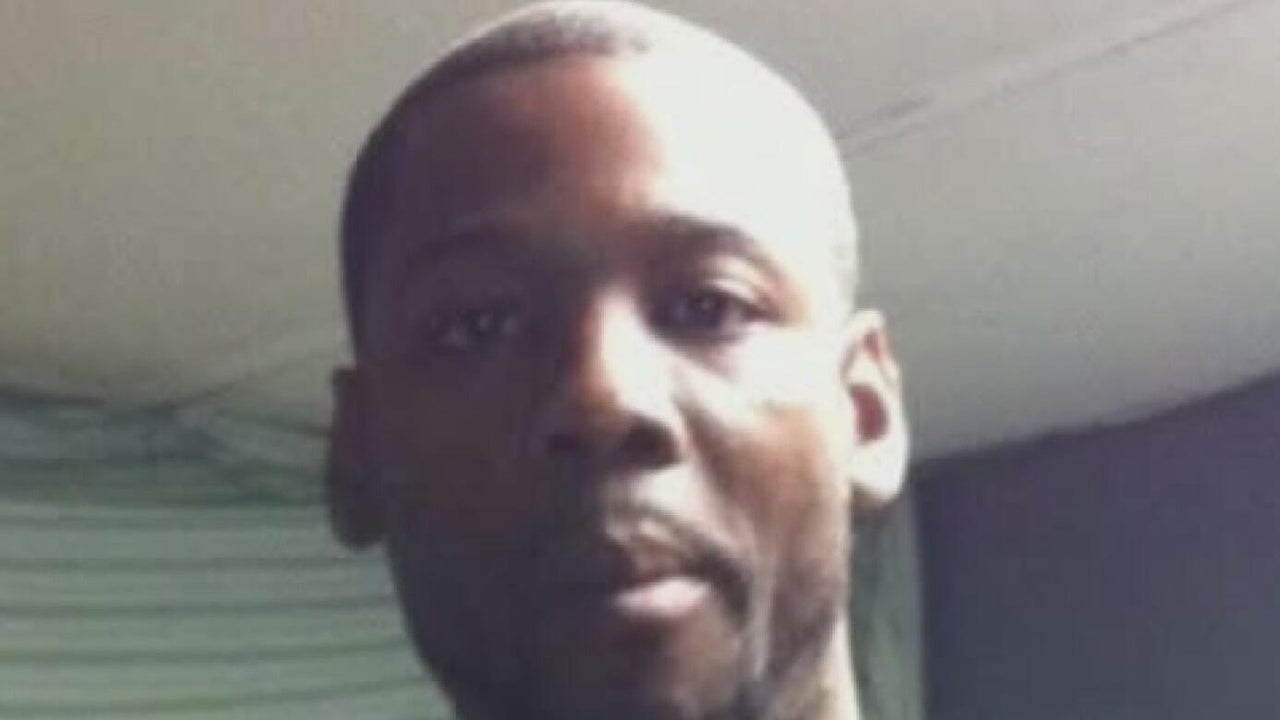
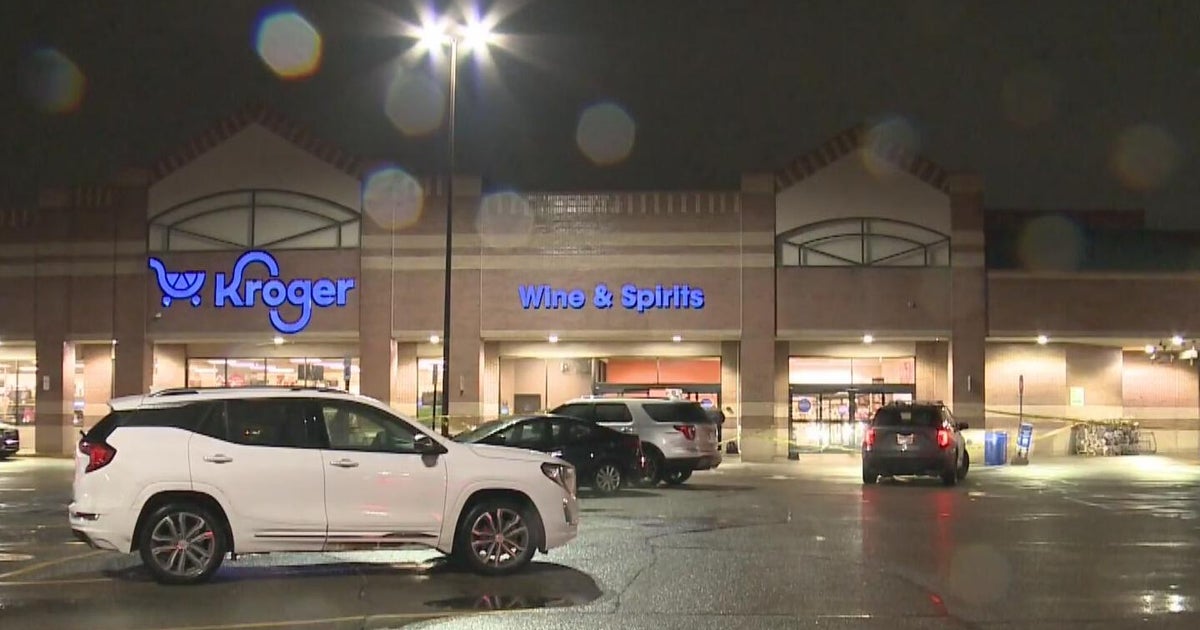
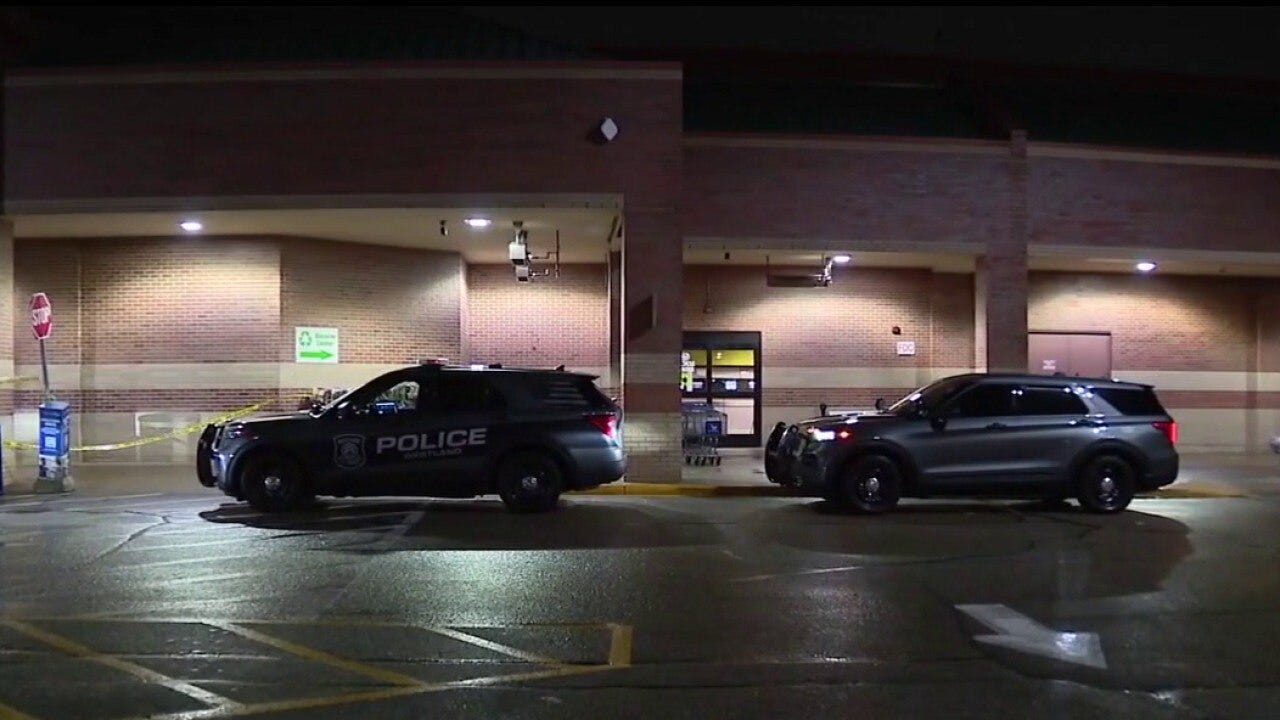
The fatal shooting of a Salvation Army bell ringer at a Westland Kroger store reveals a deeply troubling trend in retail safety, where seemingly routine charitable activities have become potential sites of targeted violence. This incident is not merely a random act but a stark illustration of the interpersonal conflict risks facing seasonal workers during high-stress holiday periods.
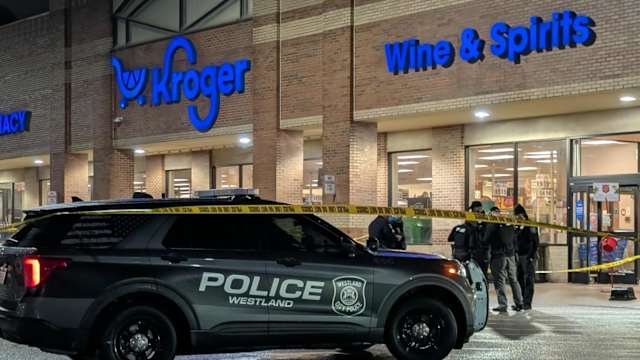
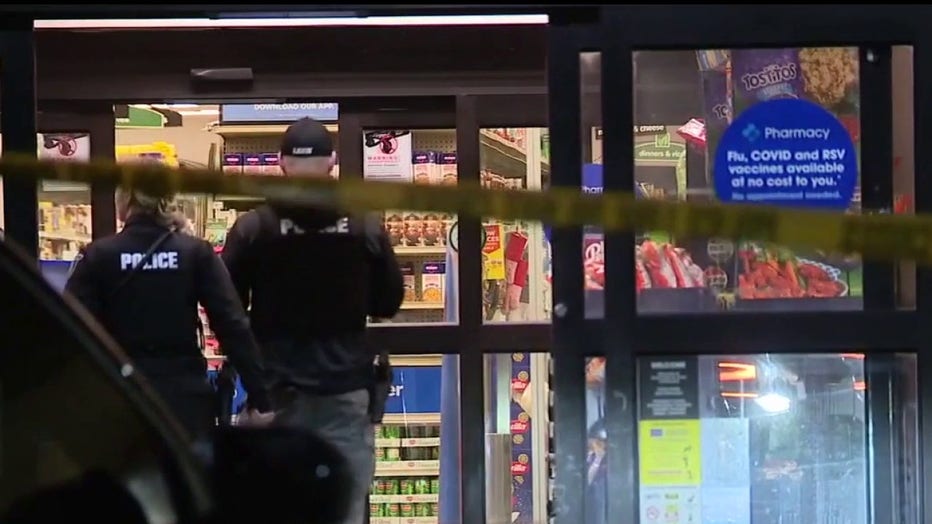
Community Vulnerability in Public Spaces emerges as the critical underlying narrative. The shooting occurred in a high-traffic retail environment—a Kroger store on Ford Road—where a volunteer collecting donations became a targeted victim. Local law enforcement's swift response, identifying and arresting the suspect within 24 hours, underscores both the serious nature of the incident and the potential pre-existing relationship between the victim and perpetrator.
The strategic implications extend far beyond this single tragic event. Retail safety protocols for charitable organizations and seasonal workers are now thrust into urgent reconsideration. The Salvation Army, typically associated with goodwill and community support, now confronts a harsh reality where its volunteers can become unexpected targets of personal vendettas. This incident highlights a critical gap in understanding and mitigating risks for individuals who represent charitable missions in public spaces.
Moreover, the event signals a broader societal concern about interpersonal conflict management in community settings. The targeted nature of the shooting suggests complex personal dynamics that traditional safety measures may not adequately address. Kroger's and the Salvation Army's collaborative response with local law enforcement indicates an emerging recognition that workplace and volunteer safety requires more nuanced, proactive strategies.
The Westland community now faces a profound challenge: how to maintain the spirit of charitable giving while protecting those who embody community service. This incident serves as a critical inflection point, demanding comprehensive reassessment of volunteer safety, conflict resolution, and the delicate balance between public engagement and personal security.
Questions 3
What are the broader implications for retail environments and community safety?
This incident exposes vulnerabilities in public spaces, suggesting retailers and community organizations must develop more comprehensive safety strategies. This includes better understanding potential conflict sources, improving situational awareness, and creating more protective environments for workers and volunteers.
How might charitable organizations respond to improve volunteer safety?
Organizations like the Salvation Army will likely need to implement more rigorous volunteer screening, provide conflict de-escalation training, and develop clearer safety protocols for public fundraising activities. This may include partnering with local law enforcement and establishing more structured support systems for volunteers.