

American Airlines' High-Stakes Gamble: Reinventing Premium Air Travel with the A321XLR
- A strategic transformation targeting market share and passenger experience in long-haul narrow-body aviation








Overview
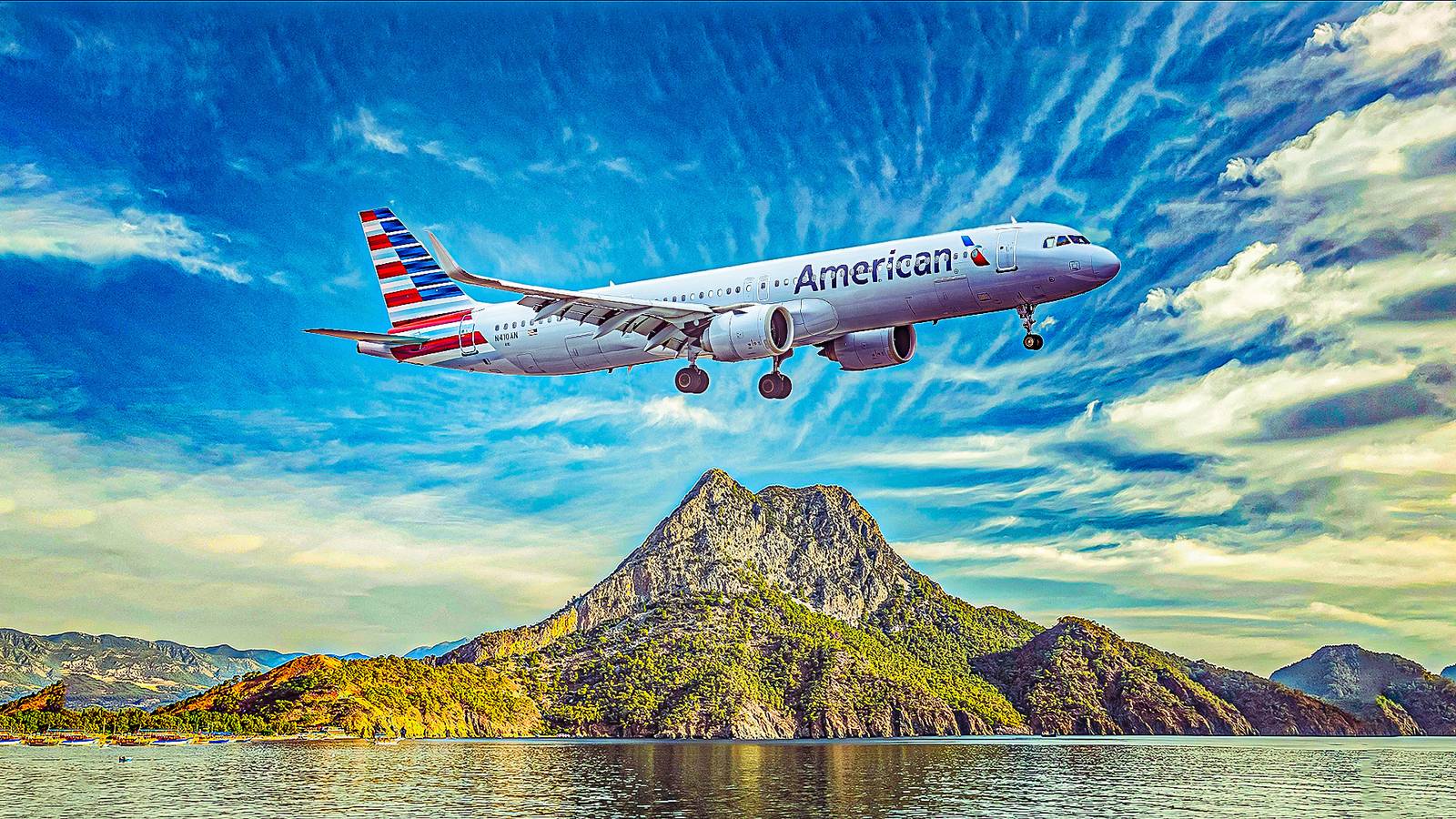
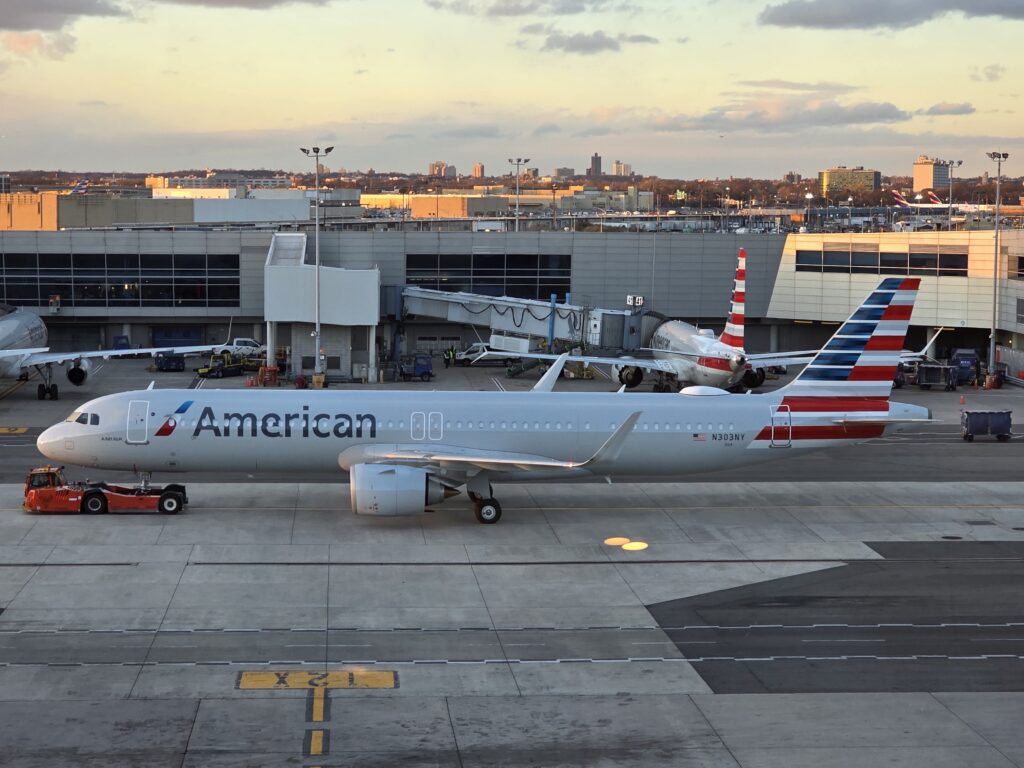
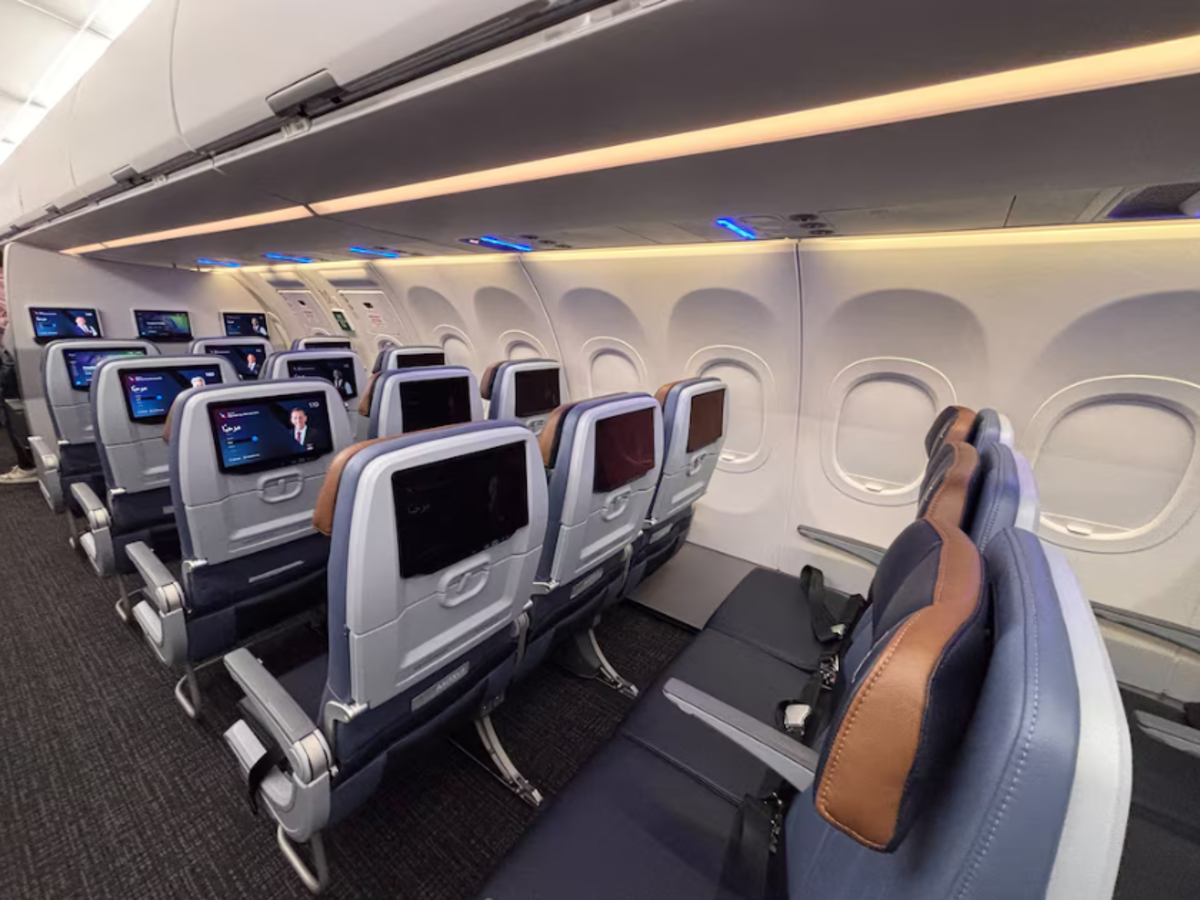
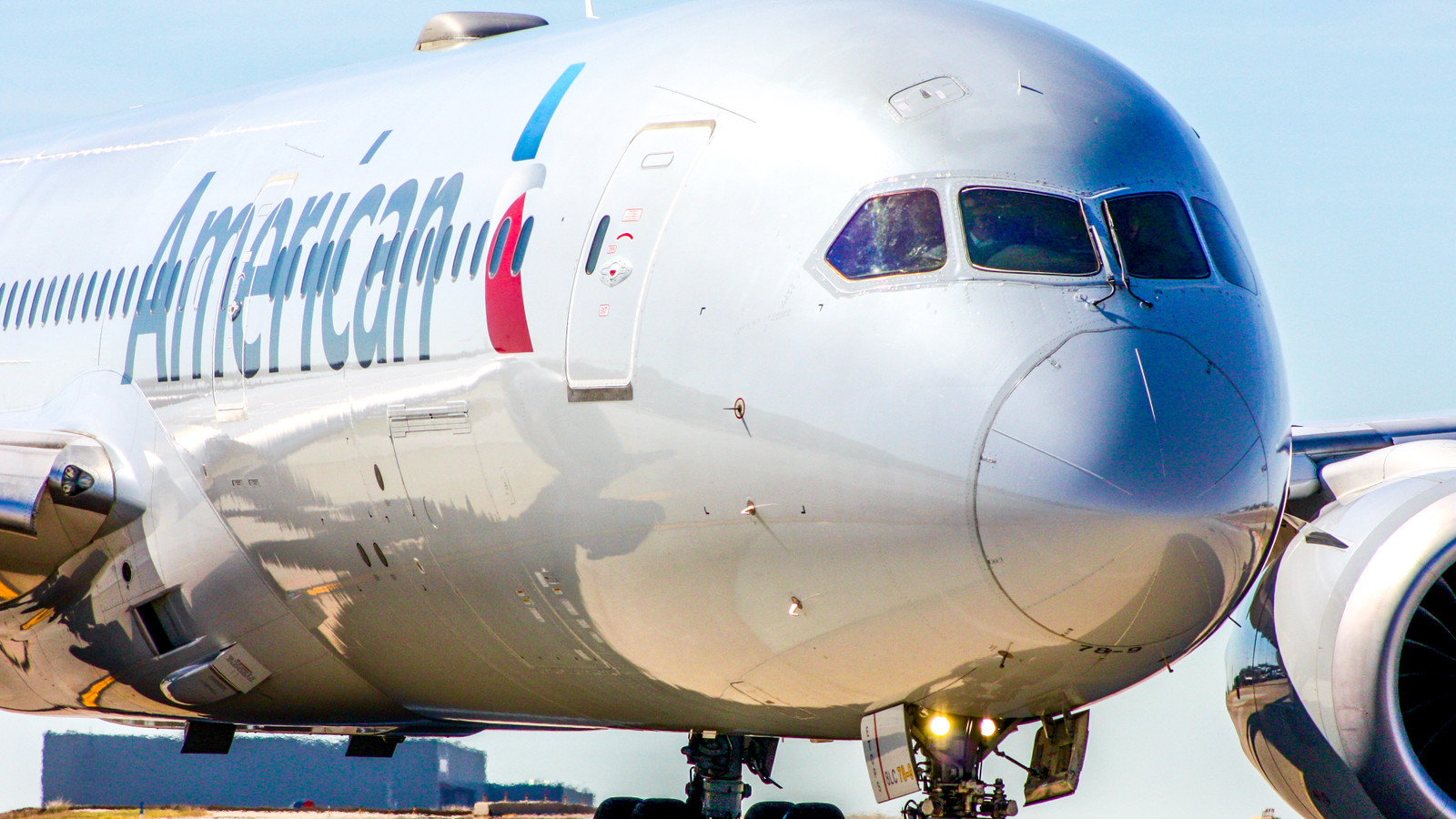
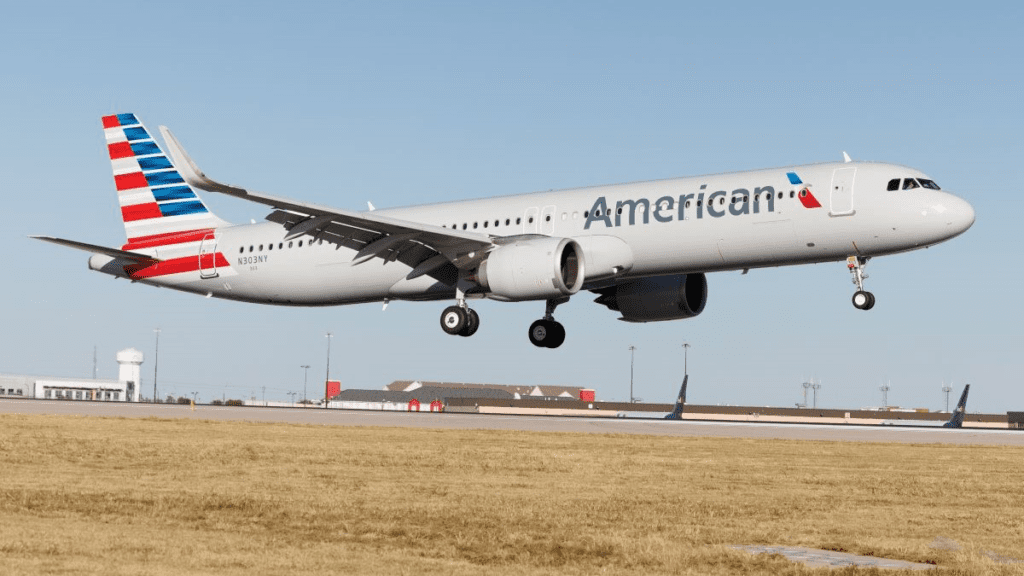
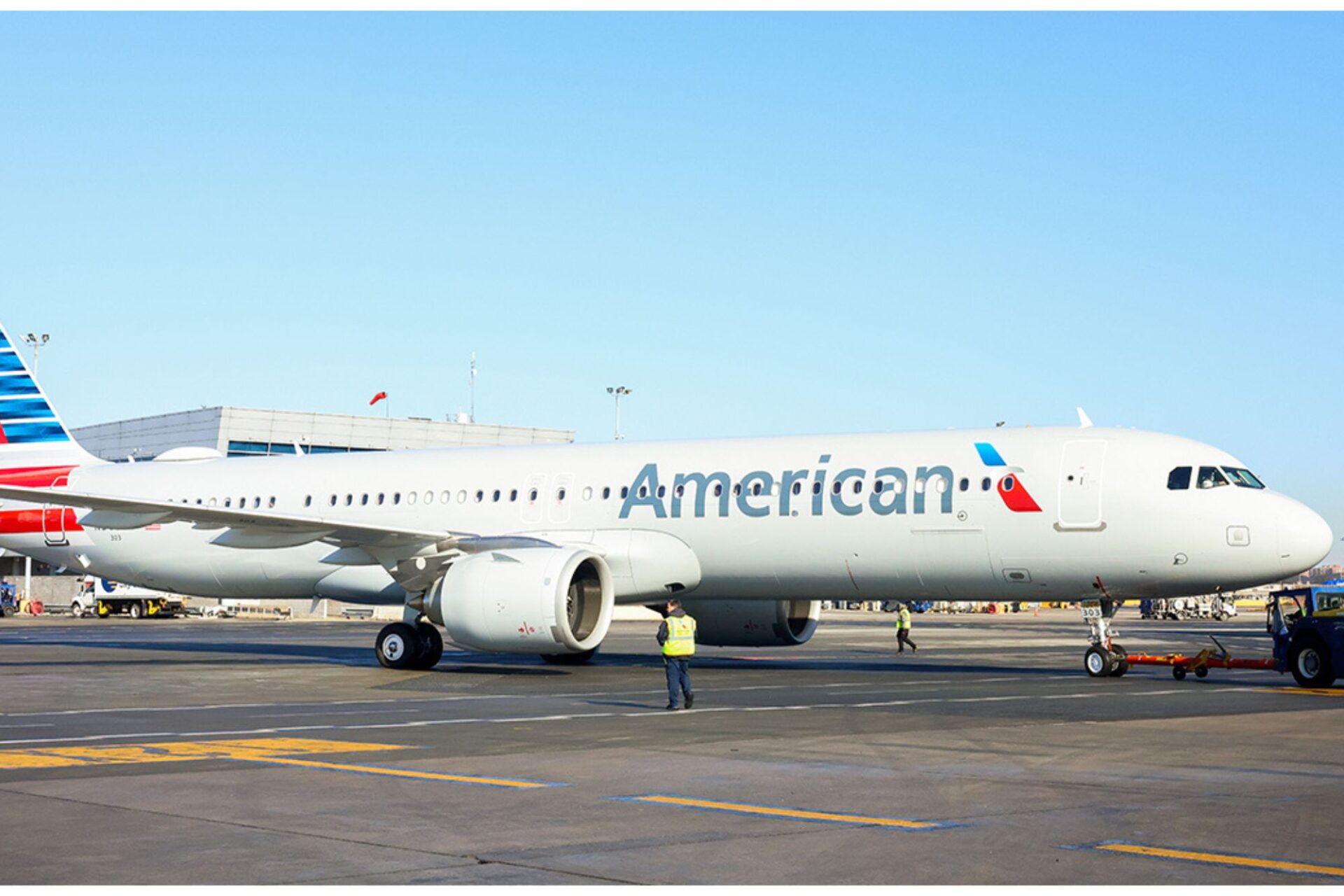
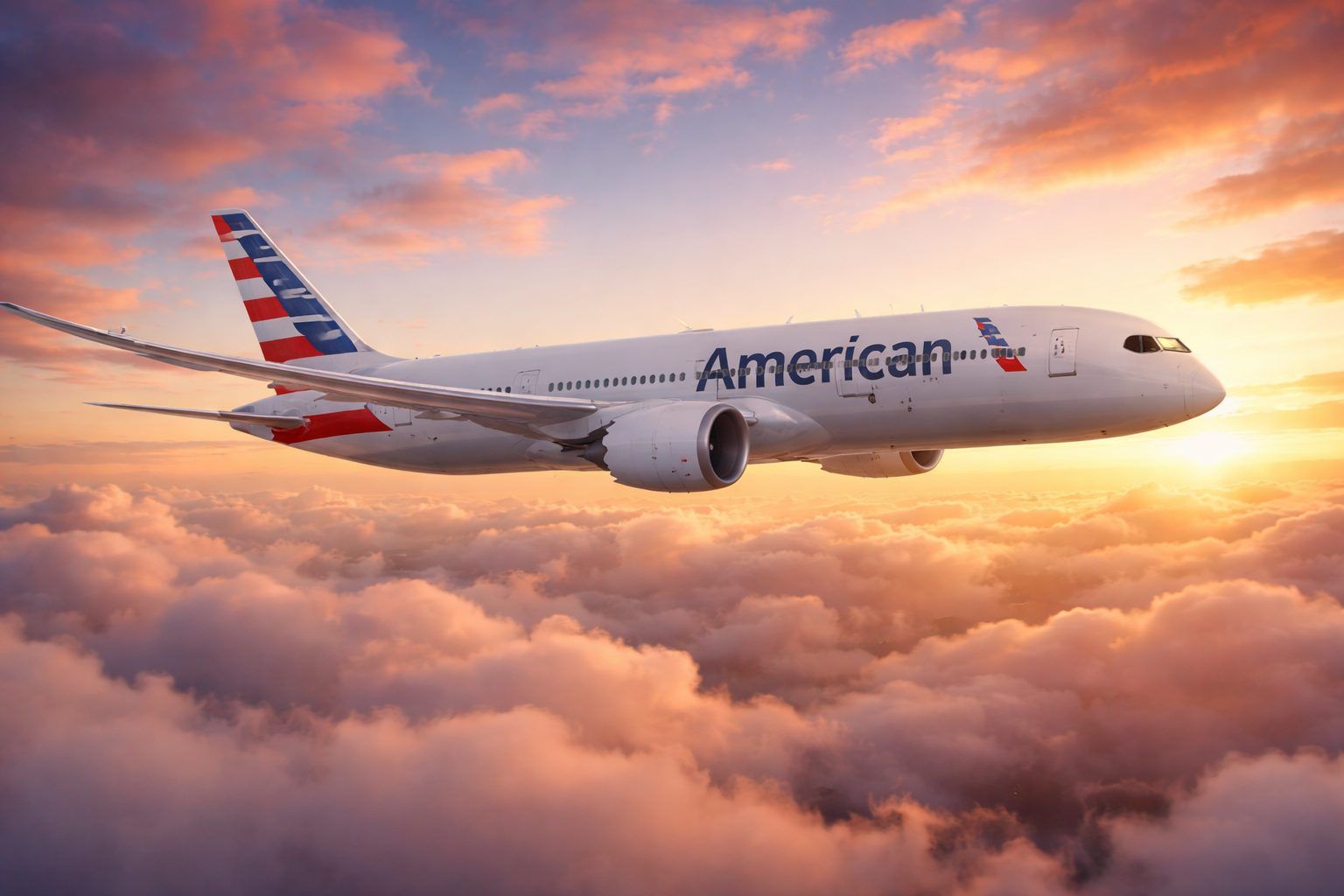
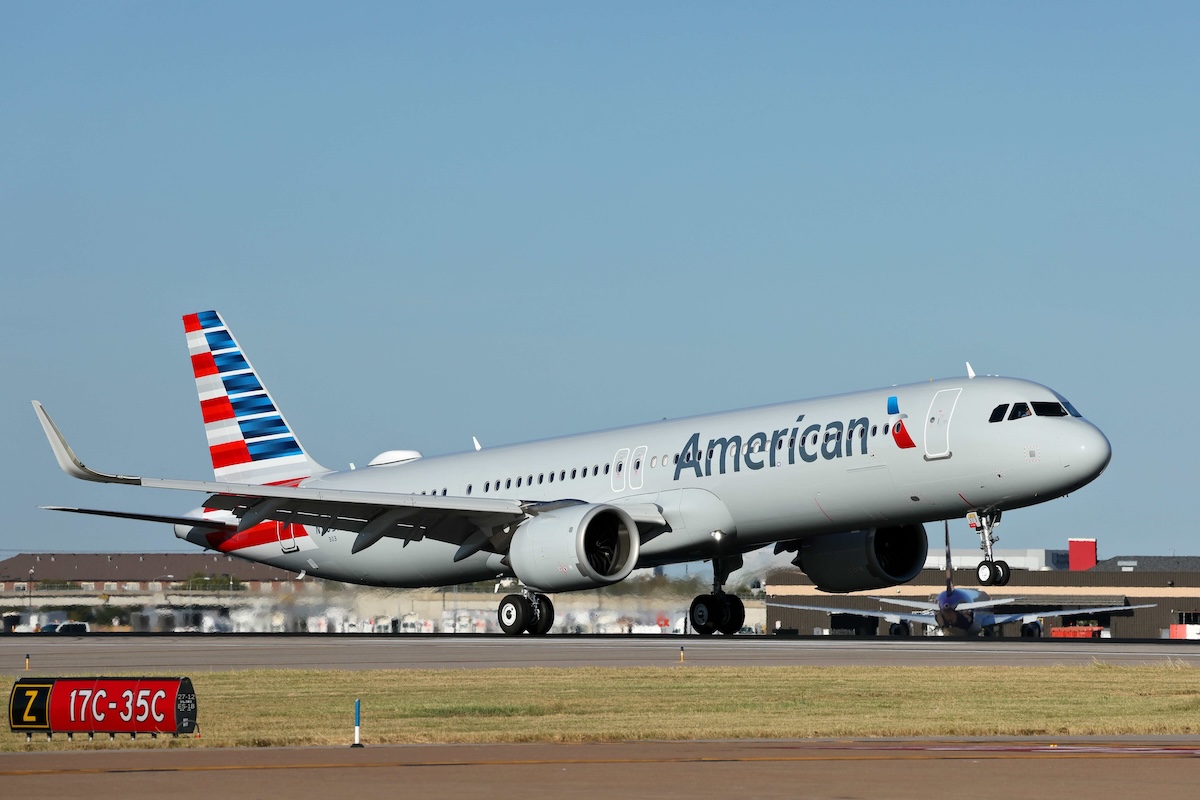
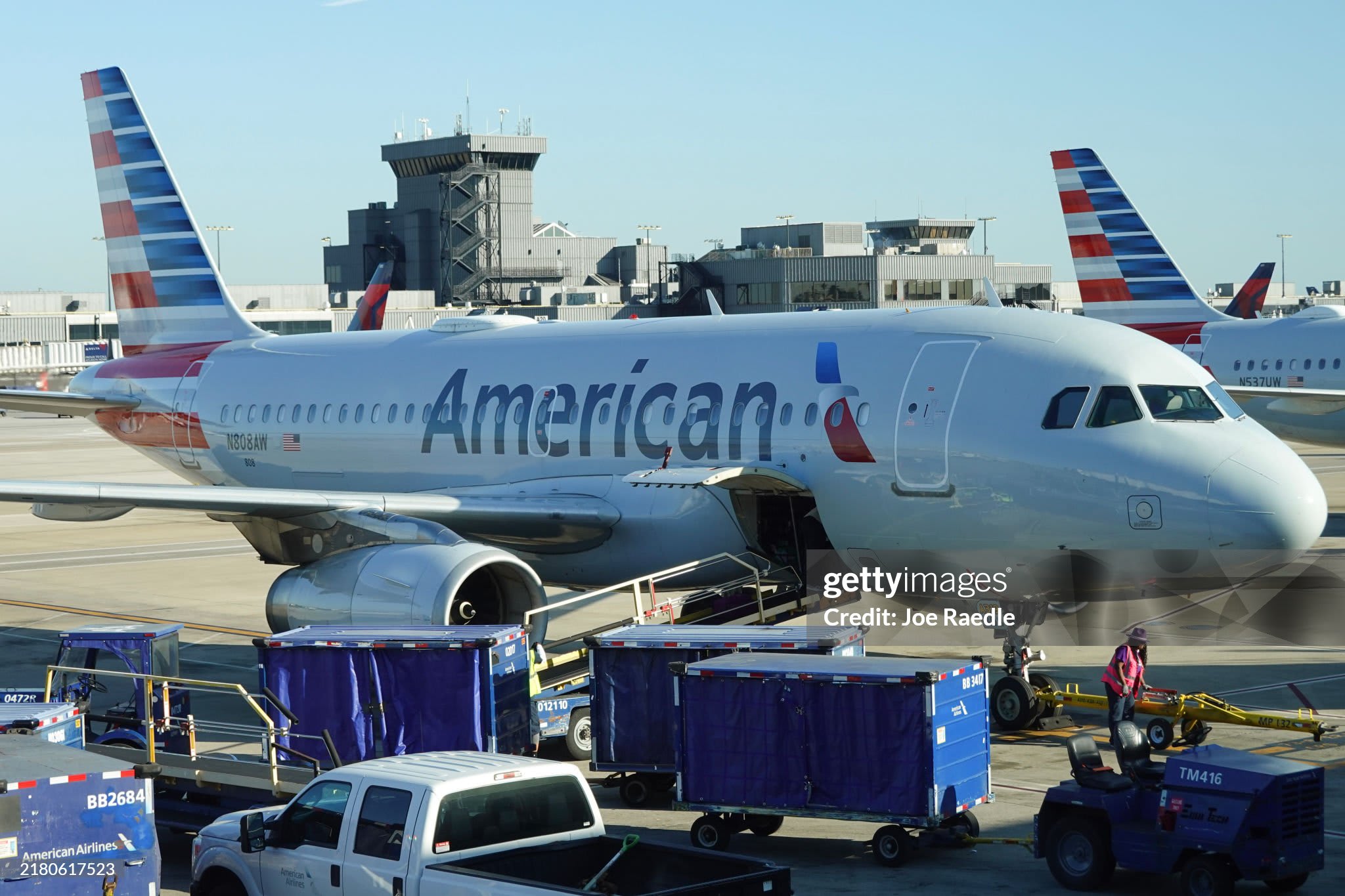
American Airlines is executing a bold reimagination of premium air travel, leveraging the Airbus A321XLR as a strategic weapon to challenge industry competitors and redefine narrow-body long-haul operations. The inaugural flight from JFK to LAX represents more than just a new aircraft—it's a calculated bet to reset the airline's competitive positioning in a brutally challenging market.
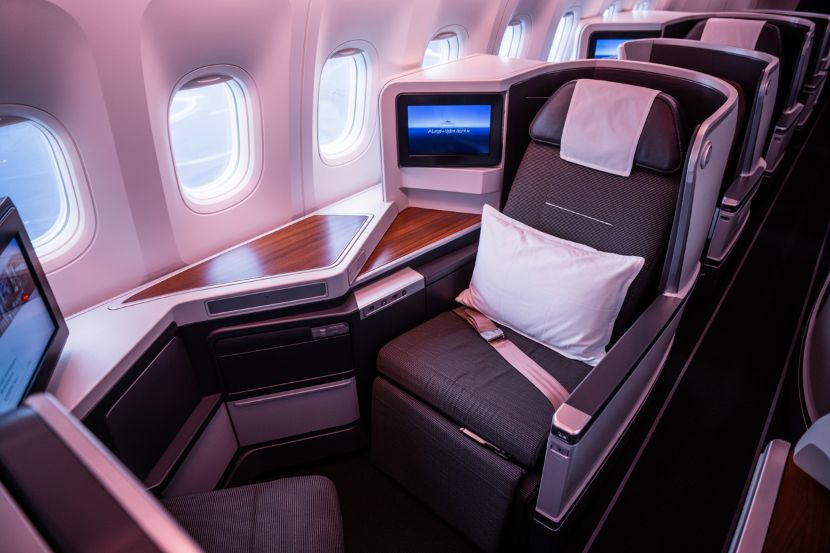
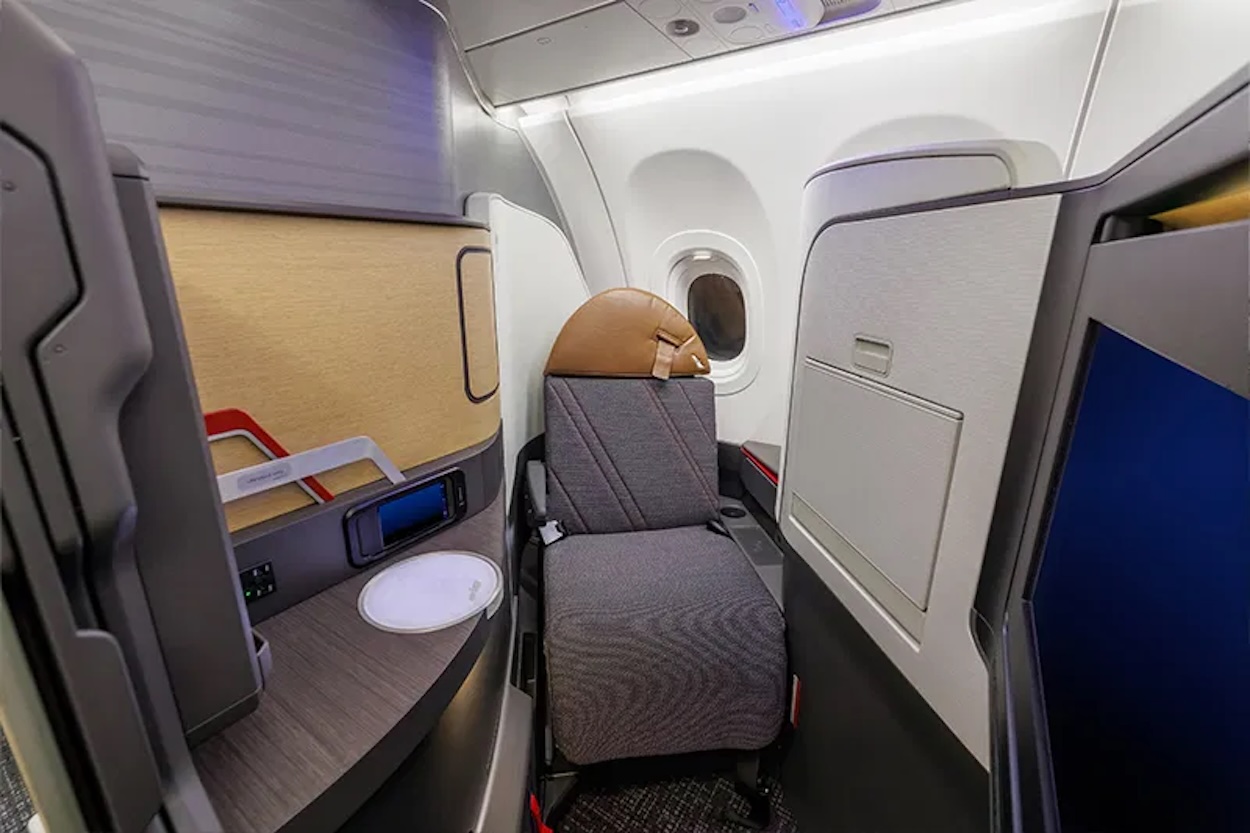
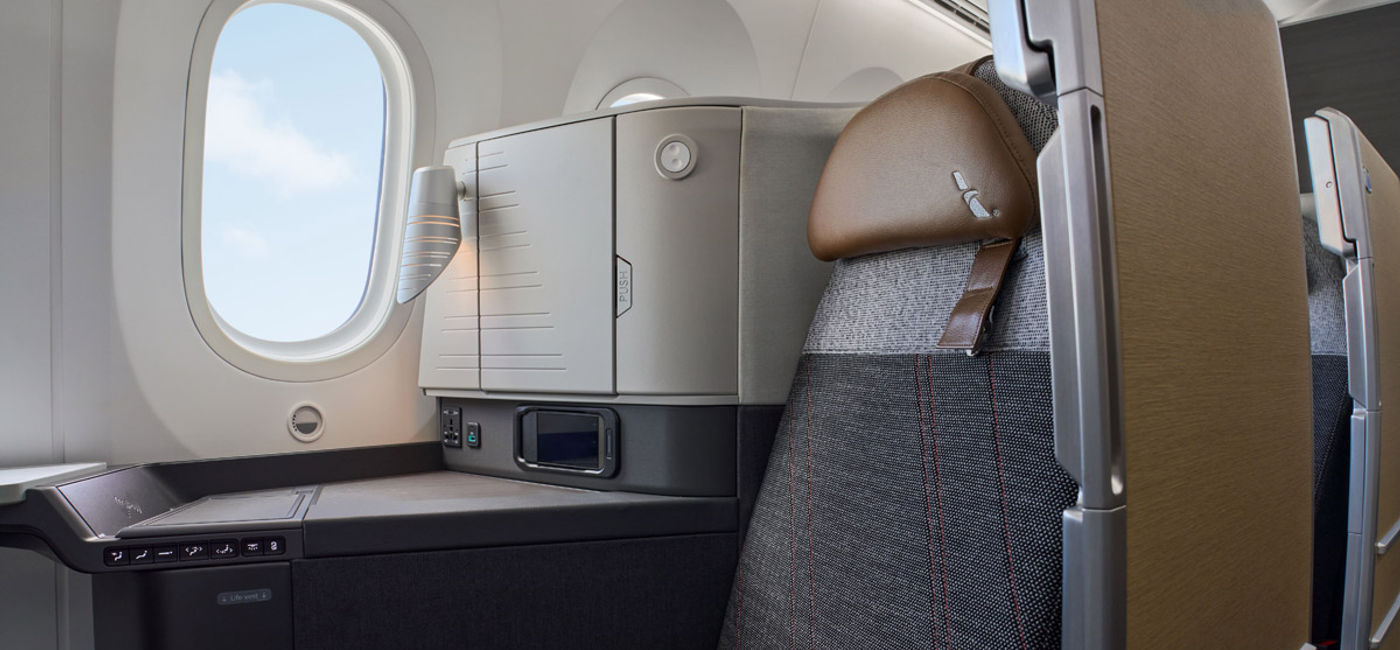
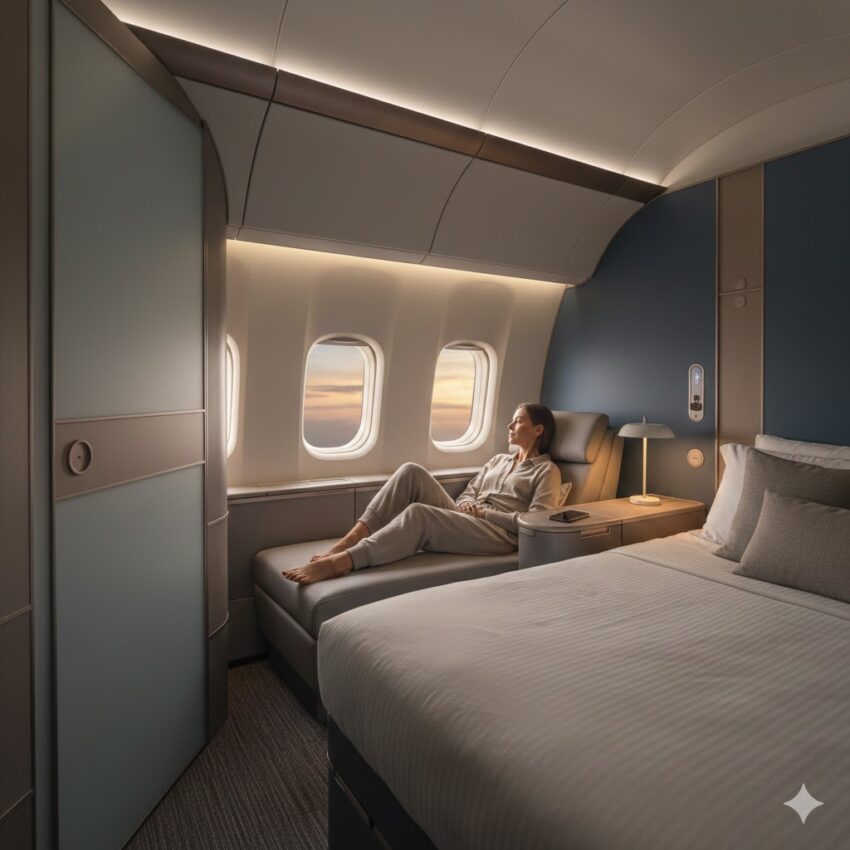
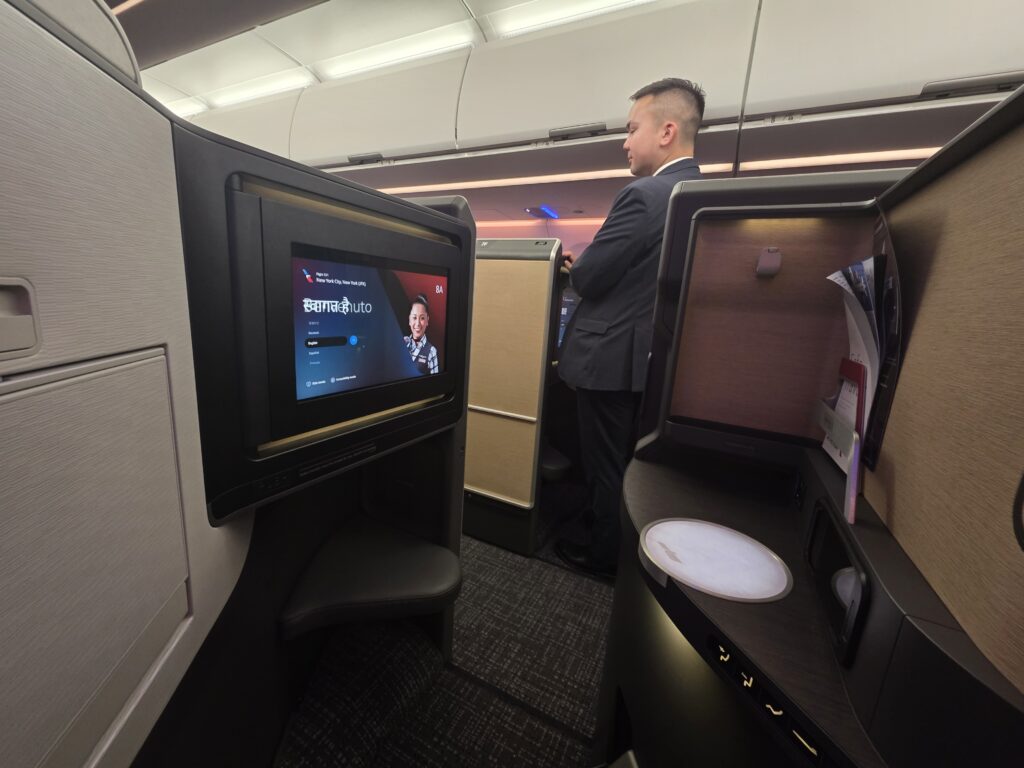
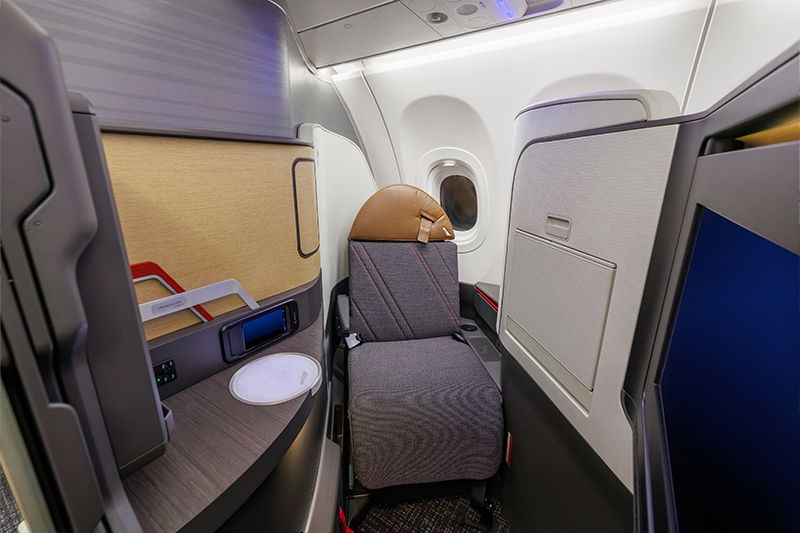
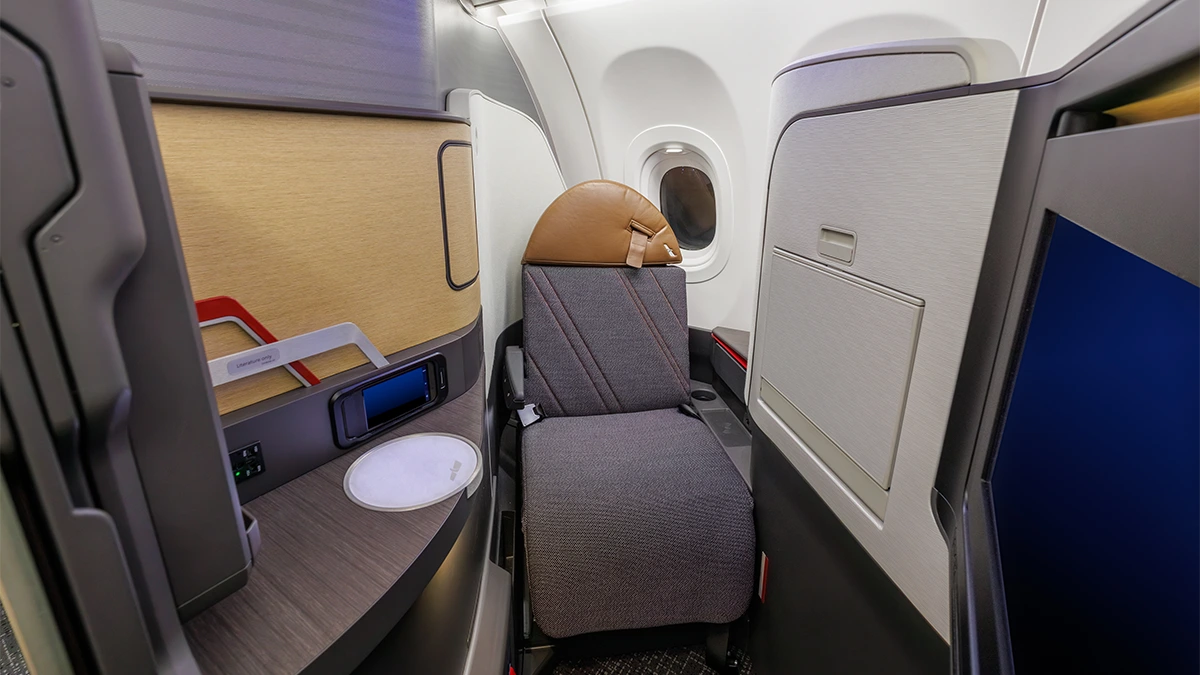
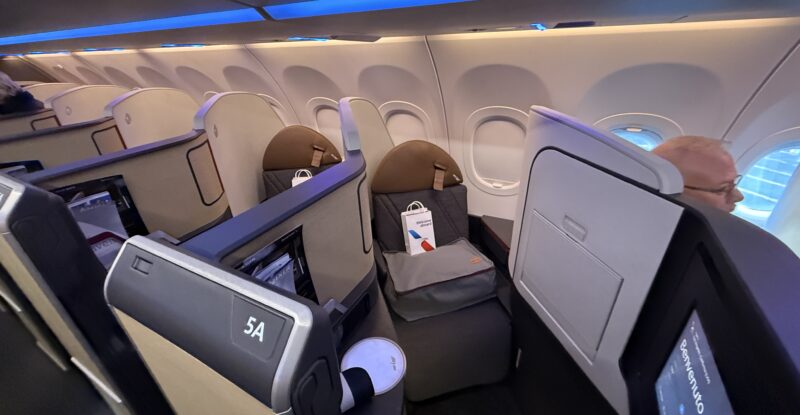
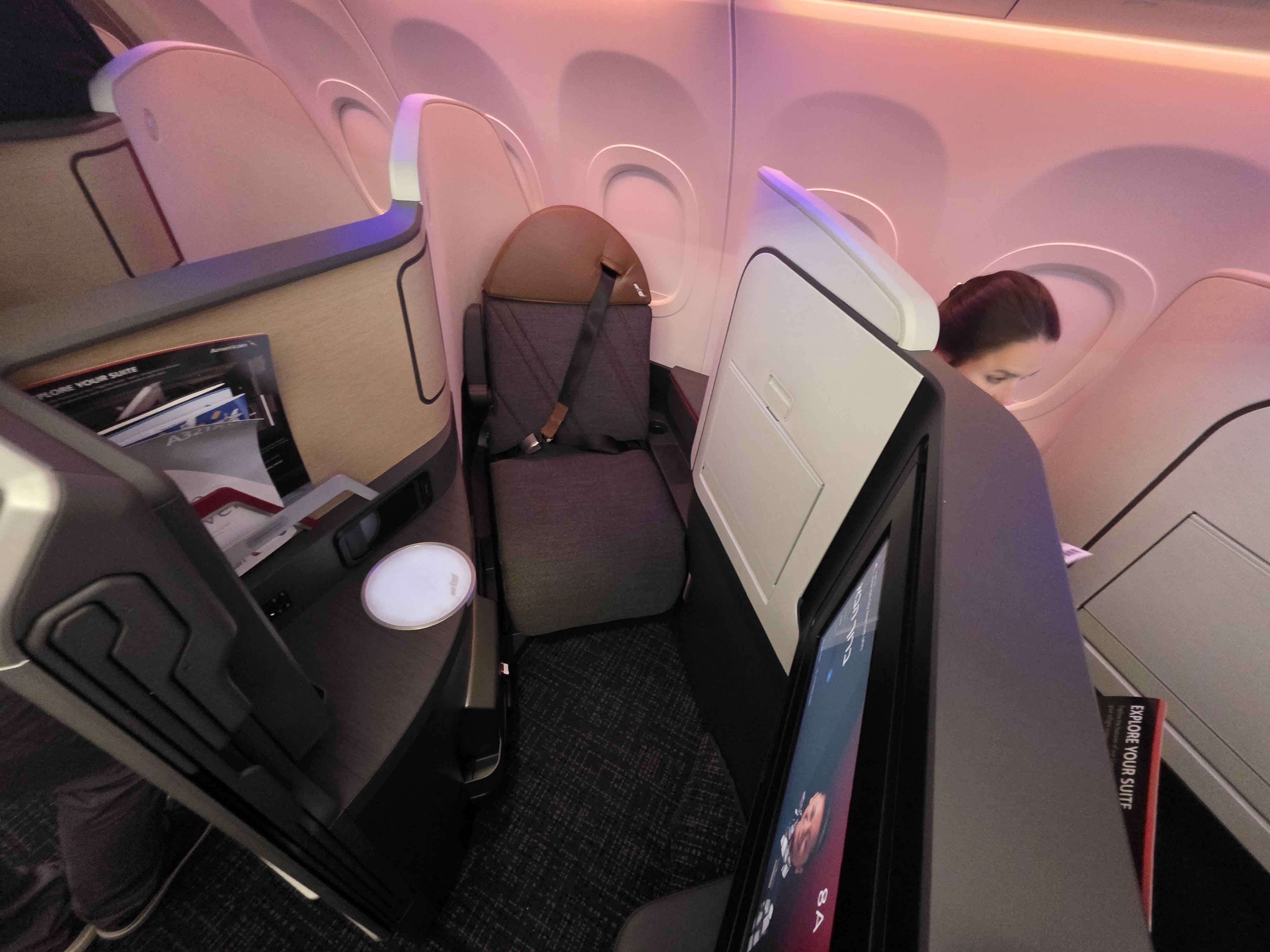
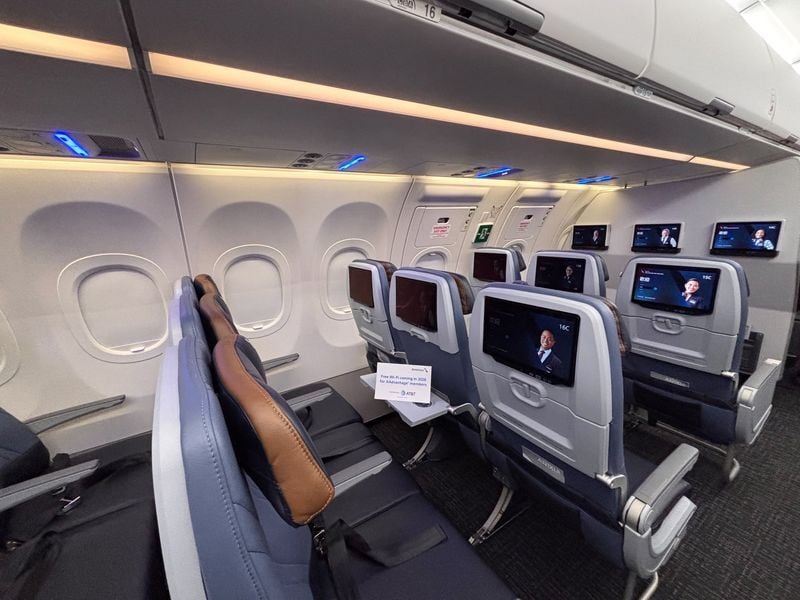
The A321XLR emerges as a game-changing platform, capable of flying up to 4,700 nautical miles and offering unprecedented flexibility for thin international routes. With 155 total seats, including 20 Flagship Suite Business Class seats and an innovative three-class configuration, American is signaling a dramatic shift from traditional wide-body strategies. The aircraft's design—featuring lie-flat beds, wireless charging, and high-speed Wi-Fi—demonstrates a laser focus on passenger experience that goes beyond mere transportation.
Strategically, this move is about more than aircraft - it's a comprehensive response to competitive pressures from Delta and United. Currently trailing in profitability, American is investing heavily in a "customer reimagination" plan that includes premium amenities like Bollinger champagne and Lavazza coffee. The A321XLR allows the airline to target smaller European destinations like Bordeaux, Marseille, and Oslo, creating new revenue opportunities with lower operational costs.
However, the path is not without significant challenges. Aircraft delivery delays, supply chain bottlenecks, and internal tensions complicate the strategy. Analysts predict a slow, costly turnaround, with American's EBITDA margin expected to rise to just 9% by 2026—well below Delta's 15% and United's 14%. The airline must simultaneously manage operational reliability, employee morale, and a complex fleet transition.
By ordering 50 XLR jets and planning to replace aging Boeing 757s and 767s, American is making a long-term bet on narrow-body innovation. The first international route to Edinburgh in March 2026 will be a critical test of this strategy, demonstrating whether the A321XLR can truly transform long-haul, thin-route economics.
The broader implications are profound: This represents an industry-wide shift toward smaller, more fuel-efficient aircraft that can provide premium experiences on routes previously considered uneconomical. American Airlines is positioning itself not just as a transportation provider, but as an innovator reimagining the very concept of long-haul travel.
Questions 4
How significant is the investment in the A321XLR fleet?
American has ordered 50 XLR jets and expects 40 in its fleet by the end of the decade, representing a major strategic commitment. This substantial investment signals a long-term bet on narrow-body innovation and premium travel experiences.
What challenges does American Airlines face in implementing this strategy?
Key challenges include aircraft delivery delays, supply chain issues, operational reliability concerns, and internal employee tensions. The airline must also manage a complex fleet transition while improving its currently low EBITDA margin and rebuilding customer satisfaction.