
African Financial Ecosystems Unlock Global Investment Potential
- FATF Delisting Signals Transformative Fintech Opportunity in Emerging Markets
Overview
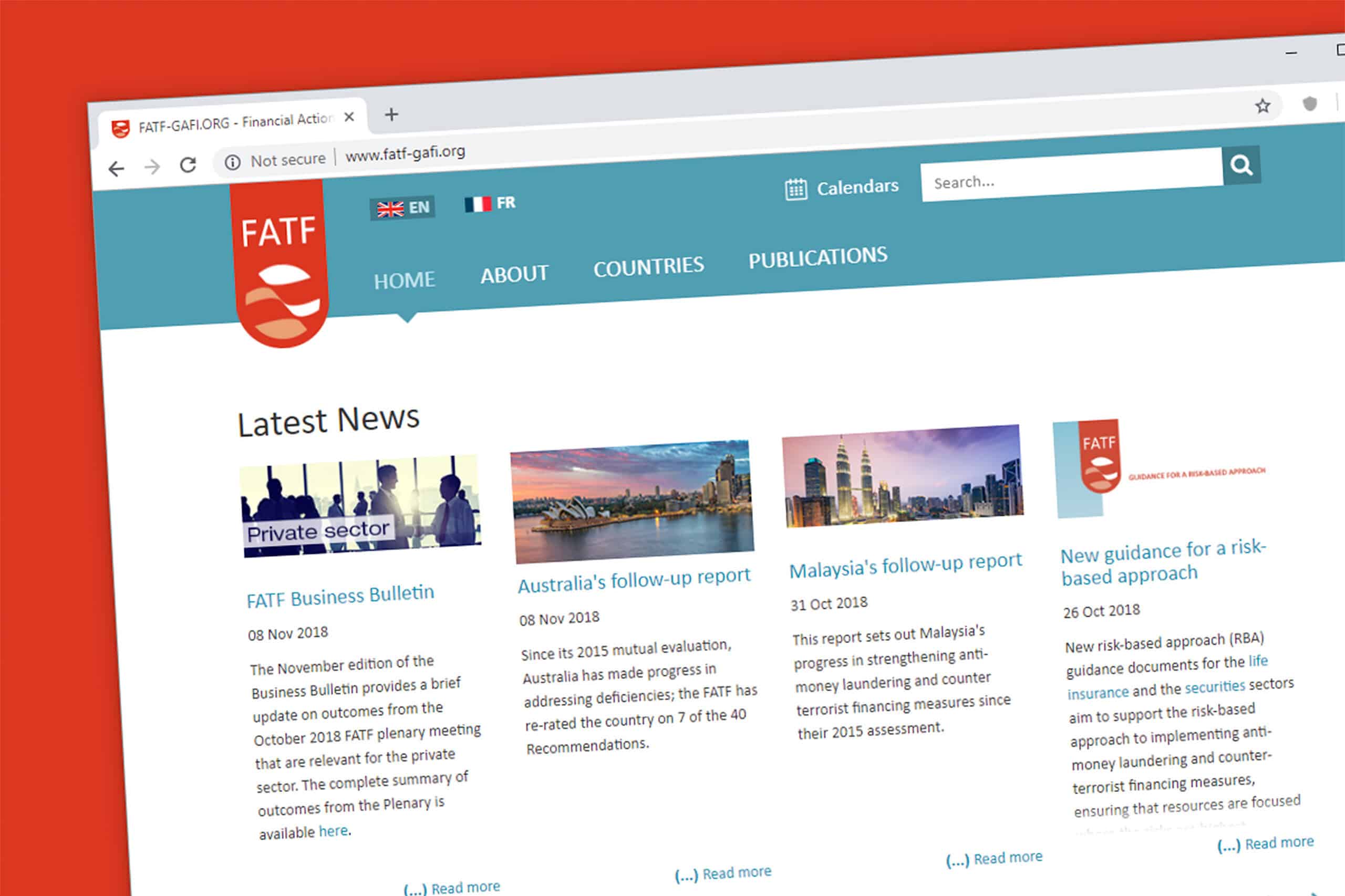
The financial technology landscape is experiencing a pivotal transformation as African nations demonstrate unprecedented financial system maturity. The Financial Action Task Force's (FATF) simultaneous delisting of four African countries represents more than a regulatory milestone—it signals a strategic inflection point for cross-border financial innovation.
Regulatory compliance has emerged as a critical driver of fintech potential, with the International Monetary Fund highlighting that gray listing can reduce foreign capital inflows by approximately 7.6% of GDP. The delisting of South Africa, Nigeria, Mozambique, and Burkina Faso reveals a sophisticated approach to financial system modernization that goes beyond mere regulatory checkbox-ticking.
Cross-border financial flows stand to benefit significantly from these developments. By resolving 22 and 19 action plan items respectively, South Africa and Nigeria have effectively rebuilt their financial credibility. This transformation suggests a broader trend: emerging markets are not just adopting global financial standards but are becoming innovation laboratories for regulatory technology and financial oversight.
The strategic implications extend far beyond individual countries. Banks are now positioned to expand correspondent services, and trade-finance operations could become dramatically more streamlined. For fintech entrepreneurs and international investors, this represents a critical moment of market recalibration—where regulatory improvement translates directly into investment attractiveness.
However, the journey is far from complete. While these four countries have made remarkable progress, other African nations like Tanzania and Cameroon remain under FATF scrutiny. This nuanced landscape creates a compelling opportunity for financial technology solutions that can help bridge compliance gaps and unlock economic potential.
Questions 3
What specific financial technology opportunities emerge from these regulatory changes?
Emerging opportunities include compliance technology solutions, cross-border payment platforms, and advanced financial intelligence tools. Countries like South Africa and Nigeria are now prime targets for fintech innovations that can further streamline financial oversight and international transactions.
Are there risks for fintech companies entering these newly delisted markets?
While opportunities are significant, companies must still conduct thorough due diligence. The delisting is a positive signal, but variations in local regulatory implementation and ongoing financial system development mean careful market-specific strategies are essential.