


Gaming Meets Mobility Sony and Honda's Radical Reimagining of In-Vehicle Entertainment
- Cross-Industry Innovation Transforms Travel Experiences Through PlayStation Integration


Overview
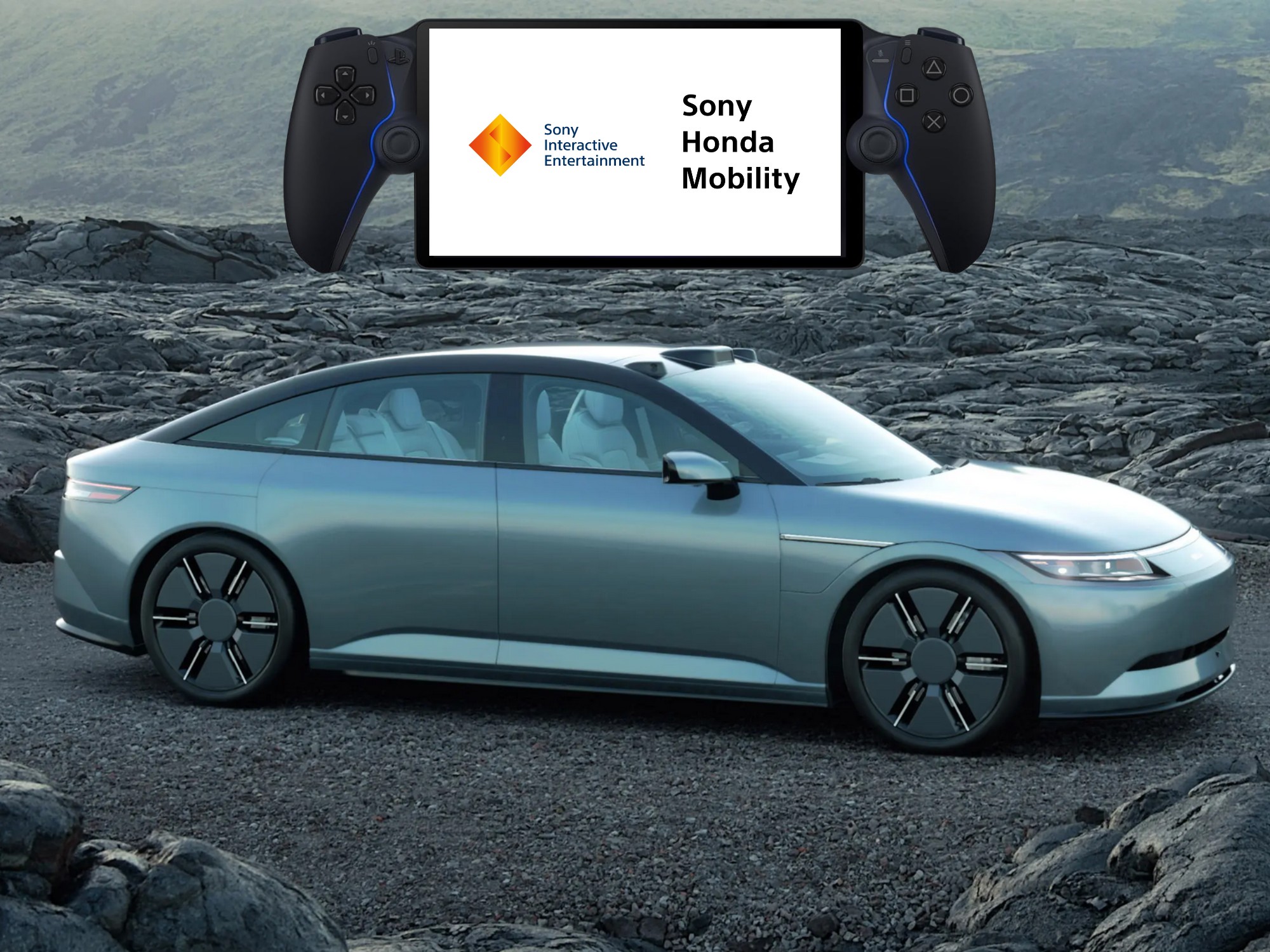
The convergence of automotive and entertainment technologies is reaching a fascinating inflection point with Sony Honda Mobility's Afeela 1 electric vehicle. This groundbreaking collaboration represents more than just a novel in-car feature—it's a strategic reimagining of how passengers experience transit time.
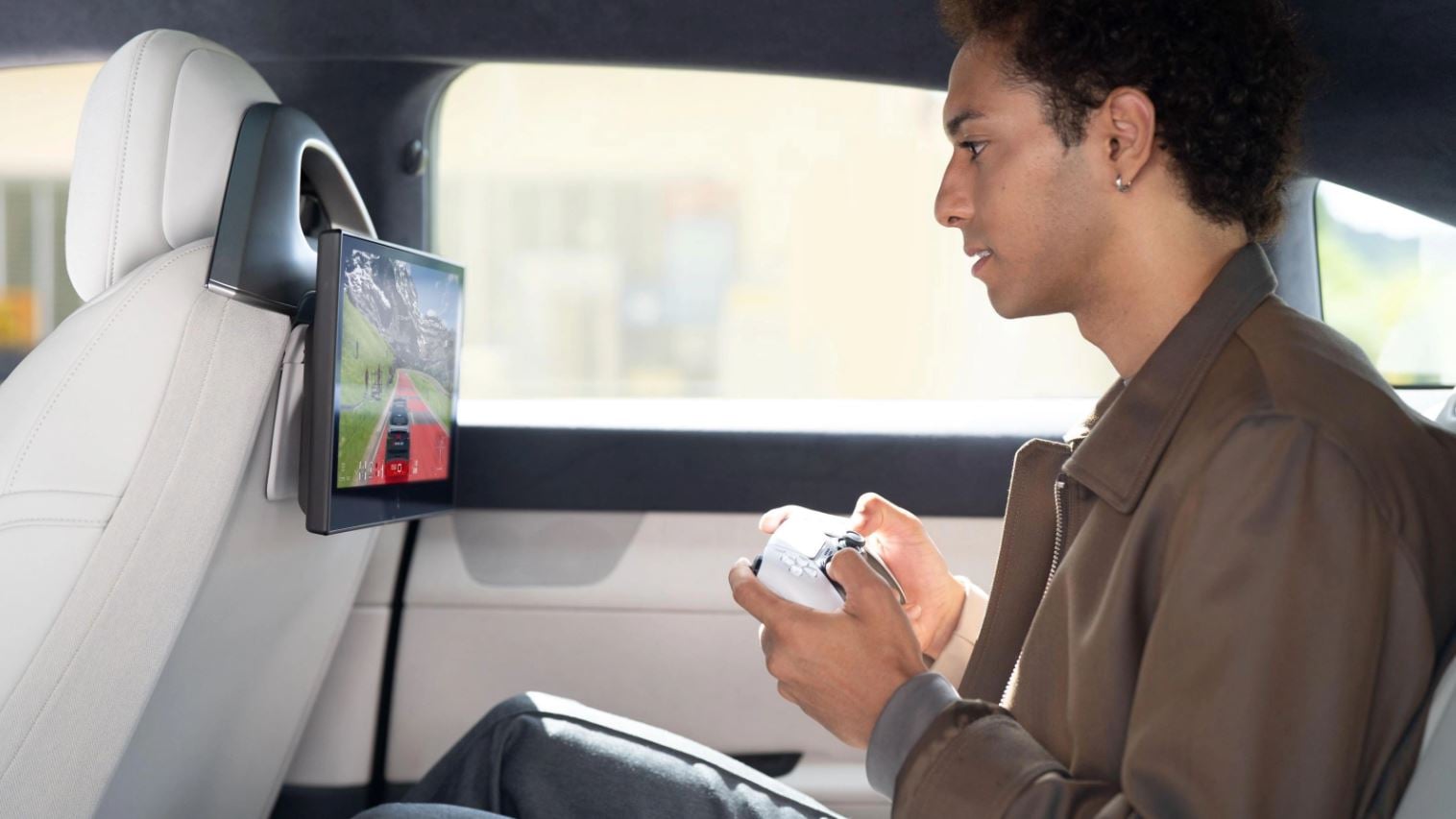
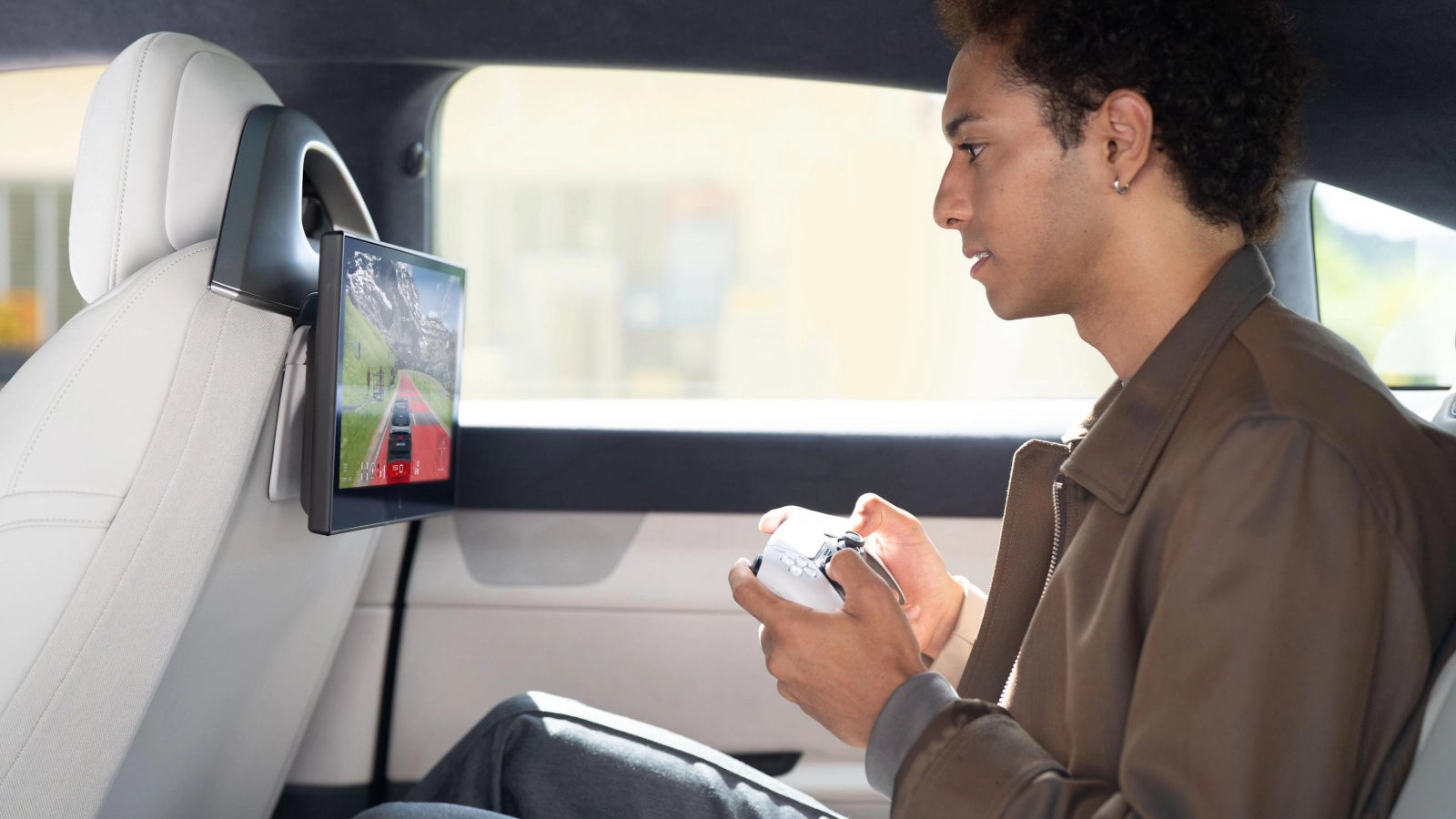
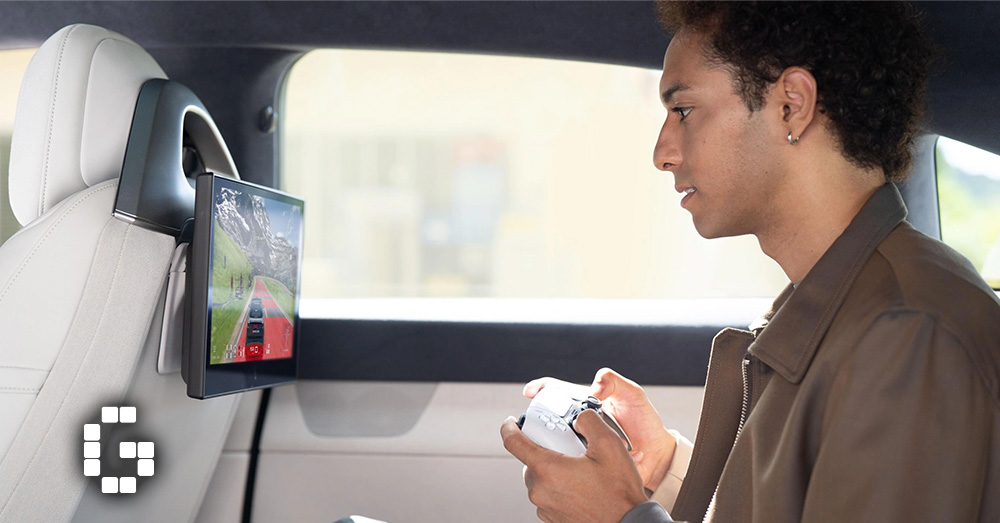
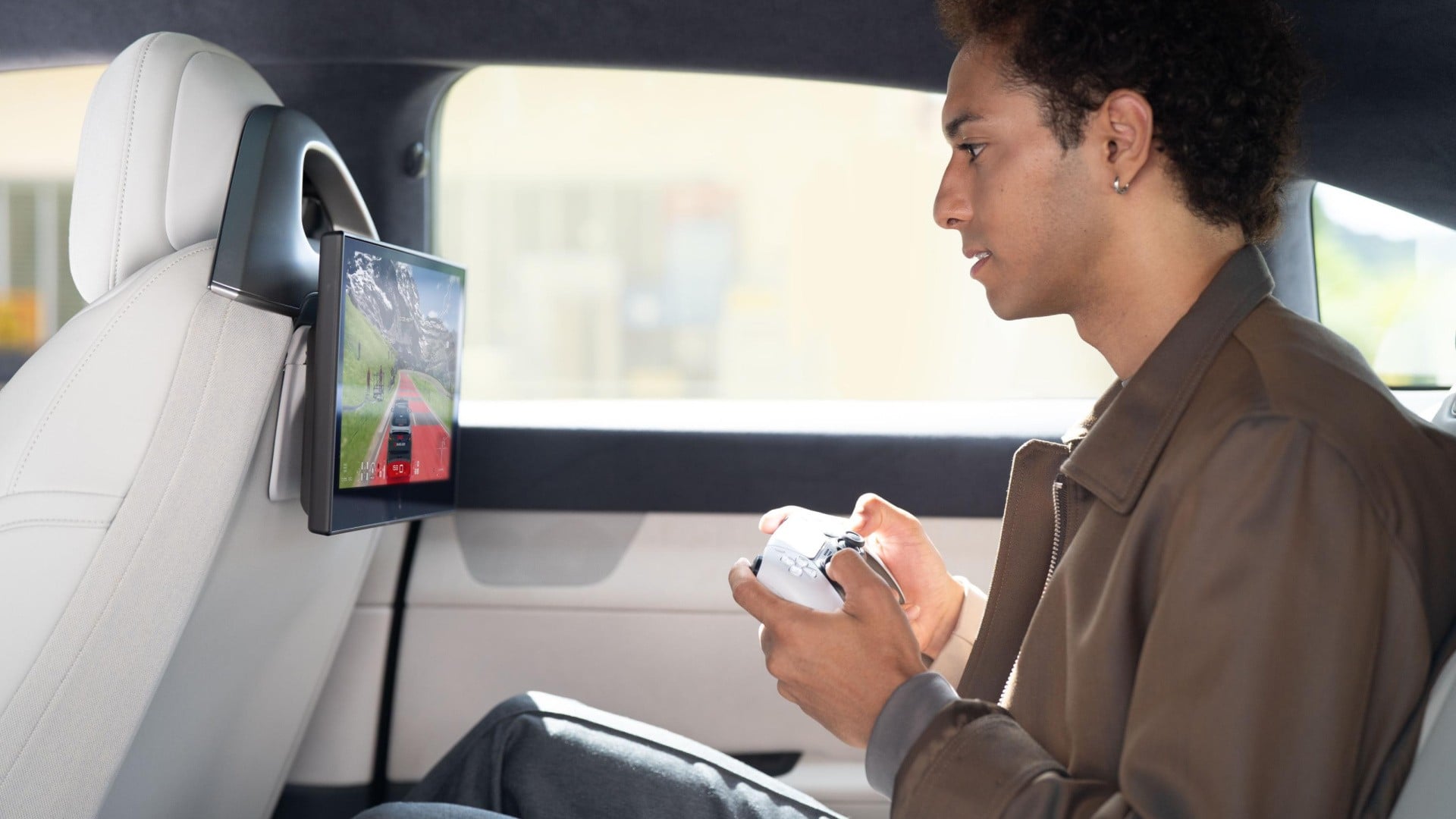
Cross-Industry Convergence emerges as the defining narrative. By enabling passengers to stream PlayStation games via Remote Play, Sony and Honda are pioneering a new paradigm of mobile digital experiences. The Afeela 1, launching in California in 2026, isn't merely adding an entertainment system; it's transforming vehicles into dynamic, interactive spaces that blur traditional boundaries between transportation and leisure.
The technical implementation reveals both innovation and limitation. Passengers can stream PS4 and PS5 games, but only if they have a home console switched on and maintain a stable 15Mbps internet connection. This approach differs significantly from previous automotive gaming attempts by BMW and Tesla, which were short-lived. The requirement of a home PlayStation console creates a unique, albeit constrained, ecosystem that highlights the challenges of true mobile gaming integration.
Strategic Implications extend beyond entertainment. This development signals a profound shift in how technology companies view mobility. For Sony and Honda, the vehicle becomes a platform for emotional and interactive experiences, not just a mode of transportation. COO Izumi Kawanishi's vision of transforming "travel spaces into more captivating and emotional environments" suggests a deeper understanding of user experience design that transcends traditional automotive thinking.
However, significant questions remain. The practical utility of streaming games while traveling, battery consumption implications, and actual market demand represent critical unknowns. This experimental approach underscores both the potential and the risks of radical cross-industry innovation.
Questions 3
How does the Afeela 1's gaming feature actually work?
The vehicle allows passengers to stream PS4 and PS5 games via Remote Play, requiring a home PlayStation console to be switched on and a stable 15Mbps internet connection. This means games are not locally run but streamed from a home console to the vehicle's integrated display.
What makes this different from previous automotive gaming attempts?
Unlike Tesla's short-lived Steam integration, the Afeela 1 requires a home PlayStation console, creating a unique ecosystem. It's specifically designed for passengers, not drivers, and represents a more integrated approach to in-vehicle entertainment.