
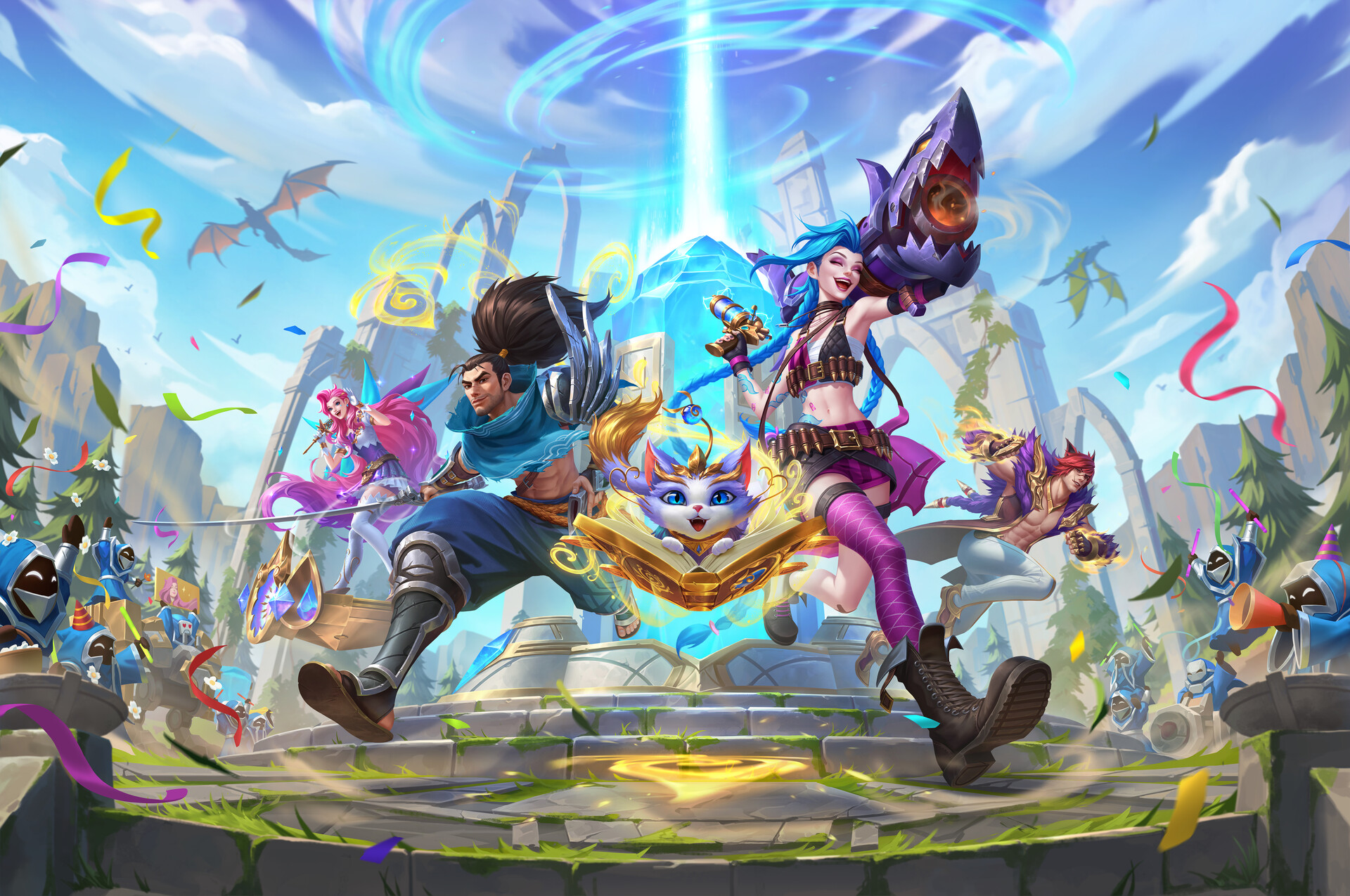

Riot Games Rewrites the Playbook: A Radical Reinvention of League of Legends
- Eight-Year Transformation Strategy Signals Unprecedented Gaming Industry Pivot








Overview
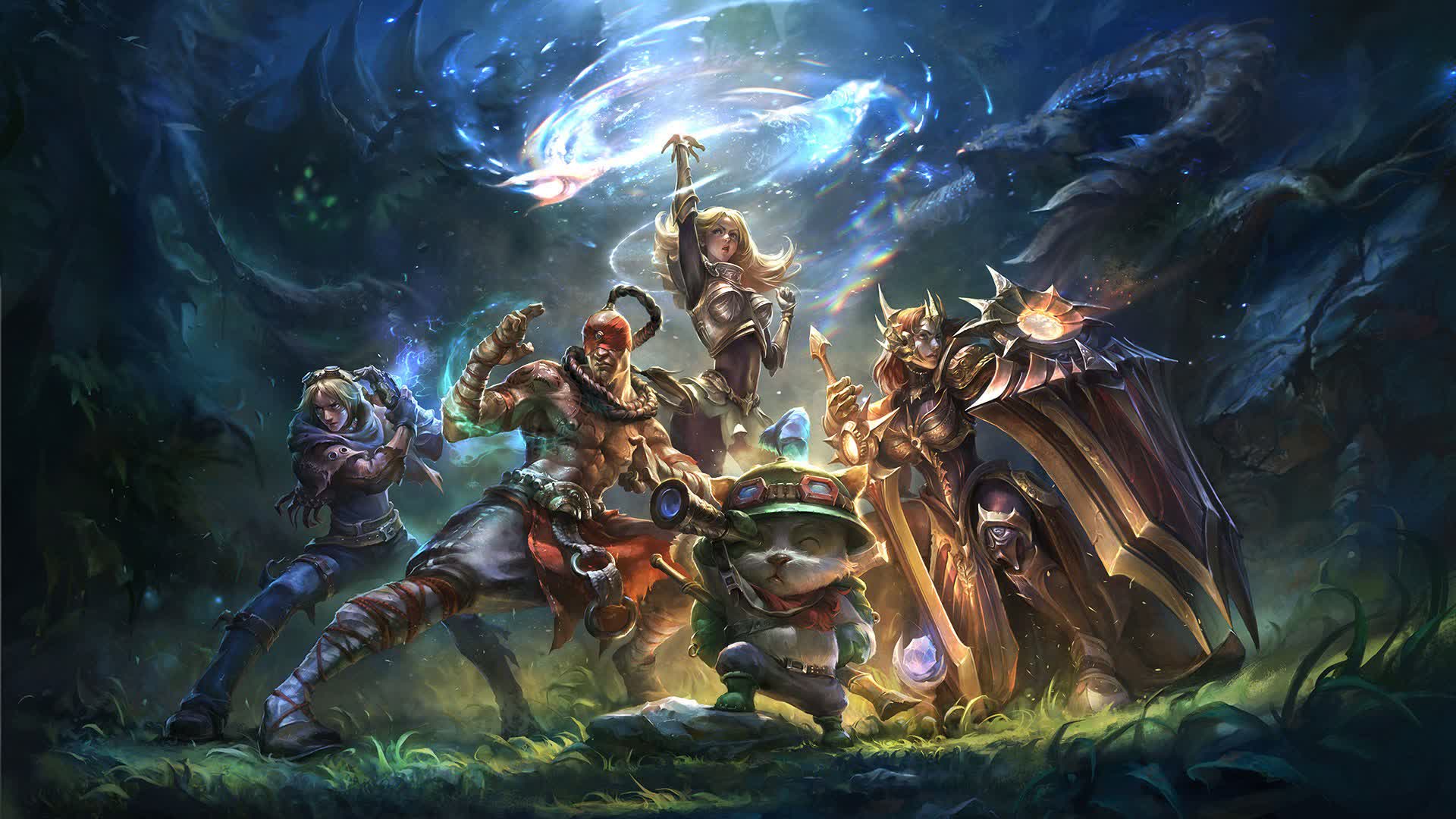
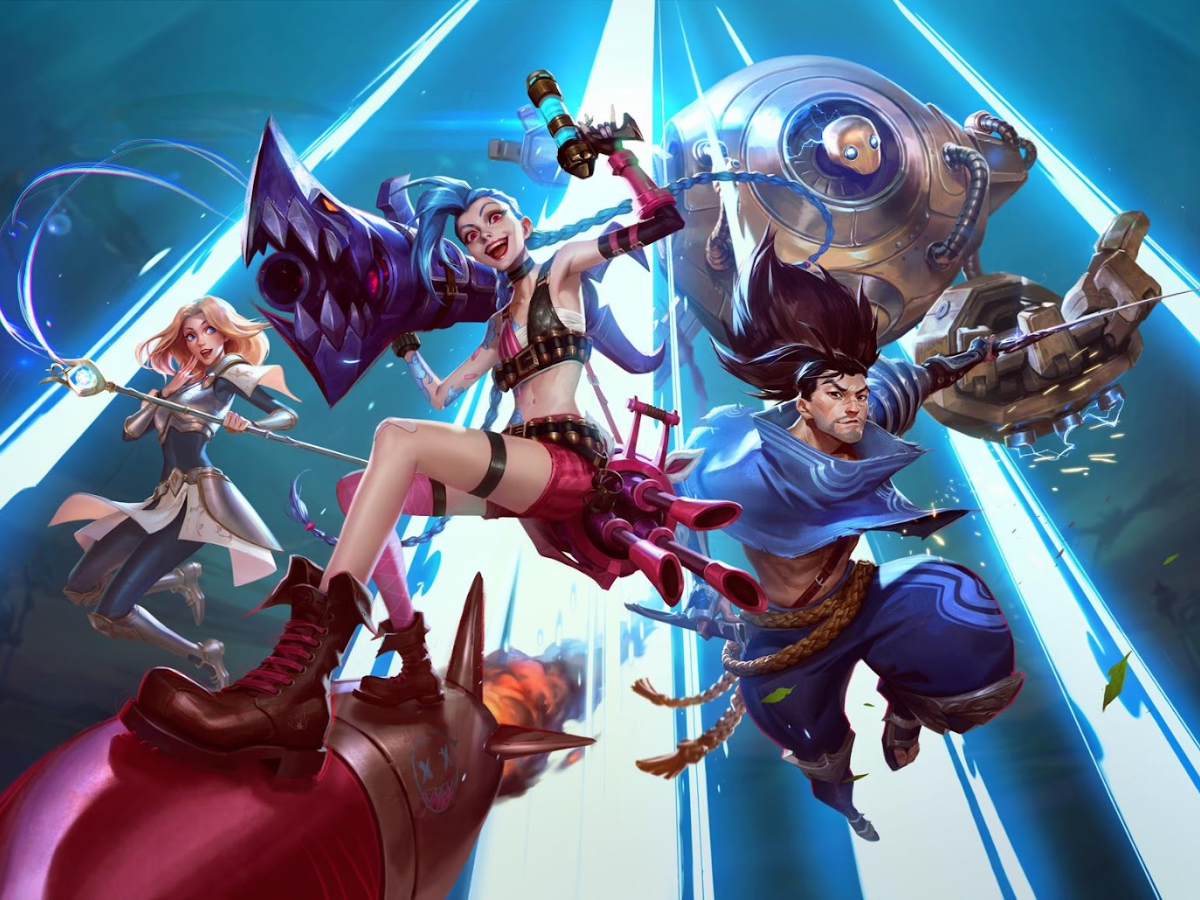
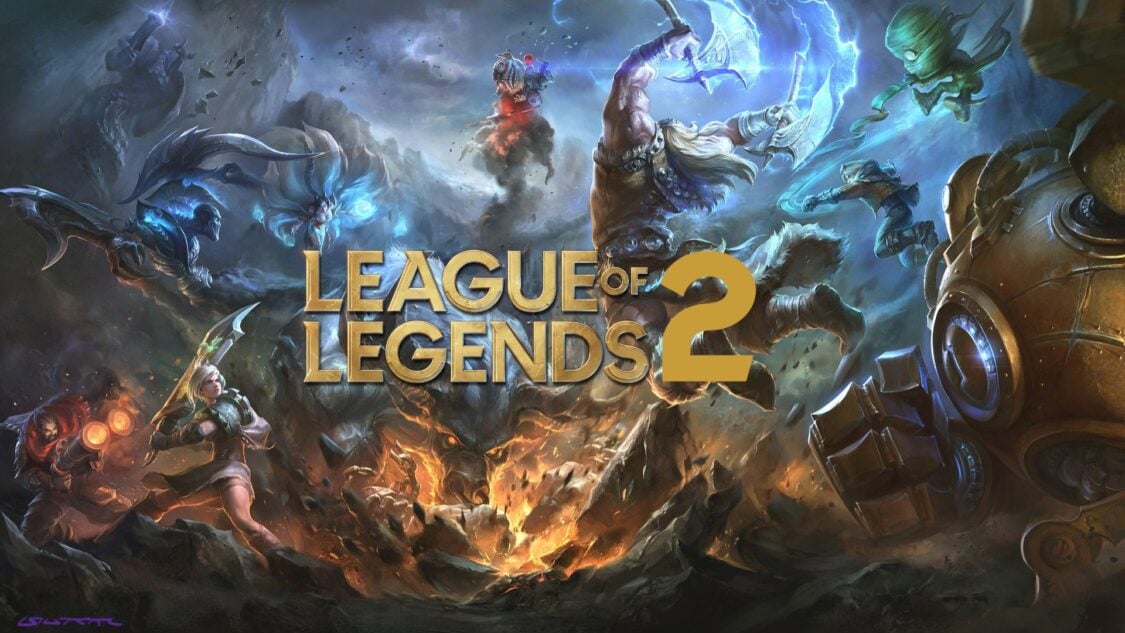
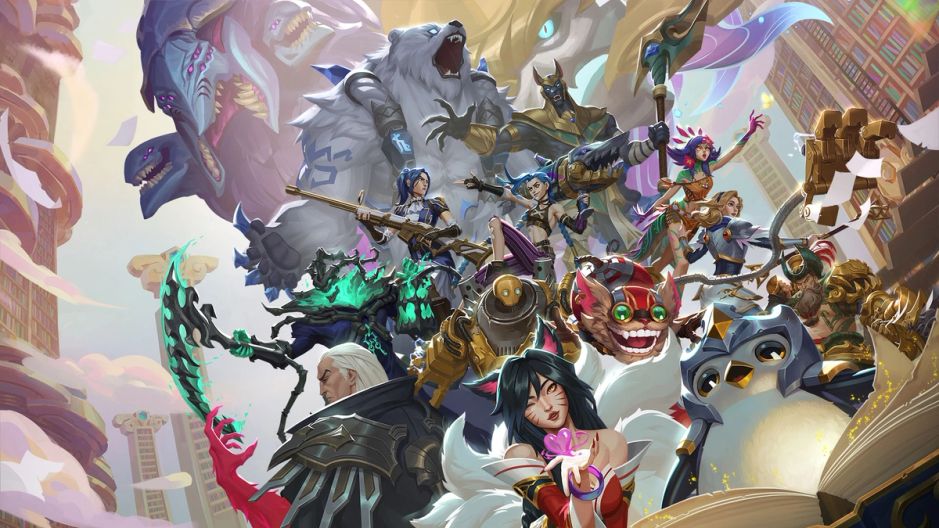
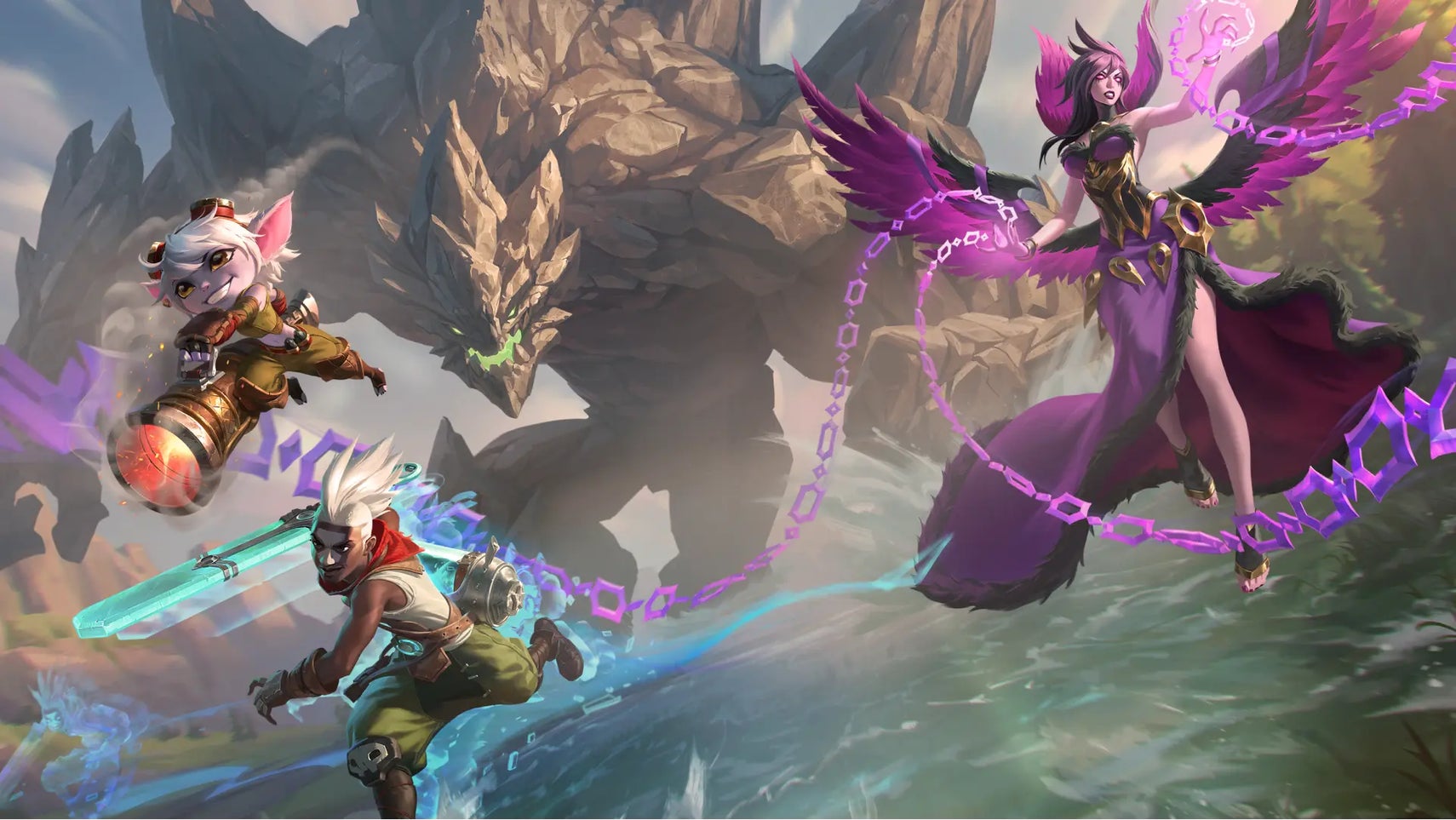
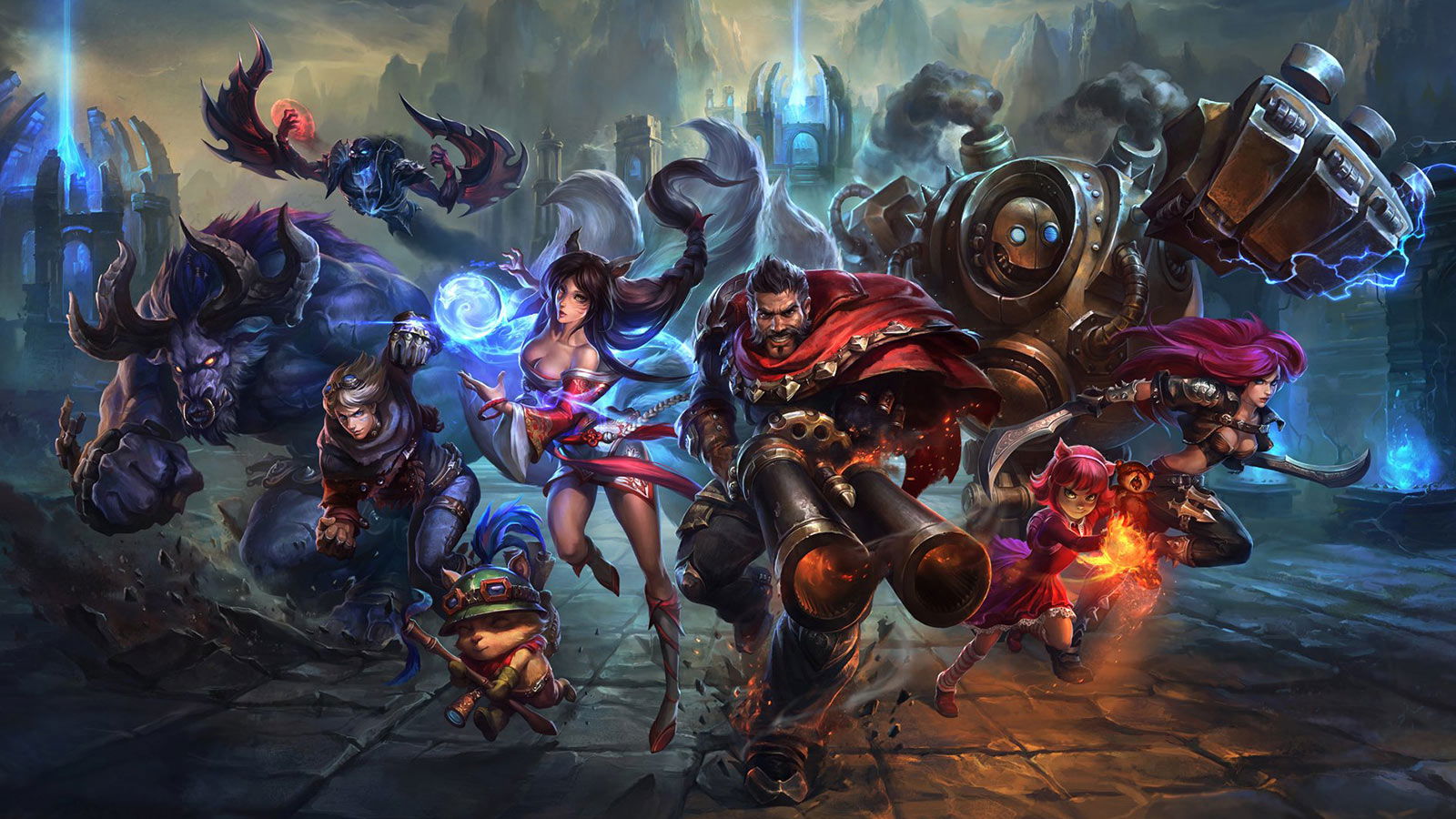
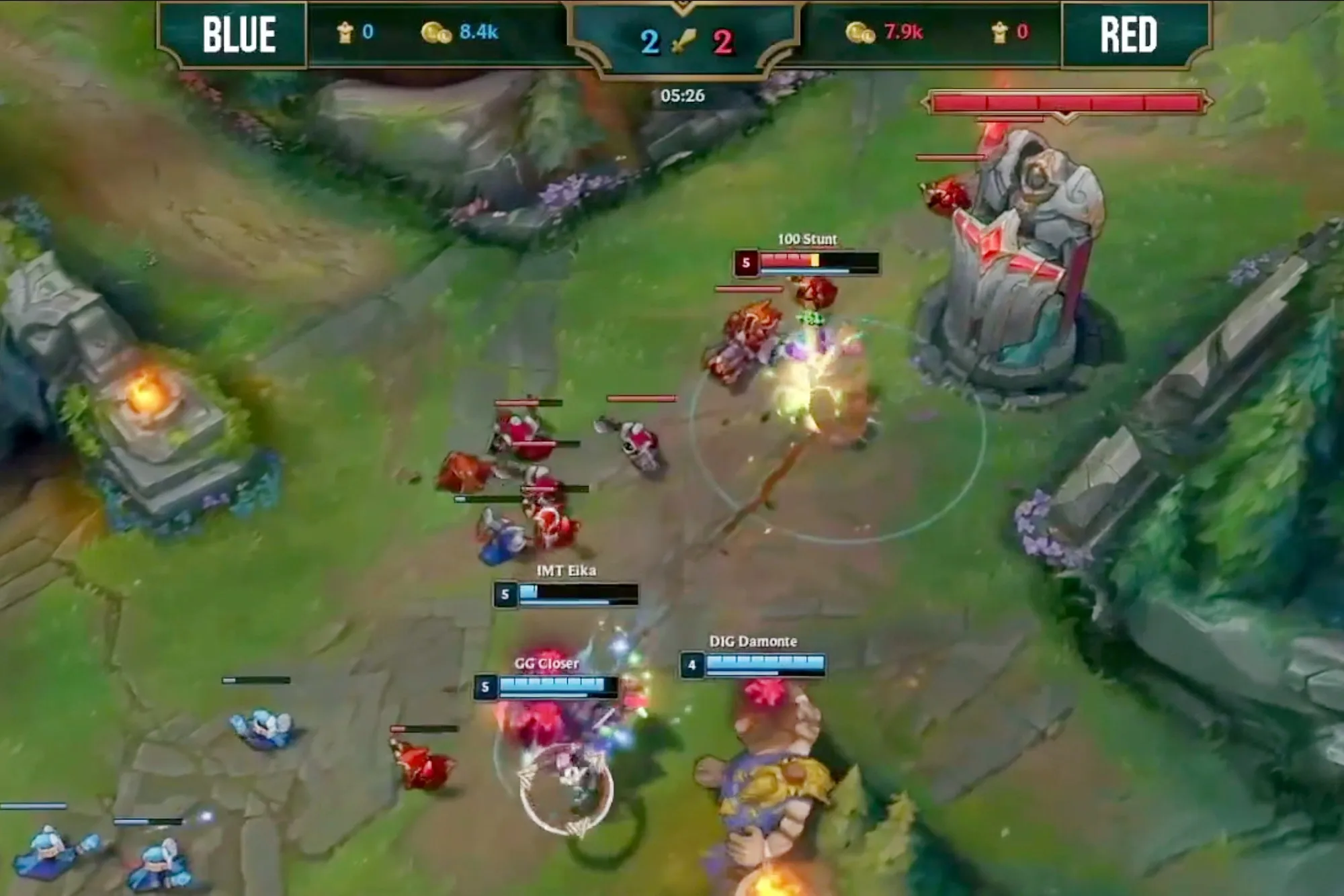
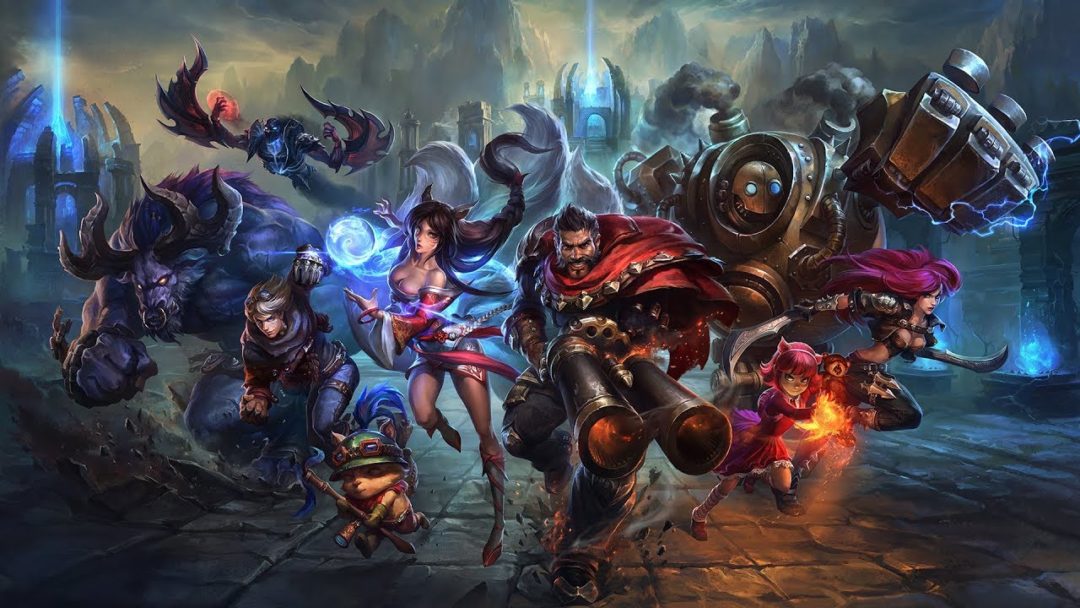
In a bold strategic maneuver that will reshape the competitive gaming landscape, Riot Games is orchestrating a comprehensive reimagining of League of Legends that transcends traditional game updates. The 'League Next' project represents more than a mere graphical refresh—it's a meticulously planned eight-year transformation targeting a 2027 launch that could redefine how live-service games evolve.
The project's significance lies not just in its technical ambitions, but in its strategic positioning. With over 100 million monthly players, League of Legends isn't just updating—it's preparing for a generational transition. The announcement comes amid significant organizational restructuring, including 530 redundancies last year, suggesting this isn't merely a product update but a holistic corporate realignment.
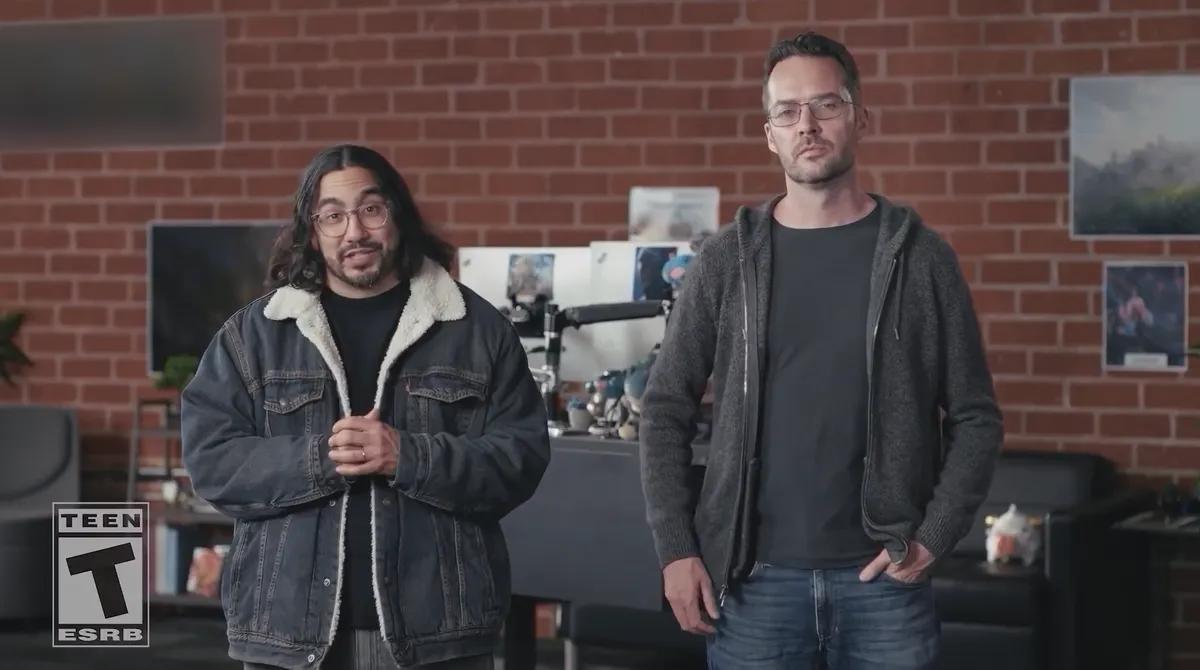
Strategic Reimagination Signals emerge clearly through the project's key components: a fully integrated in-game client, comprehensive visual redesigns, and systemic improvements to player onboarding. Executive Producer Paul Bellezza's careful framing—emphasizing "evolution" over "replacement"—reveals a nuanced approach to maintaining player trust while fundamentally reconstructing the game's infrastructure.
The eight-year development window is particularly telling. By announcing such a long-term vision, Riot is doing more than updating a game—it's establishing a new paradigm for how successful digital platforms can strategically reinvent themselves. The gradual information rollout, with more details expected between the 2026 Mid-Season Invitational and World Championship, demonstrates a calculated approach to managing player expectations and maintaining competitive excitement.
This isn't just a game update; it's a blueprint for sustainable digital entertainment evolution. Riot is showing how mature platforms can proactively reimagine themselves, turning potential obsolescence into an opportunity for radical reinvention.
Questions 3
How will this update impact the competitive gaming landscape?
By investing in a complete reconstruction rather than incremental updates, Riot is positioning itself to potentially reset competitive dynamics. The carefully planned transformation signals a long-term commitment to maintaining League of Legends' global gaming prominence.
Why is Riot Games planning such a comprehensive overhaul of League of Legends?
Riot is proactively addressing potential platform stagnation by reimagining League of Legends for a new generation of players. The eight-year development window allows for a strategic, measured transformation that maintains the game's core identity while modernizing its infrastructure and user experience.