



Apple's Strategic Squeeze Play: Forcing iOS Updates Through Security Ultimatum
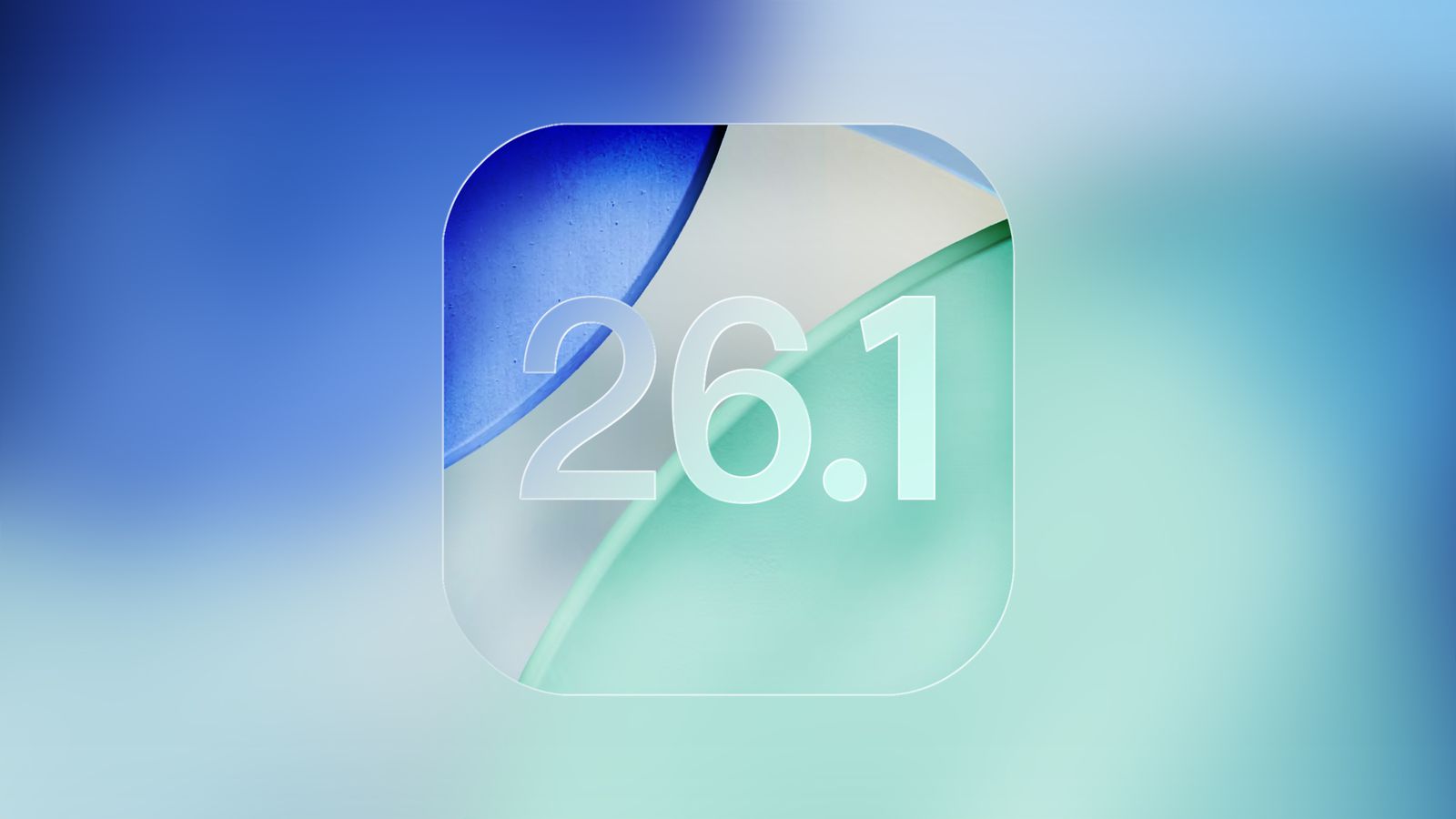
- Mandatory iOS 26.2 Upgrade Signals Aggressive Platform Control Strategy for iPhone Users












Overview
Apple is executing a calculated strategy to compel iPhone users into mandatory system upgrades by creating a security update chokepoint that effectively eliminates user choice. The company's latest move transforms security patch distribution from a user-optional process into a strategic lever for platform modernization.
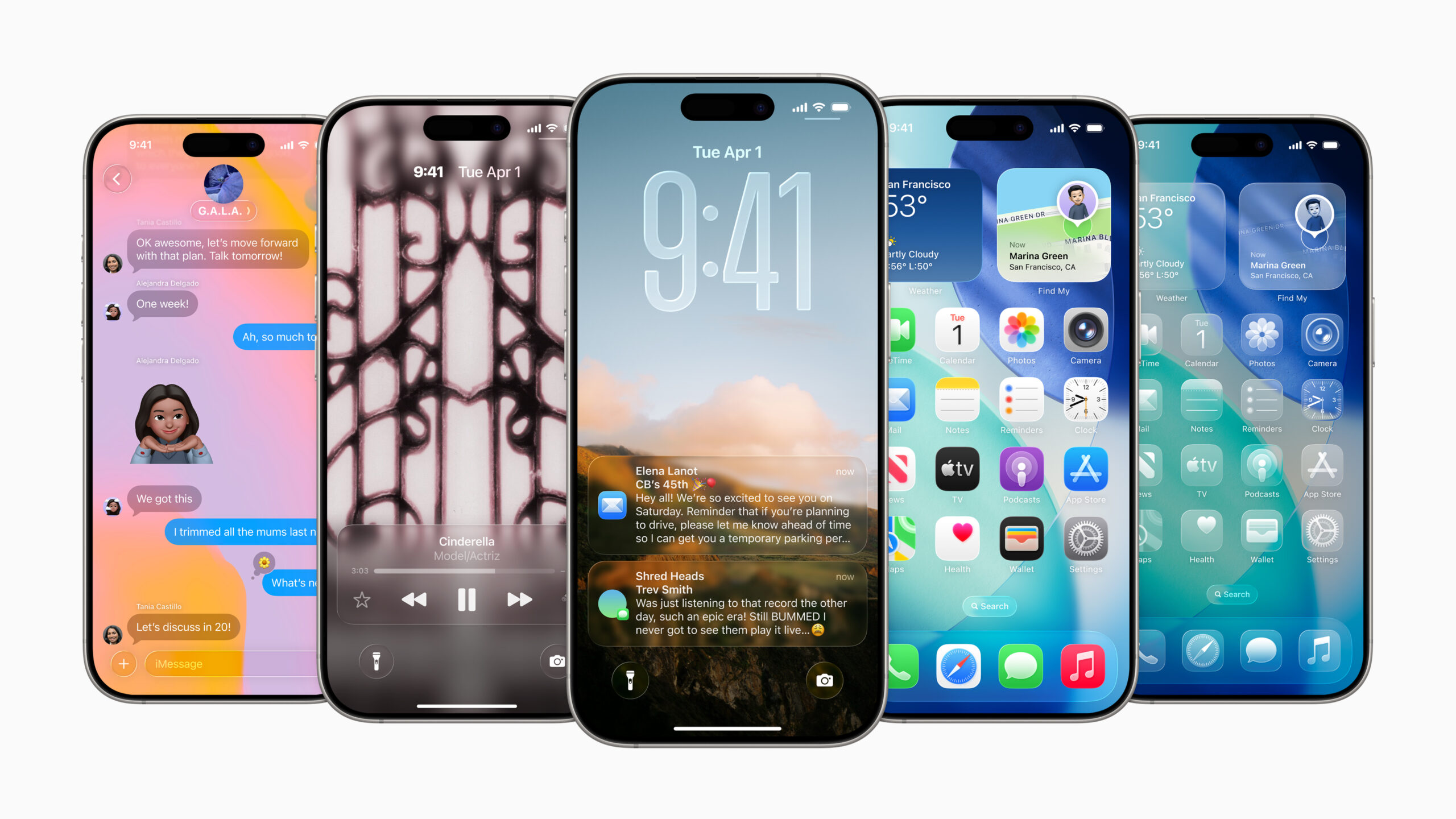
The core mechanism is deceptively simple yet powerful: iPhones capable of running iOS 26 will only receive updates through the latest version, removing the traditional option of maintaining older iOS iterations. This approach goes beyond typical update strategies by weaponizing security vulnerabilities as a forcing function for system-wide upgrades.
Two critical zero-day WebKit vulnerabilities serve as the catalyst for this strategic maneuver. By addressing these security holes exclusively in iOS 26.2, Apple creates a compelling rationale for users to upgrade. The vulnerabilities, which potentially expose privacy risks in Messages and other system components, transform the update from a recommendation to an imperative.
The implications are profound for the e-commerce and cross-border technology ecosystem. Sellers and developers using iPhones must now anticipate more frequent, potentially disruptive system updates. The strategy signals Apple's increasing willingness to prioritize system-wide security and technological currency over individual user preferences.
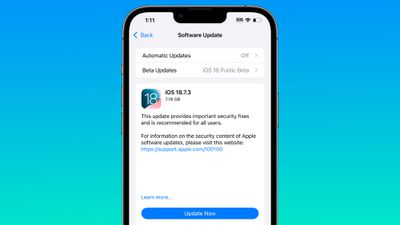
A subtle but significant workaround exists through Apple's public beta program, allowing users to join the iOS 18 beta track. However, this solution is intentionally complex, reinforcing Apple's primary objective of driving widespread adoption of its latest operating system.
This approach represents a strategic inflection point in platform governance. Apple is no longer just recommending updates; it's systematically eliminating paths of resistance. For technology professionals and e-commerce strategists, the message is clear: adapt quickly or risk technological obsolescence.
Questions 4
Why is Apple forcing users to upgrade to iOS 26.2?
Apple is compelling users to upgrade by making security patches exclusively available for iOS 26.2, addressing two critical WebKit vulnerabilities that pose significant privacy risks. This strategy ensures system-wide security and encourages faster adoption of the latest iOS version.
What are the implications for cross-border e-commerce sellers using iPhones?
E-commerce sellers must now anticipate more frequent and potentially disruptive system updates. They'll need to develop more agile technology strategies, ensuring their applications and workflows can quickly adapt to mandatory iOS upgrades without compromising functionality.