
Japan's Nuclear Policy Teeters on Geopolitical Fault Lines
- Emerging debate challenges decades of pacifist defense strategy amid regional tensions


















Overview
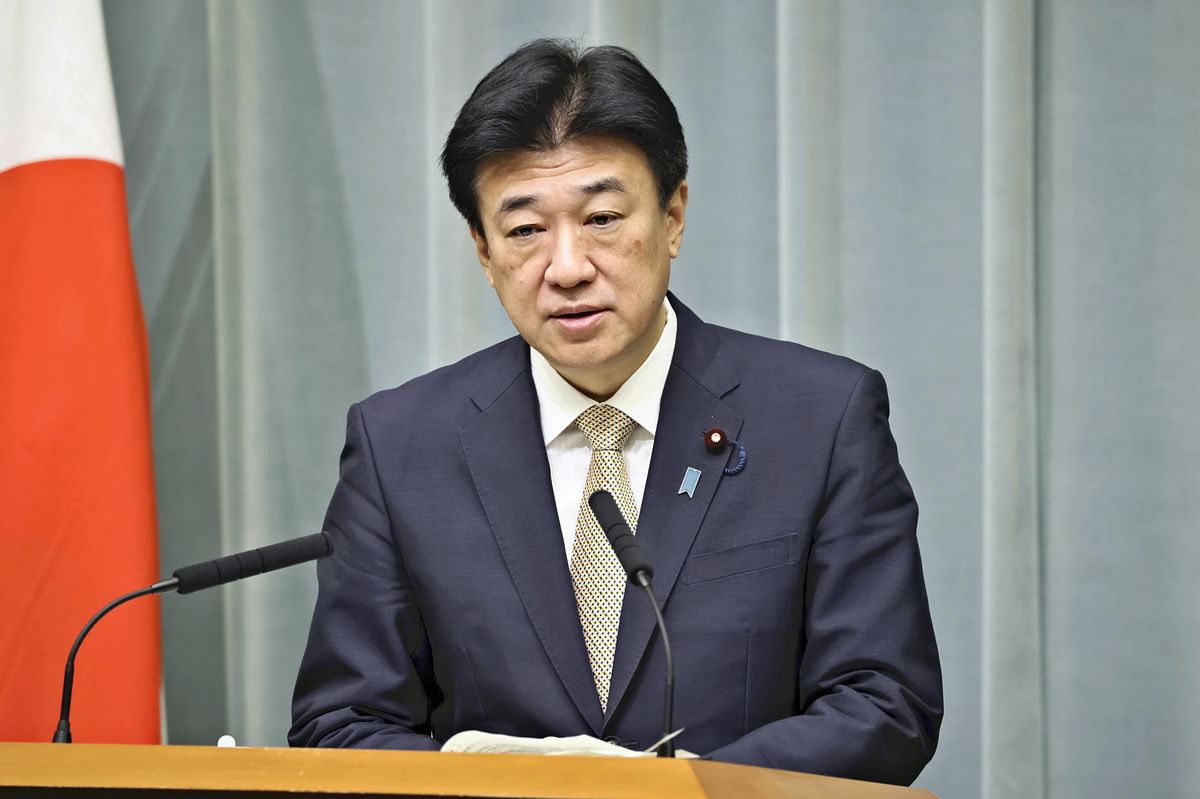
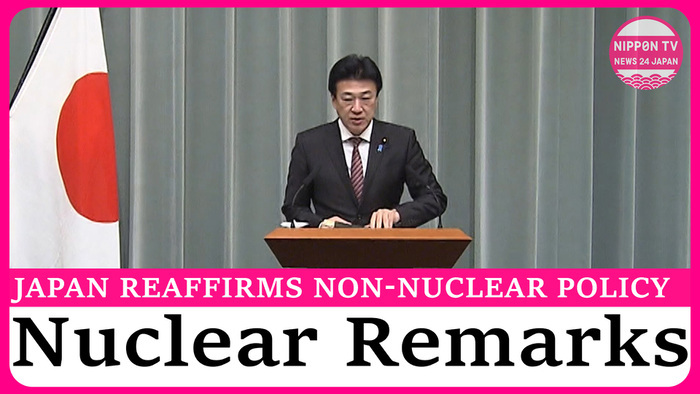
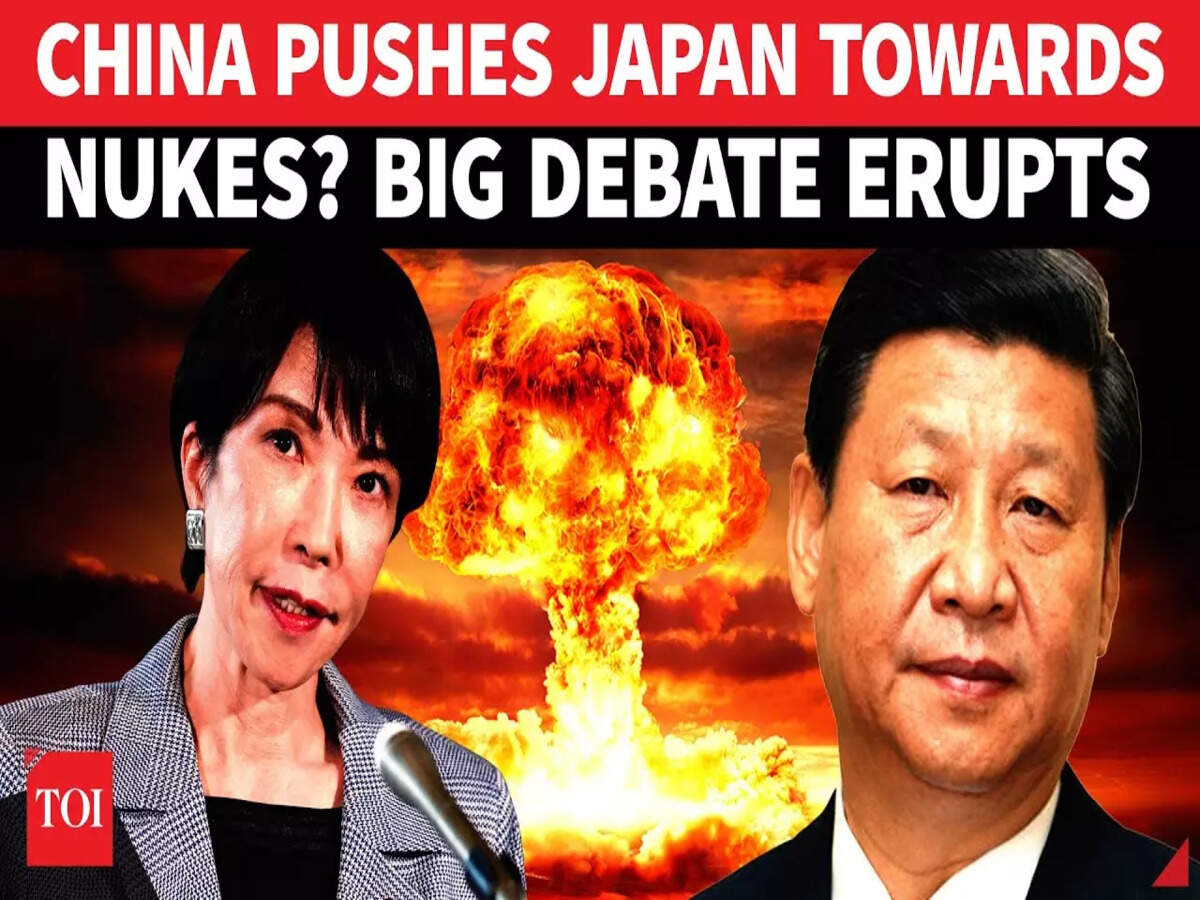
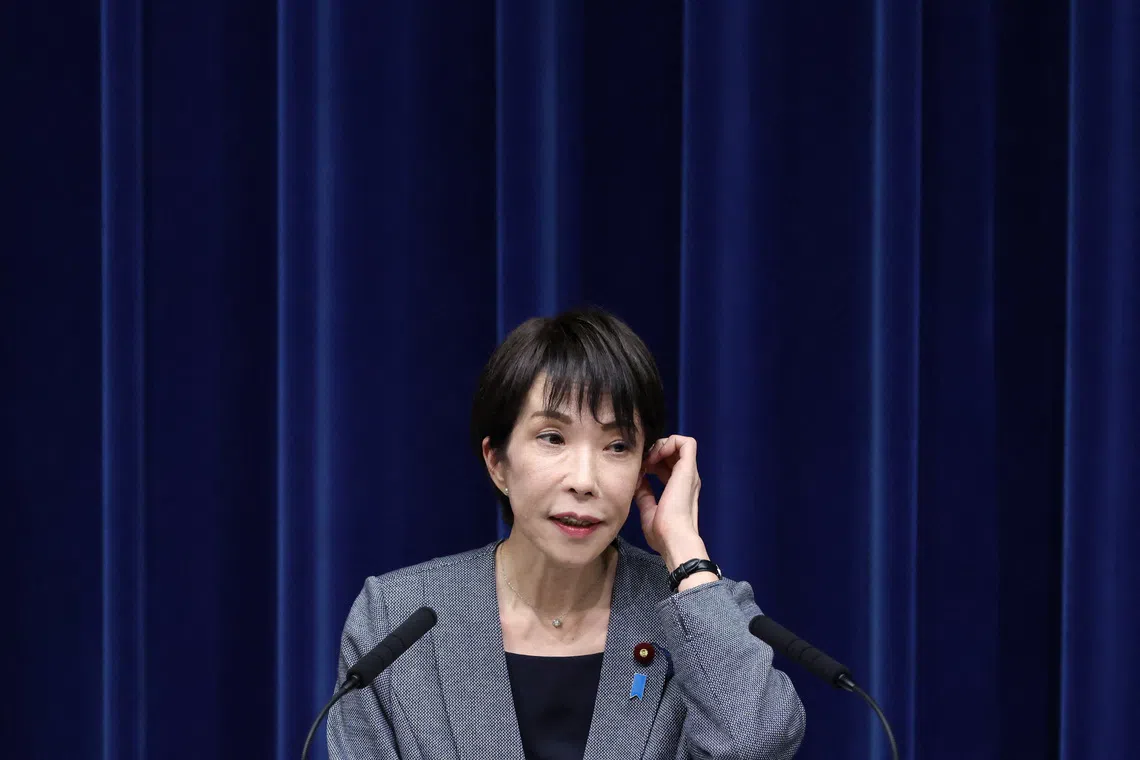
The delicate balance of Japanese nuclear policy is experiencing unprecedented strain, revealing deep fissures in the country's long-standing defense doctrine. A recent series of provocative statements by senior government officials has cracked open a historically taboo discussion about nuclear capabilities, signaling a potential strategic realignment driven by complex regional security dynamics.
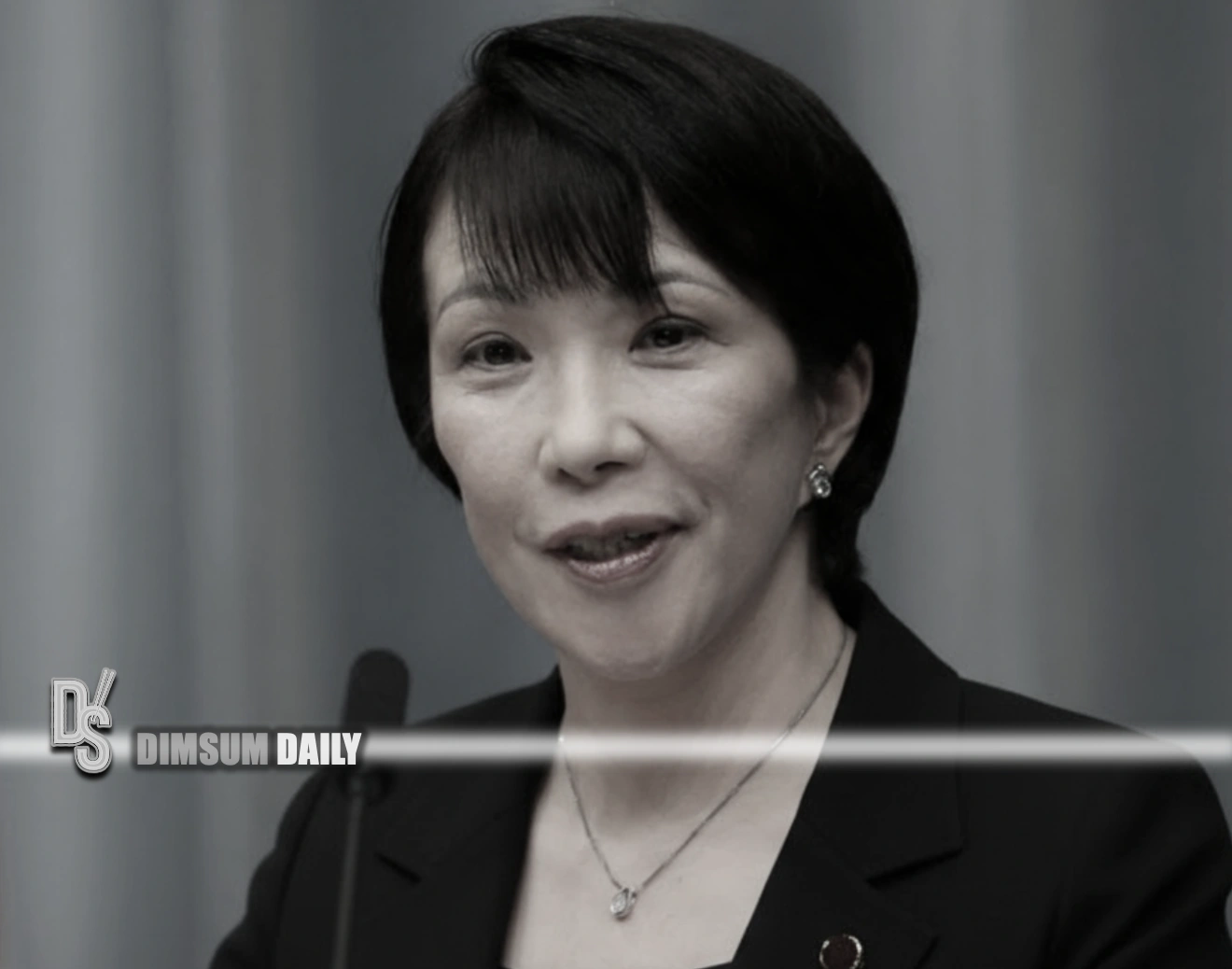
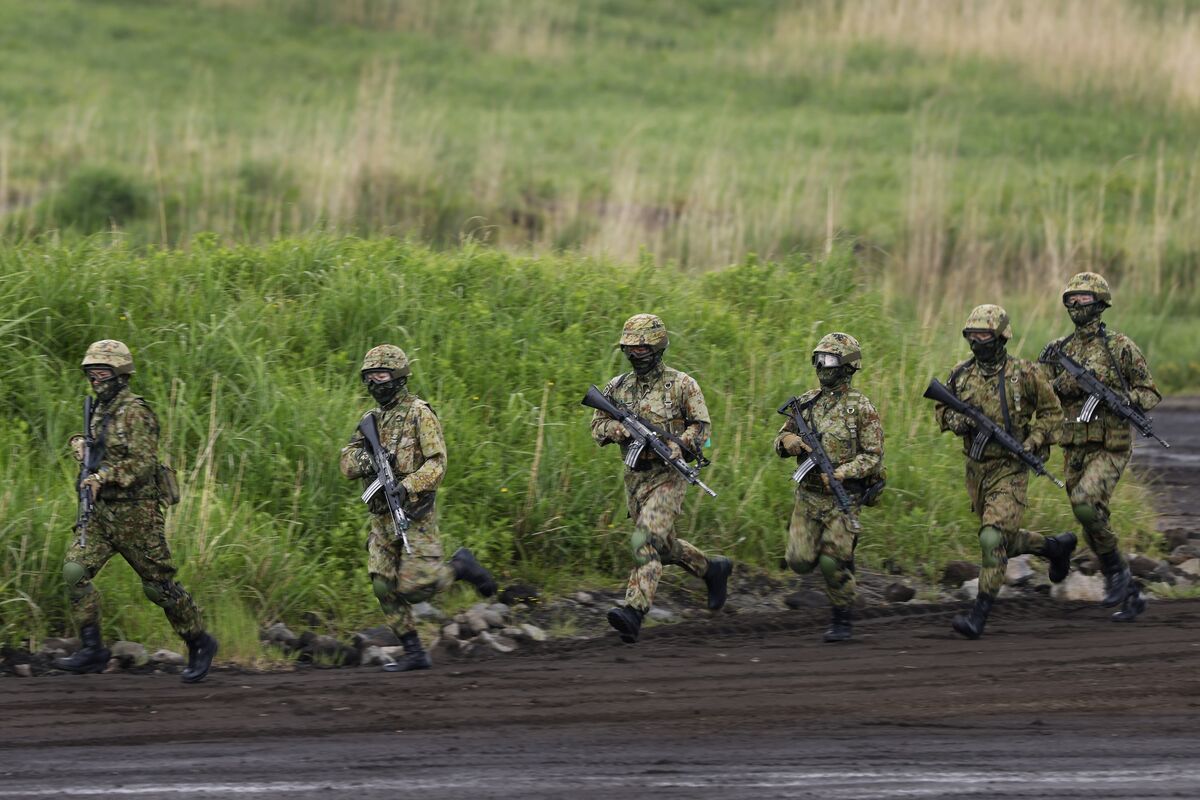
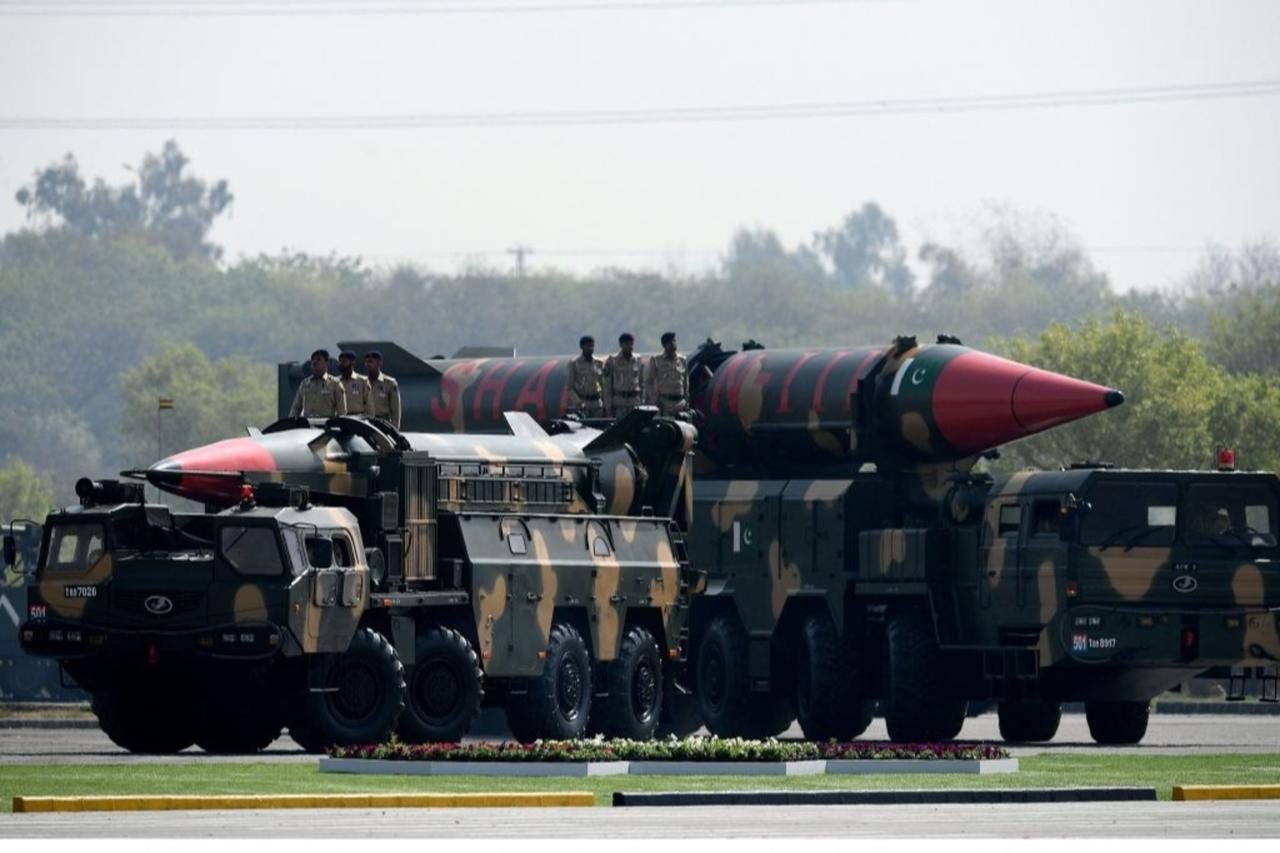
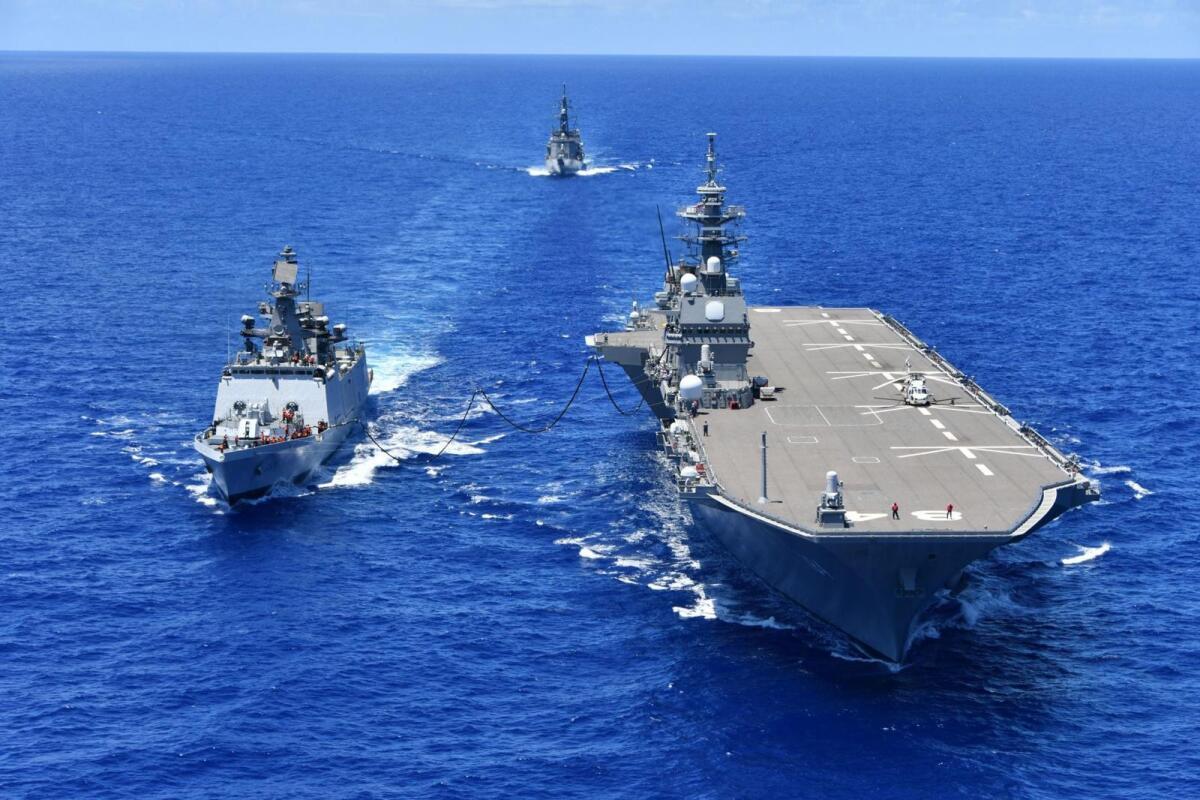
Geopolitical pressures are forcing Japan to reconsider its traditional non-nuclear stance. The unnamed official's suggestion of nuclear weapon possession, while not an official policy shift, represents a significant rhetorical breakthrough. This comes against a backdrop of mounting threats from nuclear-armed neighbors like China, Russia, and North Korea, which are challenging Japan's security assumptions.
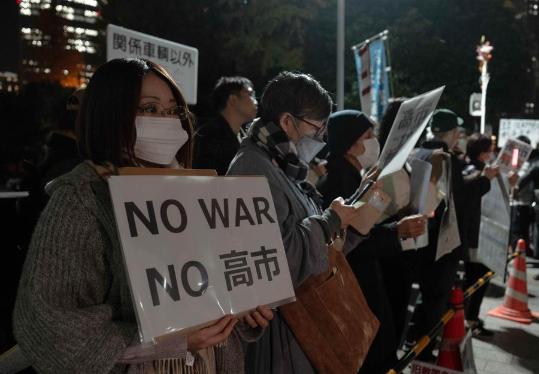
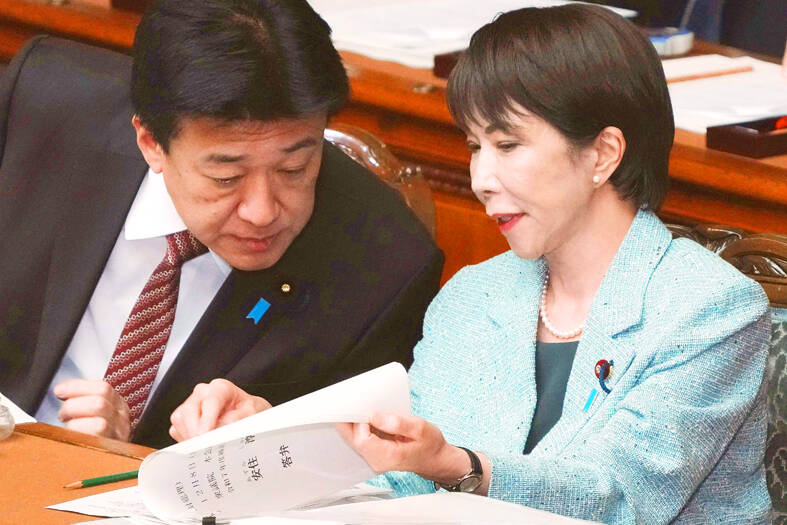
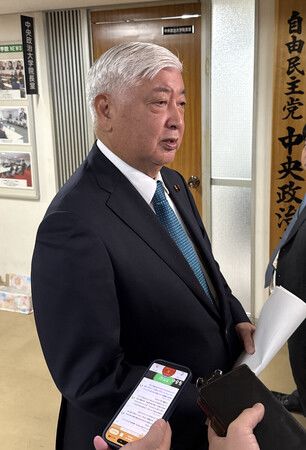
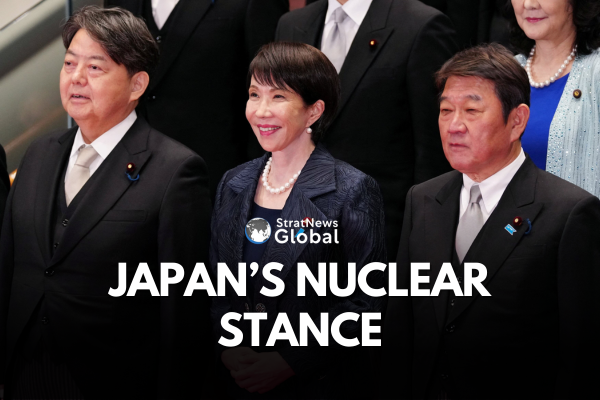
The internal political landscape reflects this tension dramatically. While opposition parties, led by figures like Yoshihiko Noda, vehemently oppose any nuclear weapon considerations—citing Japan's unique historical trauma as the only nation to suffer atomic bombings—some ruling party members are increasingly open to strategic discussions. Taro Kono's call to openly debate nuclear possession demonstrates the emerging fault lines within Japan's political establishment.
Critically, this is not a binary debate but a nuanced exploration of deterrence strategies. Some lawmakers have suggested more moderate approaches, such as allowing U.S. nuclear weapons on Japanese submarines, indicating a potential compromise between absolute non-nuclear principles and enhanced regional security capabilities.
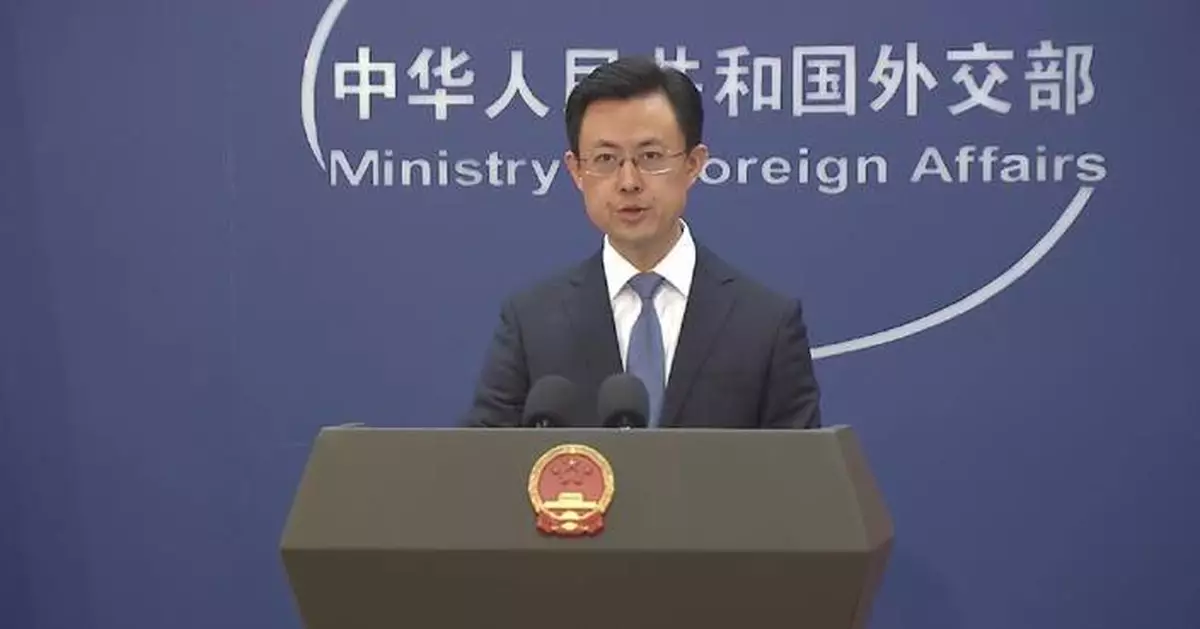
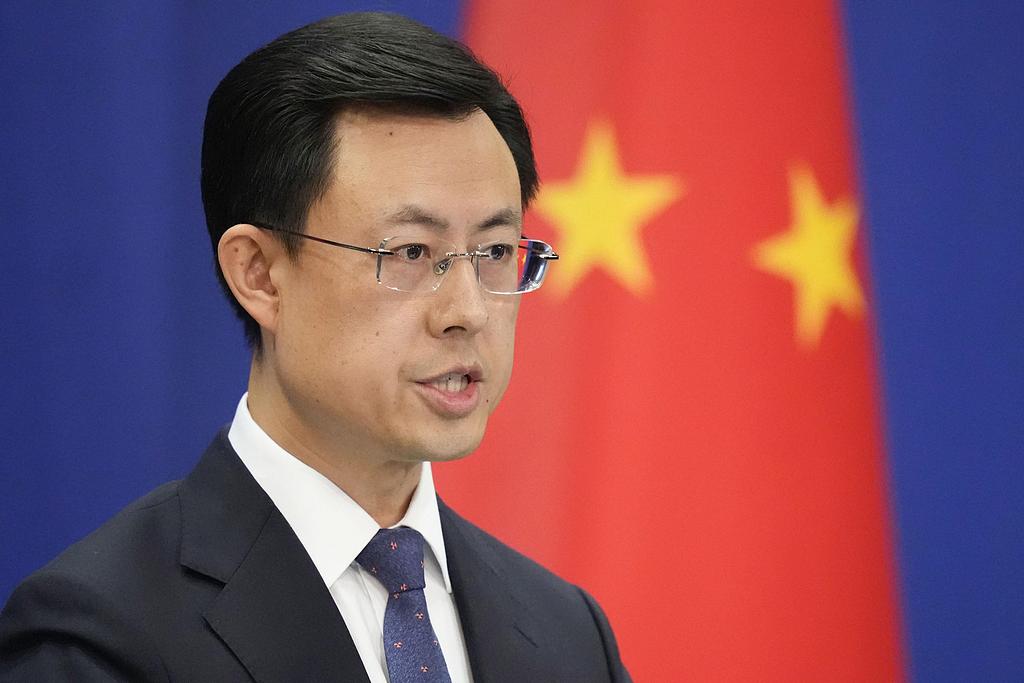
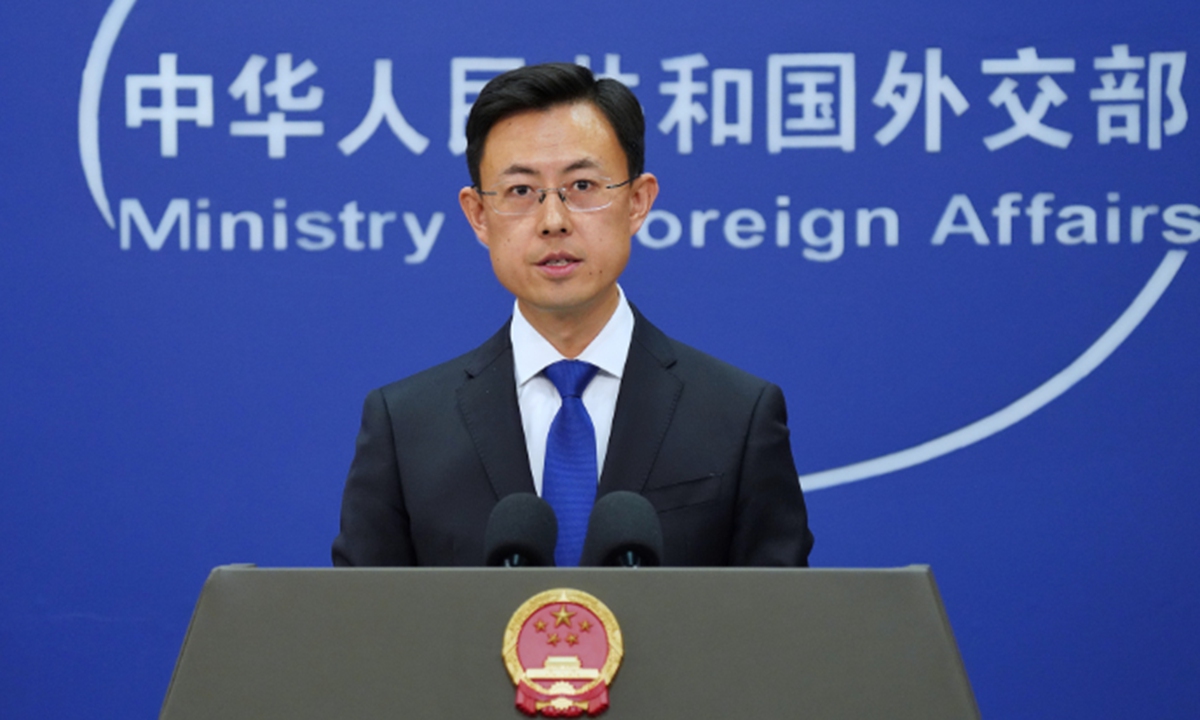
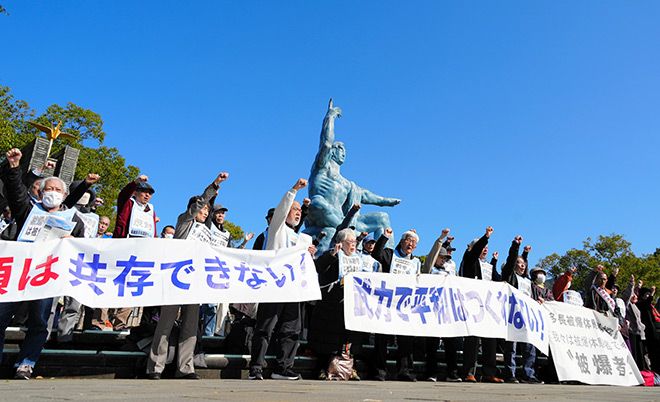
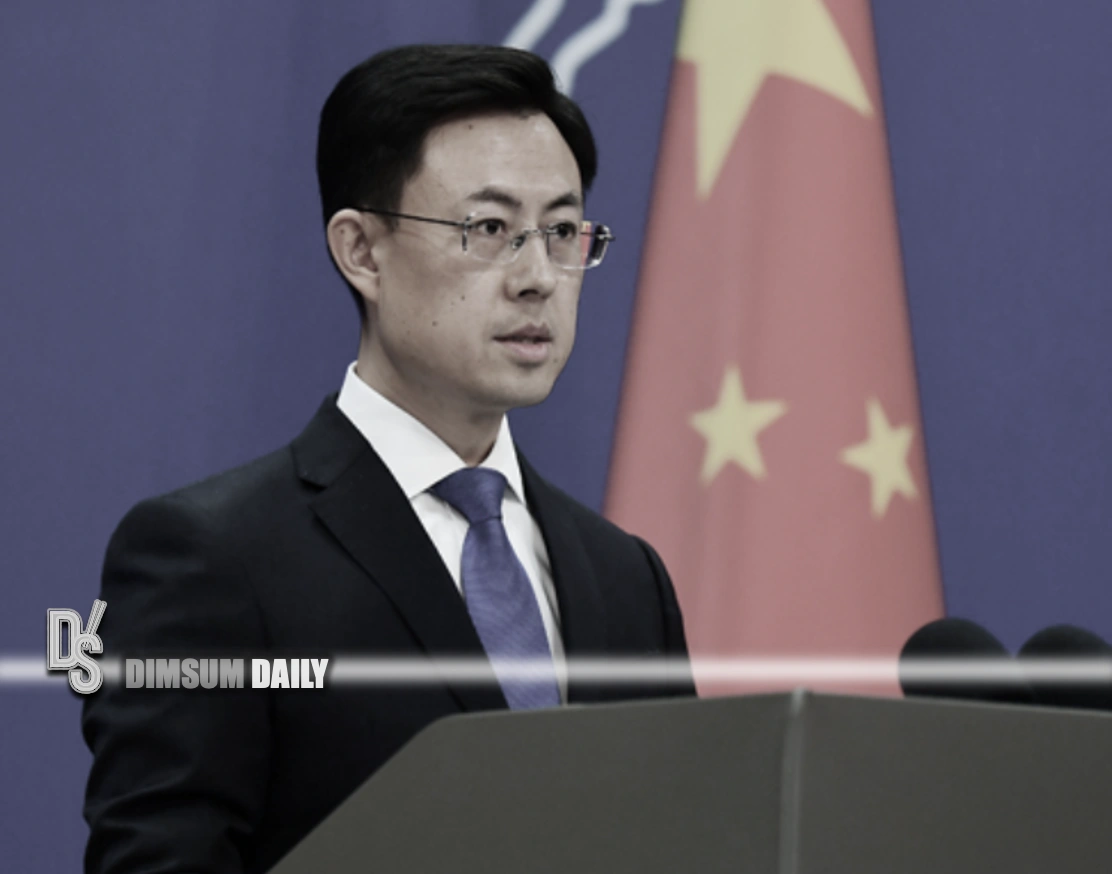
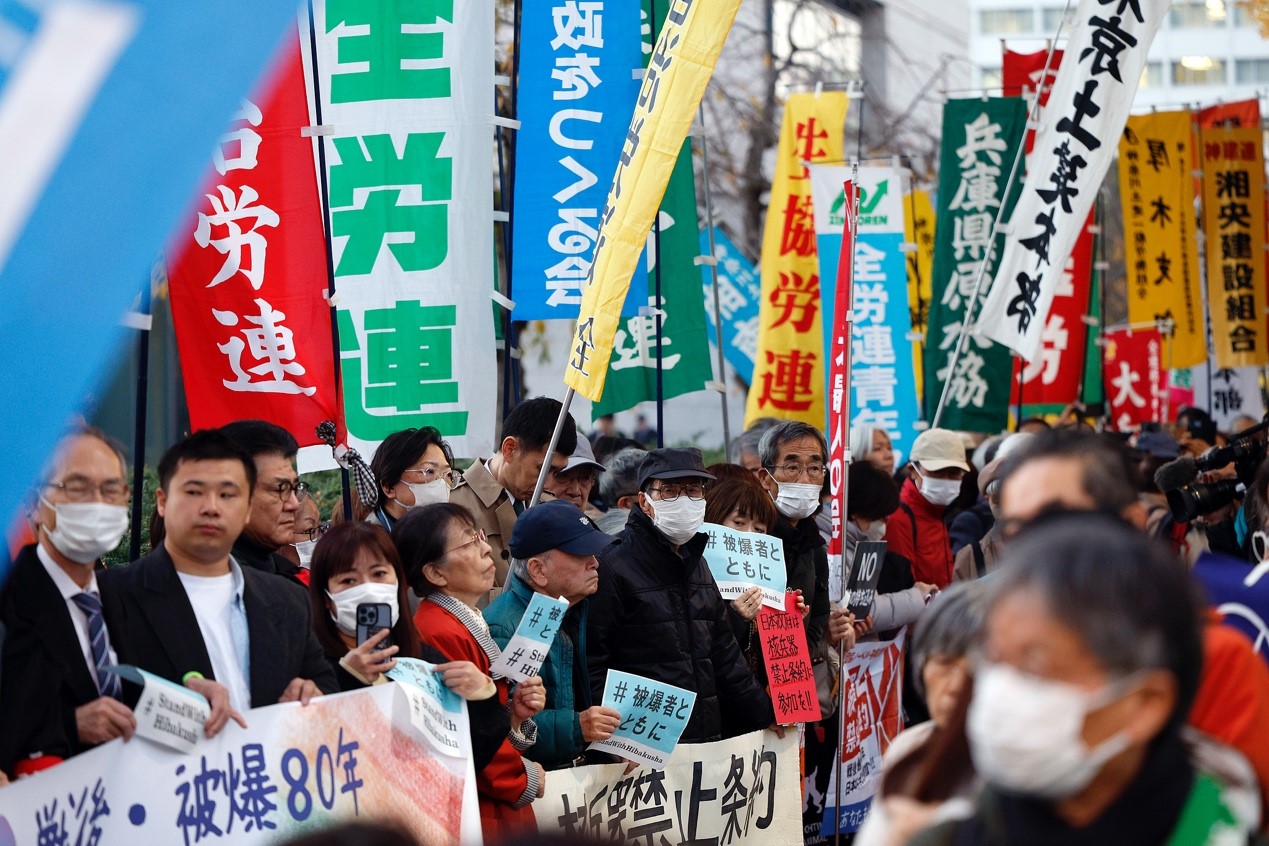
The international response has been swift and complex. China has already criticized Japan's rhetoric as 'erroneous', while atomic bomb survivors' groups maintain steadfast opposition. Yet, the mere fact that such discussions are happening publicly suggests a profound shift in Japan's strategic thinking.
For policymakers and strategic observers, this represents more than a policy debate—it's a potential inflection point in Japan's post-World War II security paradigm. The government's careful management of these discussions, neither fully embracing nor completely dismissing nuclear considerations, reveals a sophisticated approach to navigating increasingly complex geopolitical pressures.
Questions 4
Why are Japanese officials suddenly discussing nuclear weapons?
Growing regional security threats from nuclear-armed neighbors like China, Russia, and North Korea have prompted a re-examination of Japan's traditional non-nuclear stance. Concerns about the reliability of U.S. security guarantees are also driving these strategic discussions.
What are the main obstacles to Japan developing nuclear weapons?
Japan faces significant diplomatic, historical, and constitutional barriers. As the only nation to have suffered atomic bombings, there's strong public and international resistance. The country's post-war constitution and 'Three Non-Nuclear Principles' also legally and politically constrain nuclear weapon development.