
Diplomatic Chess: Rubio's Nuanced Geopolitical Mediation Strategy Emerges
- Revealing the Trump Administration's Complex Approach to Global Conflict Resolution
















Overview
The emerging diplomatic landscape reveals a sophisticated, multilayered approach to international conflict mediation under the Trump administration, with Secretary of State Marco Rubio positioning the United States as a strategic intermediary across multiple global hotspots.
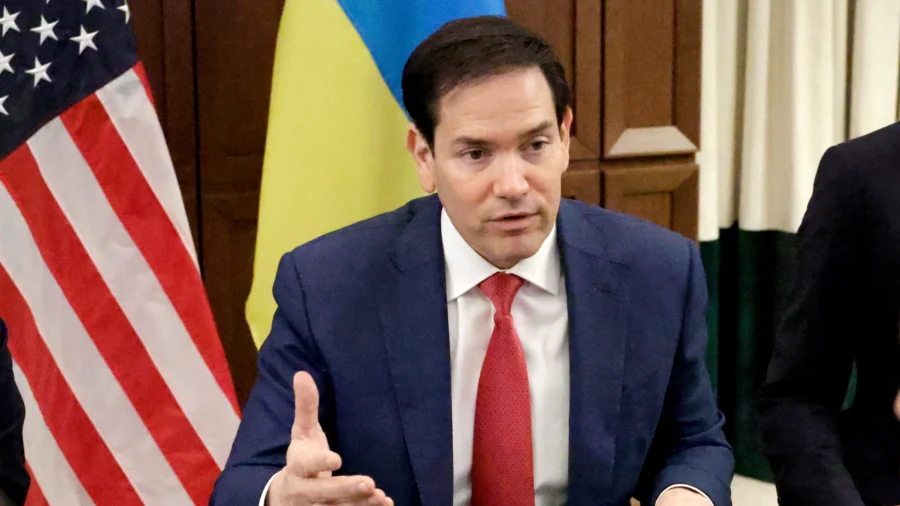
Diplomatic Complexity characterizes the current geopolitical environment, where traditional confrontational tactics are being replaced by a more nuanced negotiation strategy. In the Ukraine-Russia conflict, this is most evident in the delicate balance between supporting Ukrainian sovereignty and seeking a negotiated settlement. Rubio's approach demonstrates a remarkable flexibility—simultaneously stating the conflict is "not our war" while asserting that only the US can broker a sustainable peace agreement.
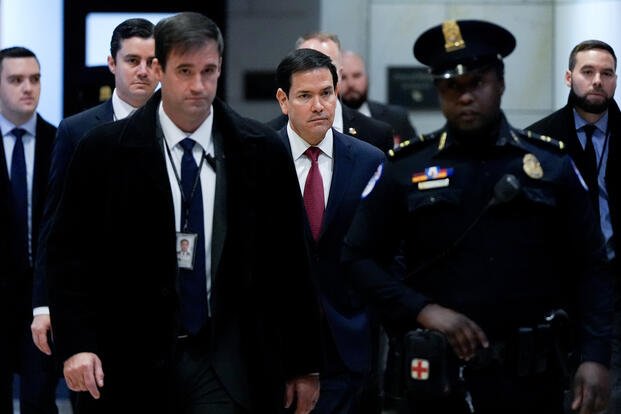
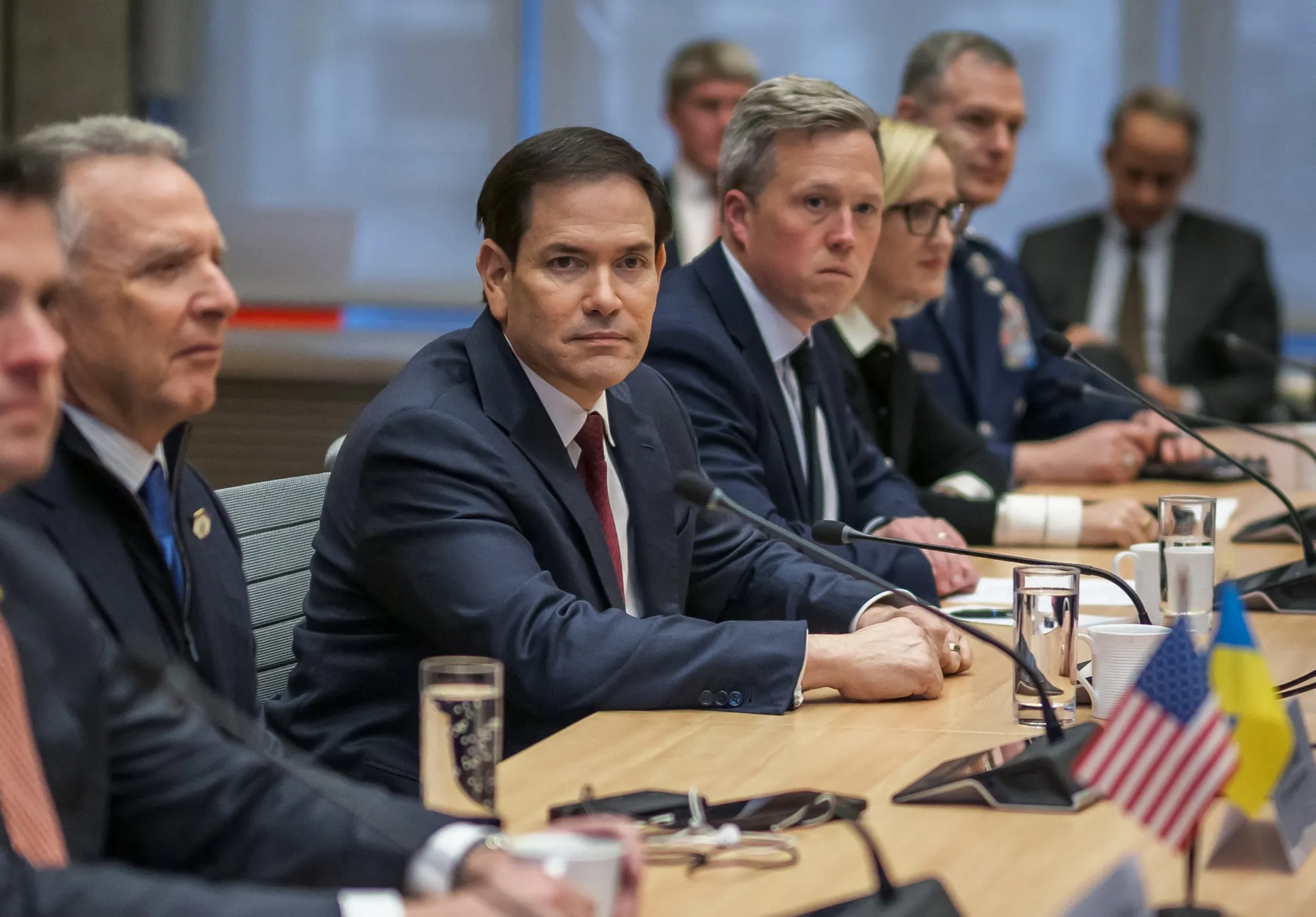
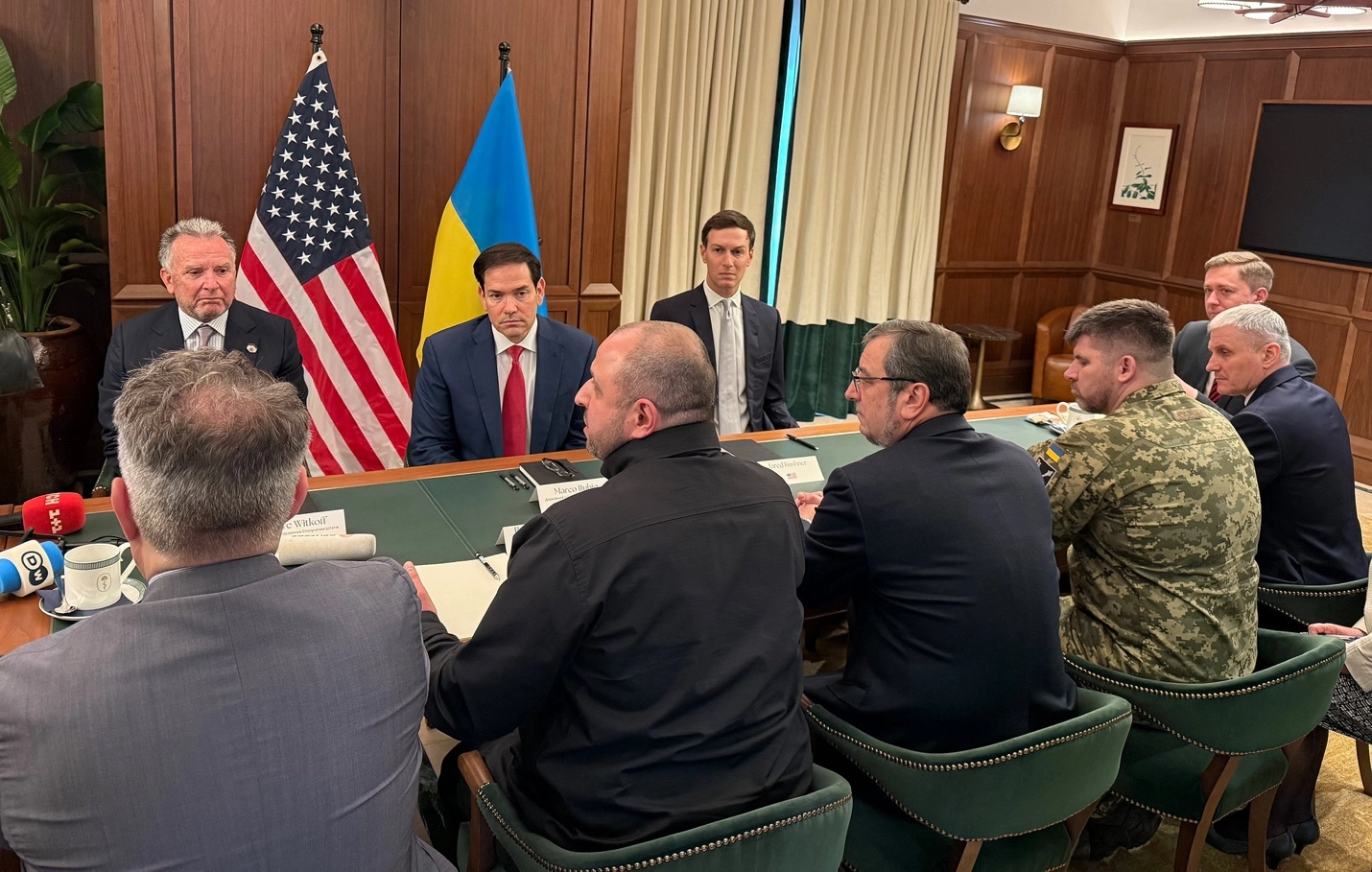
The Miami talks represent a critical inflection point in diplomatic engagement. With key players like Steve Witkoff and Jared Kushner facilitating discussions between Ukrainian and Russian representatives, the negotiations expose the intricate challenges of territorial control and security guarantees. The Donbas region remains a critical sticking point, with Ukraine proposing a free economic zone in the 15% of territory under its control, while Russia seeks complete territorial dominance.
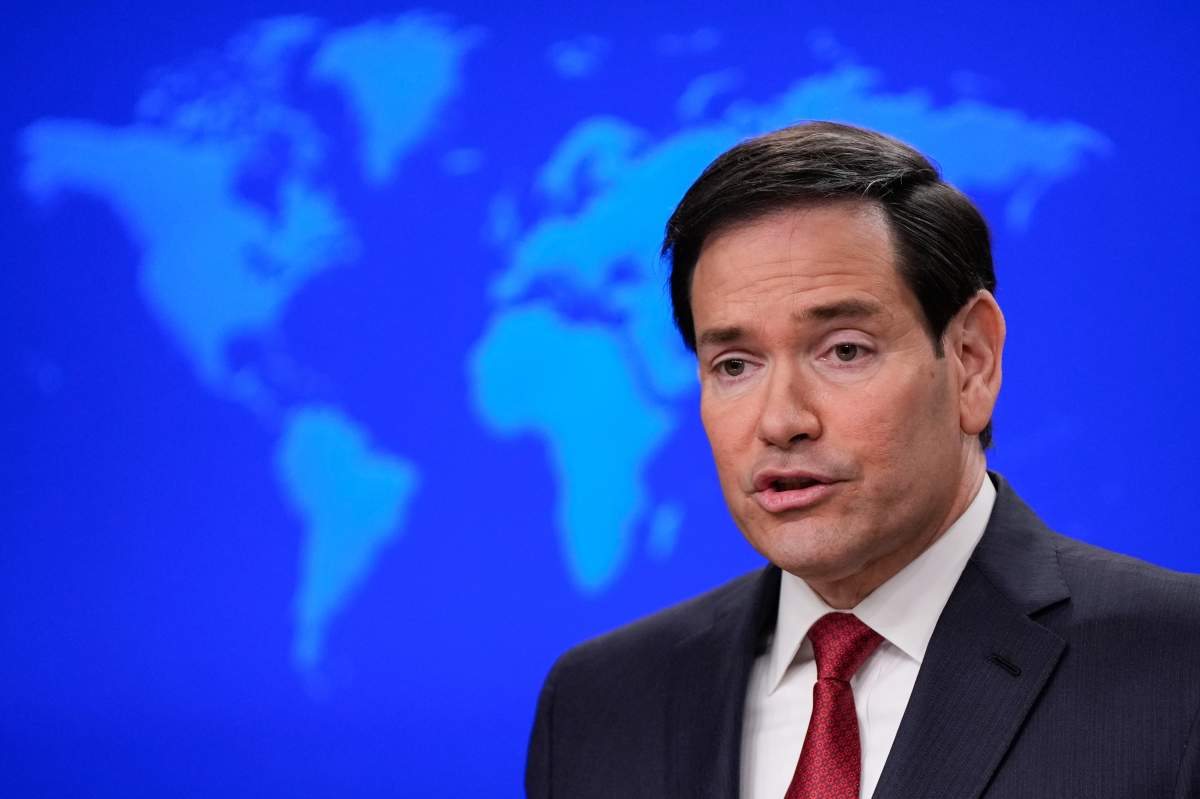
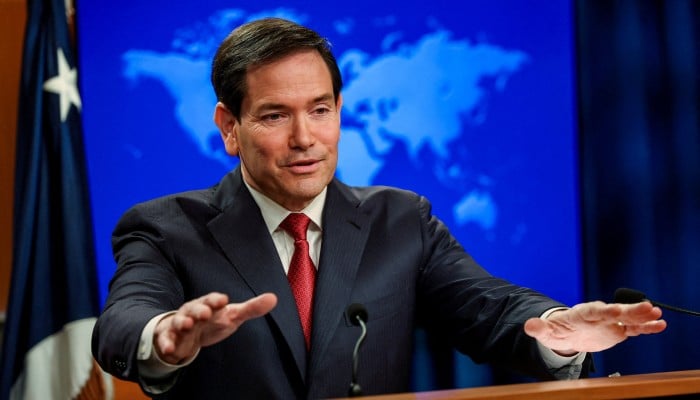
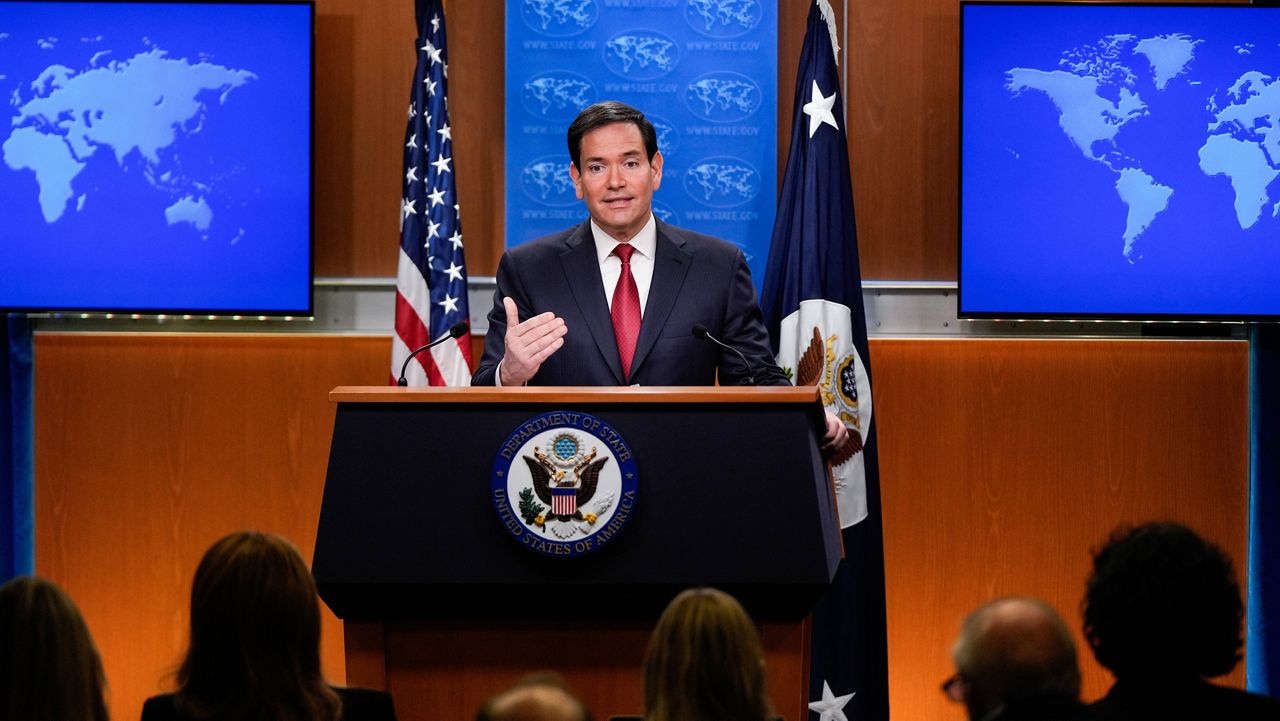
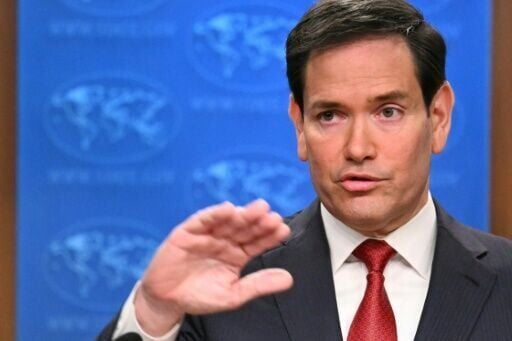
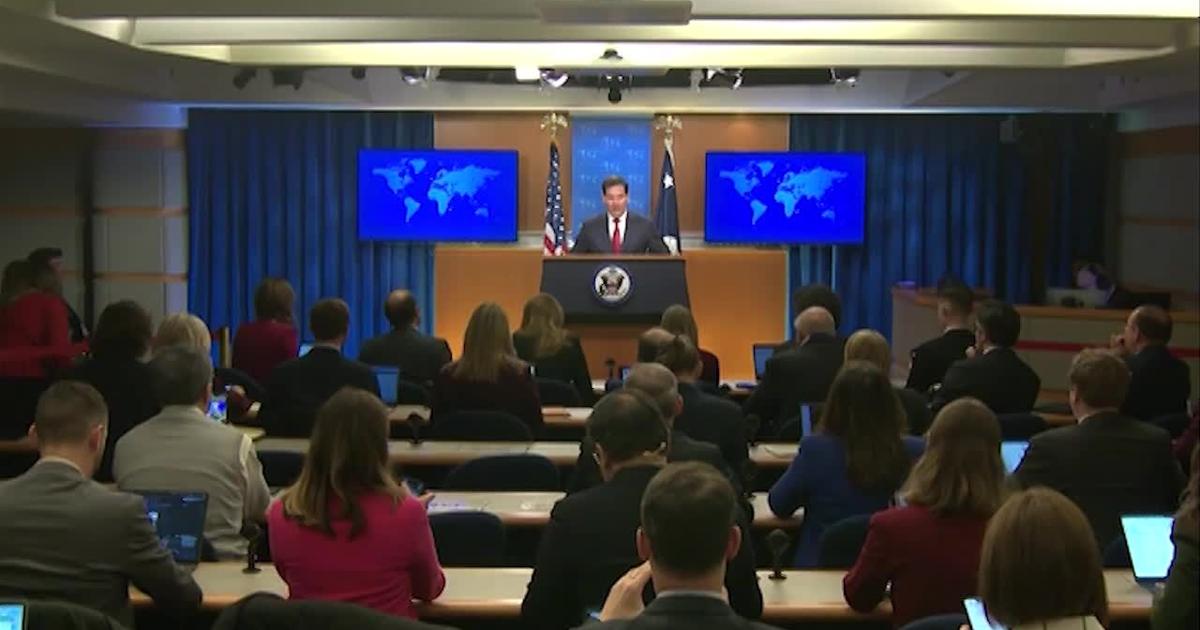
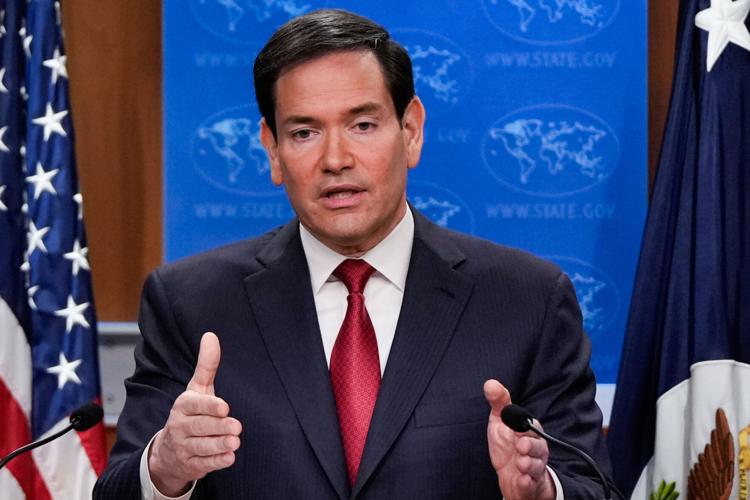
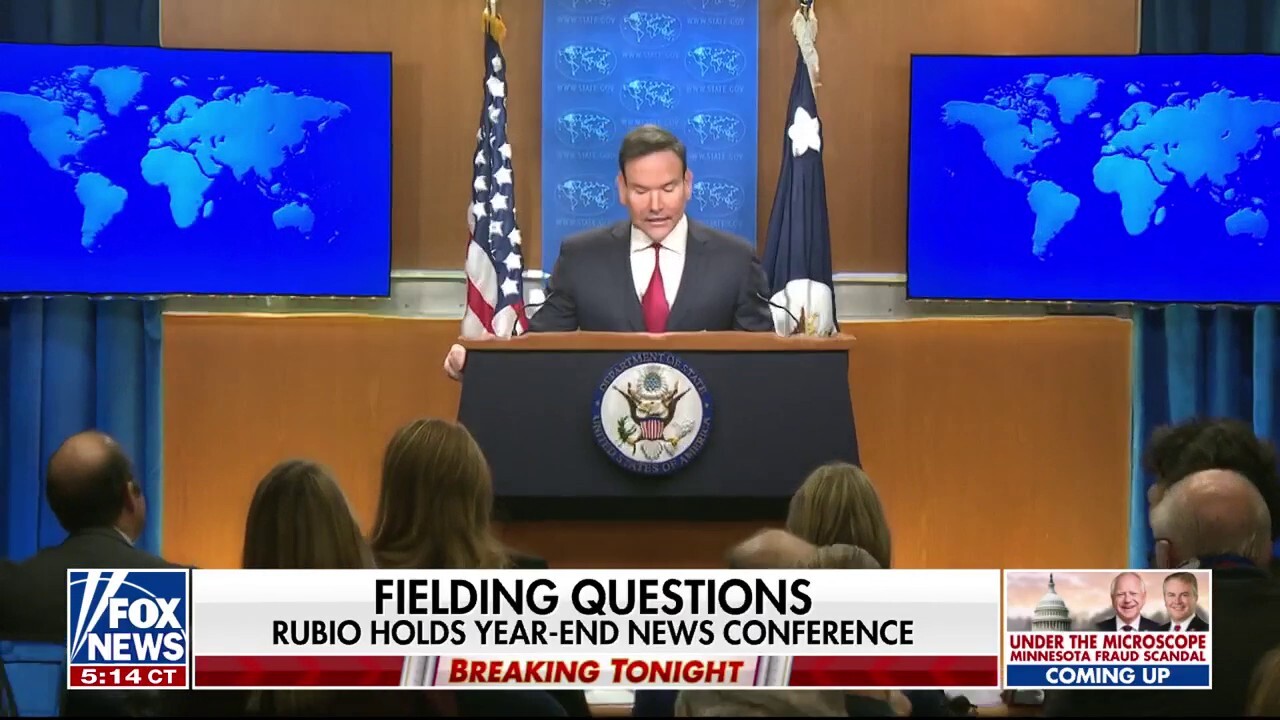
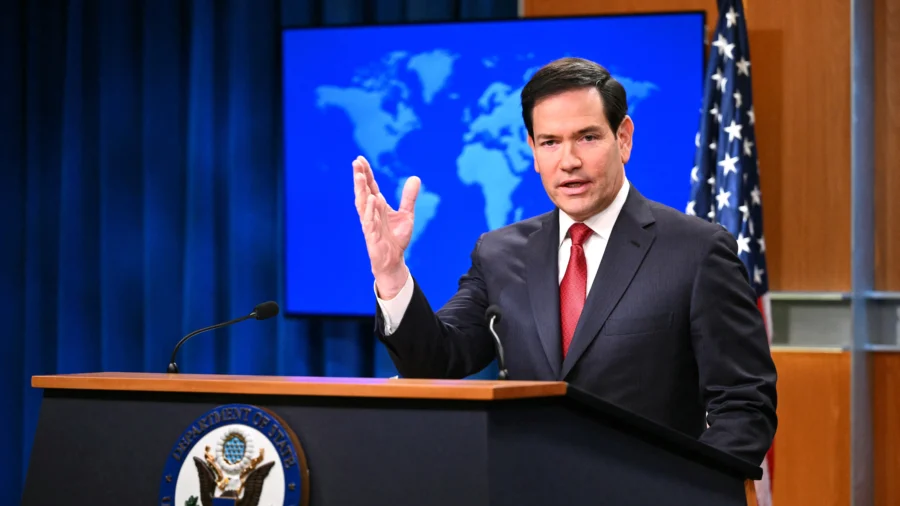
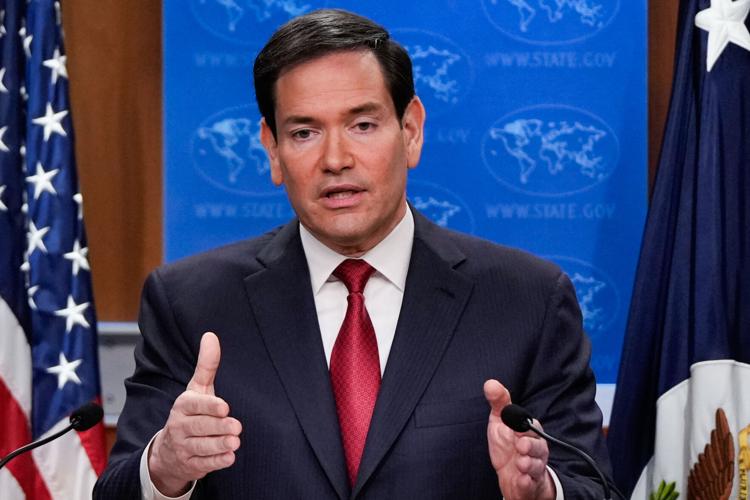
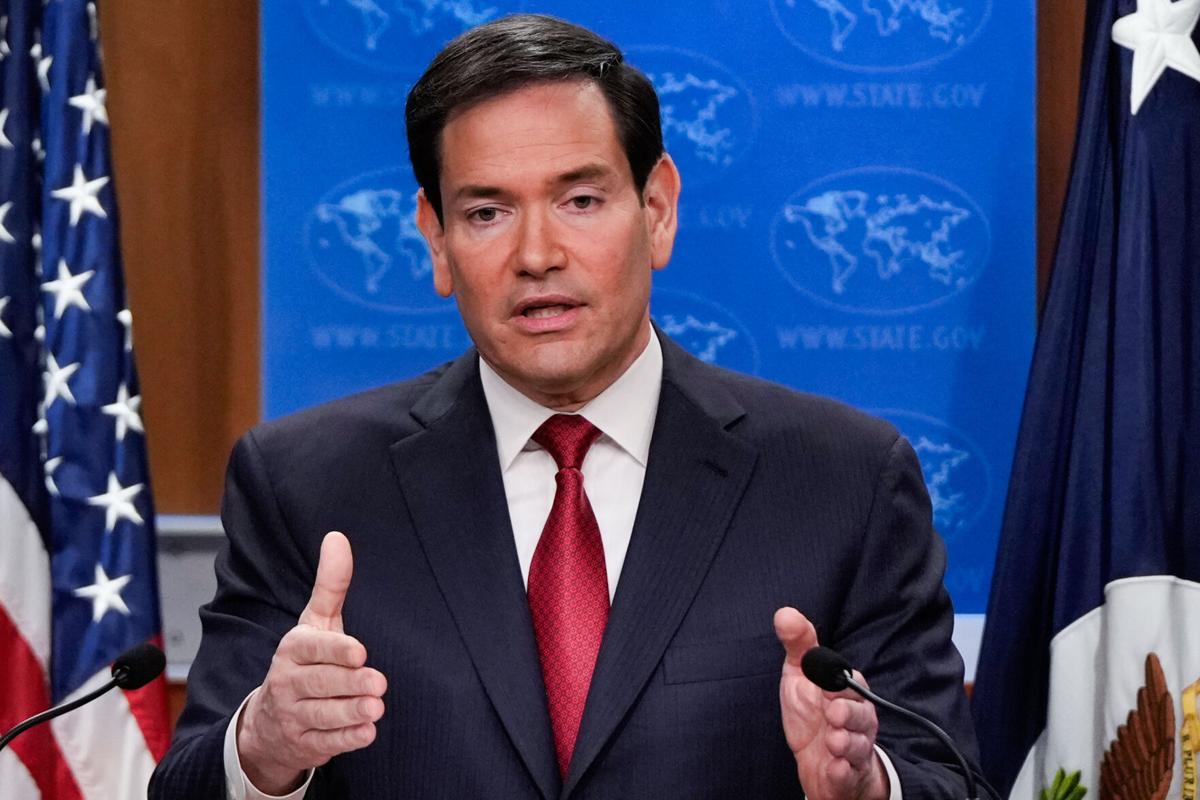
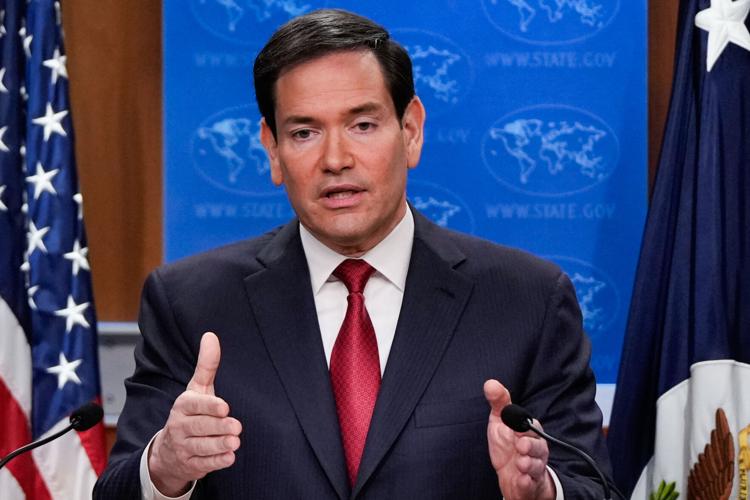
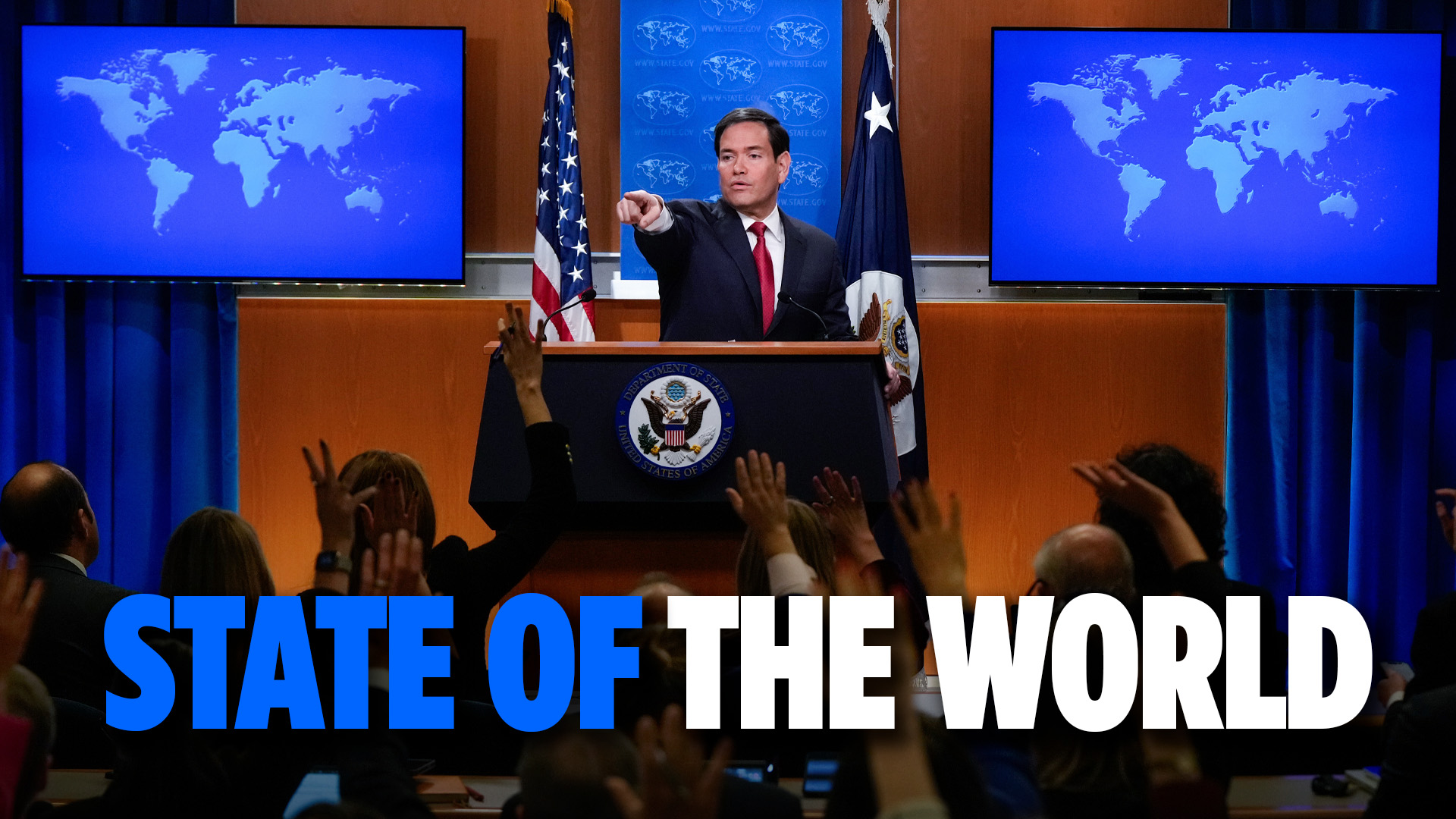
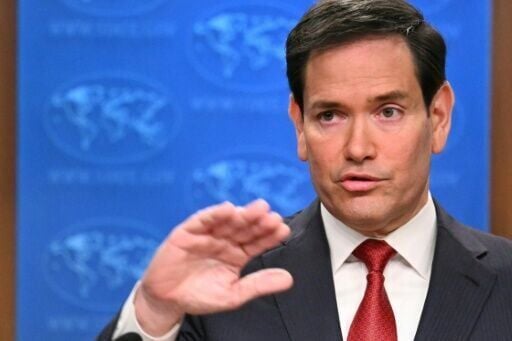
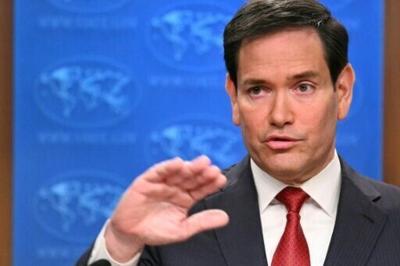
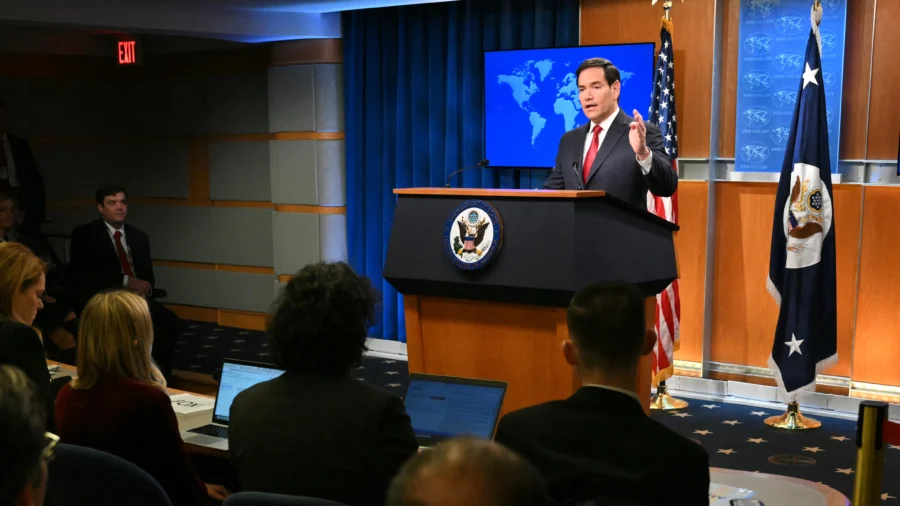
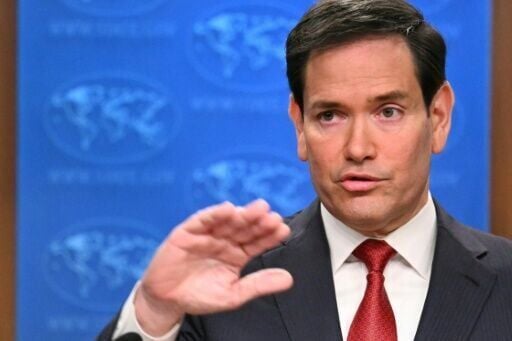
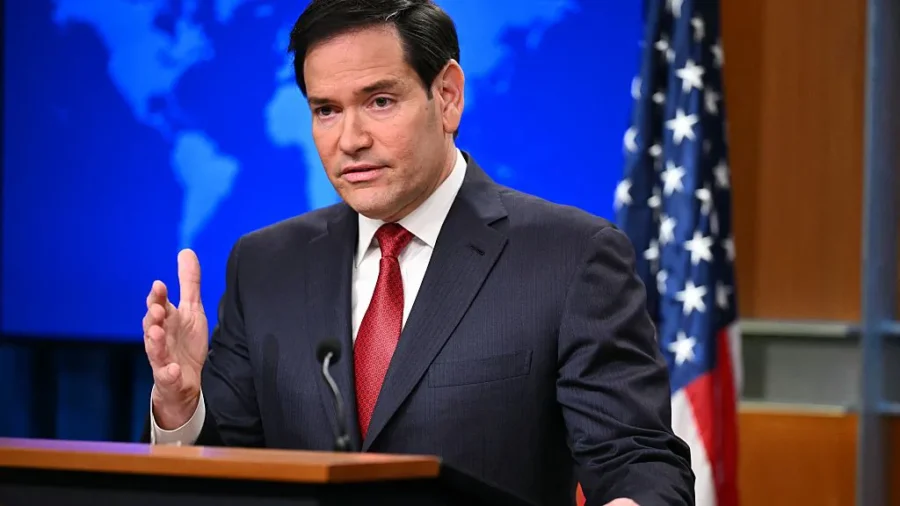
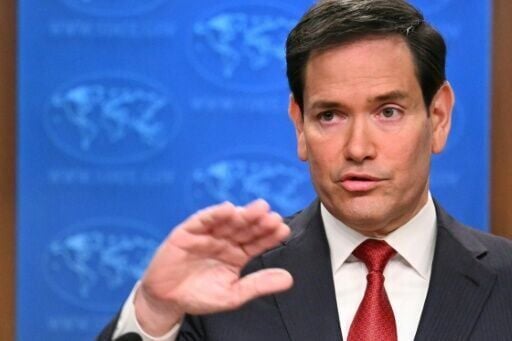
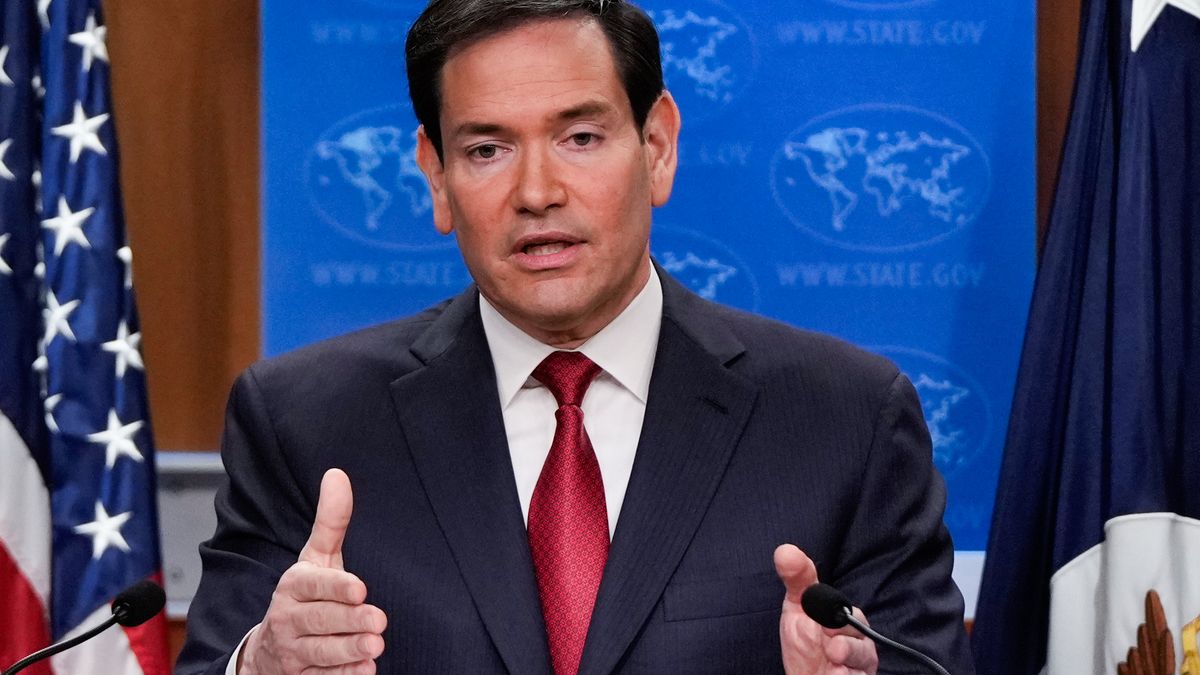
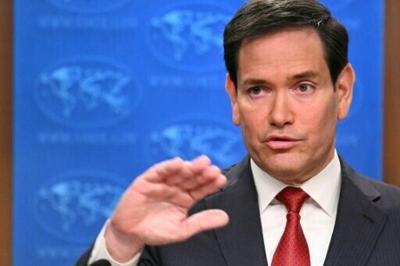
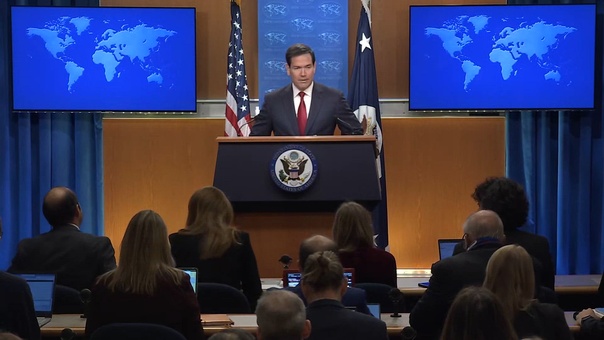
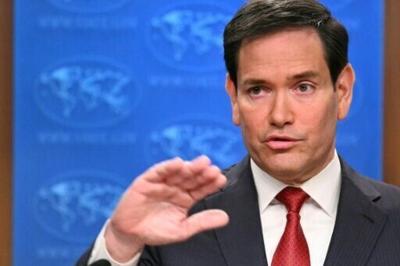
Rubio's communication strategy itself becomes a diplomatic instrument. His two-hour press conference, featuring interactions with 46 reporters and multilingual responses, signals a departure from confrontational administrative communication. By avoiding inflammatory rhetoric and demonstrating linguistic flexibility, he creates a more collaborative diplomatic environment.
The broader geopolitical strategy extends beyond Ukraine, encompassing complex engagements in Venezuela, Gaza, and even signaling potential diplomatic flexibility with China. This multifaceted approach suggests the Trump administration is developing a more sophisticated, context-sensitive approach to international relations—moving away from binary diplomatic positions toward more nuanced, situational engagement.
Critically, the US is positioning itself not as a unilateral enforcer but as a strategic mediator, carefully exploring potential areas of compromise without committing to predetermined outcomes. This represents a significant evolution in diplomatic strategy, where dialogue and understanding become primary tools of international influence.
Questions 3
What makes Rubio's diplomatic approach different from previous administrations?
Rubio demonstrates a more nuanced strategy by avoiding confrontational rhetoric, showing linguistic flexibility, and positioning the US as a strategic mediator rather than a unilateral enforcer. His approach involves exploring compromise positions without predetermined outcomes, which represents a significant departure from more rigid diplomatic frameworks.
What are the key challenges in the Ukraine-Russia negotiations?
The primary challenges include territorial control of the Donbas region, with Ukraine proposing a free economic zone in 15% of its territory while Russia seeks complete control. Additionally, there are fundamental disagreements about security guarantees, with Ukraine seeking Western protection and Russia rejecting NATO-like arrangements.