




Gaza Ceasefire Diplomacy Reaches Critical Crossroads
- Multilateral Negotiations Test Fragile Peace Amid Complex Regional Dynamics


















Overview
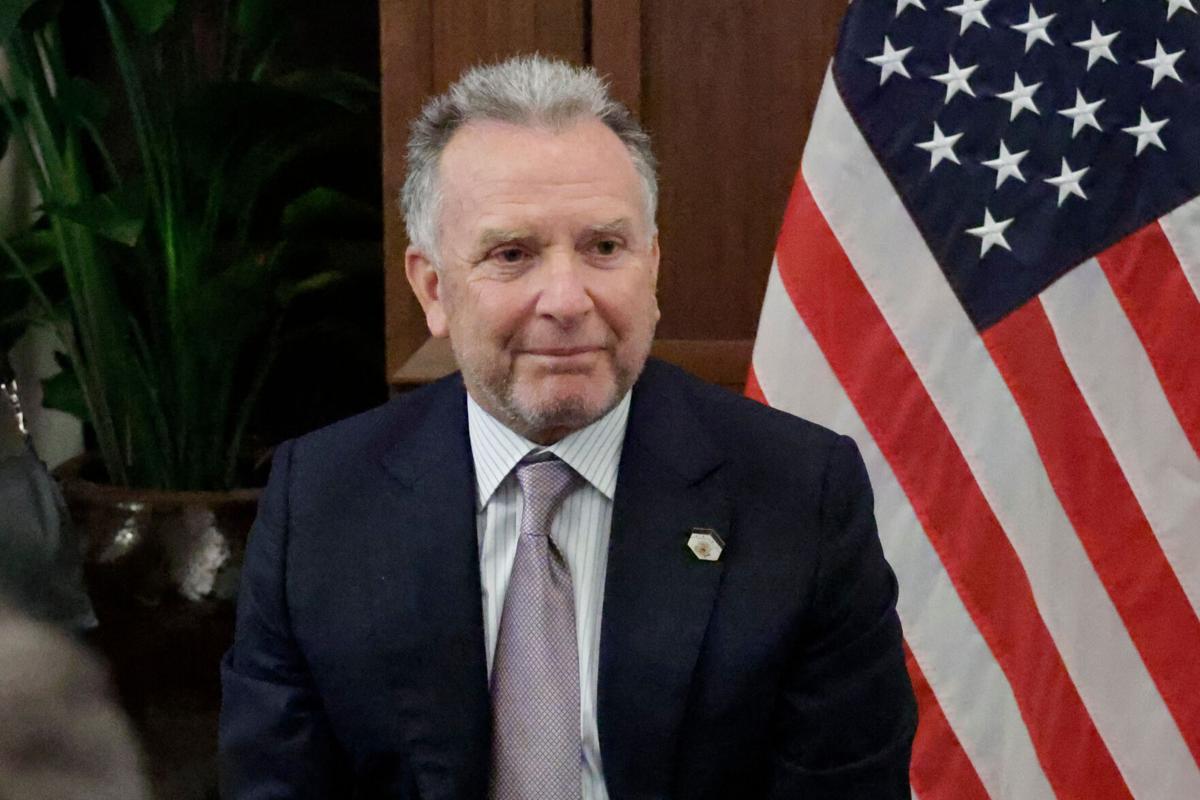
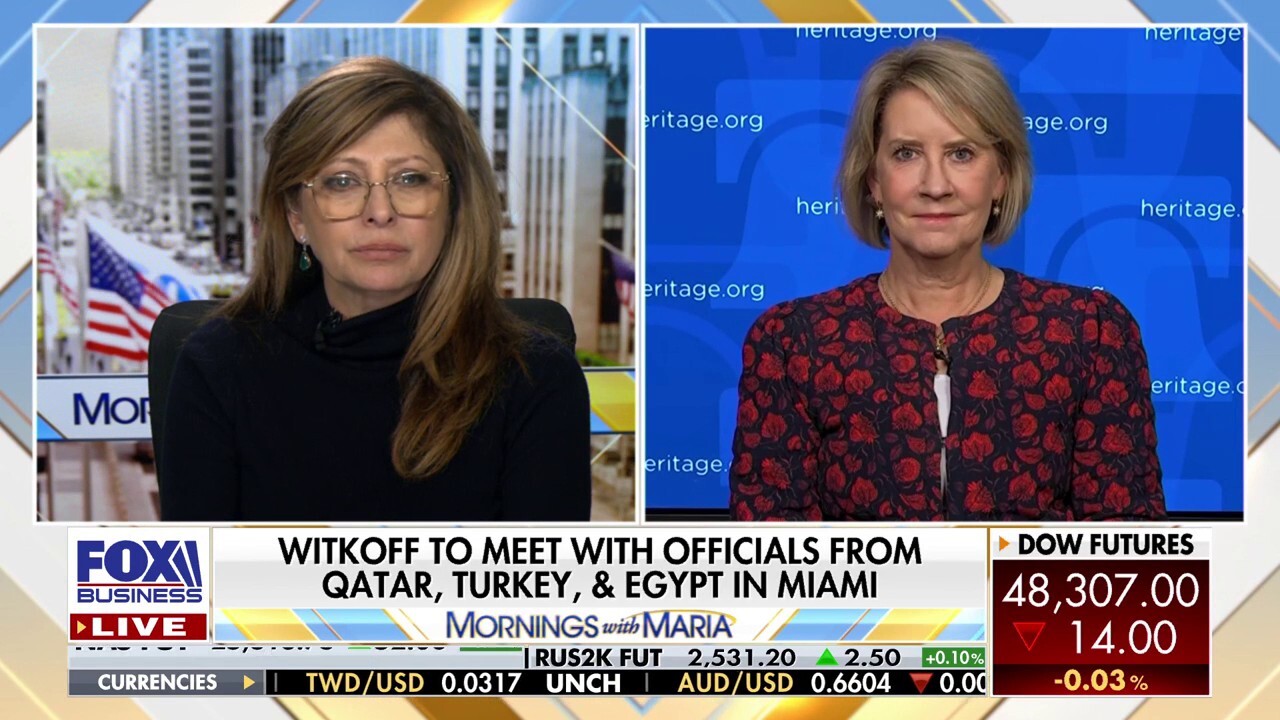
The diplomatic landscape surrounding the Gaza ceasefire has reached a pivotal moment of strategic tension and potential transformation. High-stakes negotiations in Miami represent more than a routine diplomatic gathering—they symbolize a complex geopolitical chess match with profound regional implications.
Multilateral mediation efforts are encountering significant resistance, with both Israel and Hamas demonstrating strategic intransigence that threatens the entire peace process. The United States is attempting to broker a delicate second-phase agreement that demands unprecedented compromises: Israel's withdrawal from Gaza positions, establishment of an interim governance mechanism, and deployment of an international stabilization force.
The core challenge lies in the fundamental misalignment of objectives. Hamas leadership has explicitly asserted its "legitimate right" to retain weapons, directly contradicting Israel's absolute demand for disarmament. This fundamental disagreement creates a structural impediment to progress. Qatar, Turkey, and Egypt—acting as critical mediators—are increasingly frustrated by what they perceive as deliberate delays from both primary parties.
The diplomatic calculus is further complicated by the involvement of multiple regional powers. The presence of high-level representatives from Qatar, Turkey, Egypt, and the United Arab Emirates signals the broader geopolitical stakes. Each nation brings its own strategic interests, making the negotiation a multilayered diplomatic challenge that extends far beyond the immediate Gaza conflict.
The Miami talks represent a crucial inflection point. Failure could reignite violent confrontations, while success might establish a precedent for complex conflict resolution in the region. The international community watches closely, understanding that the outcome will have ripple effects across Middle Eastern geopolitical dynamics.
Questions 3
What are the key obstacles preventing progress in the Gaza ceasefire negotiations?
The primary obstacles include Hamas's resistance to disarmament, Israel's insistence on complete weapon removal, and fundamental disagreements about Gaza's interim governance. The mediators believe both parties are deliberately delaying progress, creating a complex diplomatic impasse.
Which countries are playing the most critical roles in current mediation efforts?
Qatar, Turkey, Egypt, and the United Arab Emirates are the primary diplomatic actors. They are working closely with the United States to broker a sustainable agreement, each bringing unique regional perspectives and strategic interests to the negotiation table.