


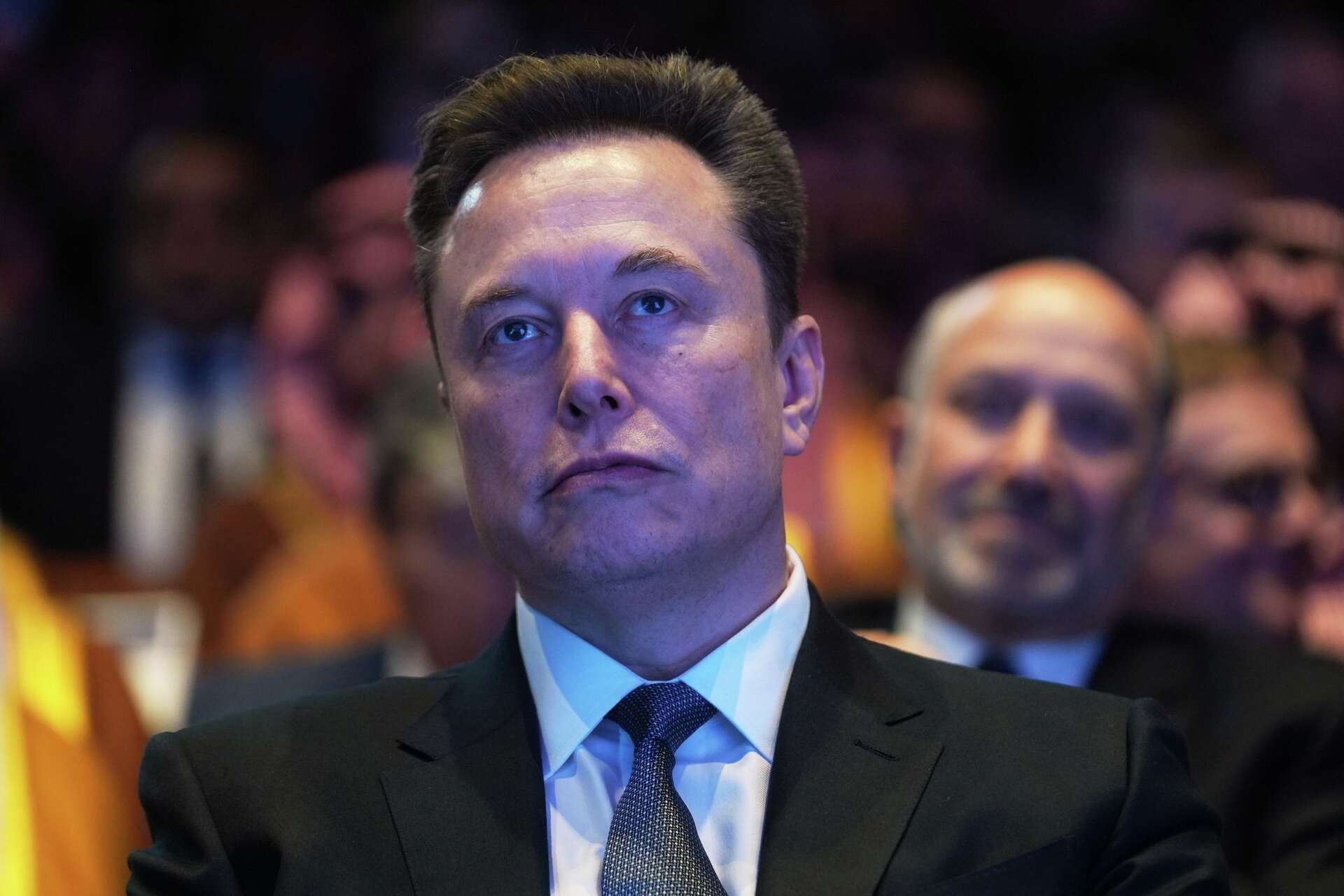
Corporate Governance Showdown: How Musk's $56 Billion Tesla Payday Rewrites Executive Compensation Rules
- Delaware Supreme Court ruling signals massive shift in shareholder rights and executive compensation strategies
















Overview
The Delaware Supreme Court's landmark decision to reinstate Elon Musk's $56 billion compensation package represents far more than a personal legal victory—it's a seismic recalibration of corporate governance and executive compensation frameworks. By overturning the previous Chancery Court ruling, the Supreme Court has effectively validated an unprecedented compensation model that challenges traditional shareholder protection mechanisms.
At the core of this legal battle lies a fundamental tension: how to appropriately reward extraordinary corporate leadership while maintaining robust governance standards. Musk's compensation package, originally structured as a performance-based equity award contingent on ambitious market capitalization and operational milestones, was initially deemed problematic due to perceived board independence issues. The Supreme Court's reversal suggests a nuanced understanding that unconventional leadership in transformative companies might require equally innovative compensation structures.
The financial implications are staggering. With $139 billion in restored stock options and a potential additional $1 trillion performance package, Musk's compensation represents a new paradigm in executive incentive design. This ruling signals to corporate boards that performance-linked, high-risk compensation packages can withstand legal scrutiny if shareholders repeatedly approve them and genuine performance metrics are met.
Moreover, the decision carries broader strategic implications. By moving Tesla's incorporation from Delaware to Texas in response to the initial ruling, Musk demonstrated a willingness to challenge established corporate governance jurisdictions. The Supreme Court's decision effectively neutralizes that strategic maneuver while reinforcing shareholder voting rights as a critical governance mechanism.
For technology and innovation-driven companies, this ruling provides a critical precedent: extraordinary leadership can be compensated extraordinarily, provided there's transparent shareholder engagement and measurable performance criteria. It represents a potential blueprint for aligning executive compensation with genuine, transformative corporate value creation.
Questions 3
Why did the Delaware Supreme Court overturn the previous ruling against Musk's compensation package?
The Supreme Court determined that the lower court erred by consistently rejecting a compensation package that shareholders had twice voted to approve. They viewed the original ruling as inequitable, arguing that it would leave Musk uncompensated for his significant efforts in transforming Tesla over a six-year period.
How might this decision impact future corporate governance practices?
This ruling could encourage more innovative compensation structures that tie executive pay directly to ambitious company performance goals. It reinforces shareholder voting rights and signals that unconventional leadership in technology-driven companies might require equally innovative compensation models.