



Nintendo's Strategic Cartridge Revolution Signals New Era for Game Publishing
- Smaller, More Flexible Cartridge Sizes Unlock Economic Opportunities for Game Developers









Overview
The accidental revelation of Nintendo Switch 2's potential cartridge sizes represents a pivotal moment in game distribution economics. ININ Games' unintended disclosure suggests Nintendo is preparing a nuanced approach to physical game production that could dramatically reshape the gaming industry's cost structure.
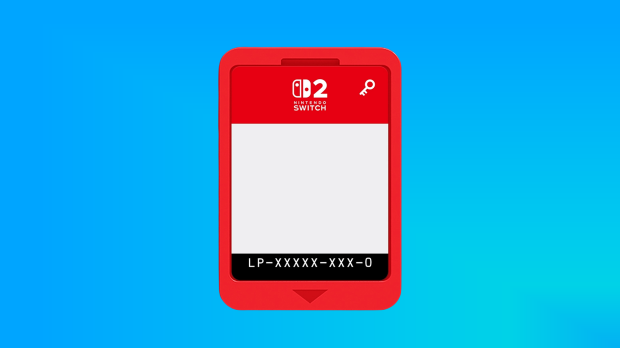
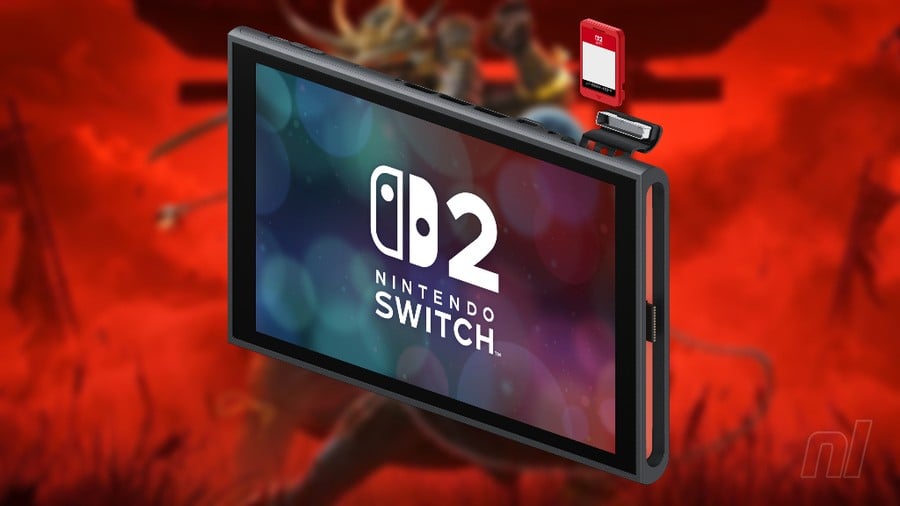
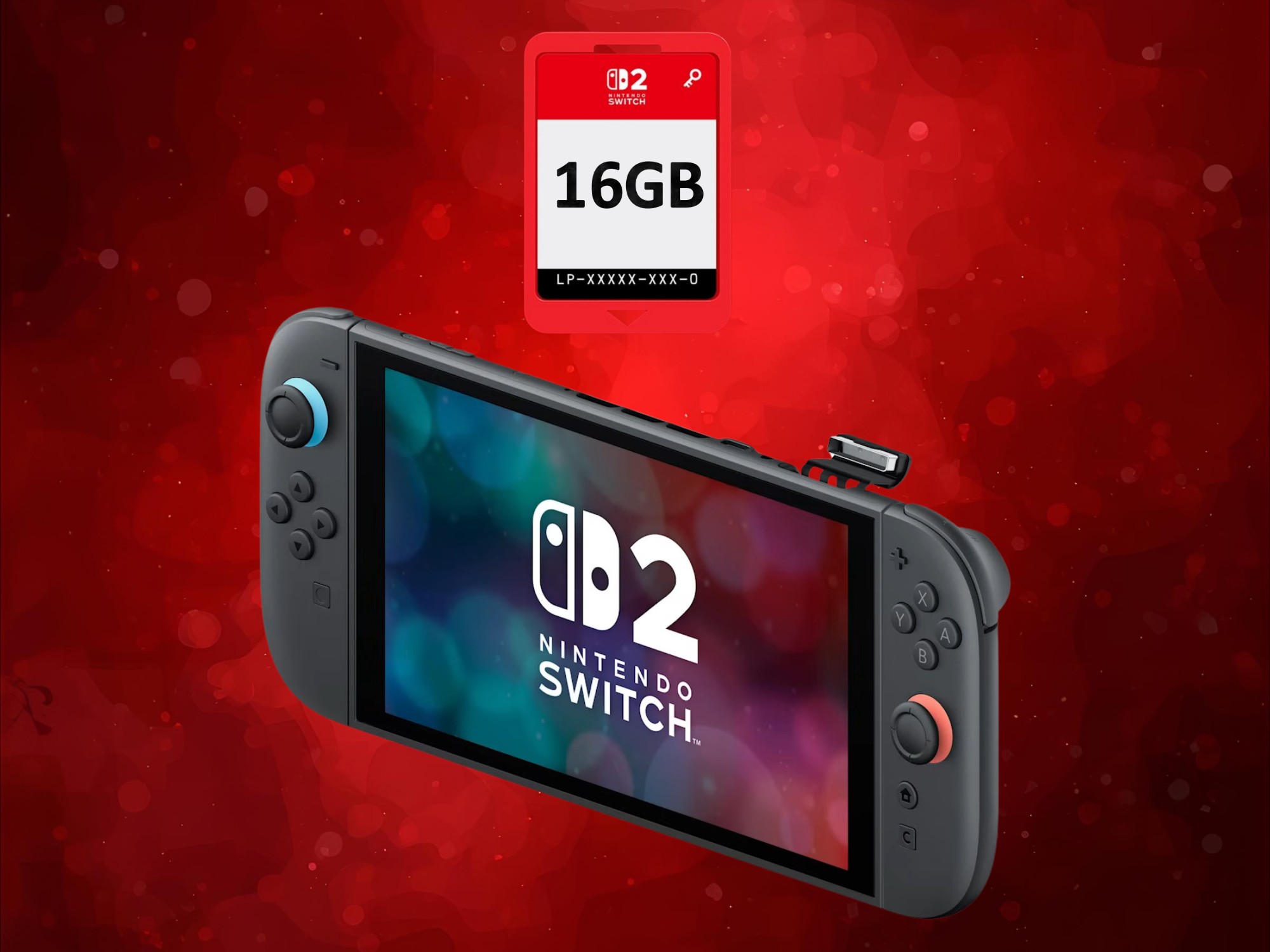
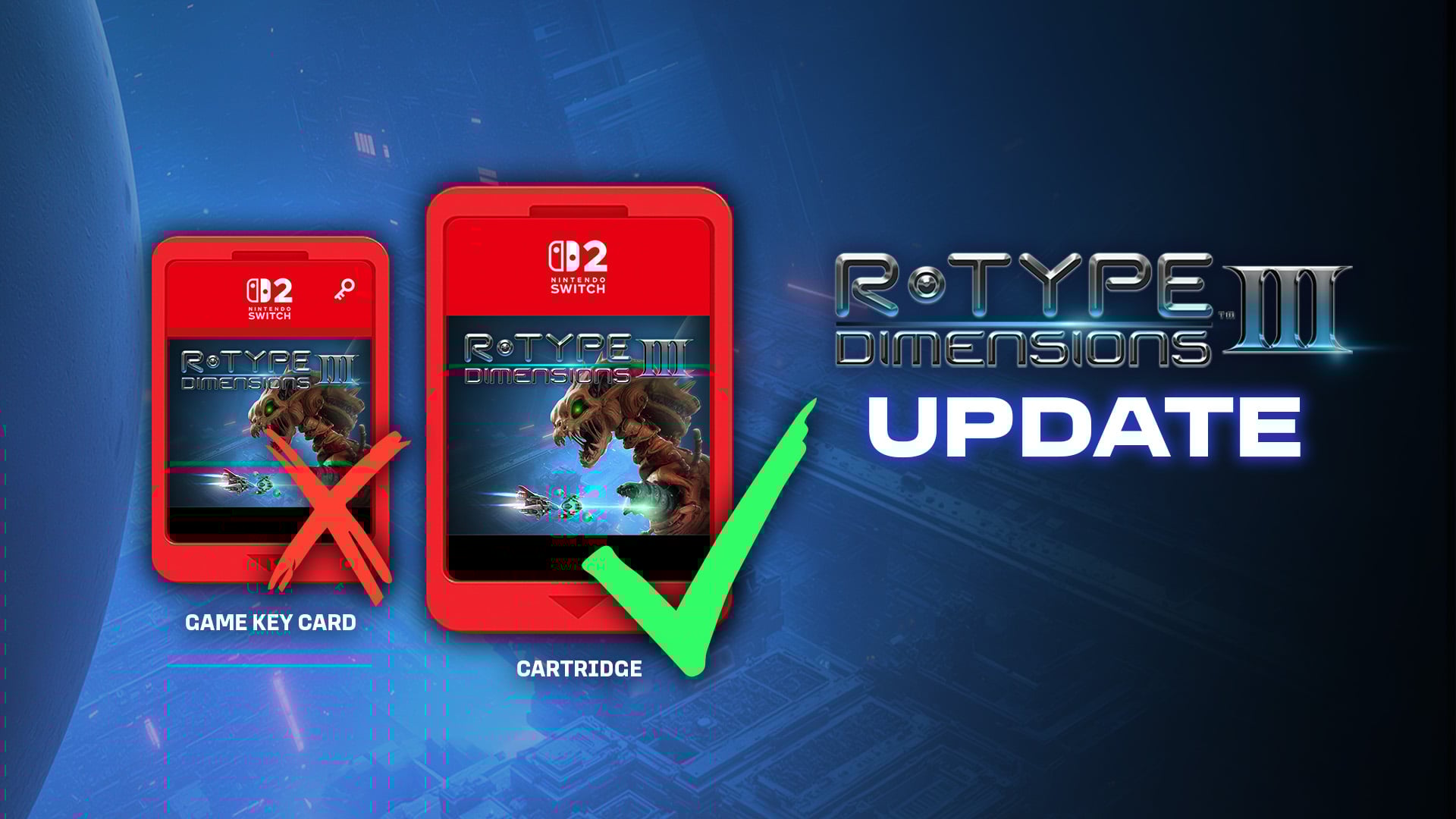
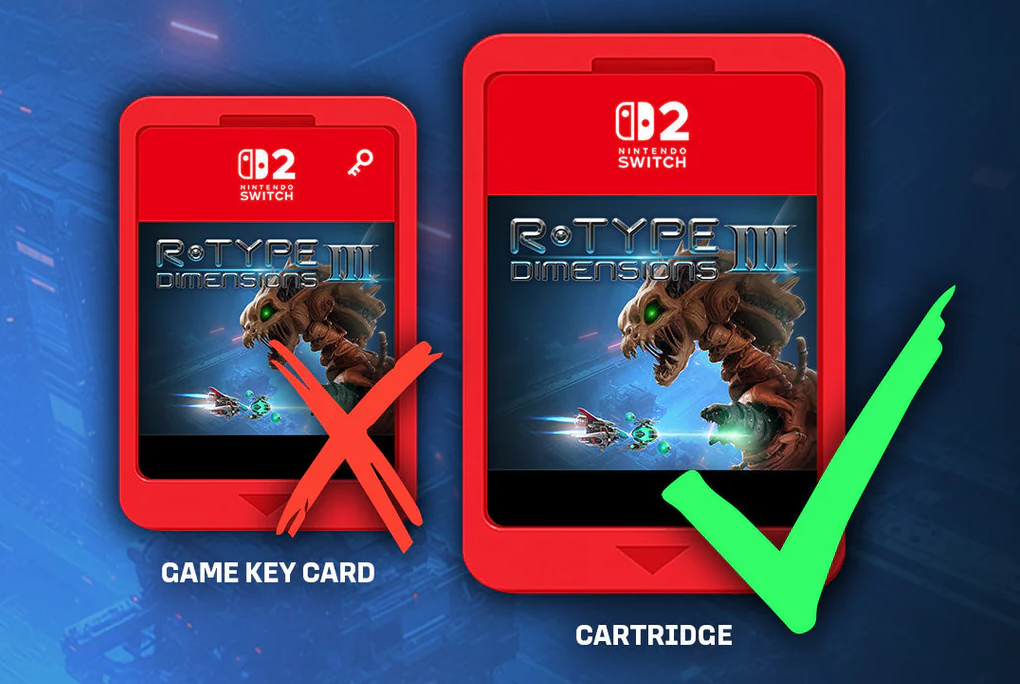
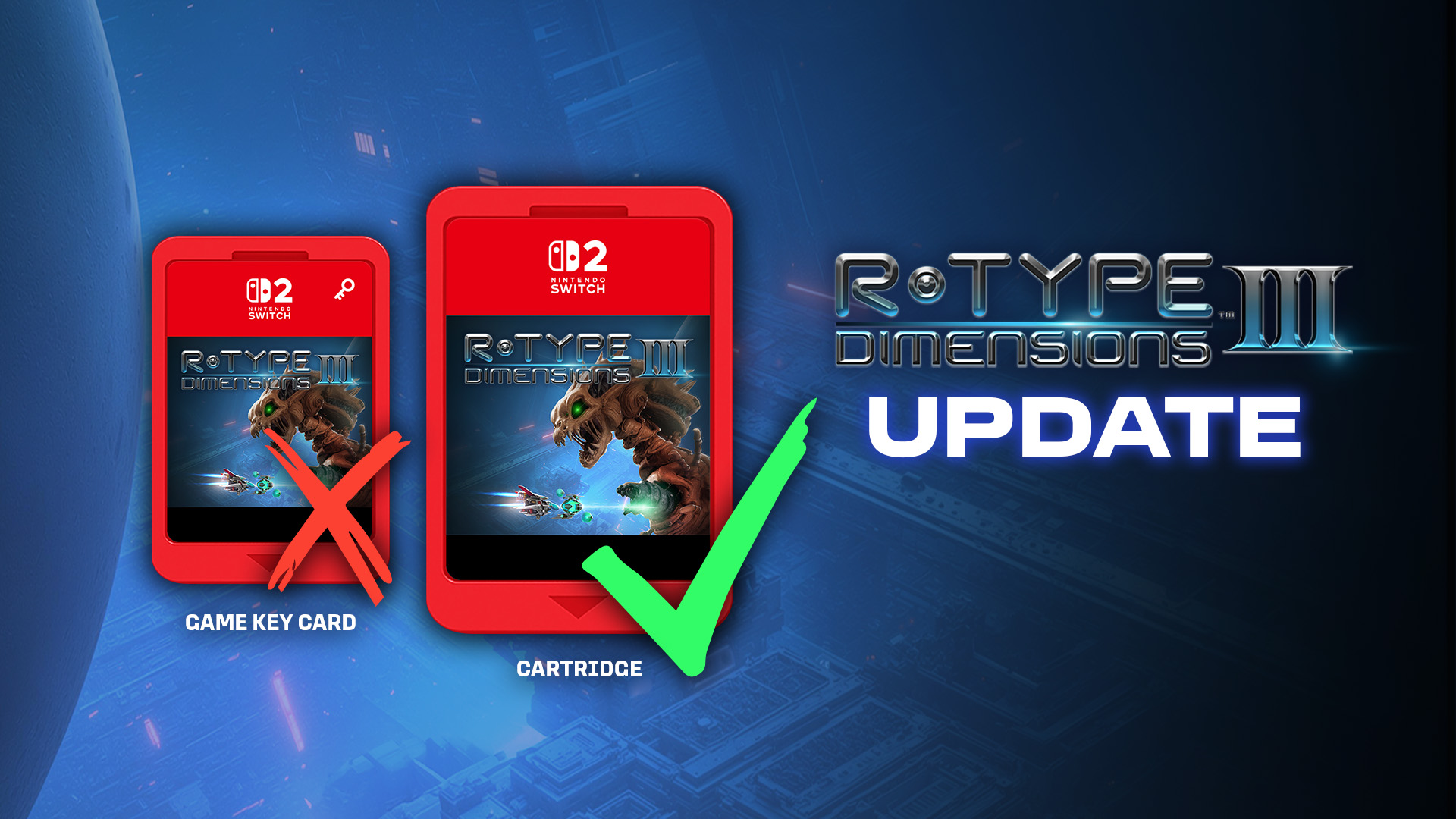
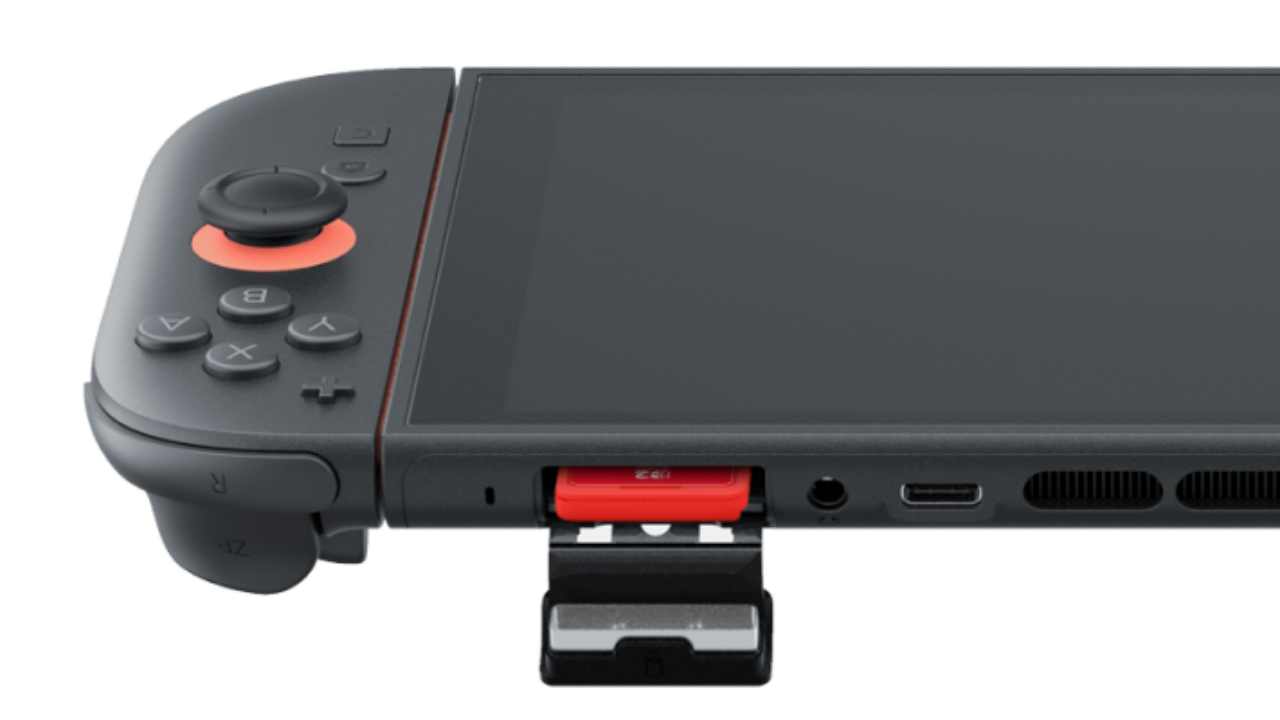
The core innovation lies in introducing 16GB and 32GB cartridge options alongside the existing 64GB format. This strategic move directly addresses the most significant pain point for game publishers: prohibitively expensive cartridge production. Currently, physical game cartridges cost around $16 to manufacture, creating substantial financial barriers for smaller developers and indie studios.
By offering more granular cartridge sizes, Nintendo is essentially creating a flexible ecosystem that balances economic constraints with physical game preservation. The new cartridge strategy signals a sophisticated understanding of market dynamics—recognizing that not every game requires massive storage, and publishers need more economical options. For instance, the ability to produce a 16GB cartridge could reduce production costs by $5-$10 per unit, a significant margin in an industry where every dollar counts.
The leak also reveals a deeper strategic shift. Nintendo appears to be moving away from Game Key Cards, which essentially function as digital download codes, toward a more publisher-friendly physical distribution model. This change potentially resurrects the market for physical game collections, addressing concerns from game collectors worried about digital-only futures and server dependency.
For game developers, especially smaller studios and indie publishers like CD Projekt Red, these cartridge options represent more than a technical specification—they're a lifeline. The new sizes make physical game publishing more accessible, allowing studios to create tangible products without absorbing unsustainable manufacturing costs. This democratization could spark a renaissance in physical game production, giving developers more control over their distribution strategies.
Questions 3
What does this mean for the future of physical game sales?
These cartridge innovations suggest a potential revival of physical game collections. By making production more affordable and flexible, Nintendo is providing a lifeline to game collectors and developers who prefer tangible game media over purely digital distribution.
Why did Nintendo likely develop these new cartridge sizes?
Nintendo is strategically addressing the high production costs of game cartridges, which currently run around $16 per unit. By offering more flexible storage options, they're creating a more inclusive publishing ecosystem that supports both large and small game developers.