
!role~Preview!mt~photo!fmt~JPEG%20Baseline)
Hybrid Warfare Unleashed: Russia's Cyber Offensive Against Western Democratic Infrastructure
- Escalating Digital Disruption Targets Critical National Systems and Democratic Processes








)












Overview
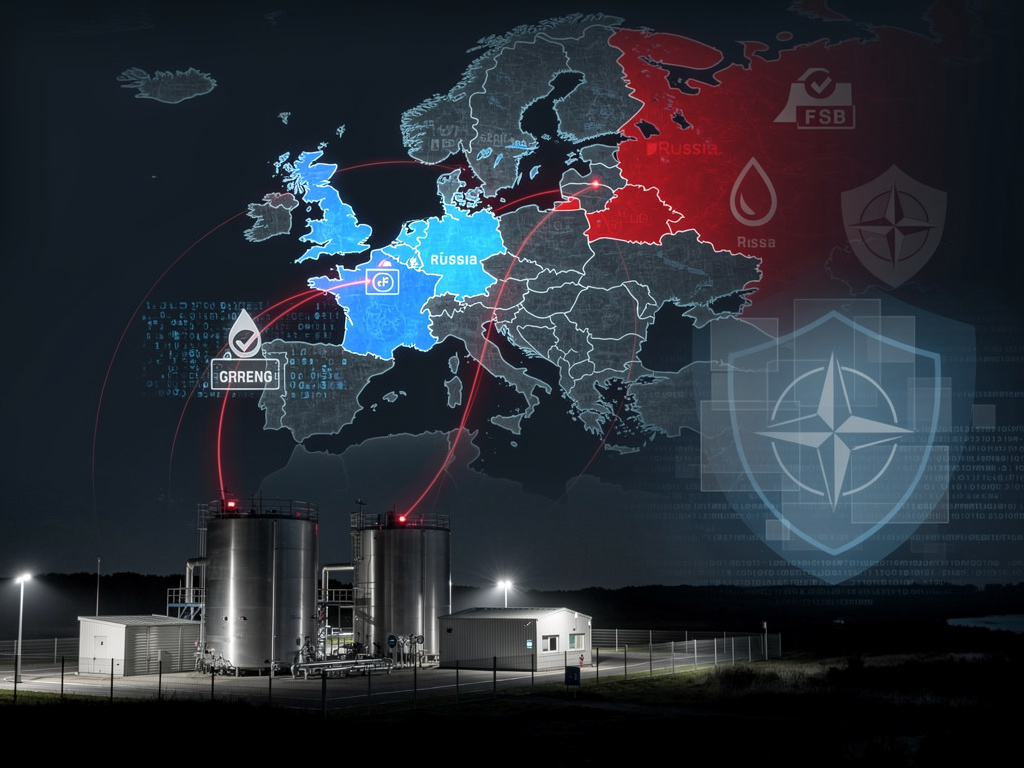
The emerging landscape of state-sponsored cyber warfare reveals a sophisticated and targeted strategy by Russia to destabilize Western democratic nations through precision digital attacks. In a series of calculated operations against Denmark in 2024-2025, Russian-linked hacker groups Z-Pentest and NoName057(16) demonstrated an alarming capability to penetrate and manipulate critical national infrastructure with surgical precision.
Hybrid warfare tactics have evolved beyond traditional military confrontations, transforming digital networks into strategic battlegrounds. The attacks specifically targeted two crucial domains: water utility systems and election infrastructure. In Køge, hackers gained control of waterworks, causing three pipe bursts and temporarily disrupting essential services. Simultaneously, distributed denial-of-service (DDoS) attacks rendered election websites inaccessible, directly threatening democratic processes.
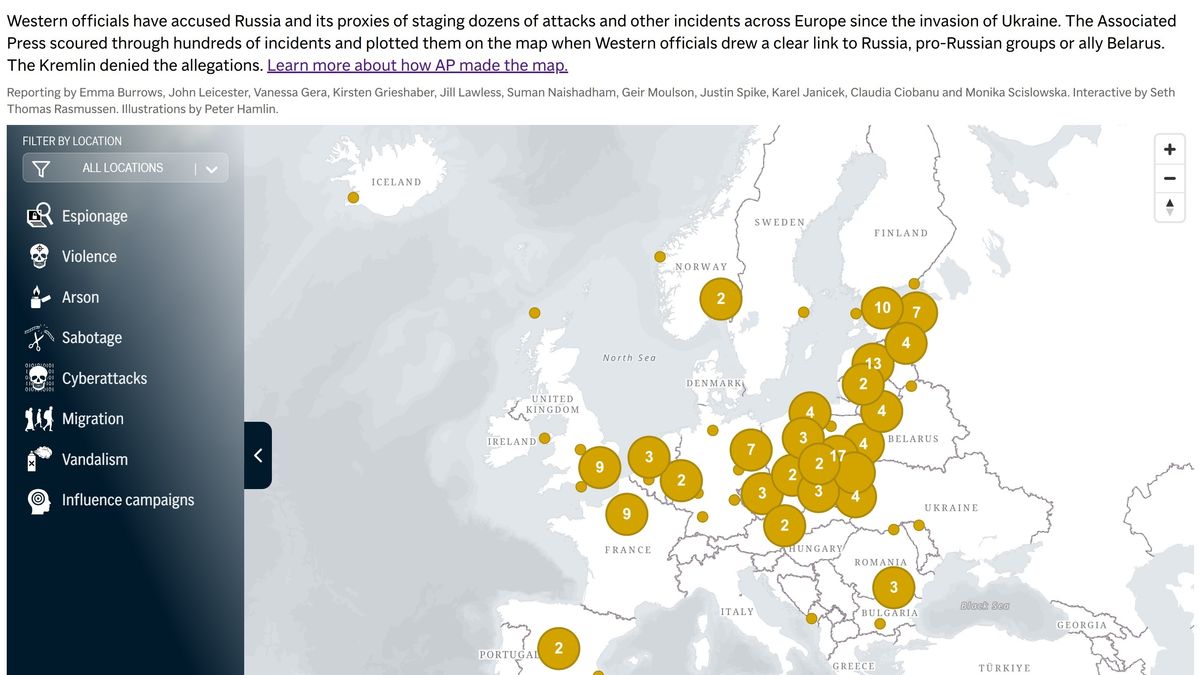
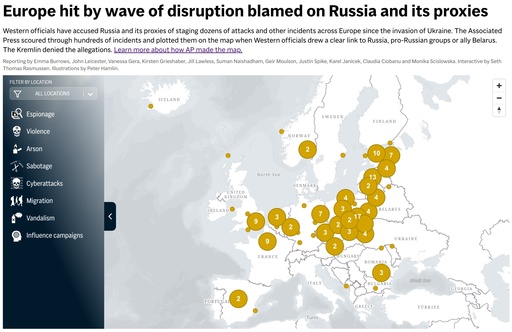
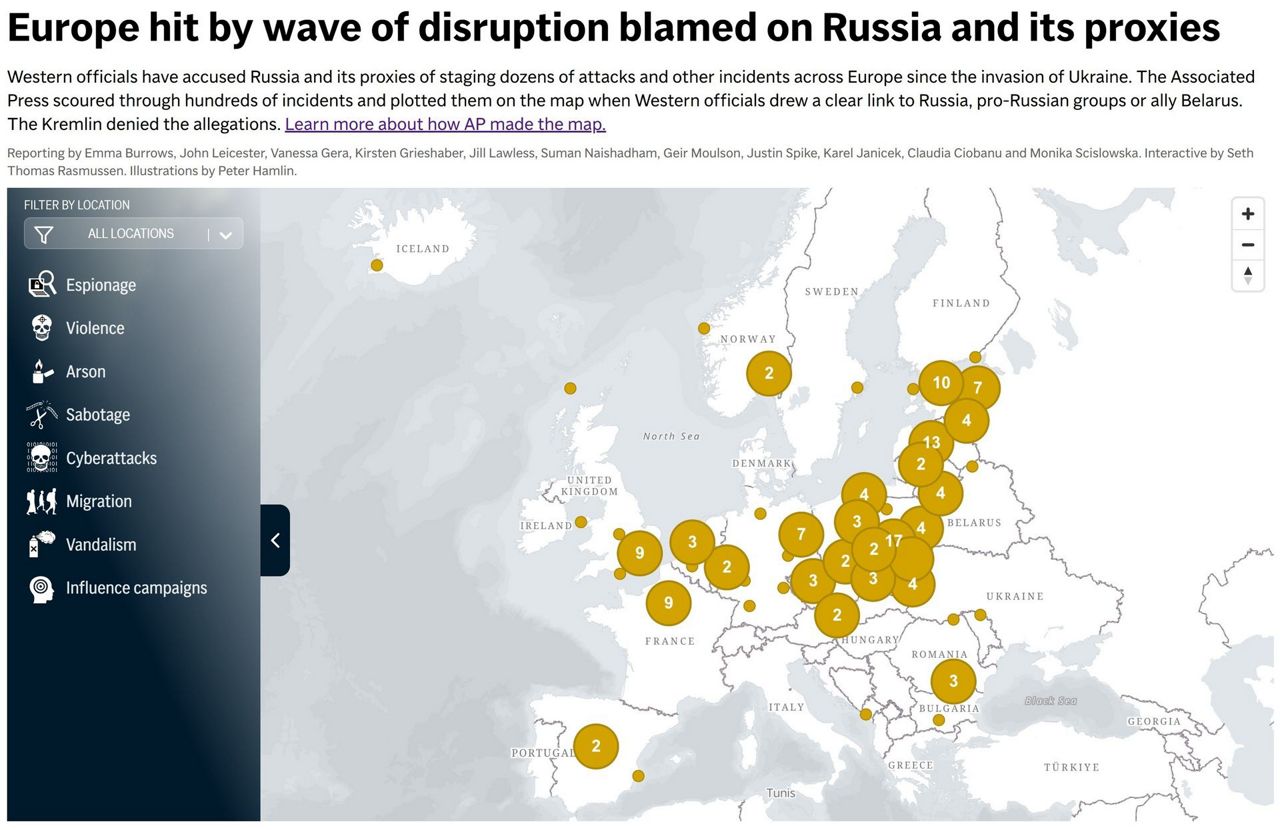
These incidents are not isolated events but part of a broader geopolitical strategy designed to create systemic instability. The Associated Press database has documented 147 similar incidents across Europe since Russia's 2022 invasion of Ukraine, indicating a systematic approach to digital disruption. By targeting countries supporting Ukraine, Russia aims to expose vulnerabilities, undermine public confidence, and demonstrate the fragility of Western digital infrastructure.
The strategic implications are profound. These cyber operations represent a low-risk, high-impact method of exerting geopolitical pressure. Unlike traditional military interventions, these attacks can cause significant disruption with minimal direct attribution risk. For international businesses and governments, the message is clear: digital resilience is no longer optional but a critical national security imperative.
The escalating complexity of these attacks demands a fundamental reimagining of cybersecurity. Traditional defensive models are proving inadequate against state-sponsored hacking groups that can manipulate critical systems with unprecedented sophistication. Countries like Denmark are now forced to develop more proactive, adaptive cybersecurity strategies that can anticipate and neutralize these emerging hybrid warfare techniques.
Questions 3
What implications do these attacks have for international businesses?
Businesses must recognize that geopolitical tensions now directly impact digital infrastructure. Companies operating across borders need to invest in robust **cybersecurity measures**, develop comprehensive risk mitigation strategies, and maintain vigilant monitoring of potential cyber threats that could disrupt international digital transactions.
How are countries like Denmark responding to these cyber threats?
Denmark is taking a multi-pronged approach, including diplomatic actions like summoning the Russian ambassador, enhancing cybersecurity protocols, and publicly attributing attacks to specific state-linked hacking groups. The goal is to create deterrence through transparency and demonstrate the unacceptability of such digital interference.