




Retail Rebellion Robin Hoods Strike Back Against Grocery Price Inflation
- Activist Tactics Expose Deepening Economic Tensions in Canadian Retail Landscape











.png)


Overview
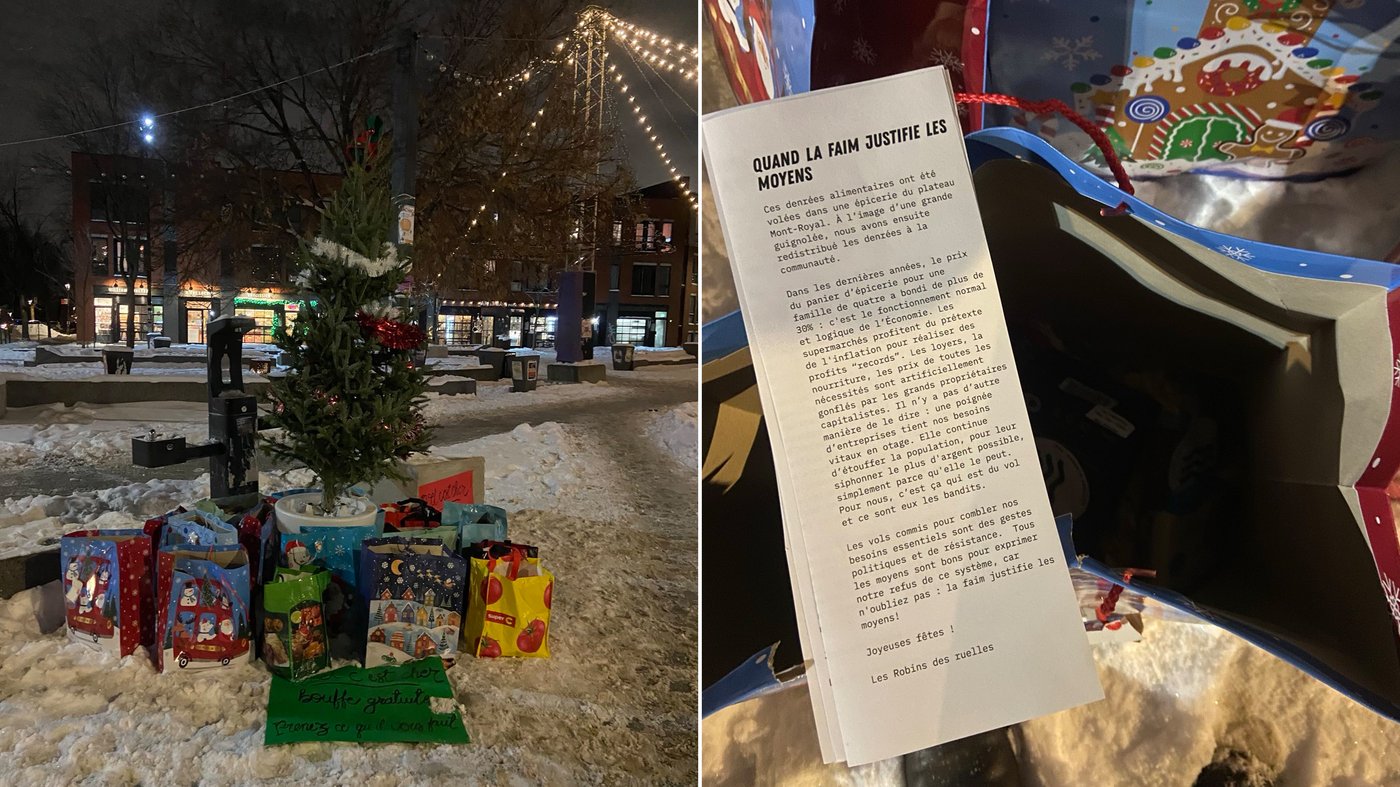
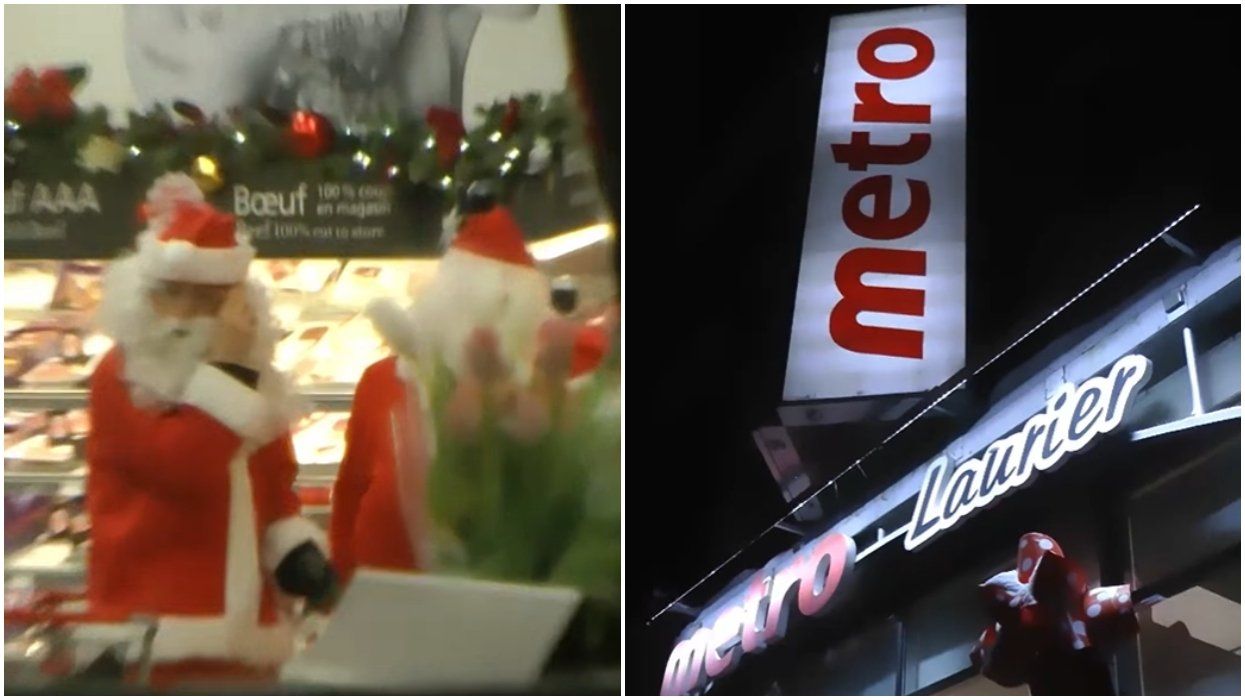
The dramatic grocery store heist in Montreal represents more than a mere theft—it's a provocative manifestation of mounting economic pressures challenging traditional retail power dynamics. When approximately 40 activists dressed as Santas and elves raided a Metro supermarket, redistributing thousands of dollars in groceries, they transformed a criminal act into a theatrical social protest that exposes critical fault lines in Canada's current economic ecosystem.
Systemic Economic Pressure Points are laid bare by this incident. With grocery prices rising nearly 5% year-over-year and three major companies controlling most grocery stores, the activist group Robins des Ruelles argues that corporations are "holding basic needs hostage". Their Robin Hood-style redistribution highlights a growing frustration where near-record corporate earnings coexist with increasing consumer economic strain.
The strategic significance extends beyond the immediate theft. The Retail Council of Canada reports over 9 billion CAD in lost sales in 2024, signaling that retail crime is evolving from pure economic transgression to a form of social commentary. Metro's response—simultaneously condemning the theft while highlighting their 1.15 million dollar food bank contributions—reveals the complex moral terrain corporations now navigate.
This incident represents a new form of economic activism, where theatrical protest meets direct action. By staging a visually compelling robbery that explicitly targets grocery distribution, these activists have transformed traditional protest methods. They're not just challenging pricing; they're fundamentally questioning the social contract between corporations and consumers during an inflationary period.
The long-term implications are profound: corporations must now anticipate not just financial risks, but performative, media-savvy challenges to their economic models. As economic inequalities deepen, such provocative redistributive actions may become more frequent, forcing a reevaluation of how essential goods are priced, distributed, and perceived in society.
Questions 3
How significant is retail crime in the current economic landscape?
The Retail Council of Canada reports over 9 billion CAD in lost sales in 2024, indicating that retail crime is becoming a substantial economic issue. Moreover, these incidents are evolving from pure economic transgressions to forms of social commentary that challenge corporate practices.
What are the potential long-term implications of such activist tactics for retailers?
These tactics force retailers to anticipate not just financial risks, but performative challenges to their economic models. Corporations will need to more transparently address economic inequalities, potentially by adjusting pricing strategies, increasing community contributions, or proactively demonstrating social responsibility.