



Shocking Taipei Metro Attack Exposes Urban Security Vulnerabilities
- Unprecedented violence shatters Taiwan's low-crime reputation, triggering nationwide security reassessment














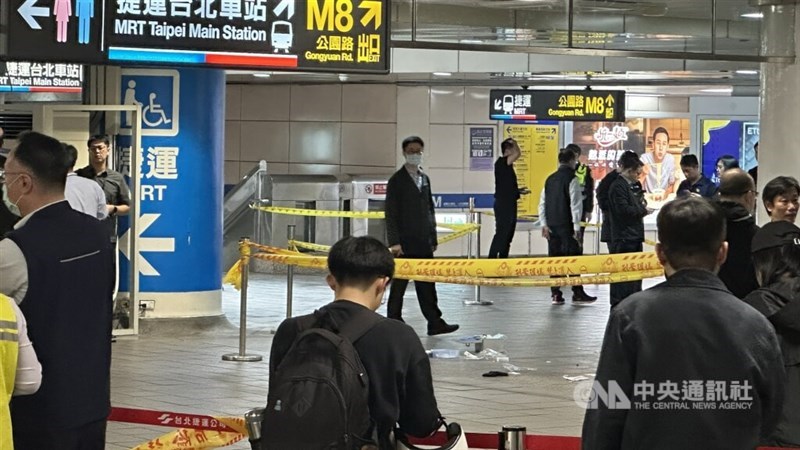
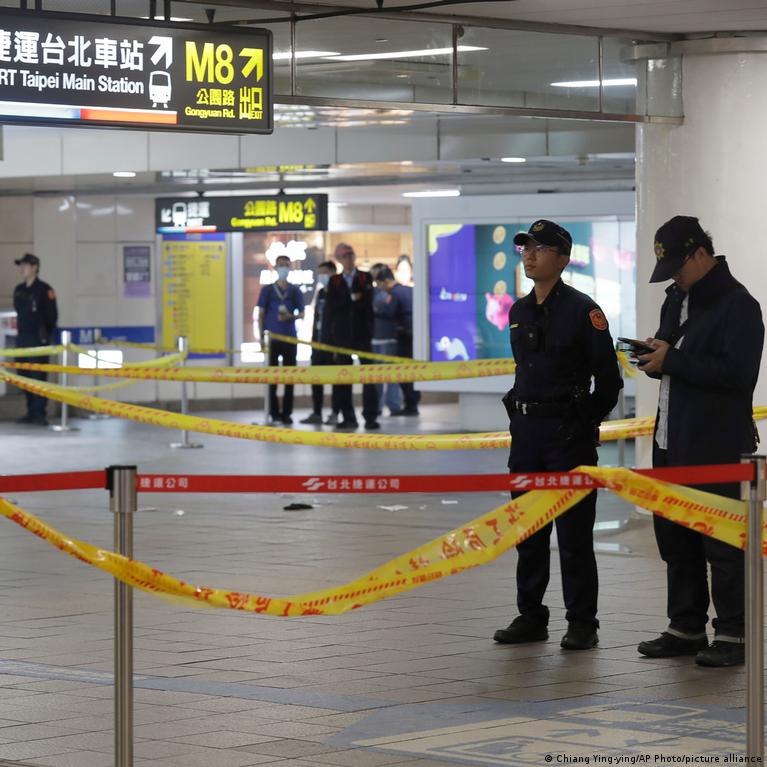




Overview
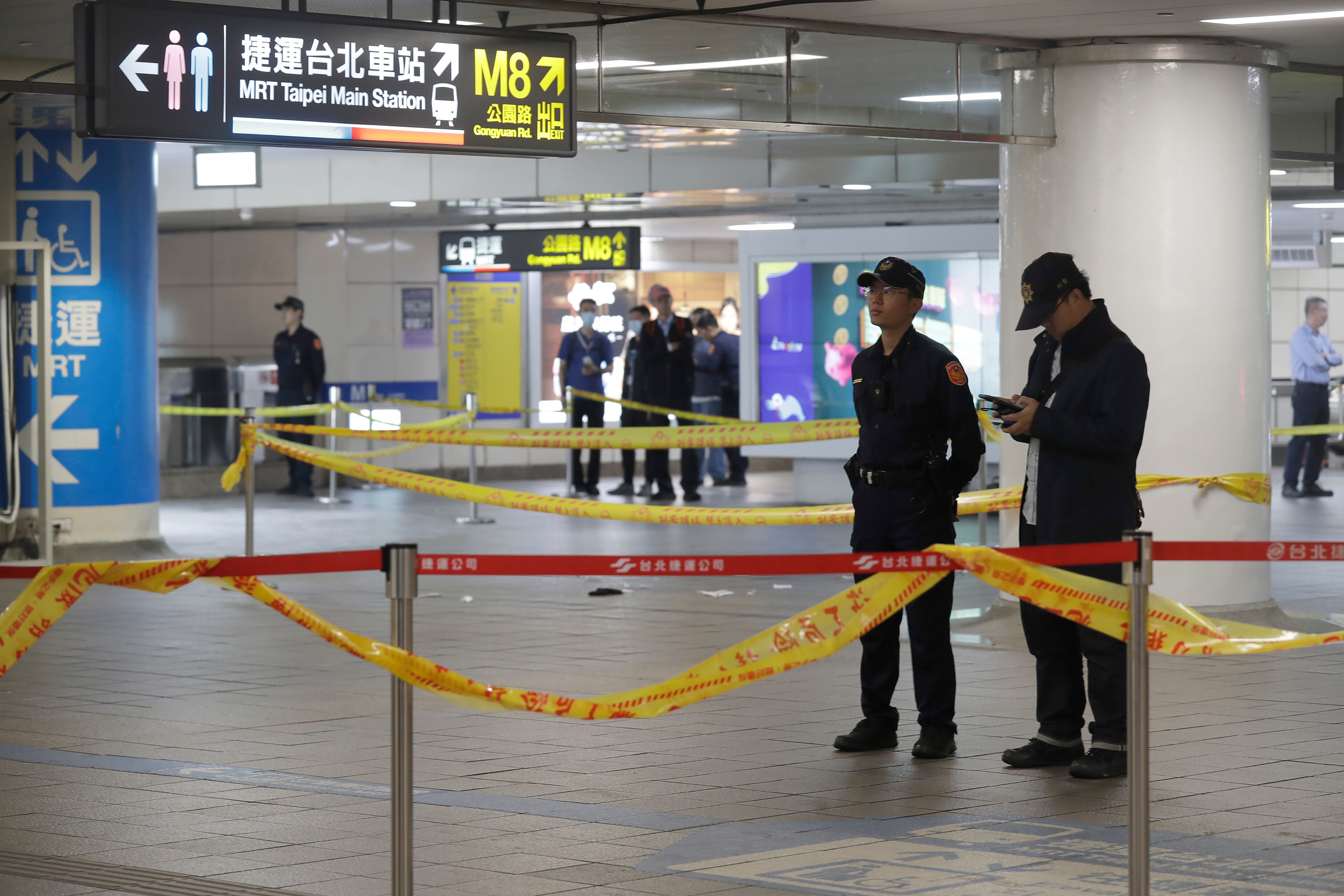
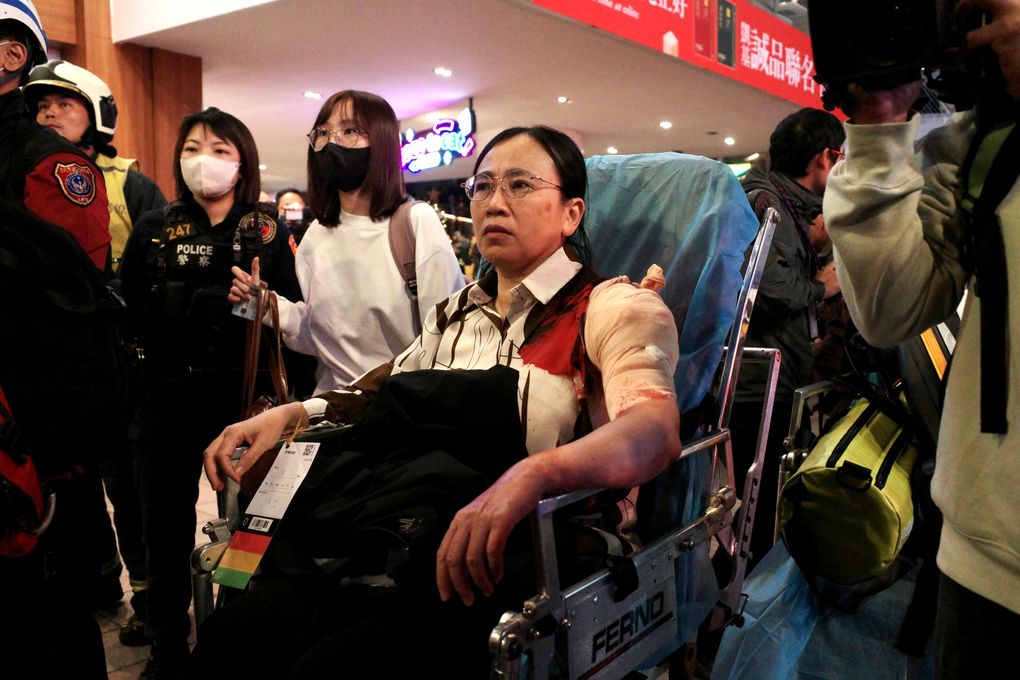
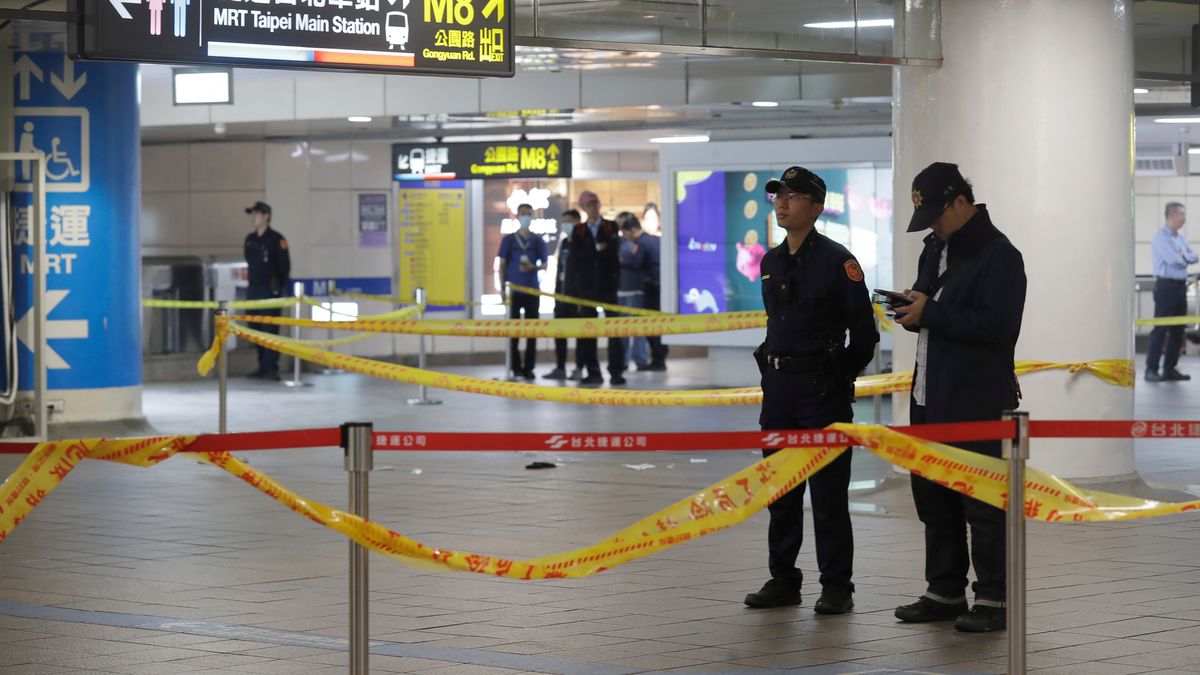
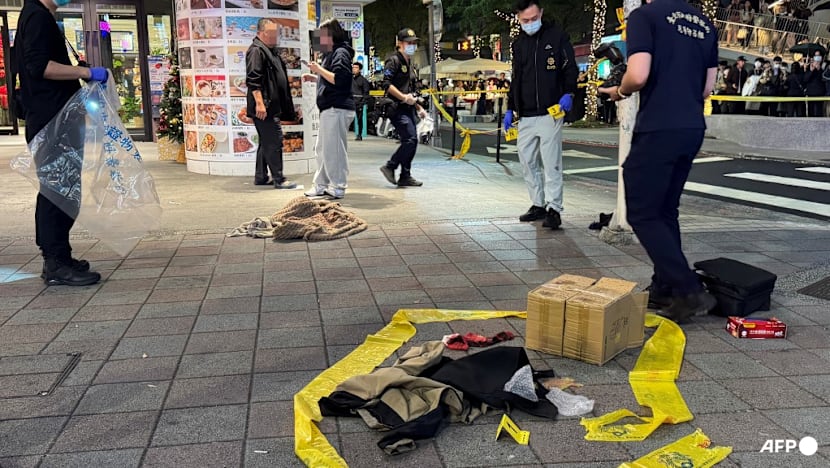
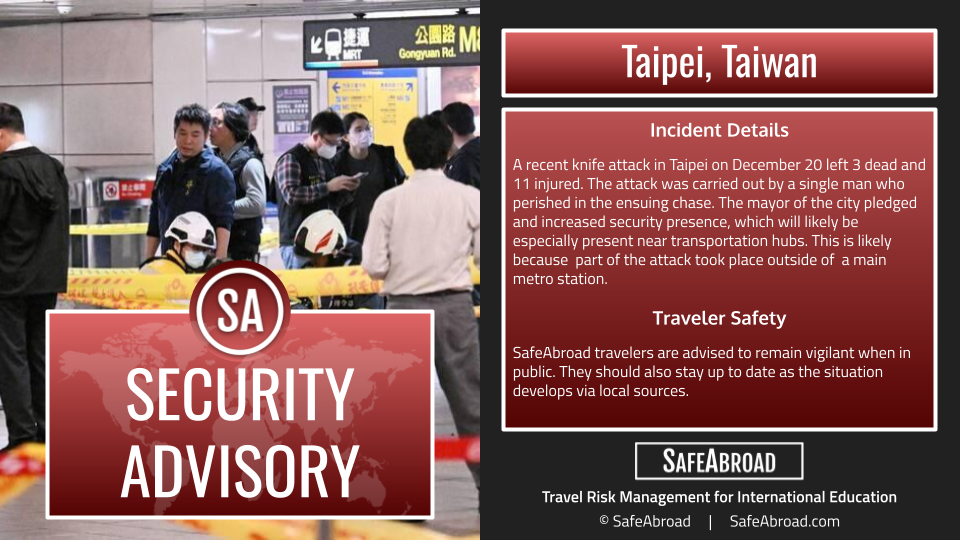
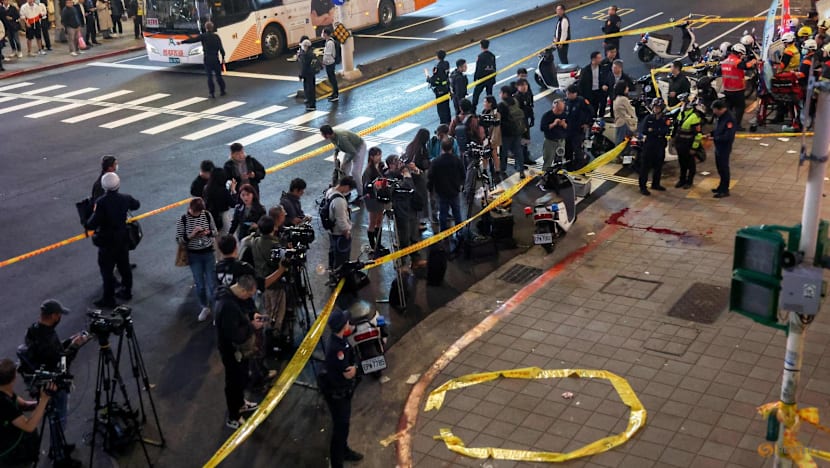
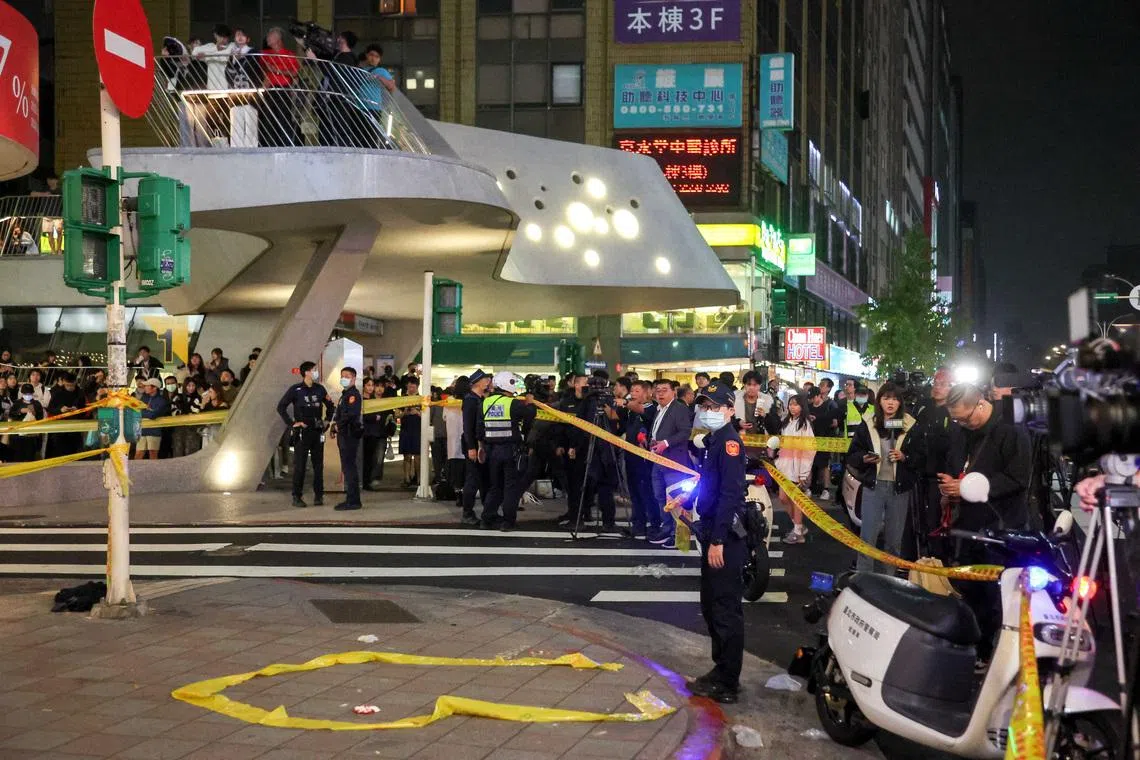
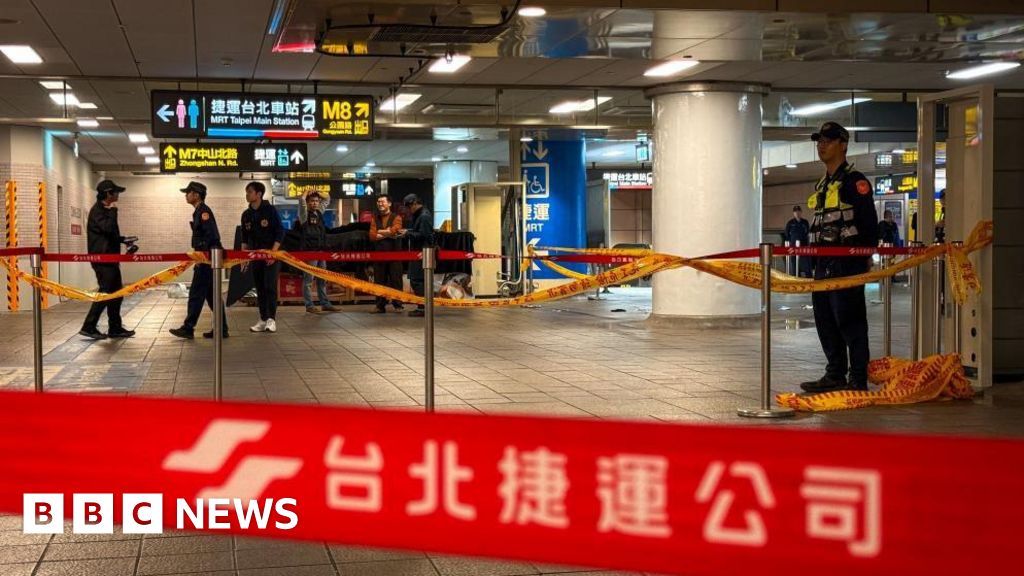
Urban safety paradigms in Taiwan have been dramatically disrupted by a meticulously planned violent attack that exposed critical vulnerabilities in public transportation security. On a typical Friday evening in Taipei, a 27-year-old suspect named Chang Wen transformed routine rush-hour commuting into a scene of unprecedented terror, killing three individuals and injuring eleven across multiple locations.
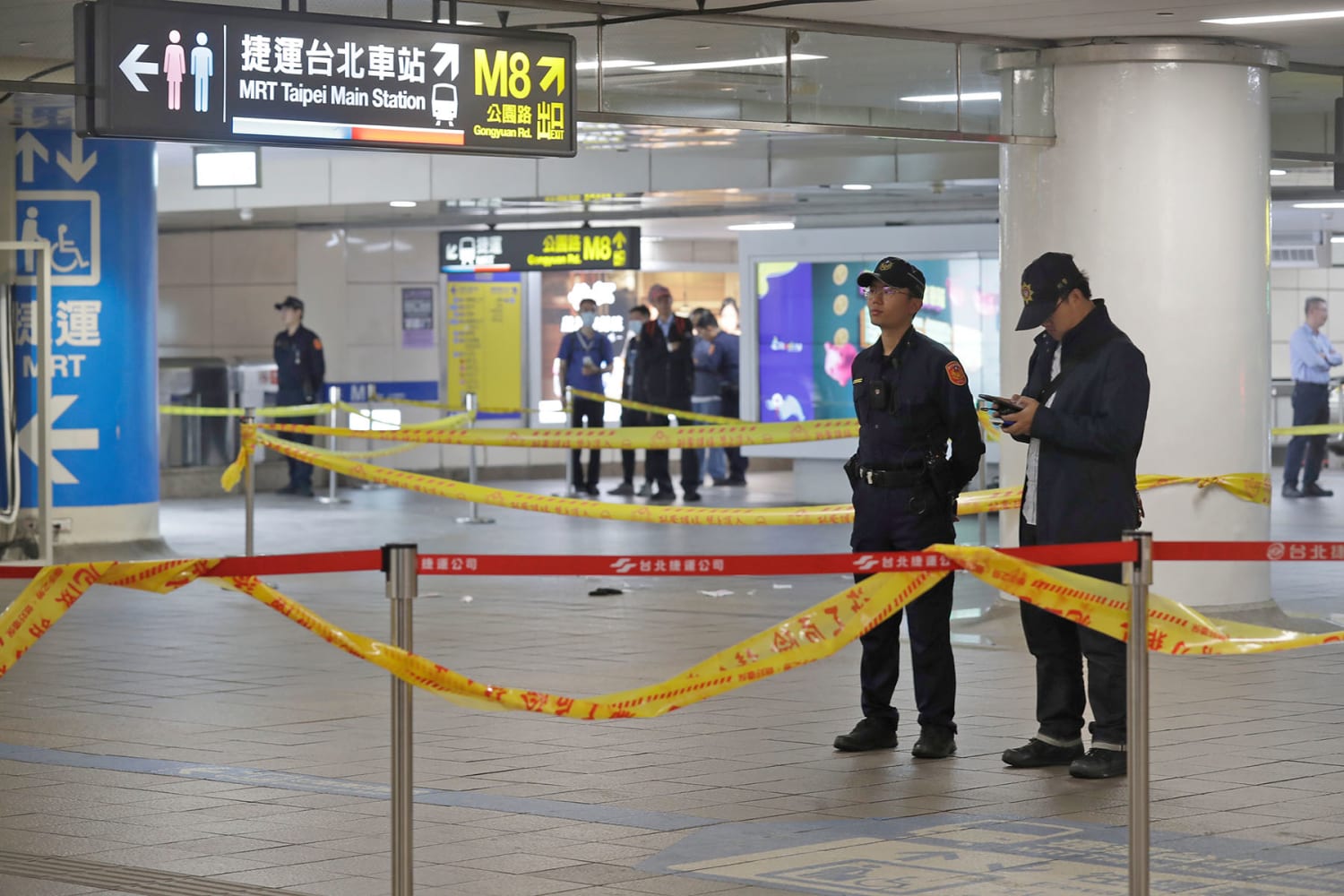
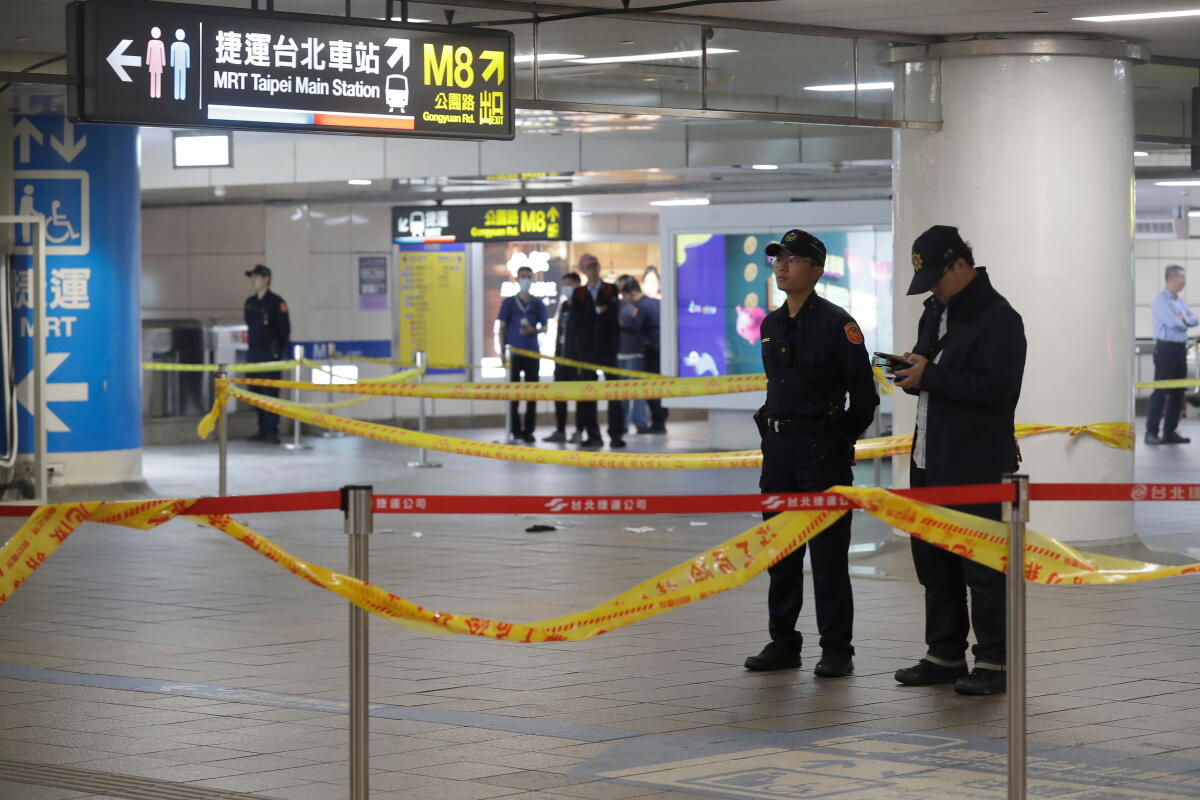
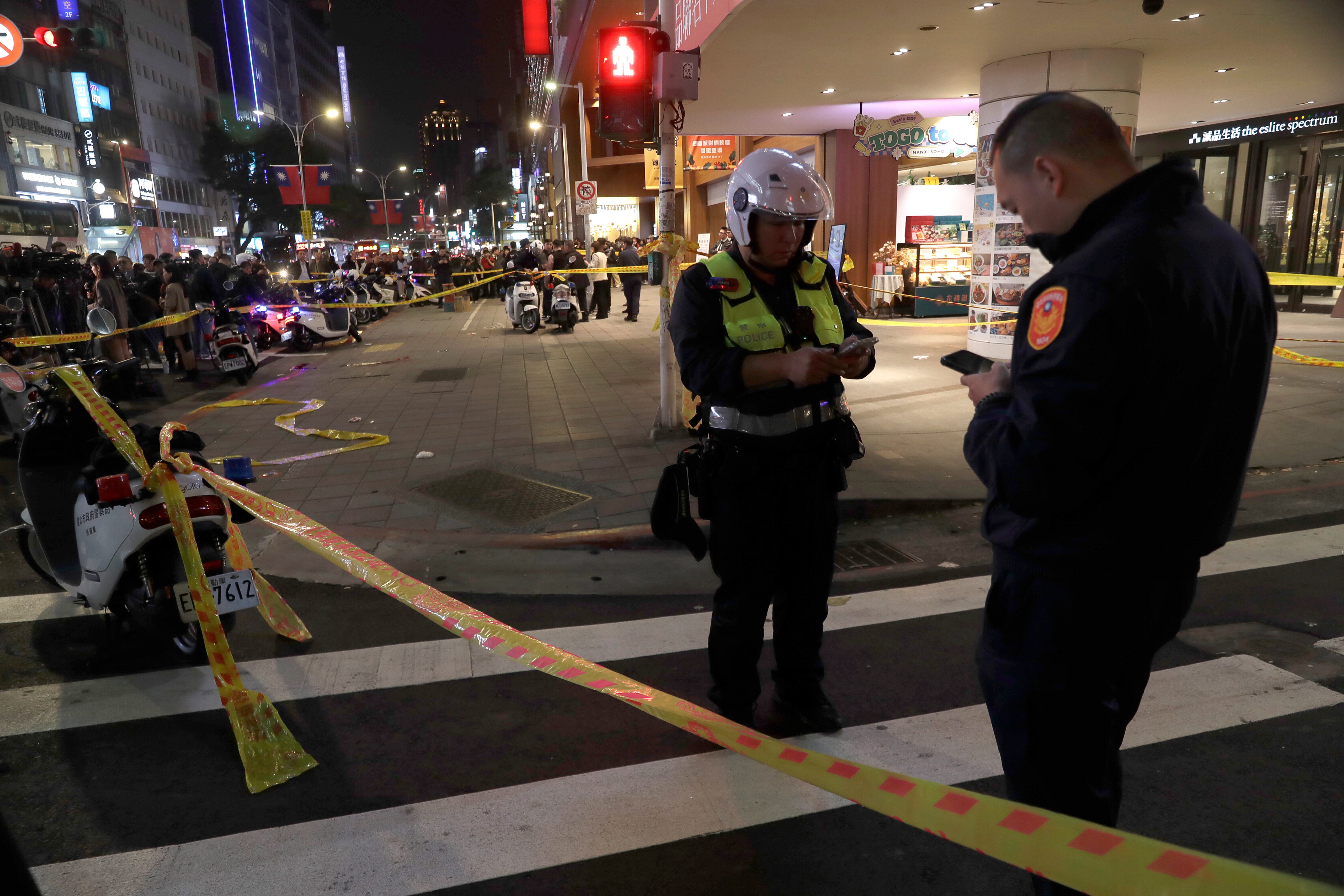
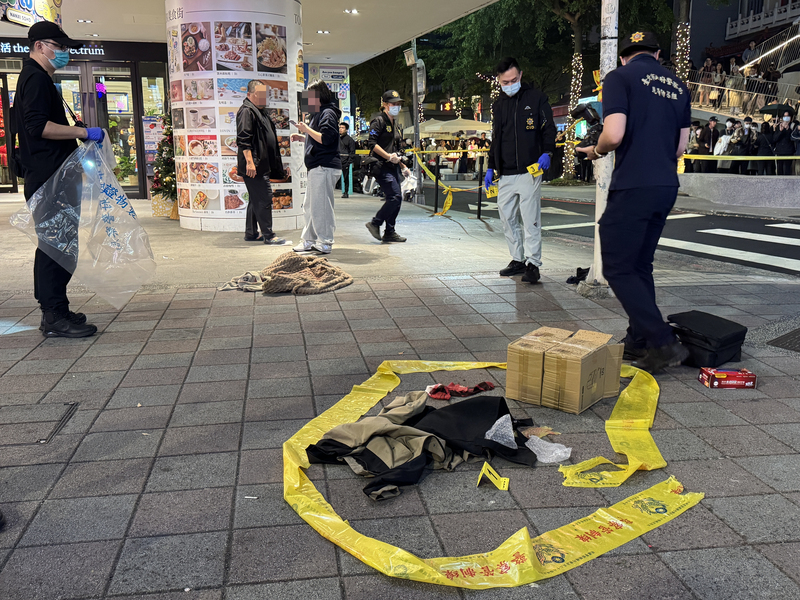
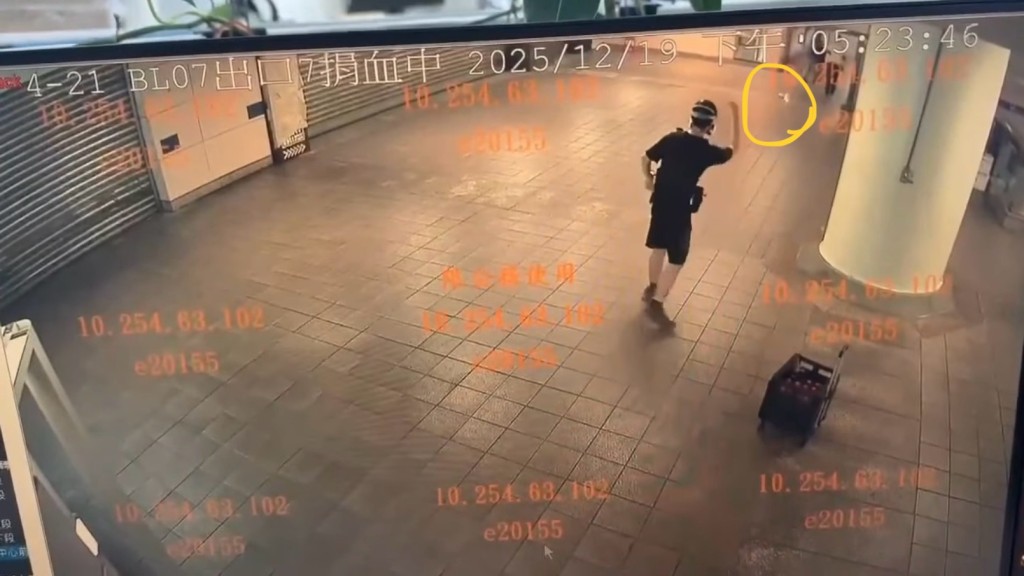
The attack's strategic complexity is particularly alarming. Chang systematically escalated his assault, beginning with road fires and vehicle damage, then deploying smoke grenades at Taipei Main Station, and ultimately executing targeted knife attacks in metro stations, a bookshop, and a department store. This wasn't a random outbreak of violence, but a calculated series of coordinated actions that overwhelmed immediate response capabilities.
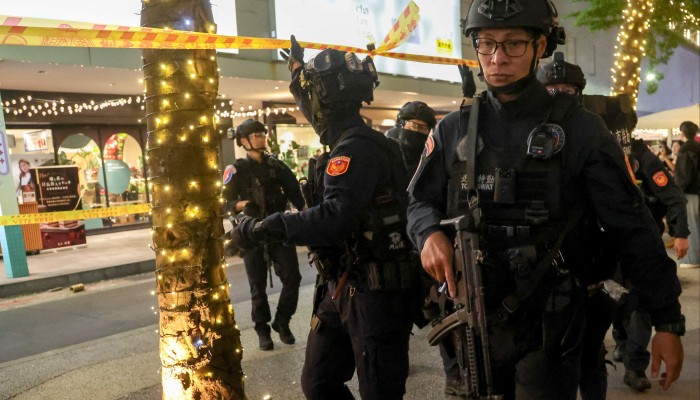
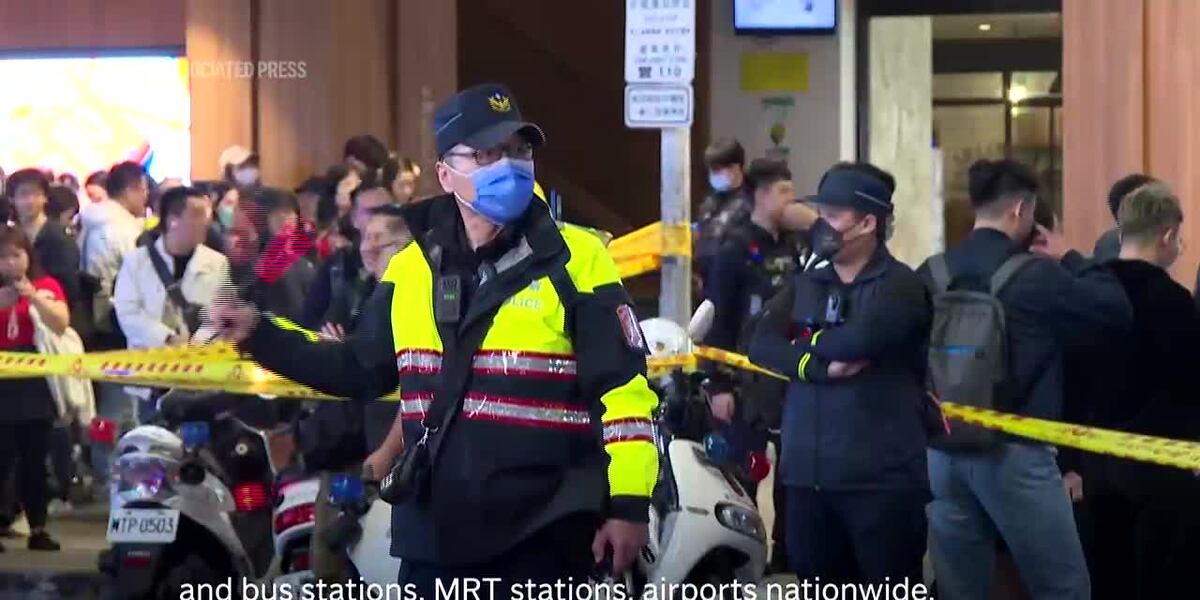
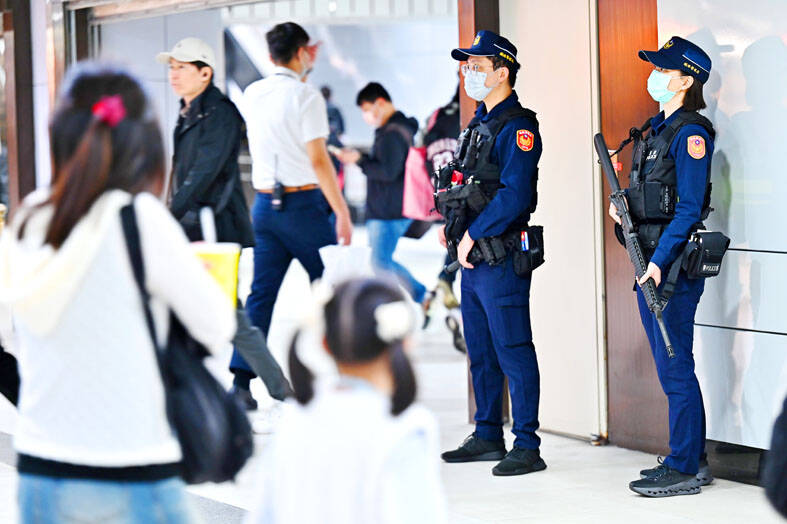
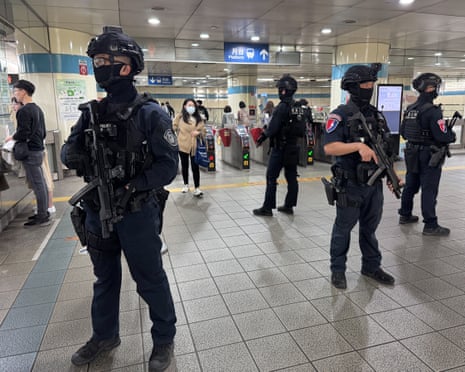
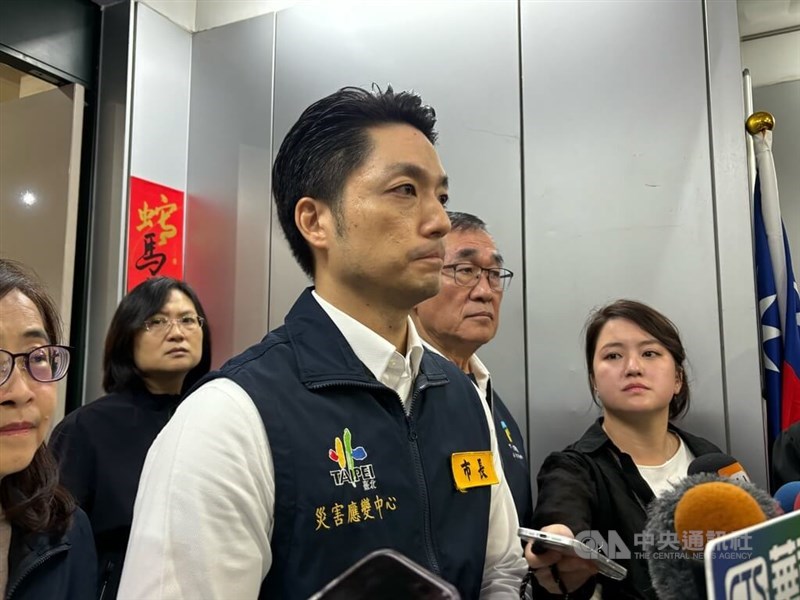
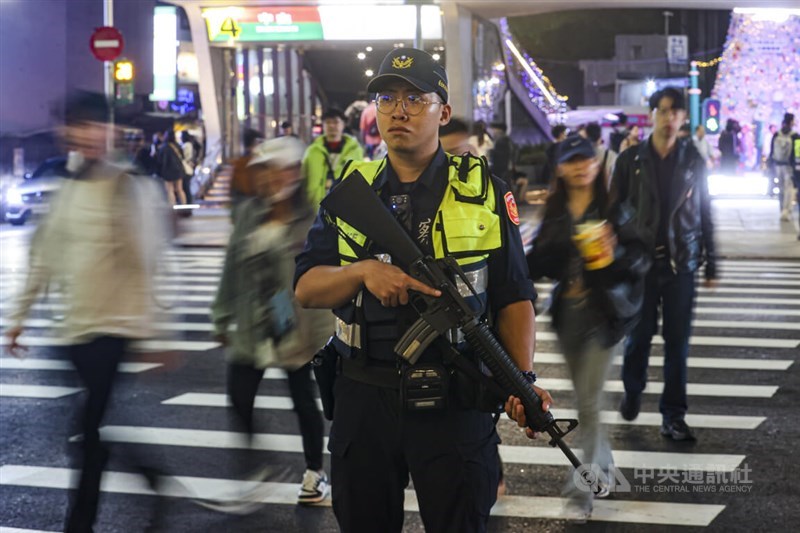
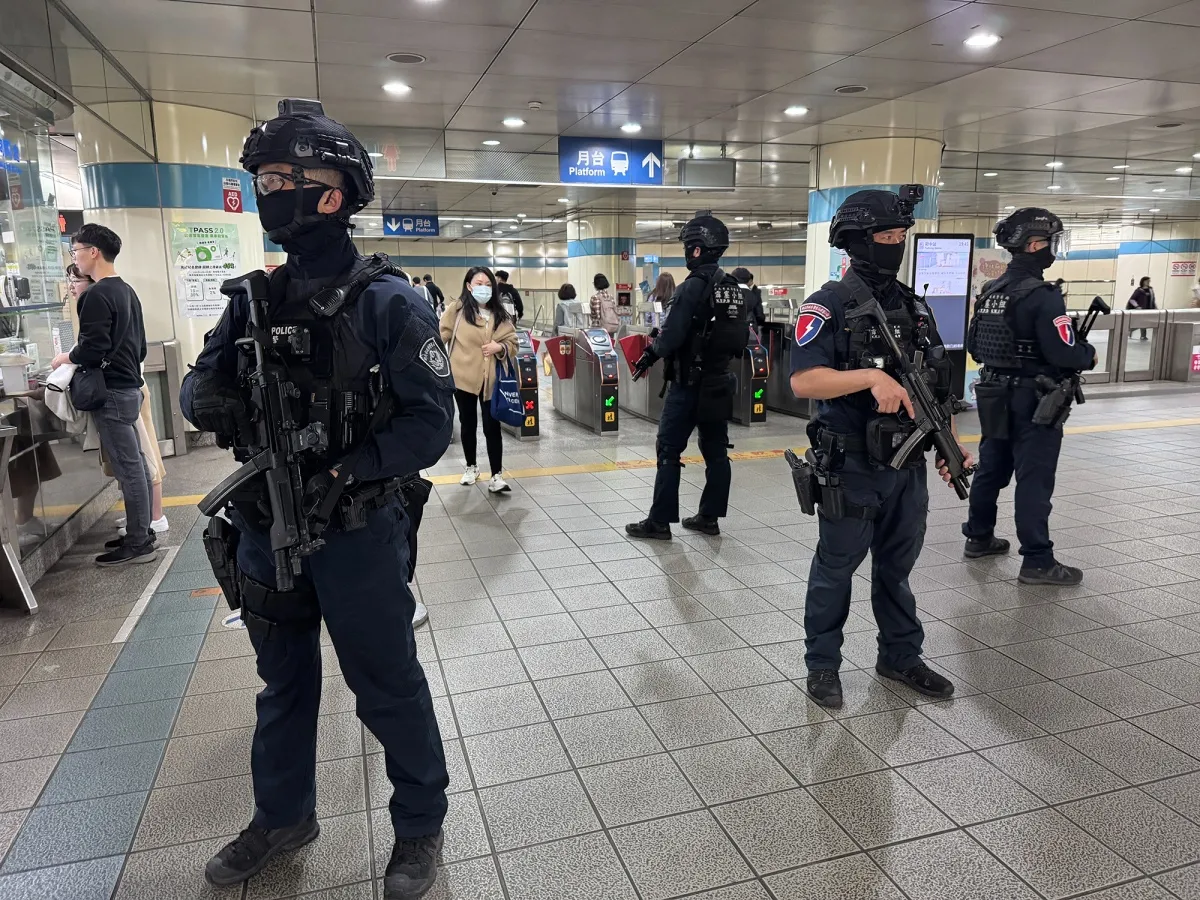
Systemic security protocols are now under intense scrutiny. The incident represents the most significant public safety breach in Taiwan since a 2014 underground train attack. Taiwanese authorities, including Premier Cho Jung-tai and President William Lai, have immediately ordered comprehensive security reviews across metro systems, railway stations, and airports. The fact that the suspect, who had a pre-existing criminal record, could execute such a sophisticated attack suggests profound gaps in preventative monitoring and intervention strategies.
The psychological impact transcends the immediate casualties. Taiwan, traditionally recognized for its low violent crime rates, has experienced a fundamental shock to its social perception of safety. The randomness and brutality of the attack have triggered a national conversation about urban resilience, mental health infrastructure, and the potential warning signs that might precede such extreme violent episodes.
The strategic implications are clear: Taiwan must rapidly evolve its urban security frameworks, integrating more proactive threat detection, enhanced public space surveillance, and more robust mental health intervention mechanisms. This incident is not just a tragic event, but a critical inflection point for reimagining public safety in densely populated metropolitan environments.
Questions 3
What immediate steps are Taiwanese authorities taking in response?
Authorities have immediately ordered increased security measures across metro systems, railway stations, and airports. Premier Cho Jung-tai has committed to a comprehensive investigation into the suspect's background, while President William Lai has promised a swift and thorough examination of the circumstances surrounding the attack.
How unusual is this type of violent attack in Taiwan?
This attack is extremely rare for Taiwan, which historically has very low violent crime rates. The last comparable major incident occurred in 2014 when four people were killed on an underground train. Taiwan is typically considered one of the safest urban environments in Asia, making this attack particularly shocking and unprecedented.