



US Diplomatic Gambit: Rebuilding Gaza Through International Stabilization Force
- A Multilateral Governance Strategy Emerges to Break Decades of Regional Conflict Cycles











Overview
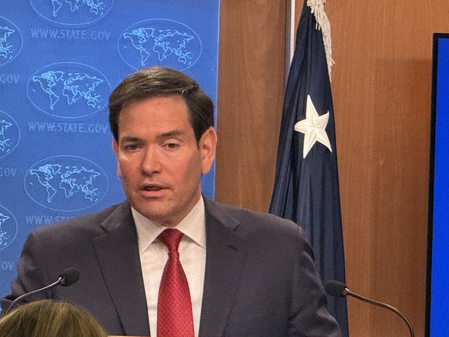
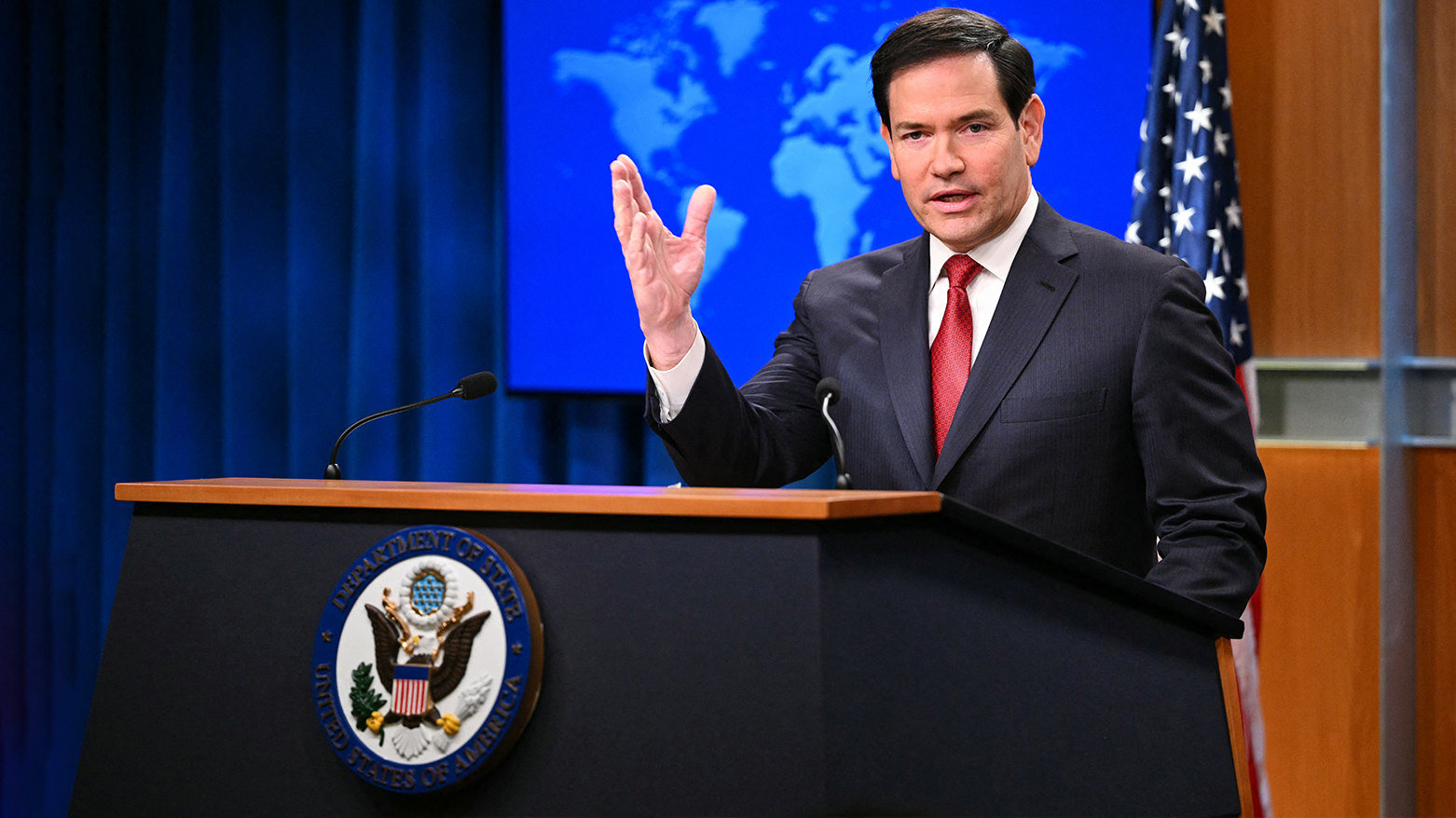
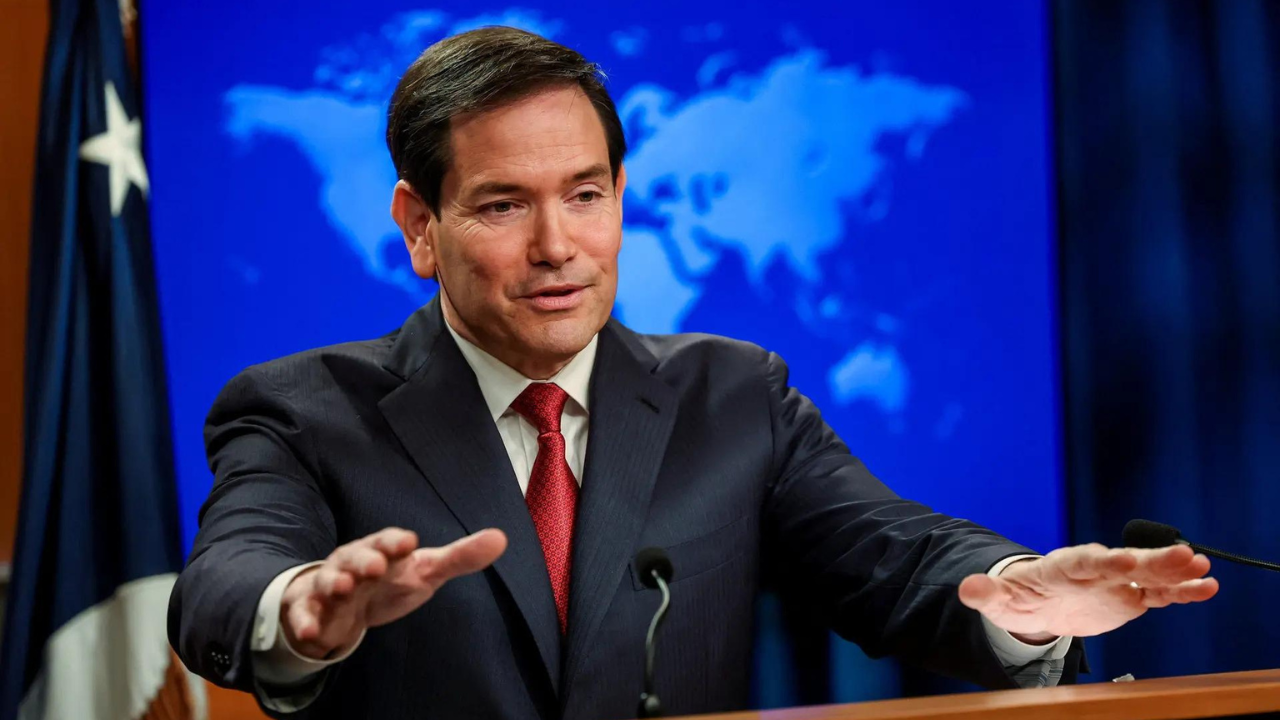
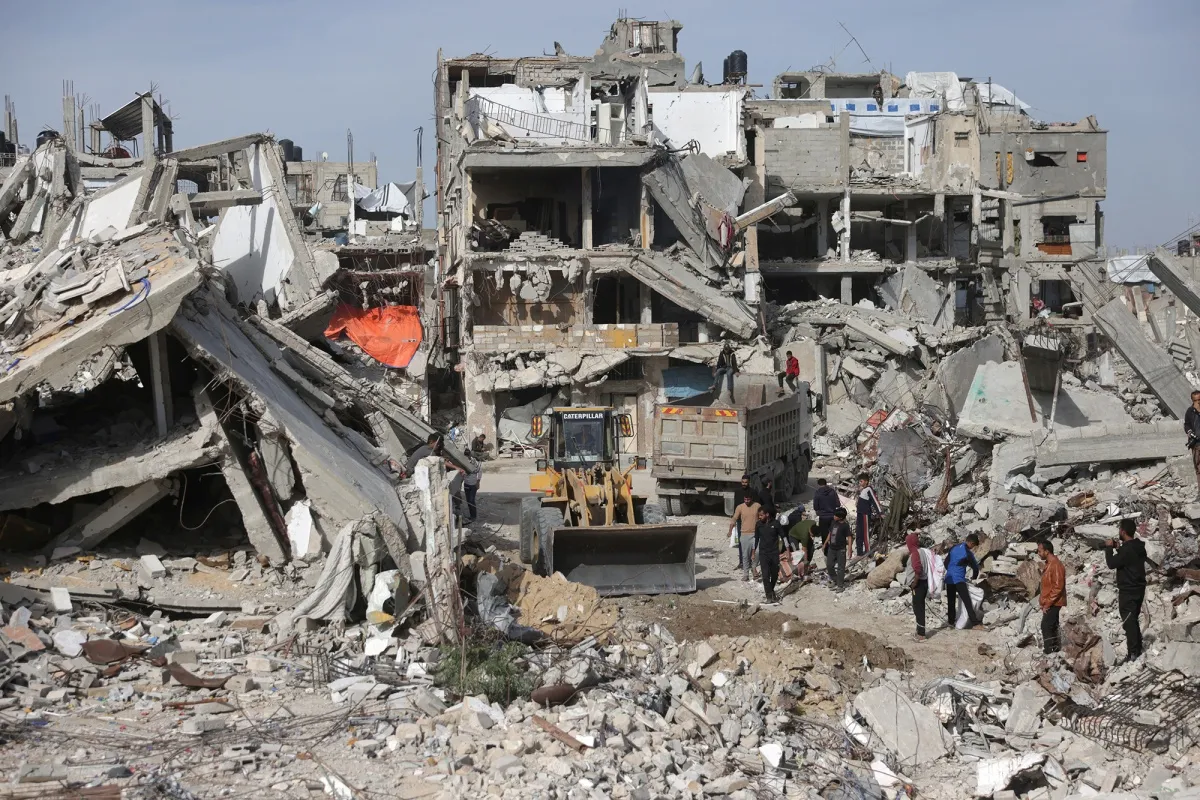
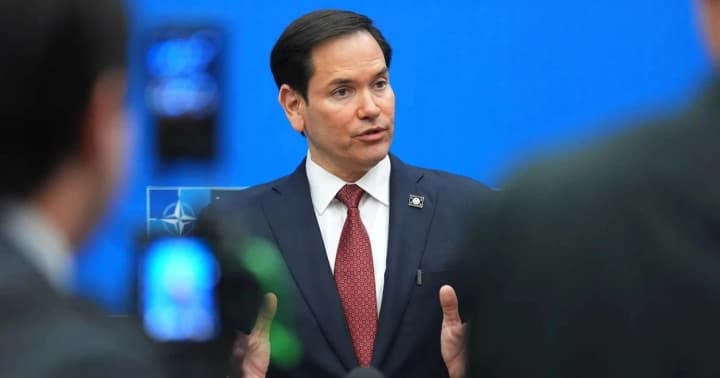
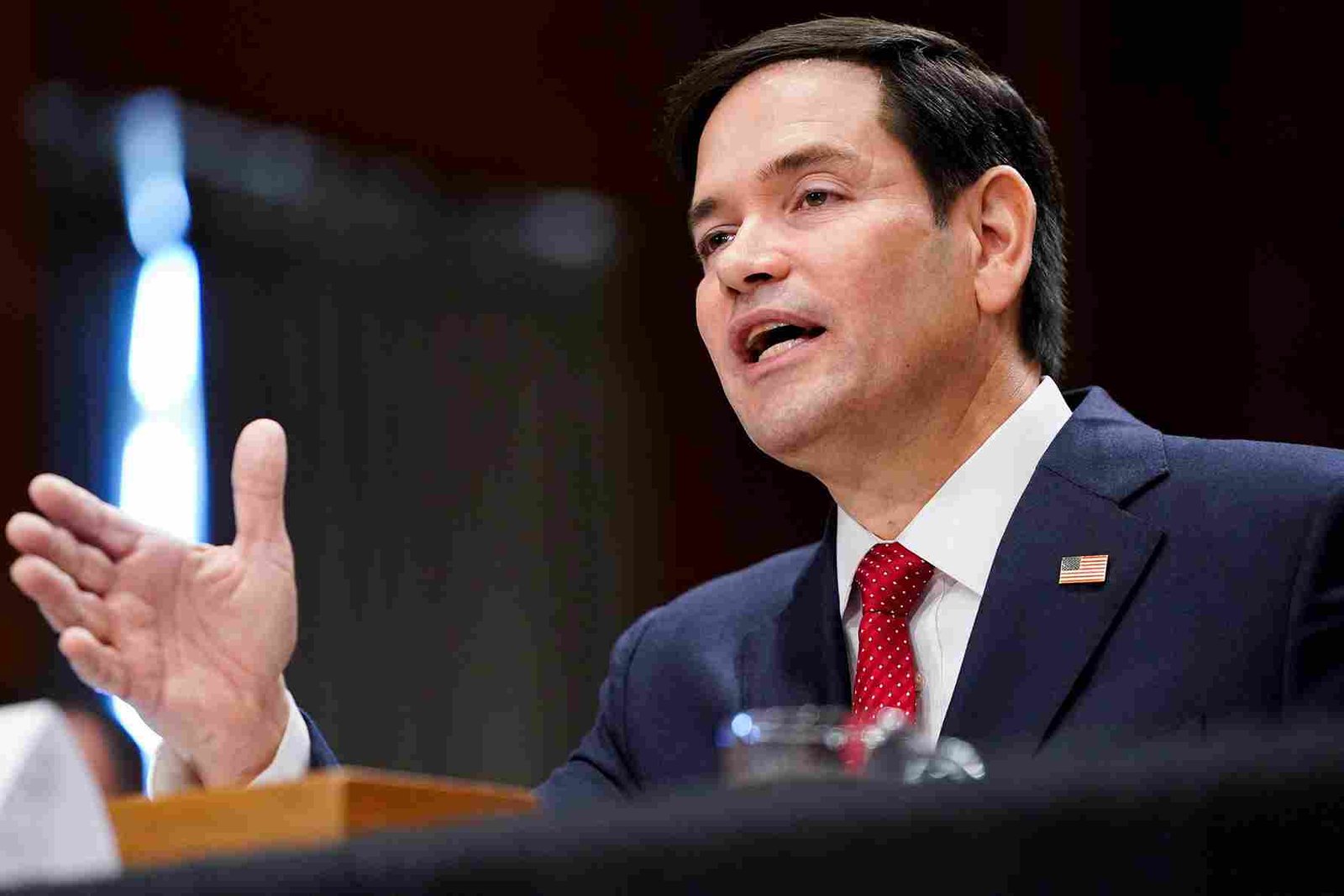
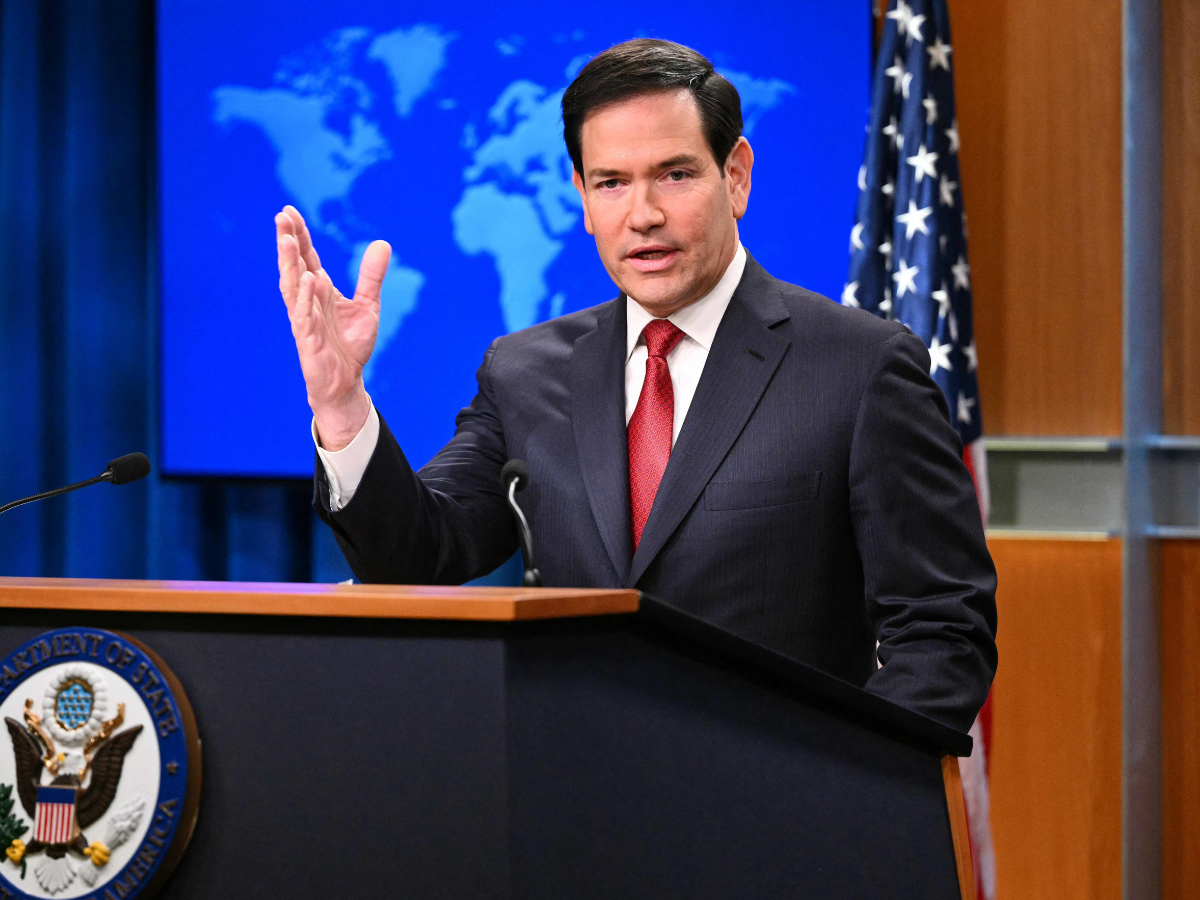
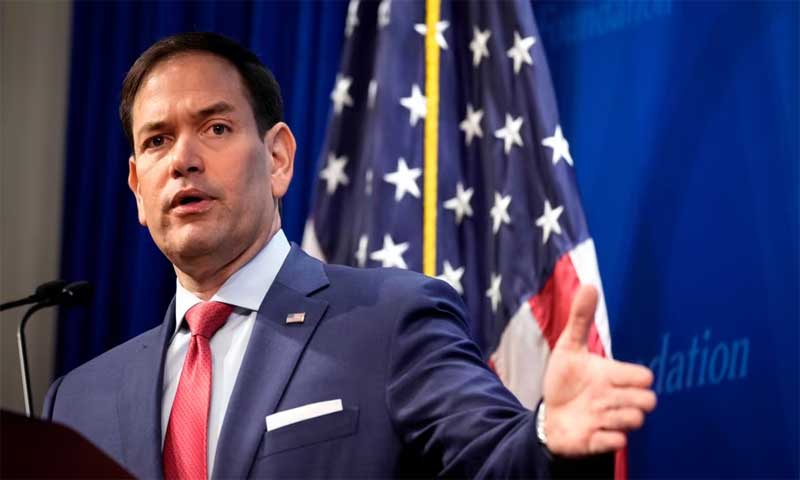
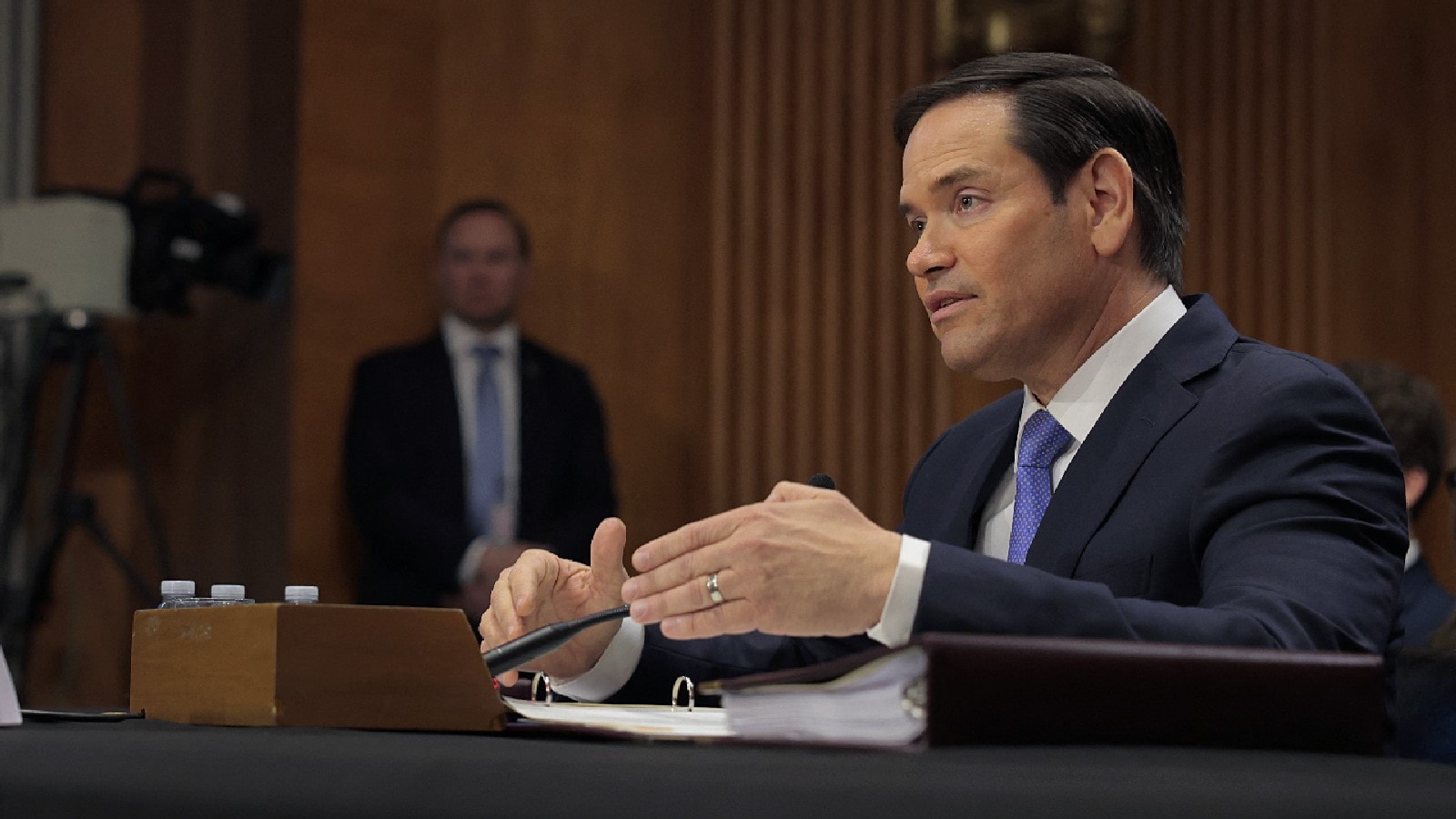
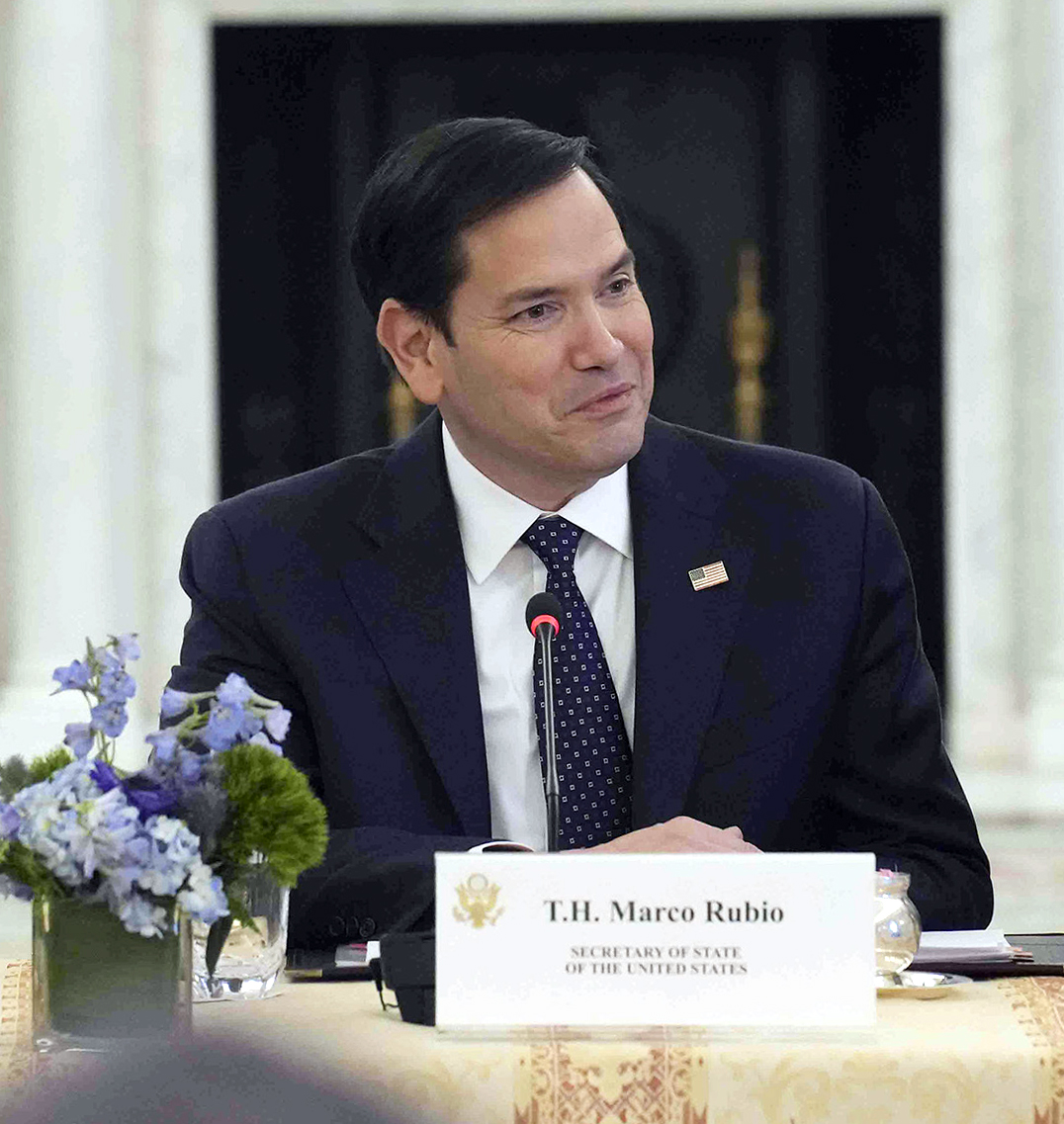
The United States is orchestrating a complex diplomatic intervention in Gaza that represents a paradigm shift in conflict resolution strategies. Secretary of State Marco Rubio's comprehensive governance plan signals a nuanced approach to regional stabilization, moving beyond traditional military interventions toward a sophisticated multilateral governance framework.
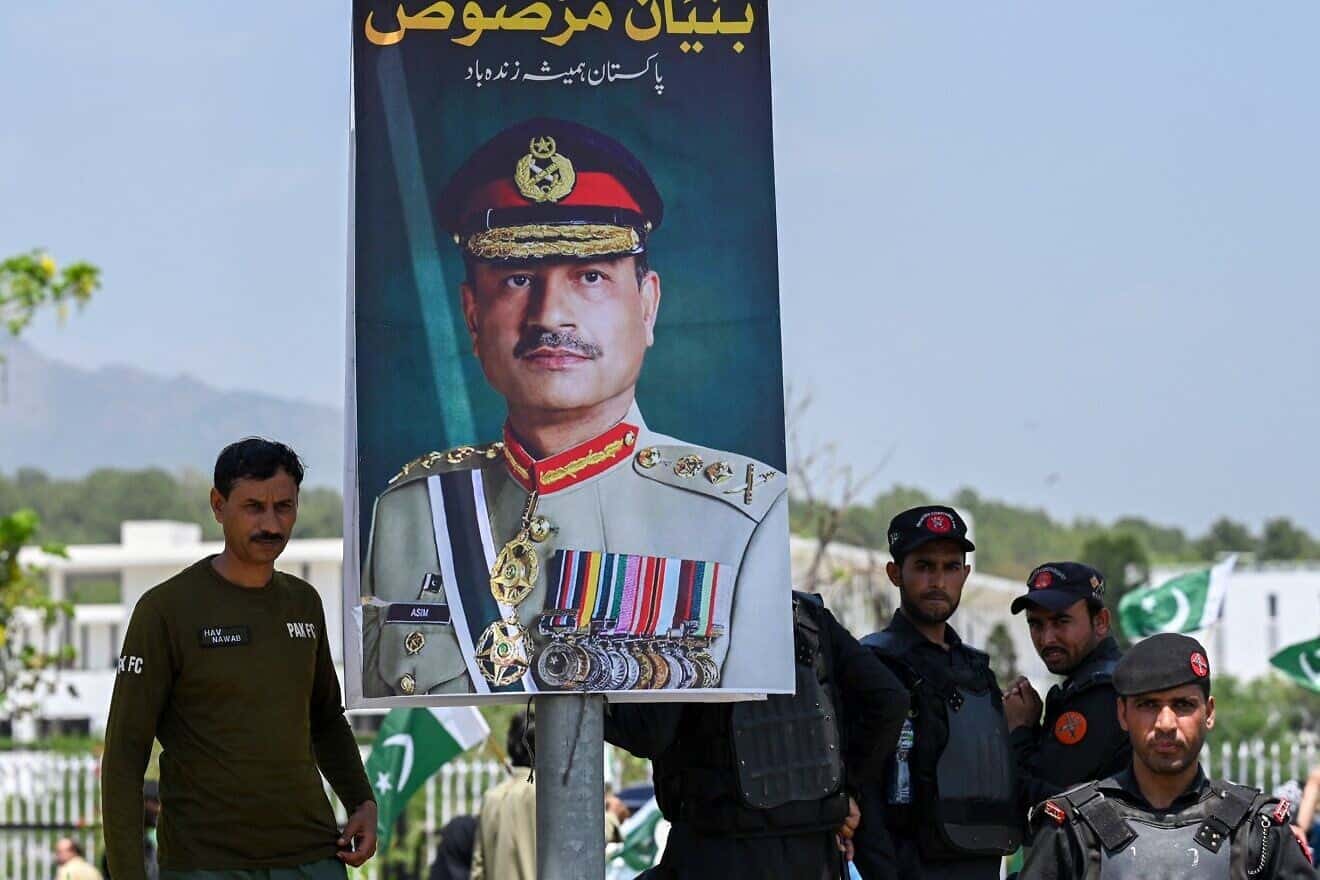
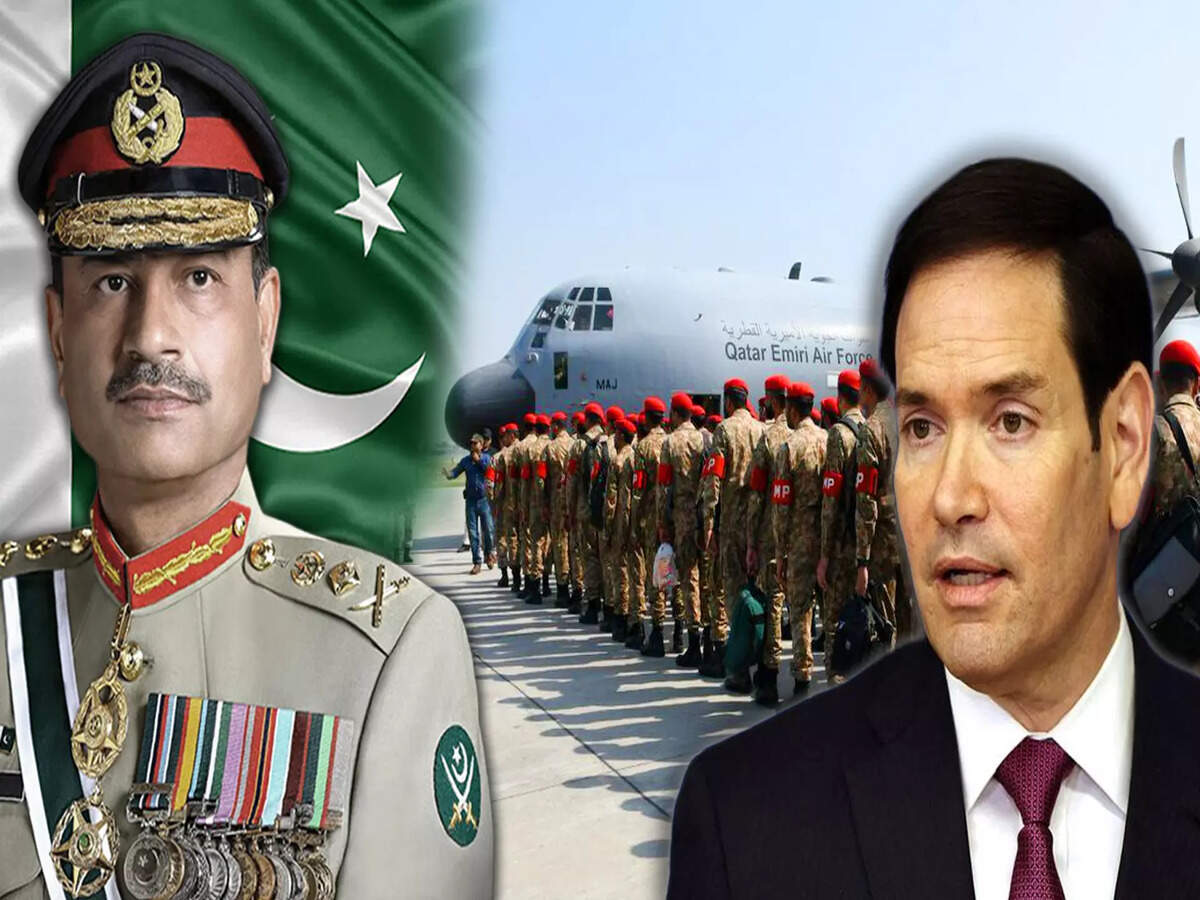
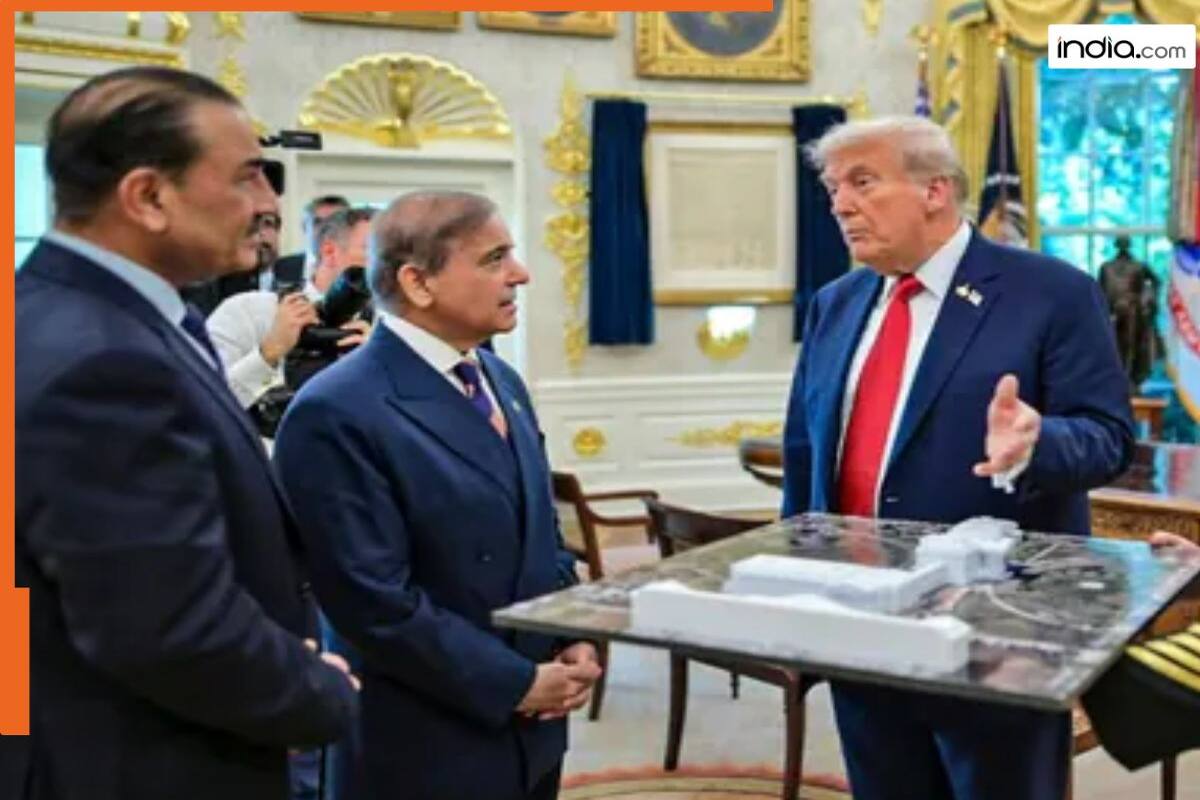
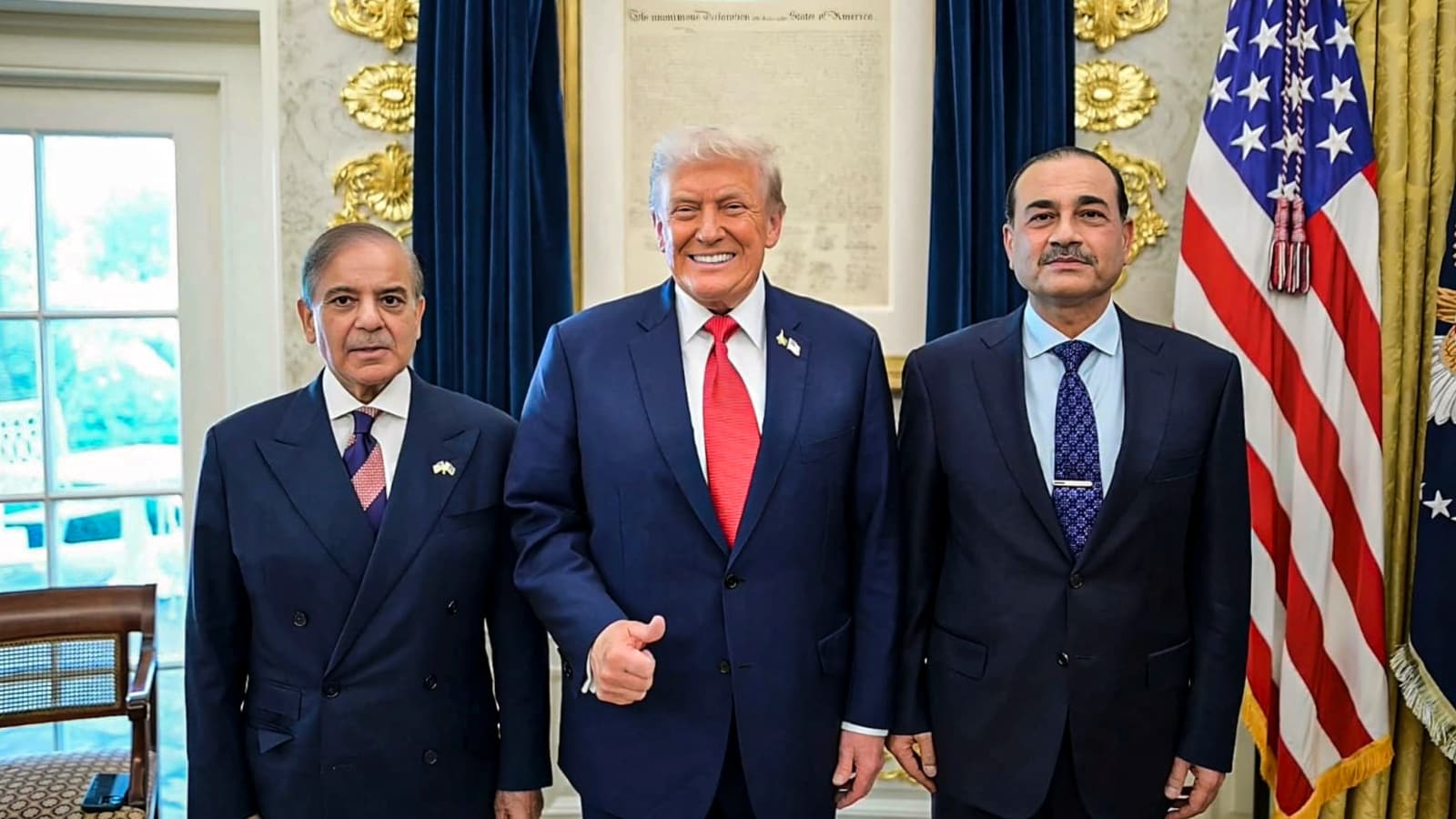
The International Stabilization Force (ISF) emerges as the centerpiece of this strategic blueprint, with approximately 45 countries exploring potential participation. The most significant development is Pakistan's potential deployment of 3,500 troops, symbolizing a critical geopolitical realignment. This isn't merely a peacekeeping mission, but a holistic reconstruction and governance strategy that explicitly links security guarantees with reconstruction funding.
The plan's architectural complexity is remarkable. By proposing an international board and Palestinian technocratic authority, Rubio is attempting to create a governance model that balances international oversight with local administrative participation. The UN Security Council's authorization in November provides crucial multilateral legitimacy, with thirteen member states already signaling support.
Key strategic innovations include:
- Demilitarization as a precondition for reconstruction
- Establishing clear governance structures before massive investment
- Creating an international oversight mechanism that prevents future conflict escalation
However, significant challenges remain. Hamas's rejection of the international force represents a potential spoiler mechanism. The success hinges on detailed mandate clarification, funding arrangements, and the delicate process of disarming resistance groups. The proposed 20-point peace plan must navigate extraordinarily complex local dynamics while maintaining international credibility.
This initiative represents more than a regional intervention—it's a potential blueprint for complex conflict resolution in the 21st century, where diplomatic engineering replaces traditional military engagement.
Questions 3
What makes the proposed International Stabilization Force (ISF) different from previous peacekeeping missions?
Unlike traditional peacekeeping missions, this ISF is explicitly linked to reconstruction funding and governance restructuring. The force aims to not just maintain peace, but actively support a new Palestinian technocratic governance model, with clear mandates for demilitarization and administrative support.
What are the biggest challenges to implementing this Gaza governance plan?
The primary challenges include Hamas's rejection of the international force, finalizing the ISF's precise mandate, securing consistent funding, and successfully disarming resistance groups. The plan's success depends on creating a governance structure that balances international oversight with local administrative credibility.