



US Space Force Launches Massive Satellite Defense Network with Multi-Vendor Strategy
- Strategic satellite constellation signals next-generation national security infrastructure transformation




















Overview
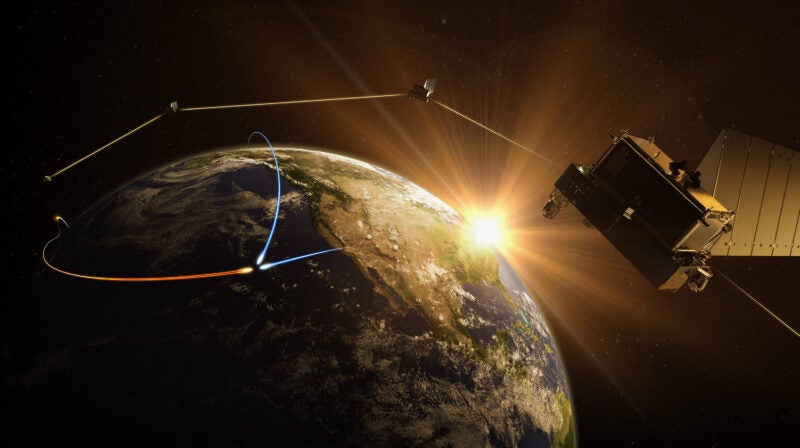
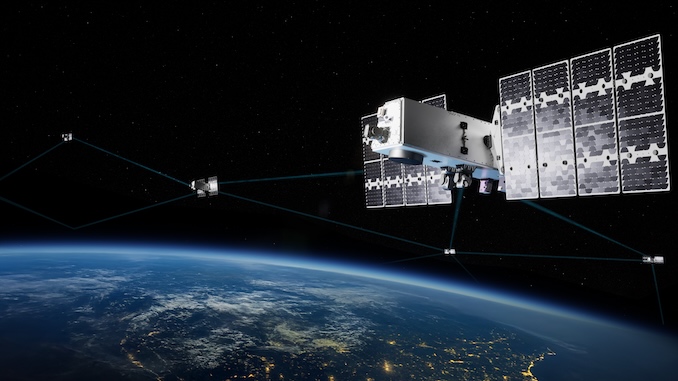
The U.S. Space Force is executing a transformative defense infrastructure strategy that represents a quantum leap in national security satellite technology. With two landmark contracts totaling $4.3 billion, the Space Development Agency is constructing a comprehensive missile warning and tracking satellite constellation that fundamentally reimagines global defense capabilities.
Strategic Multi-Vendor Satellite Deployment emerges as the core innovation. By awarding contracts to four major defense suppliers - Lockheed Martin, L3Harris Technologies, Northrop Grumman, and Rocket Lab - the agency is creating a resilient, diversified satellite production ecosystem. This approach goes beyond traditional single-vendor models, introducing technological redundancy and competitive innovation into critical national security infrastructure.
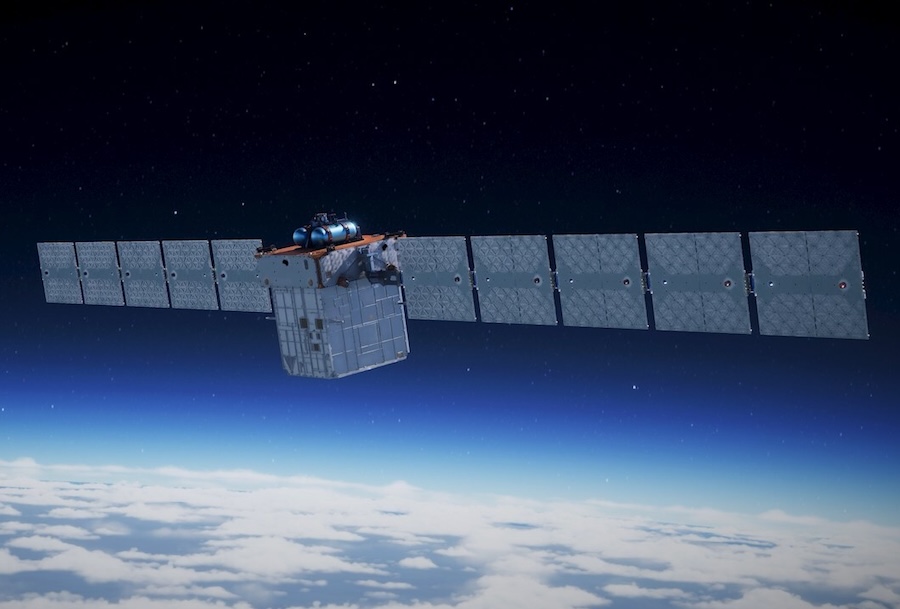
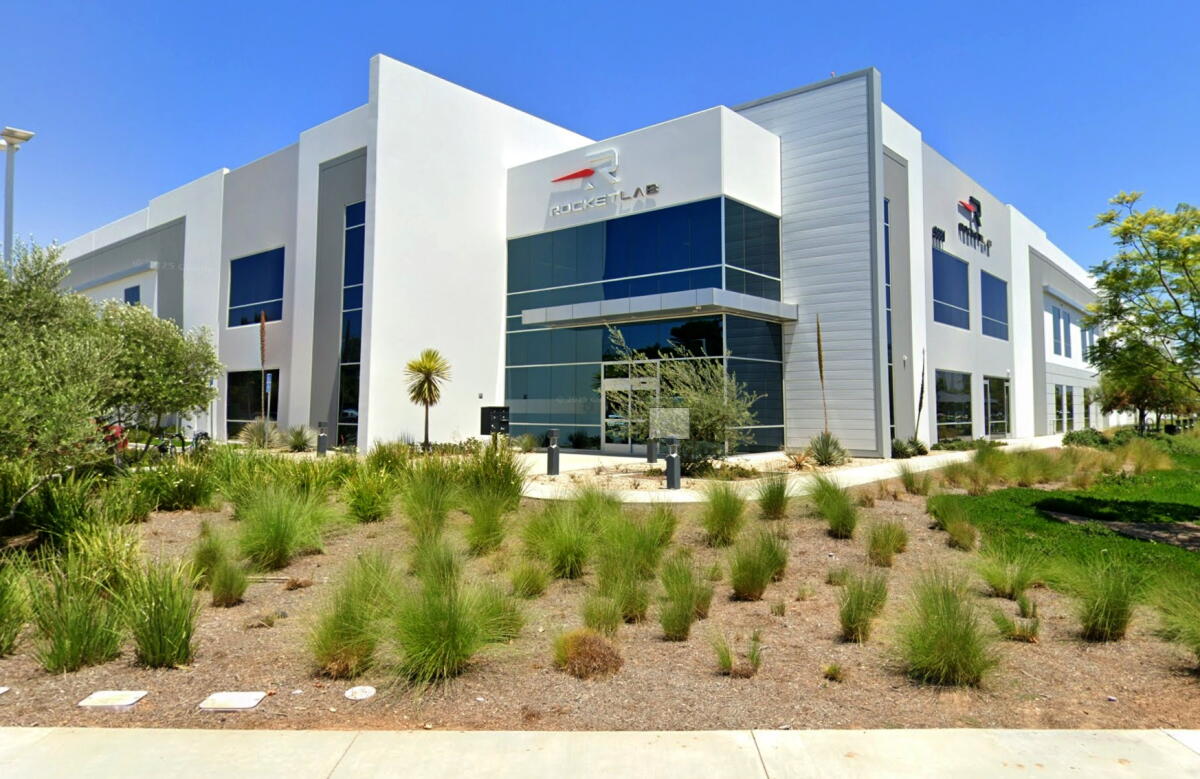
Technological Sophistication and Scale define this initiative. The planned 154 operational space vehicles, with 72 satellites in the immediate Tranche-3 procurement, represent an unprecedented investment in near-continuous global missile tracking capabilities. Rocket Lab's $816 million contract for 18 satellites, featuring advanced Phoenix infrared sensor payloads, exemplifies the cutting-edge technological requirements. The satellites will provide "fire control quality tracks" - a technical capability that translates strategic intelligence into immediate defensive potential.
The procurement strategy reveals deeper geopolitical implications. By refreshing satellite architecture every two years and targeting initial warfighting capability by 2027, the U.S. is signaling a proactive approach to emerging global threats. The fixed-price, multi-vendor structure suggests not just a technological upgrade, but a systemic transformation of defense technology procurement and innovation.
For defense technology companies, this represents a massive market reconfiguration. The contracts demonstrate that vertical integration, advanced sensor technologies, and rapid deployment capabilities are becoming critical competitive differentiators. Companies like Rocket Lab are no longer peripheral players but central architects of national security infrastructure.
Questions 3
What technological capabilities do these new satellites provide?
The satellites will deliver near-continuous global missile warning and tracking, with 'fire control quality tracks' - a technical capability that transforms strategic intelligence into immediate defensive potential. They feature advanced infrared sensor payloads capable of generating precise threat detection and tracking data.
How do these satellite contracts impact defense technology companies?
These contracts represent a significant market opportunity, prioritizing companies with vertical integration capabilities, advanced sensor technologies, and rapid deployment potential. Firms like Rocket Lab are transitioning from peripheral suppliers to critical national security infrastructure architects.