



NYC Transit's Tech Revolution Transforms Fare Collection and Urban Mobility
- Innovative gate technologies redefine subway access and revenue protection strategies




Overview
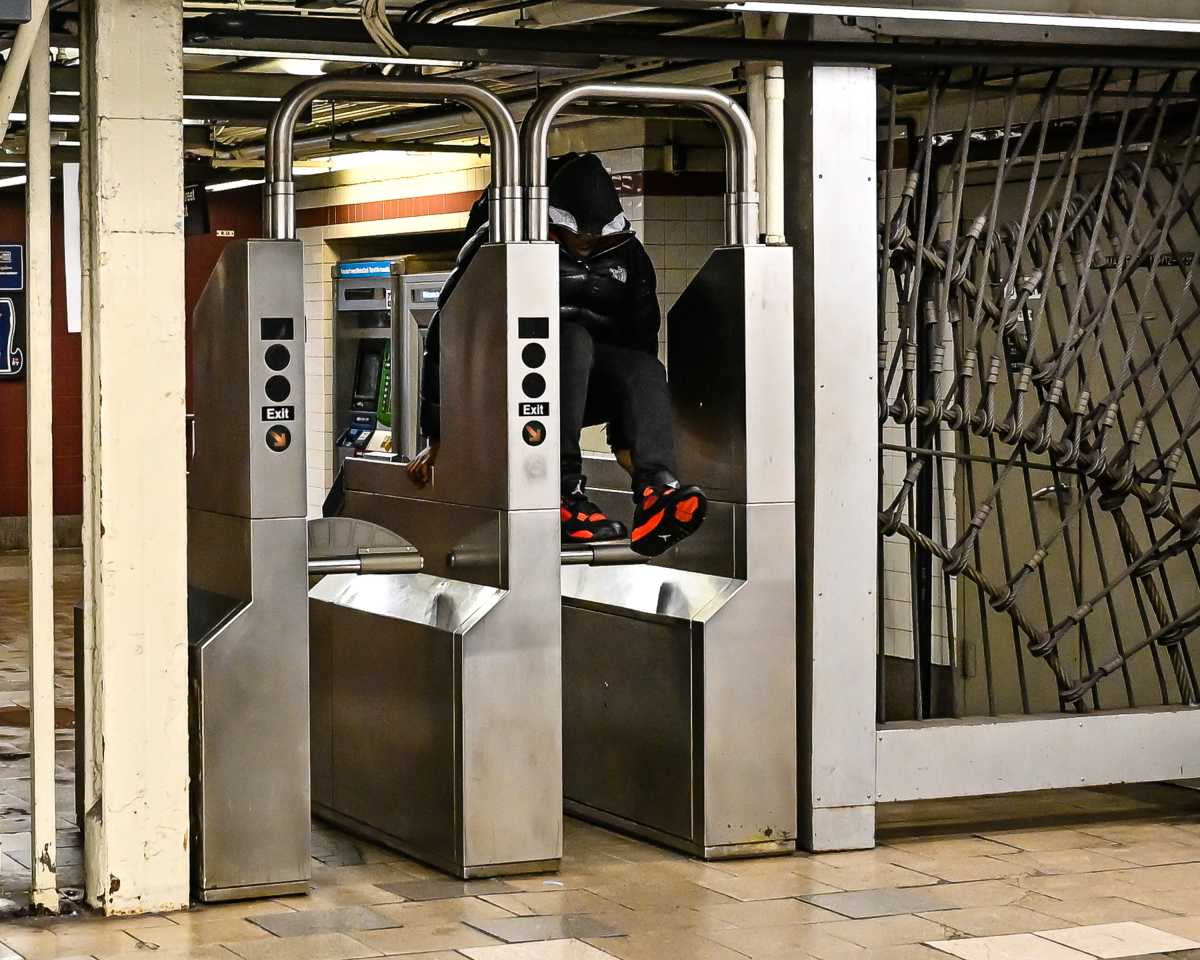
The Metropolitan Transportation Authority (MTA) is executing a bold technological transformation of New York City's subway infrastructure, deploying multiple innovative strategies to combat fare evasion while simultaneously enhancing passenger accessibility. This multi-layered approach represents a sophisticated response to a $400 million annual revenue challenge that goes far beyond traditional turnstile design.
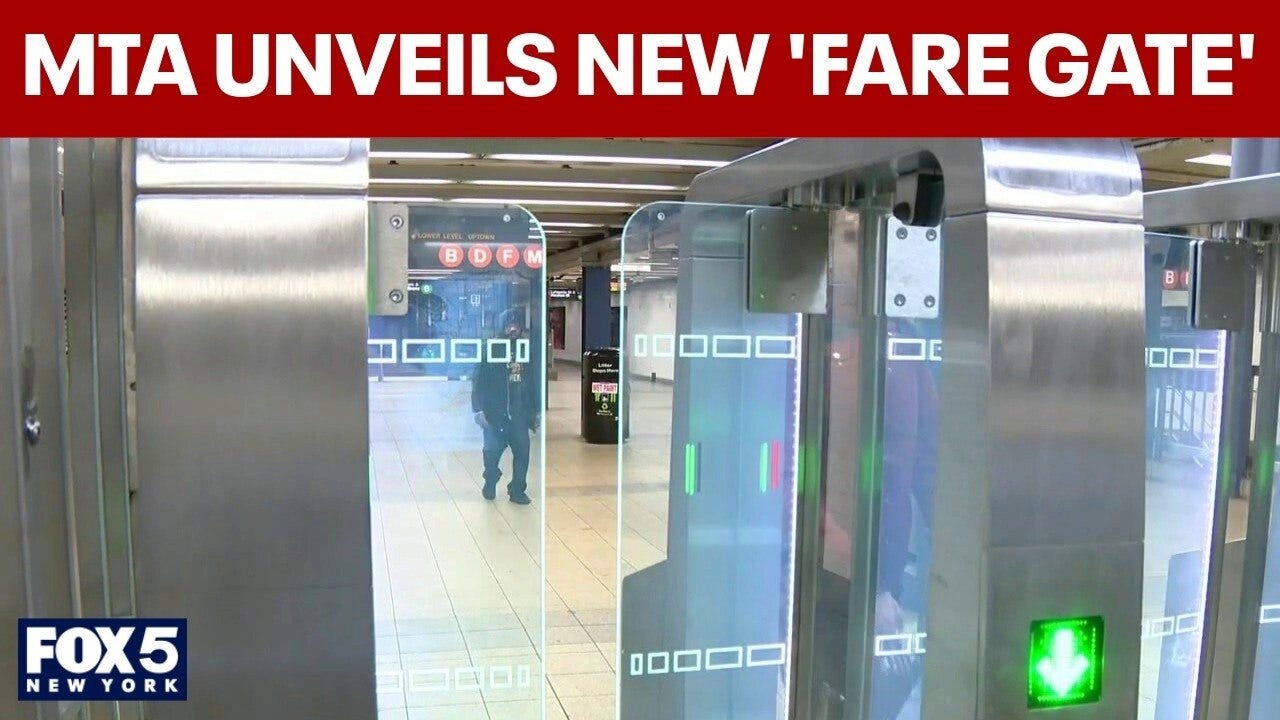
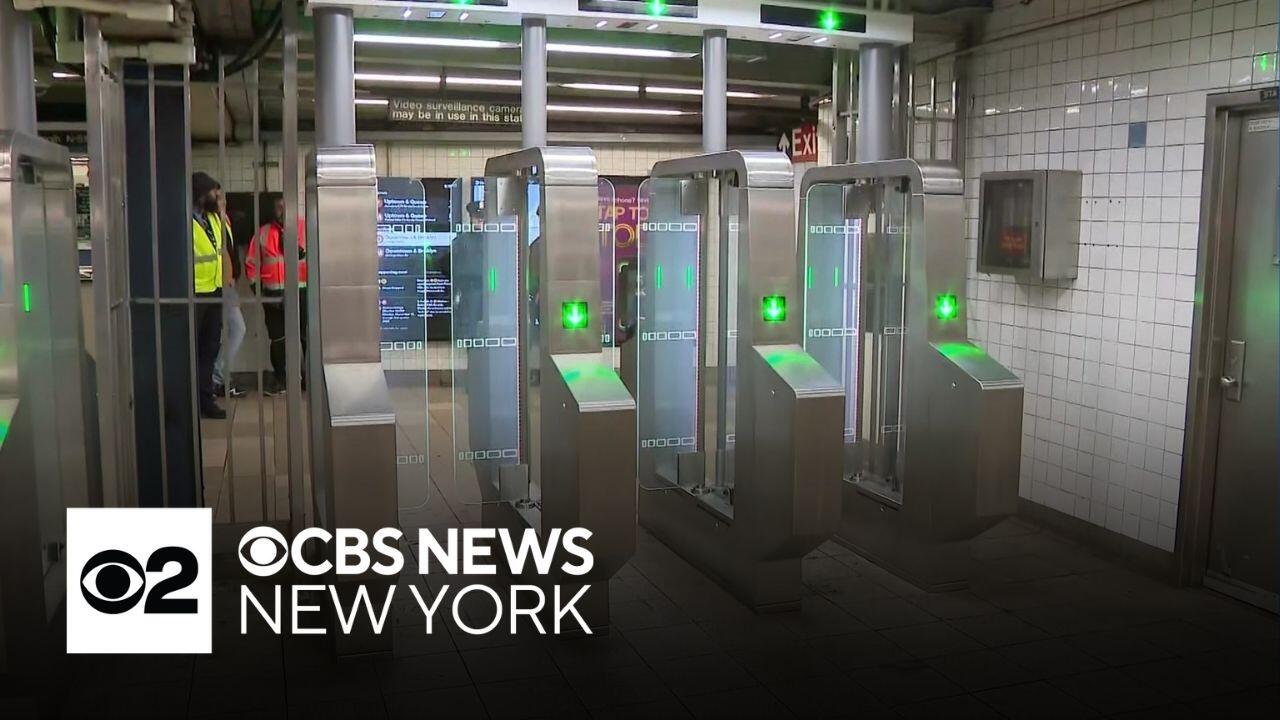
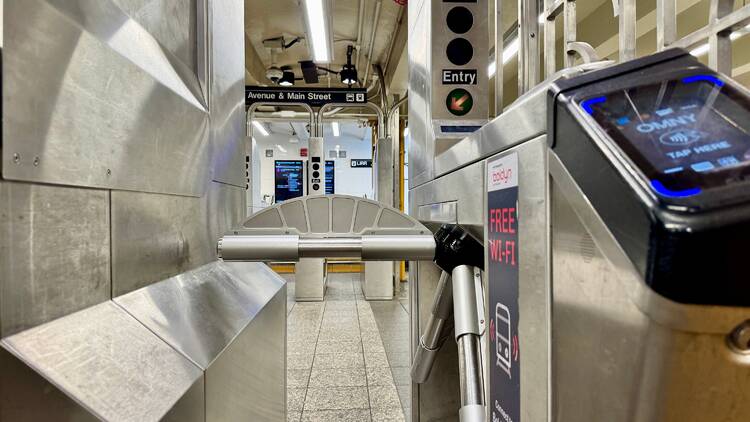
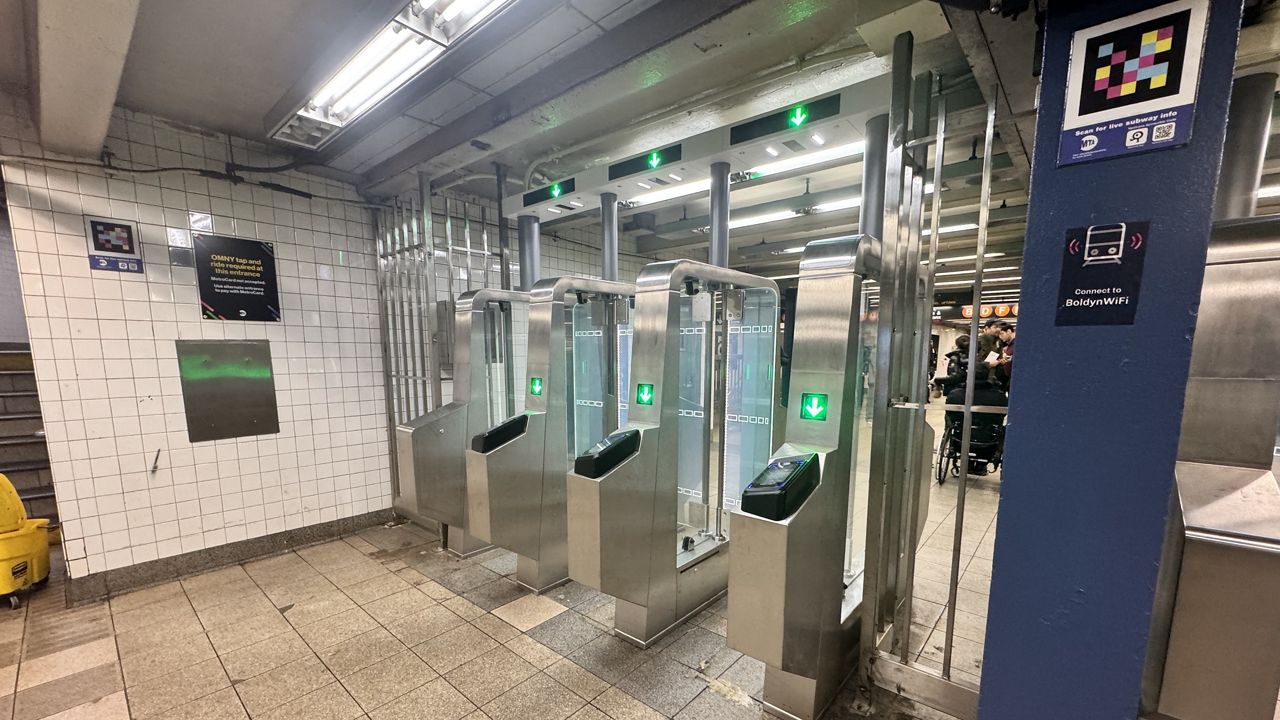
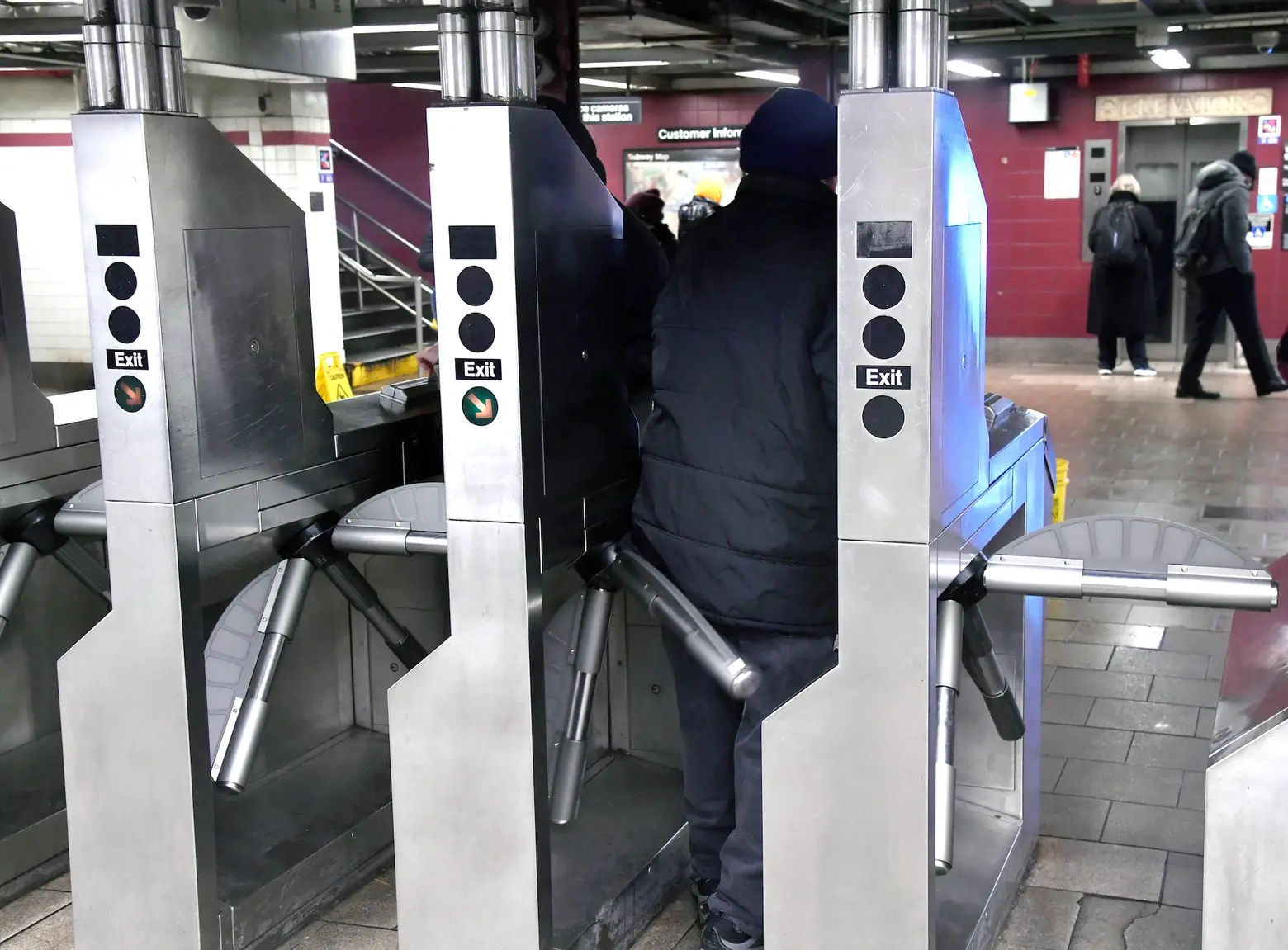
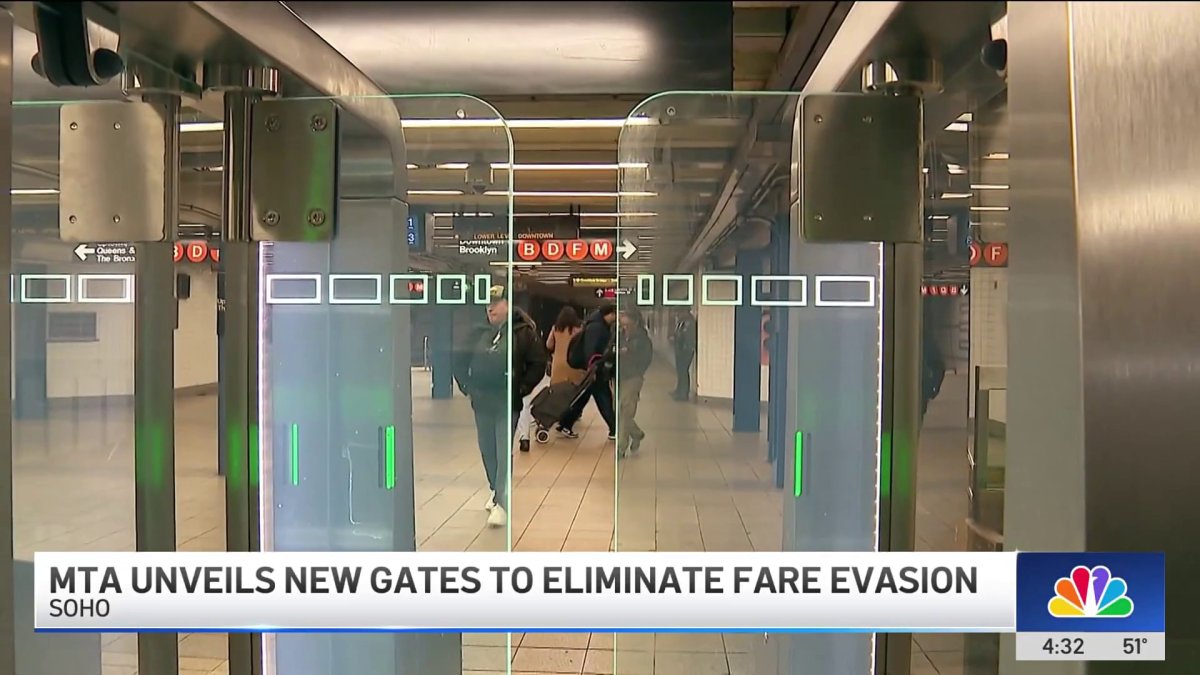
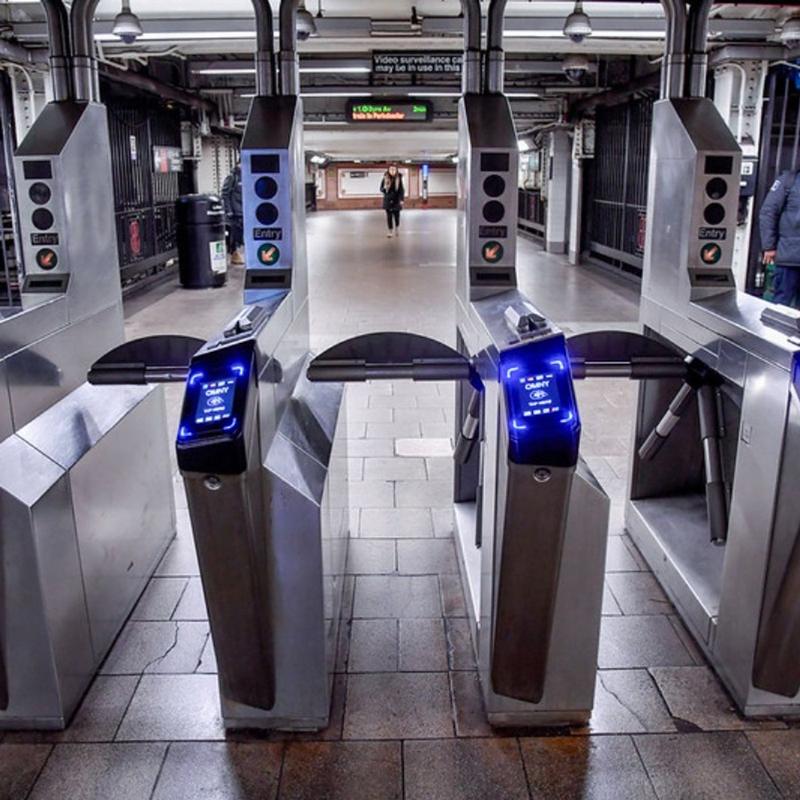
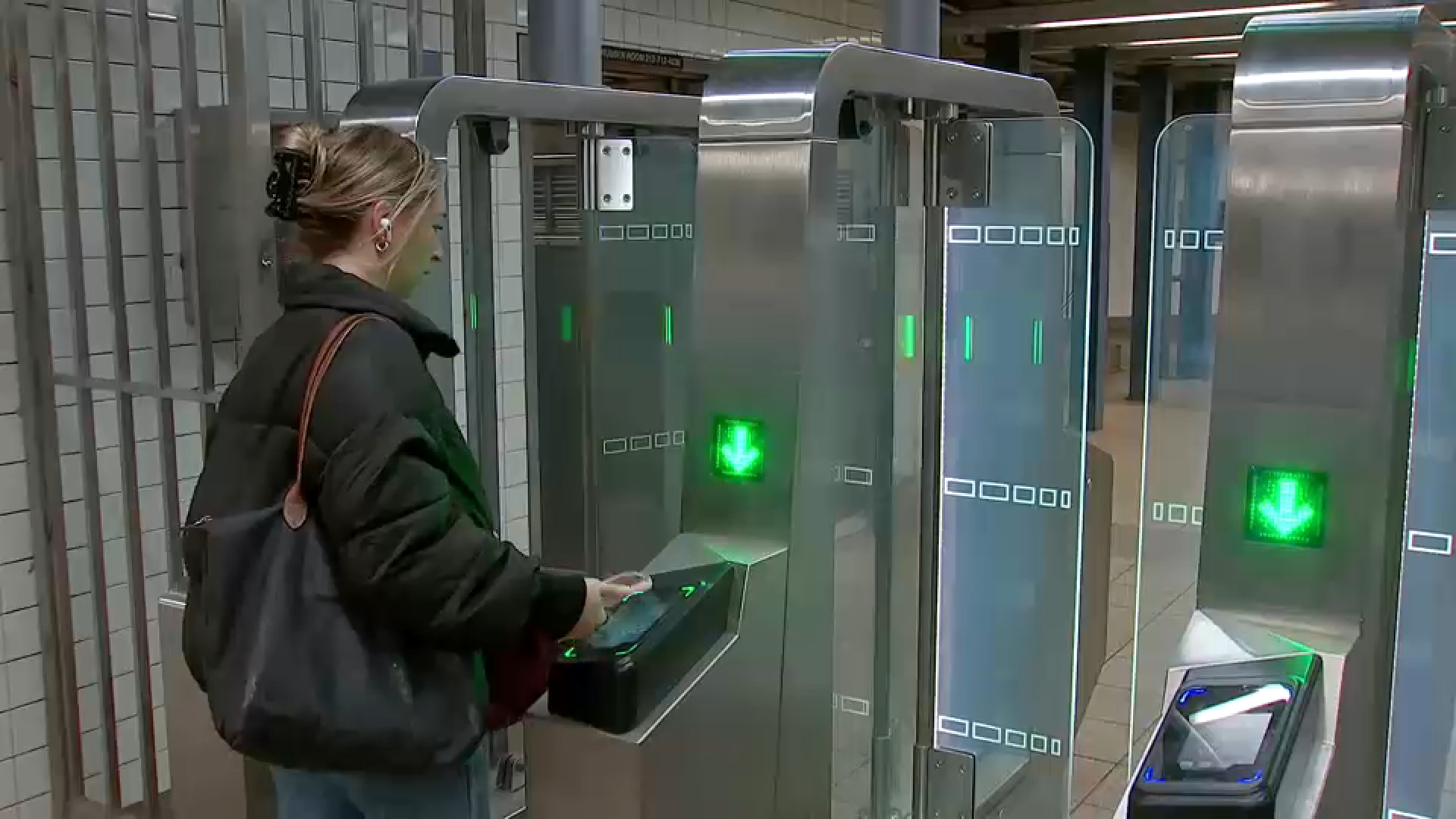
Technological Convergence in Transit Infrastructure is the core narrative emerging from the MTA's strategic initiatives. The agency is simultaneously testing multiple technological interventions: high-tech plexiglass gates with AI sensors, metal deterrent fins, and smart turnstile modifications. These aren't just incremental upgrades but a comprehensive reimagining of subway entry points. The $1.2 billion investment signals a profound commitment to modernizing urban transit infrastructure.
The most compelling aspect of this transformation is its dual focus on revenue protection and user experience. The new gates aren't merely barriers but intelligent systems that can distinguish between adults and children, accommodate passengers with mobility challenges, and provide real-time fare compliance monitoring. At 20 initial stations, including Broadway-Lafayette and Third Avenue, these gates represent a pilot program that could revolutionize urban transit design nationwide.
Critically, the MTA's approach acknowledges the complex socioeconomic dynamics of fare evasion. While implementing technological deterrents—like 3-foot metal fins and sensor-enabled gates that emit loud alarms—the agency is simultaneously tracking the human impact. The 60% reduction in fare evasion at pilot locations demonstrates the effectiveness of this nuanced strategy.
The broader implications extend beyond New York City. This initiative represents a potential blueprint for urban transit systems grappling with revenue losses, technological integration, and accessibility challenges. By treating fare collection as a sophisticated technological and social design problem, the MTA is positioning itself at the forefront of 21st-century urban mobility solutions.
Questions 4
What is the scale of the MTA's technological investment?
The MTA has allocated $1.2 billion for fare gate installation, targeting 150 subway stations over five years. The initial pilot program covers 20 stations, with locations like Broadway-Lafayette and Third Avenue serving as testing grounds for these innovative technologies.
What technological approaches is the MTA using to combat fare evasion?
The MTA is deploying multiple strategies: AI-enabled plexiglass gates with sensor technology, metal deterrent fins, smart turnstile modifications, and adaptive entry systems that can detect and prevent unauthorized access while maintaining passenger accessibility.