


Google's Pixel Software Strategy Reveals the Future of Proactive Device Maintenance
- Targeted Updates Demonstrate AI-Powered Precision in Smartphone Performance Optimization








Overview
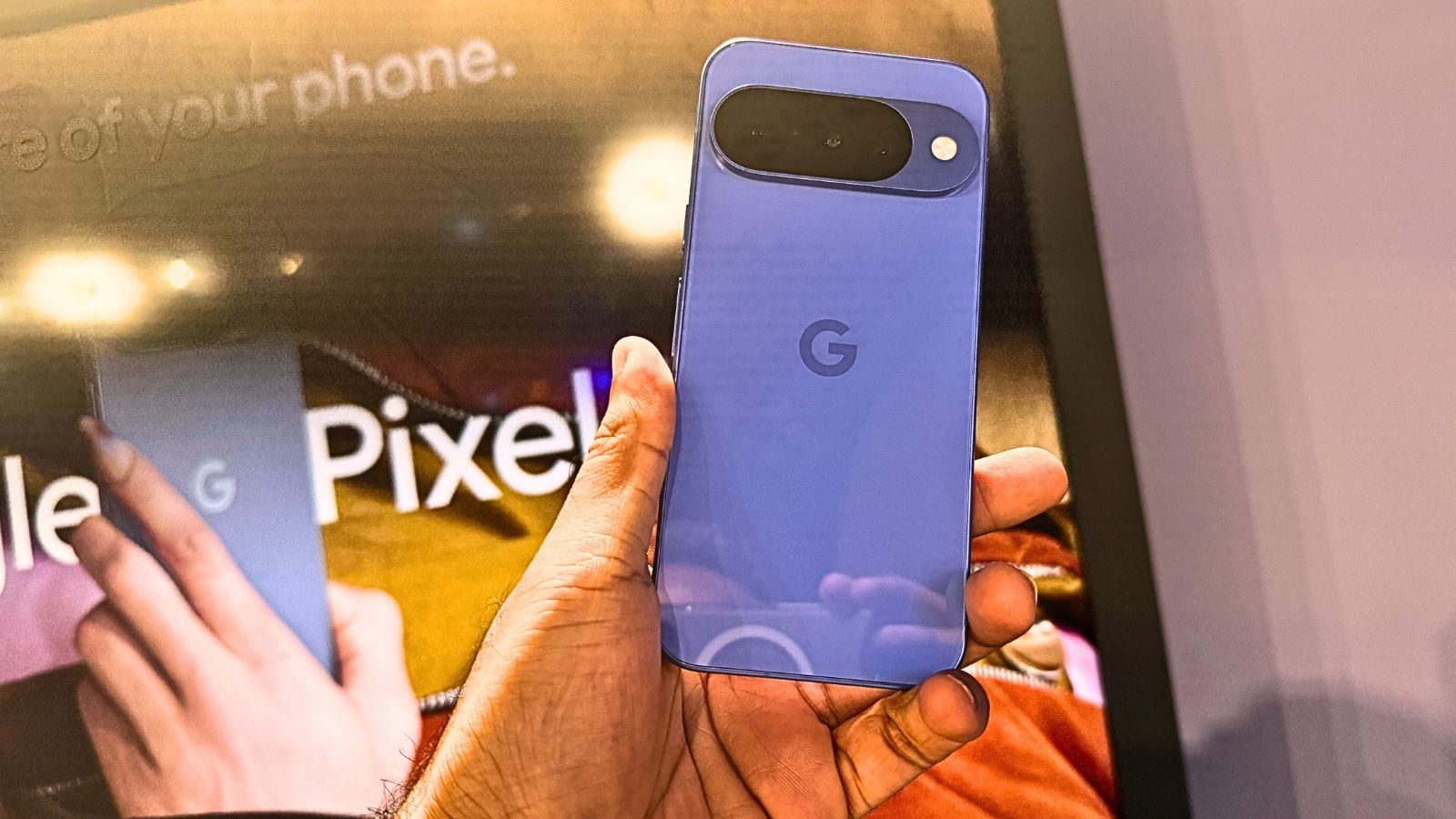
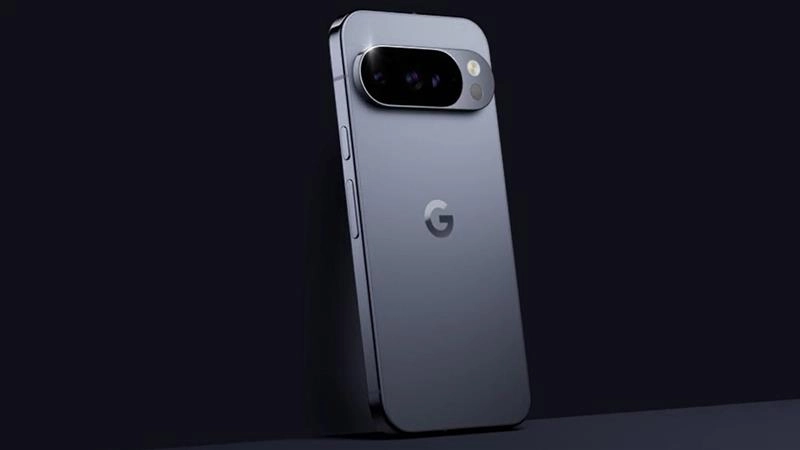
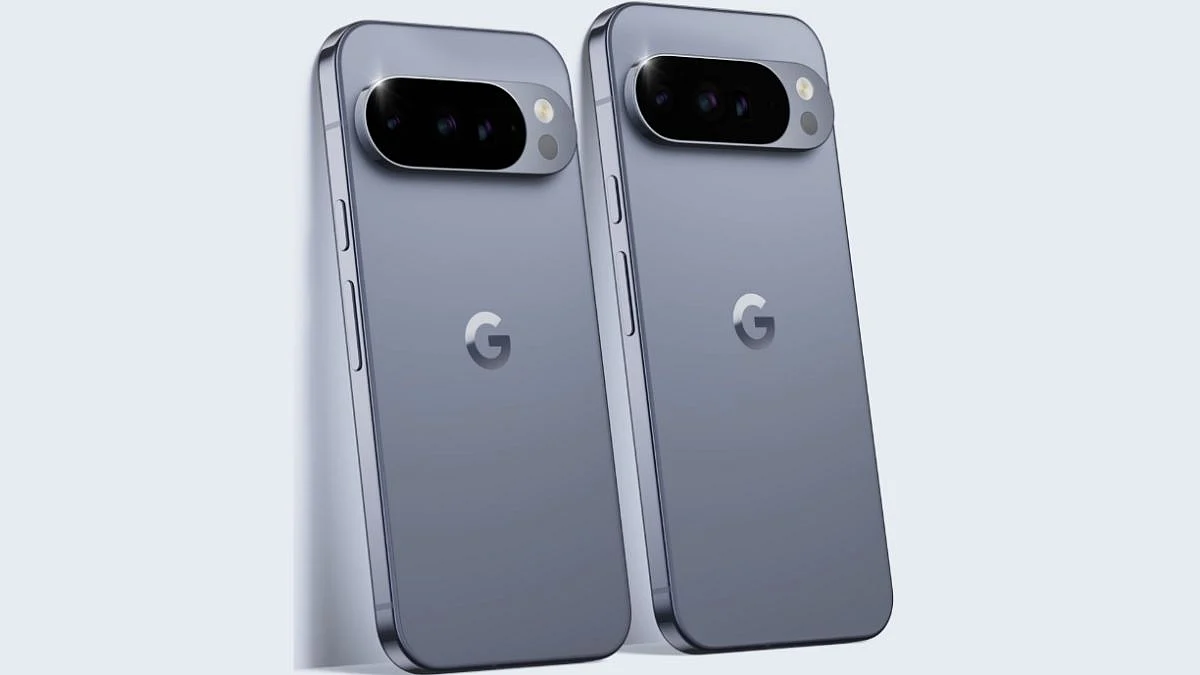
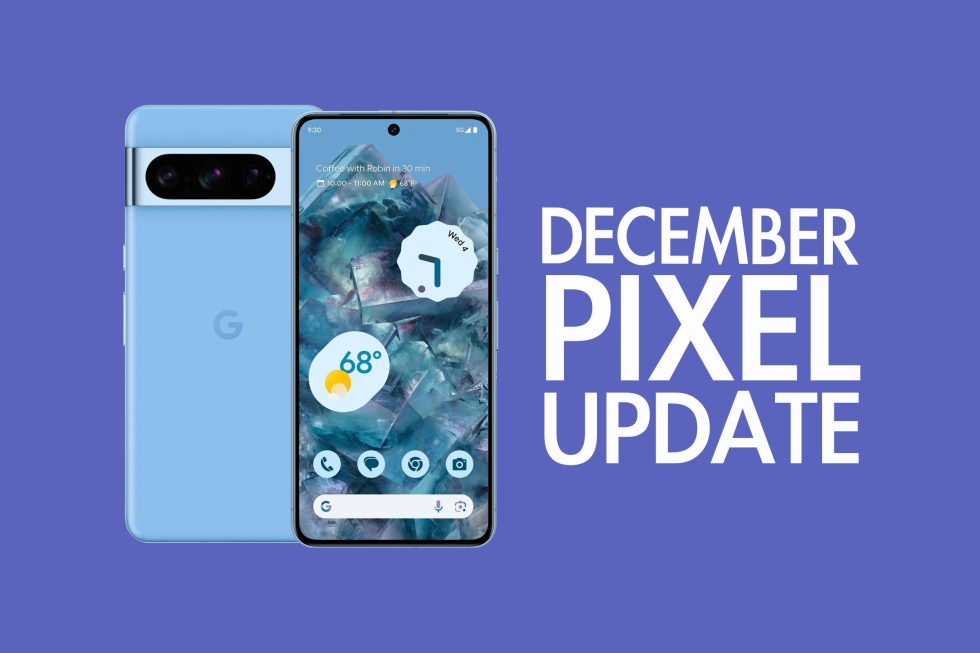
Smartphone software maintenance is undergoing a radical transformation, with Google's latest Pixel update serving as a blueprint for how artificial intelligence and data-driven insights can revolutionize device performance. The second December 2025 update for Pixel 8-10 series represents more than a routine patch—it's a strategic intervention that highlights the emerging paradigm of predictive device optimization.
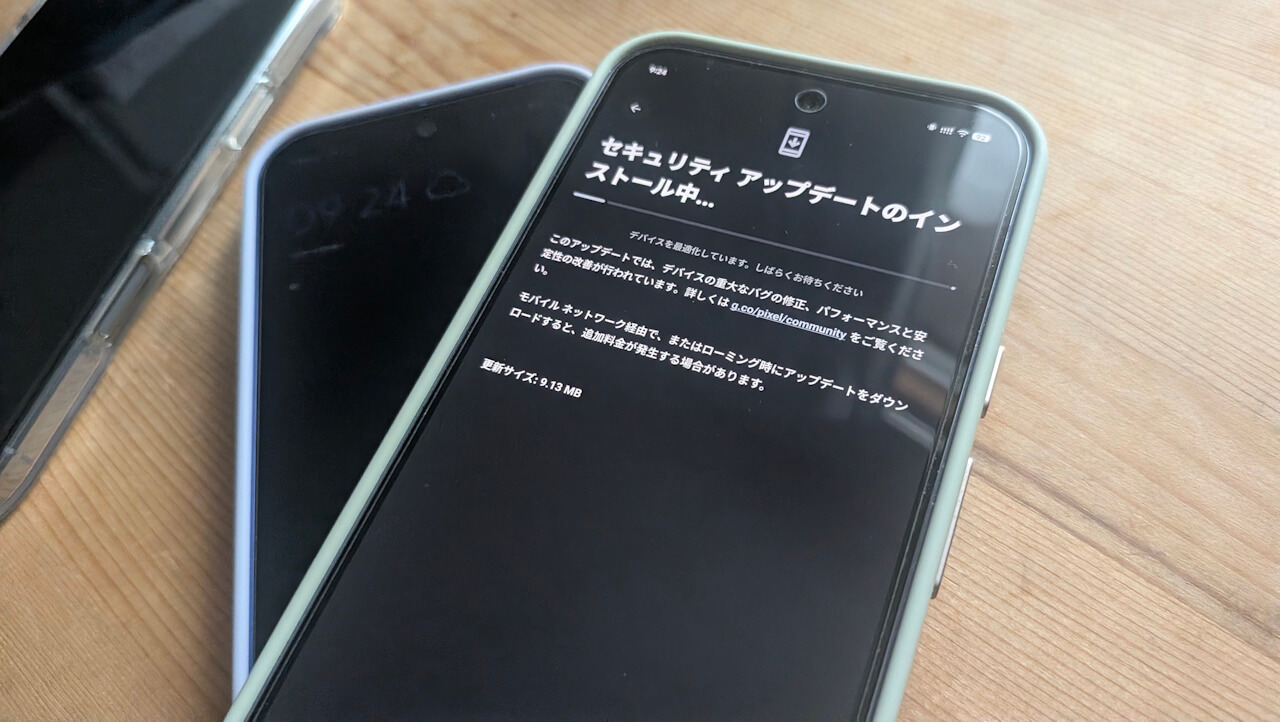
Precision Targeting of Technical Challenges emerges as the core narrative. Google's update addresses three critical issues with surgical accuracy: battery drain, touch responsiveness, and content accessibility challenges. The 25MB update, affecting multiple regional variants, demonstrates a new model of software maintenance where manufacturers can rapidly diagnose and resolve device-specific problems across different network environments.
The update's strategic significance lies in its proactive problem-solving approach. By releasing targeted fixes for Verizon, Visible, Google Fi, and T-Mobile networks, Google is essentially creating a real-time, adaptive software ecosystem. The company isn't just responding to issues—it's anticipating and neutralizing potential user frustrations before they become widespread complaints. This represents a fundamental shift from reactive to predictive device management.
Competitive Differentiation Through Software Intelligence is the underlying trend. While hardware improvements have plateaued, software becomes the new battleground for smartphone manufacturers. Google's ability to quickly develop, test, and deploy precise updates across multiple device models and network variants creates a significant competitive moat. The update's focus on Pixel 8-10 series models demonstrates a commitment to long-term device support that goes beyond traditional hardware lifecycles.
The broader implication is clear: AI-powered software maintenance is becoming a critical differentiator in the smartphone market. By leveraging data from millions of devices, manufacturers can now create increasingly intelligent, self-healing software ecosystems that adapt in near-real-time to emerging technical challenges.
For technology leaders and device manufacturers, the message is unambiguous: invest in predictive software intelligence or risk becoming obsolete in an era where device performance is defined not by hardware specifications, but by the sophistication of adaptive software ecosystems.
Questions 3
What competitive advantages does this software update strategy provide for Google?
This strategy creates multiple competitive moats: longer device support lifecycles, enhanced user trust through rapid problem resolution, and the ability to differentiate through software intelligence rather than hardware specifications. By developing network-specific, precisely targeted updates, Google transforms software maintenance from a cost center into a strategic competitive advantage.
How does Google's update strategy differ from traditional smartphone software maintenance?
Unlike traditional reactive updates, Google's approach is proactively targeting specific technical issues across multiple device models and network variants. The precision of addressing battery drain, touch responsiveness, and content accessibility in a single 25MB update demonstrates a data-driven, AI-powered maintenance strategy that anticipates and resolves problems before they become widespread user complaints.