



Winter Wellness Revolution: Strategic Nutrition as Your Immune System's Secret Weapon
- Emerging consumer-driven approach transforms seasonal health maintenance for individuals and food markets






.jpg)



.jpg)
Overview
The convergence of nutritional science and consumer health awareness is triggering a profound transformation in how individuals approach winter wellness. Emerging research and expert guidance reveal that strategic nutrition is no longer a peripheral health consideration, but a critical mechanism for maintaining immune resilience during challenging seasonal transitions.
Micronutrient intelligence has become the cornerstone of this wellness revolution. Experts consistently emphasize that targeted nutritional strategies can significantly modulate immune system performance. The data suggests that consuming a diverse range of nutrient-dense foods - particularly those rich in vitamins C, D, and zinc - can potentially reduce respiratory infection risks and enhance overall metabolic functionality.
The holistic approach transcends traditional supplementation, focusing instead on food-first strategies. Dietitians like Hari Lakshmi from Motherhood Hospitals highlight the critical role of gut health, demonstrating how strategic dietary choices can directly influence immune cell performance. Key recommendations include incorporating 8-10 different plant-based foods daily, emphasizing fermented products, and maintaining consistent nutritional intake.
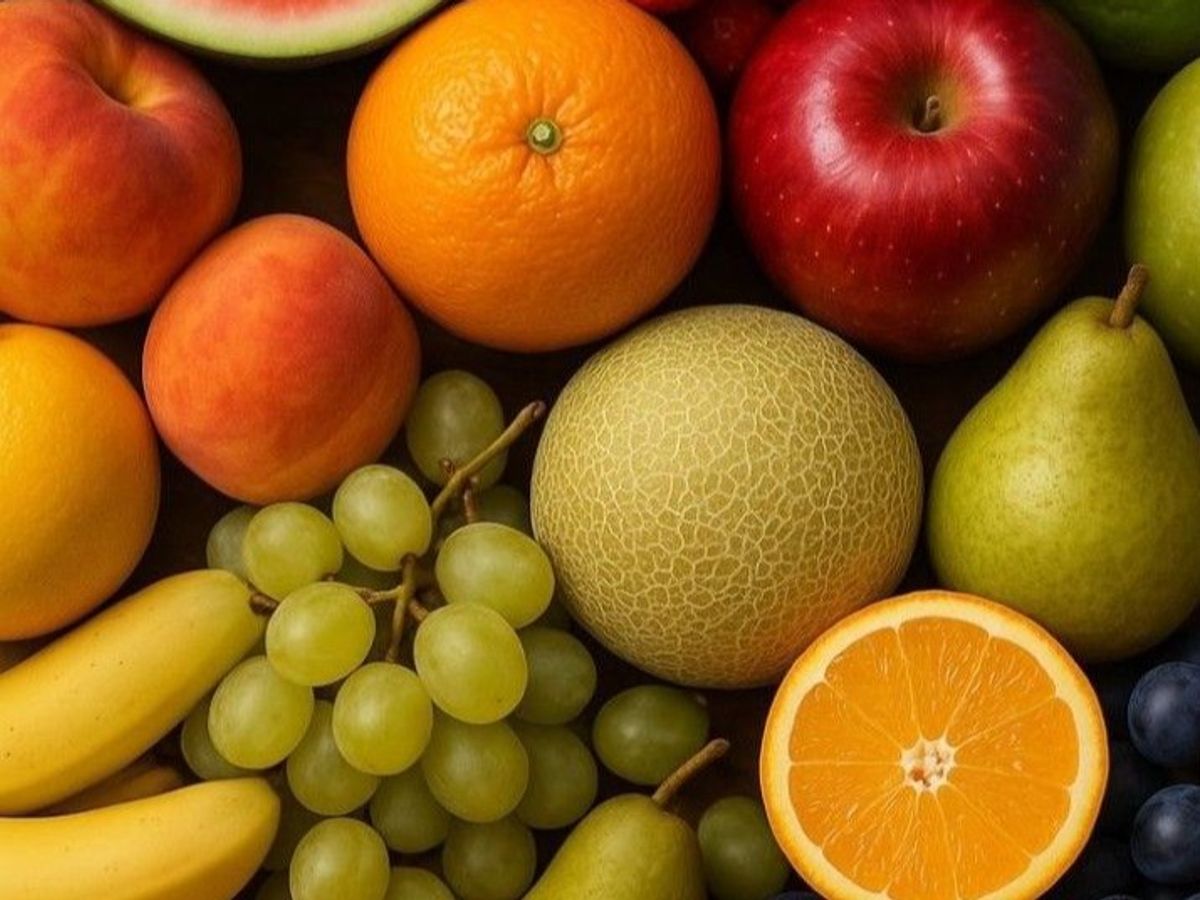
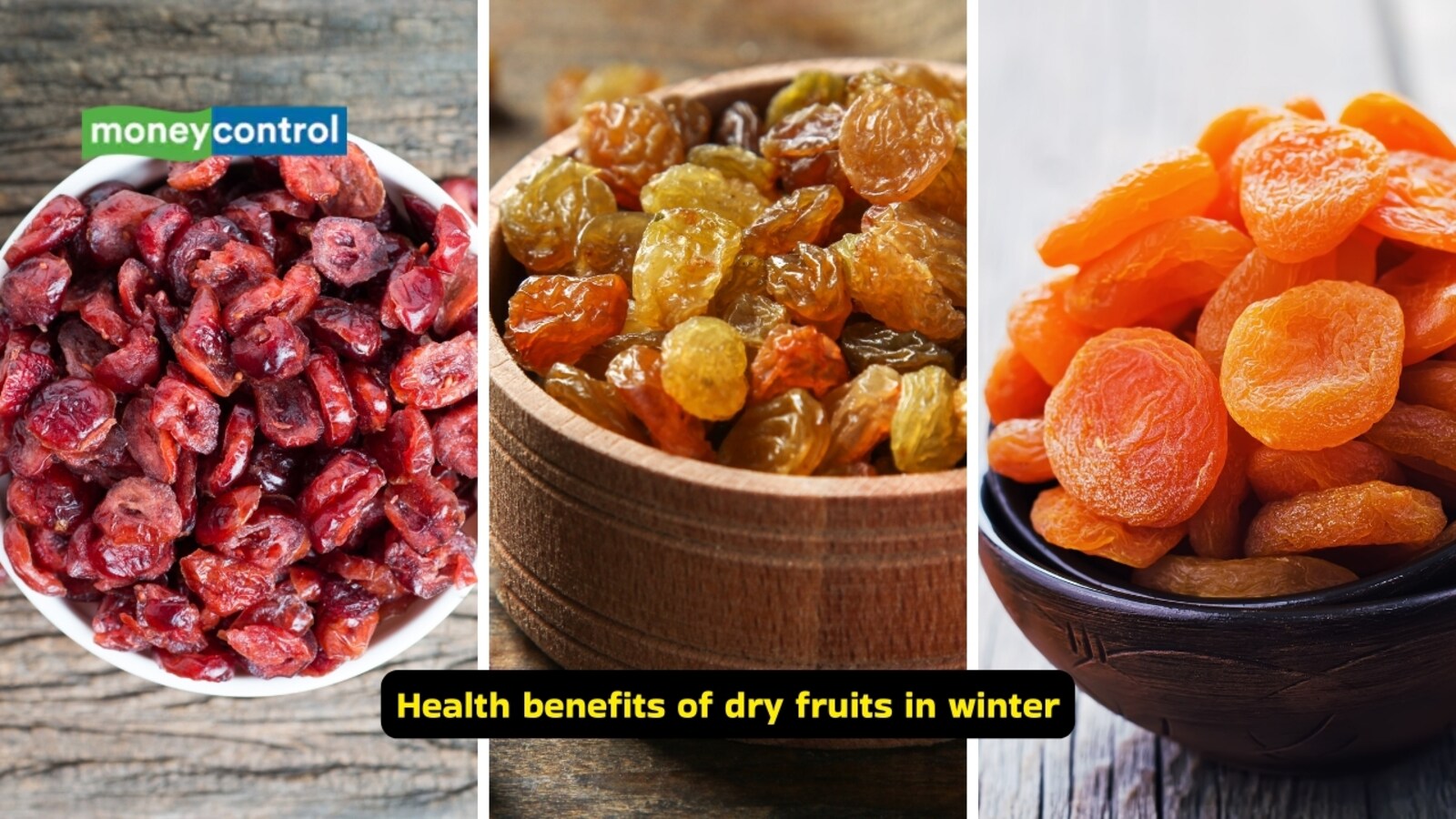
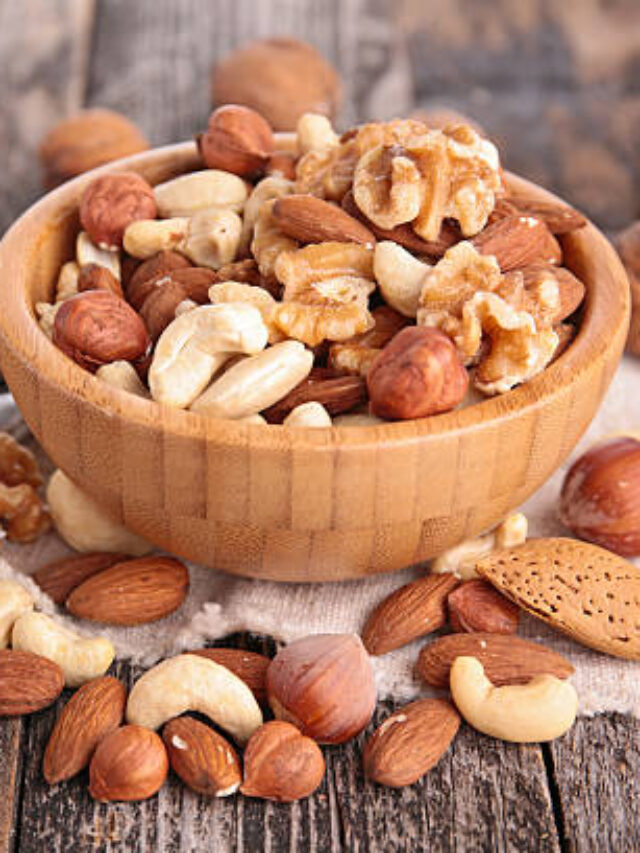
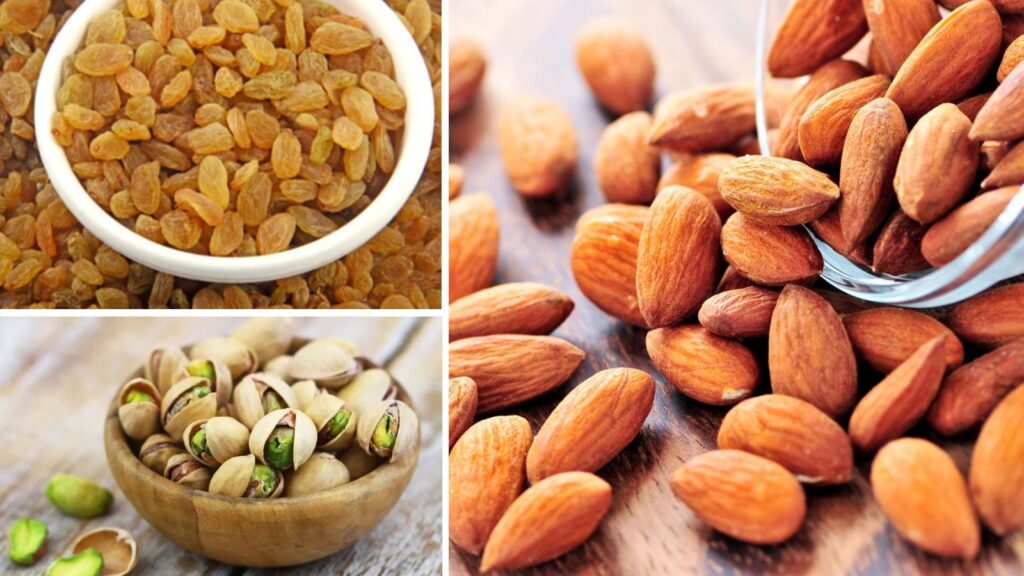
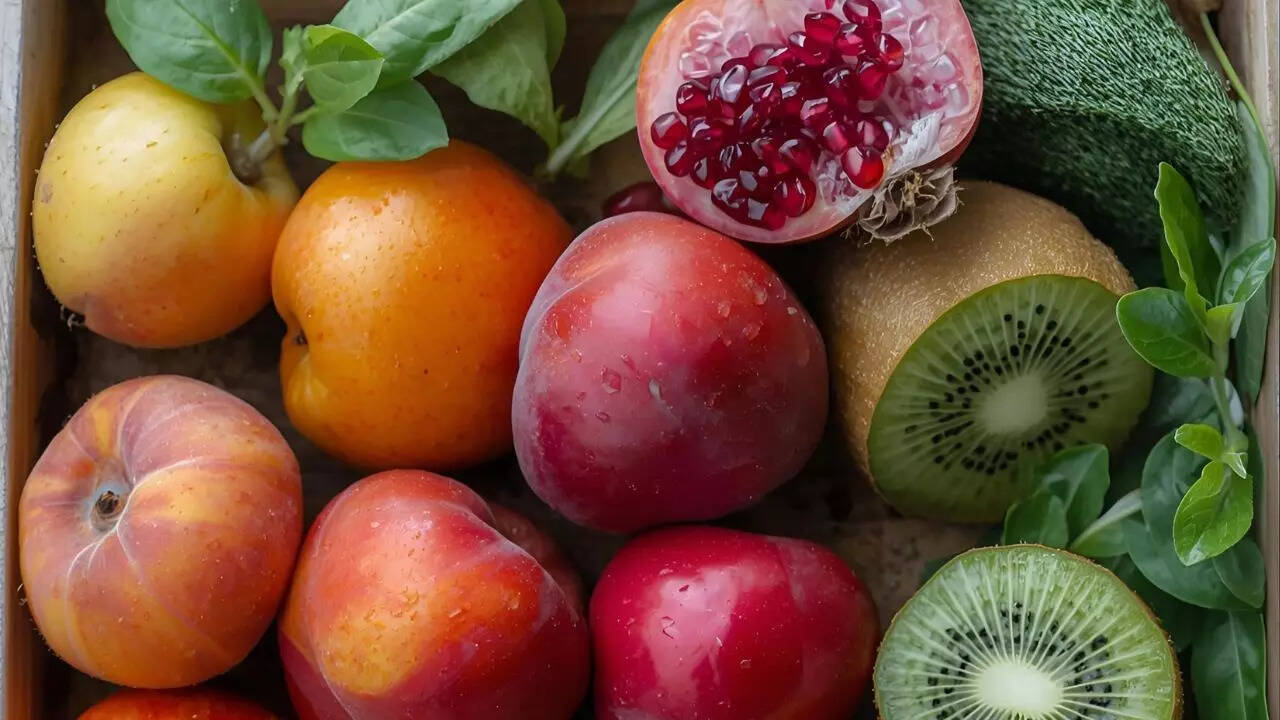
Dry fruits and winter produce emerge as unexpected heroes in this nutritional narrative. Foods like almonds, walnuts, and citrus fruits are not merely snacks, but targeted interventions that provide essential micronutrients. The nutritional diversity of these foods offers warmth, sustained energy, and immune-supporting compounds that help the body adapt to seasonal changes.
For cross-border food sellers and agricultural exporters, this trend represents a significant market opportunity. Consumer interest is rapidly shifting towards convenient, nutritious options like frozen vegetables, pre-prepared ingredients, and seasonal produce varieties. The guidance suggests a growing demand for products that seamlessly integrate health maintenance into daily dietary routines.
The emerging consensus is clear: winter wellness is no longer about surviving the season, but strategically thriving through it. By understanding nutrition as a dynamic, proactive tool rather than a reactive measure, consumers are rewriting the script of seasonal health maintenance.
Questions 3
What market opportunities exist for food sellers in winter nutrition?
Growing consumer interest in convenient, nutritious options creates opportunities in frozen vegetables, pre-prepared ingredients, and seasonal produce. Developing products that seamlessly integrate health maintenance into daily diets can capture emerging market demand for functional, wellness-oriented foods.
Why are gut health and microbiome so crucial for winter immunity?
Gut bacteria directly influence immune cell performance. A healthy microbiome supports more effective immune responses by enhancing cellular communication and reducing inflammation. Consuming diverse, fermented foods helps maintain a robust gut ecosystem that can better defend against seasonal health challenges.