





Brazil's Public Health Revolution: Eliminating Mother-to-Child HIV Transmission
- A Landmark Achievement Redefining Global Healthcare Strategies and Equity

Overview
In a groundbreaking public health triumph, Brazil has transformed global healthcare expectations by becoming the first continental country to eliminate mother-to-child transmission of HIV. This achievement represents far more than a medical milestone—it's a powerful testament to systematic, equitable healthcare intervention that challenges conventional approaches to complex health challenges.
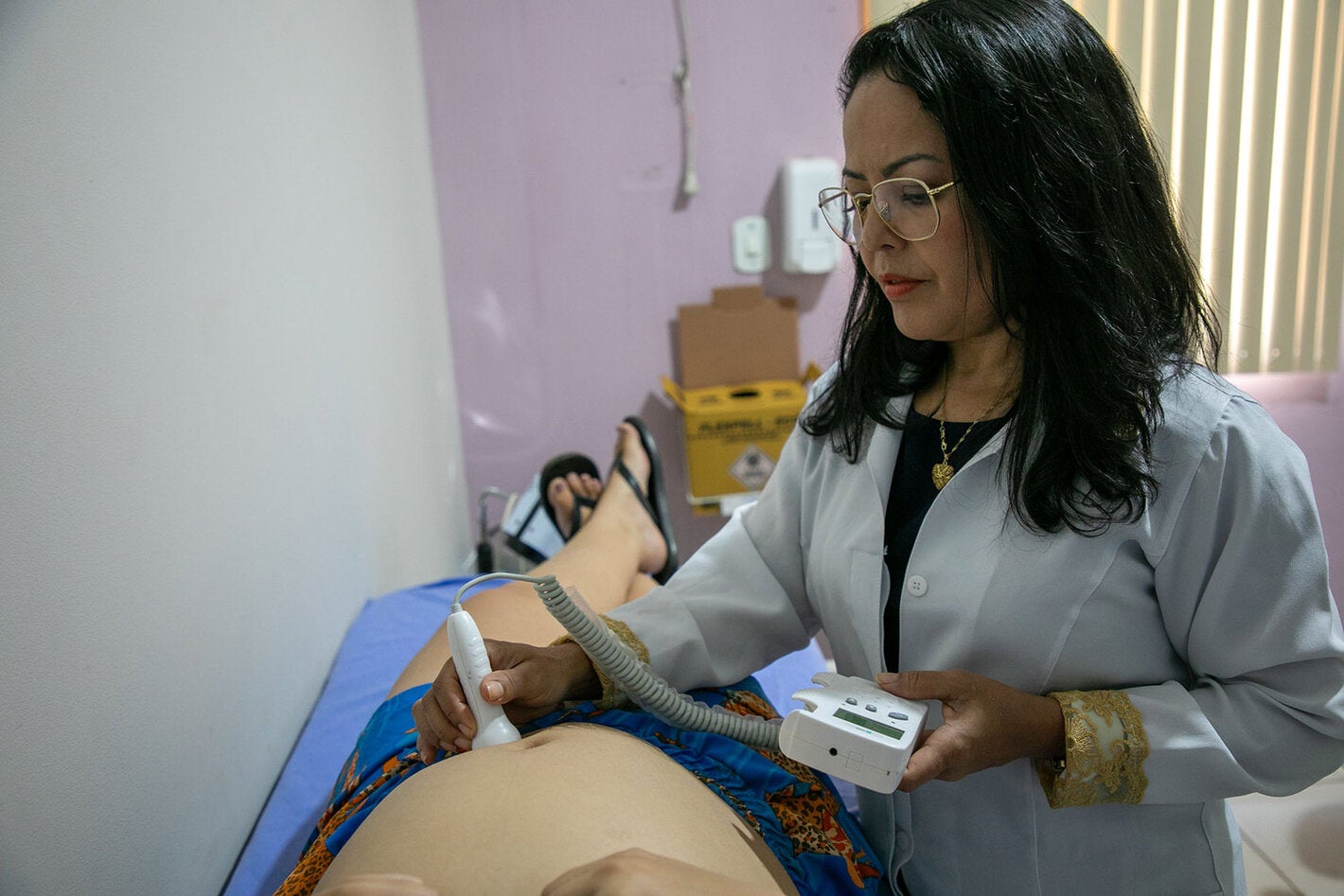
Brazil's Unified Health System (SUS) emerges as the critical infrastructure behind this success, demonstrating how comprehensive, accessible healthcare can produce transformative results. By maintaining a vertical transmission rate below 2% and achieving over 95% coverage in prenatal care and HIV testing, Brazil has effectively rewritten the narrative around vertical HIV transmission. Between 2023 and 2024, the country witnessed a remarkable 13% drop in AIDS-related deaths, reducing fatalities to 9,100—the lowest rate in over three decades.
The validation process by PAHO/WHO was rigorous, involving comprehensive technical reviews that examined not just medical protocols, but also Brazil's commitment to human rights, gender equality, and community engagement. This holistic approach distinguishes Brazil's strategy from traditional medical interventions. By integrating prevention strategies like PrEP, PEP, and expanded rapid testing, the country created a multifaceted approach that goes beyond treating symptoms to addressing root systemic challenges.
Critically, this achievement is part of a broader regional initiative. The Pan American Health Organization's Elimination Initiative aims to eliminate over 30 communicable diseases by 2030, with Brazil's success serving as a powerful proof of concept. The country's model demonstrates that with strategic investment, political will, and a commitment to universal healthcare, seemingly insurmountable health challenges can be systematically addressed.
President Luiz Inácio Lula da Silva's emphasis on SUS as a source of national pride underscores a fundamental shift—healthcare is not just a service, but a fundamental right that transcends socioeconomic boundaries. This milestone represents more than a medical victory; it's a blueprint for how nations can leverage public health infrastructure to drive meaningful social transformation.
Questions 3
How did Brazil achieve such a significant reduction in mother-to-child HIV transmission?
Brazil implemented a comprehensive strategy involving over 95% coverage in prenatal care, routine HIV testing, and timely antiretroviral treatment for pregnant women. By maintaining a vertical transmission rate below 2% and integrating multiple prevention strategies like PrEP and PEP, the country created a multi-layered approach to interrupting HIV transmission.
What makes Brazil's achievement unique in the global health landscape?
Brazil is the first continental country to receive certification for eliminating mother-to-child HIV transmission, demonstrating that large, diverse countries can implement successful public health interventions. The achievement goes beyond medical protocols, incorporating principles of human rights, gender equality, and universal healthcare access.