



Flu Season 2024: Navigating the Subclade K Mutation and Media Hype
- Emerging viral strain challenges public communication and vaccine strategies across UK and US markets



























Overview
The current flu season presents a nuanced landscape of viral evolution and communication challenges, where scientific reality diverges significantly from media sensationalism. At the core of this season's narrative is the subclade K mutation of the H3N2 influenza strain, which has emerged as a critical point of scientific and public health discourse.
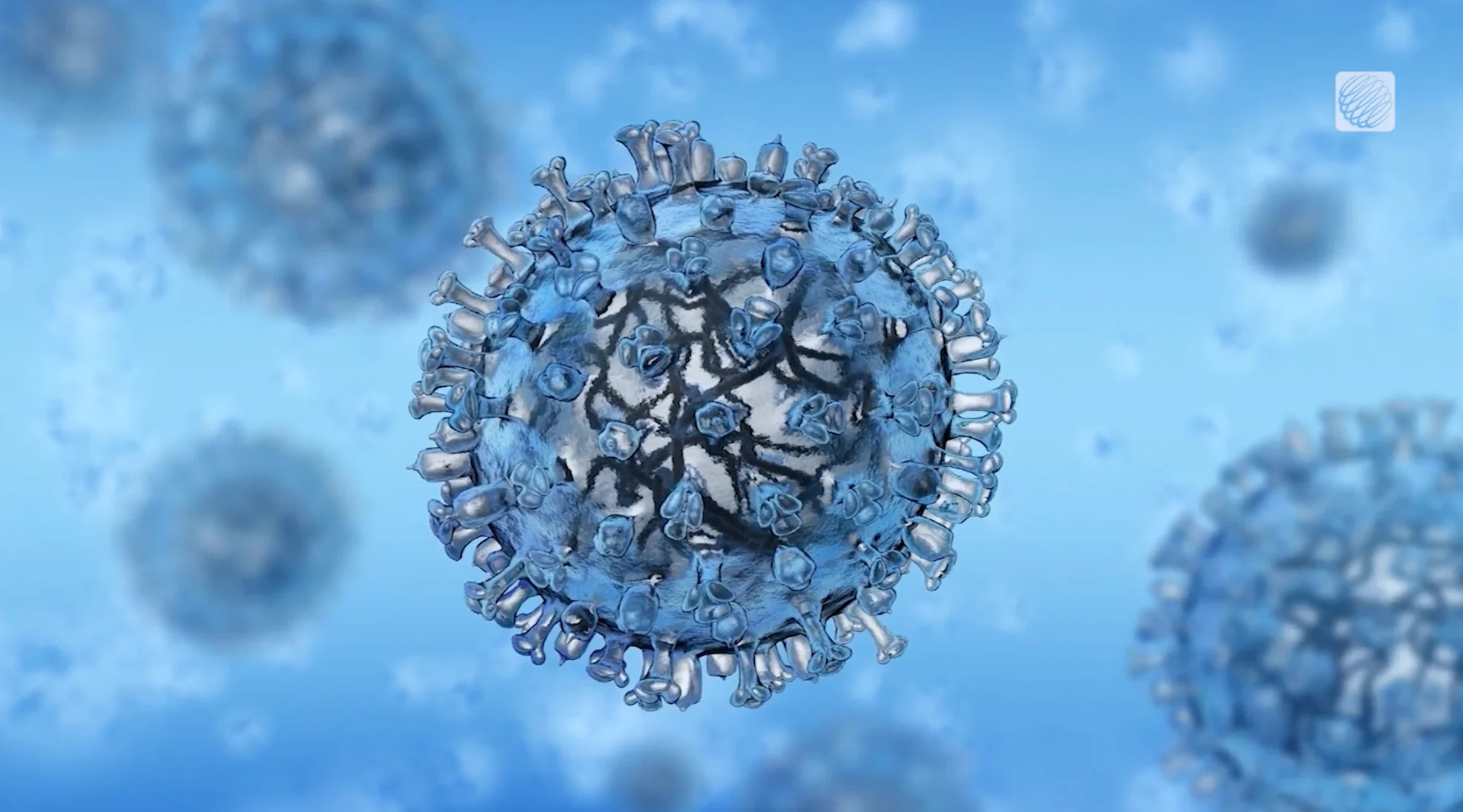
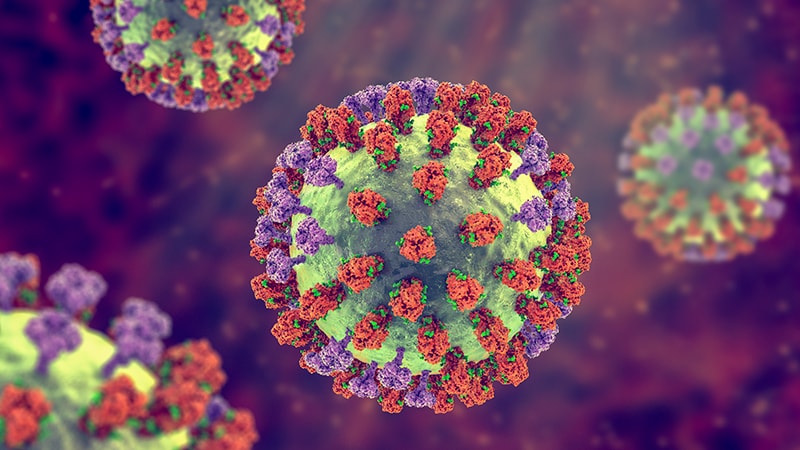
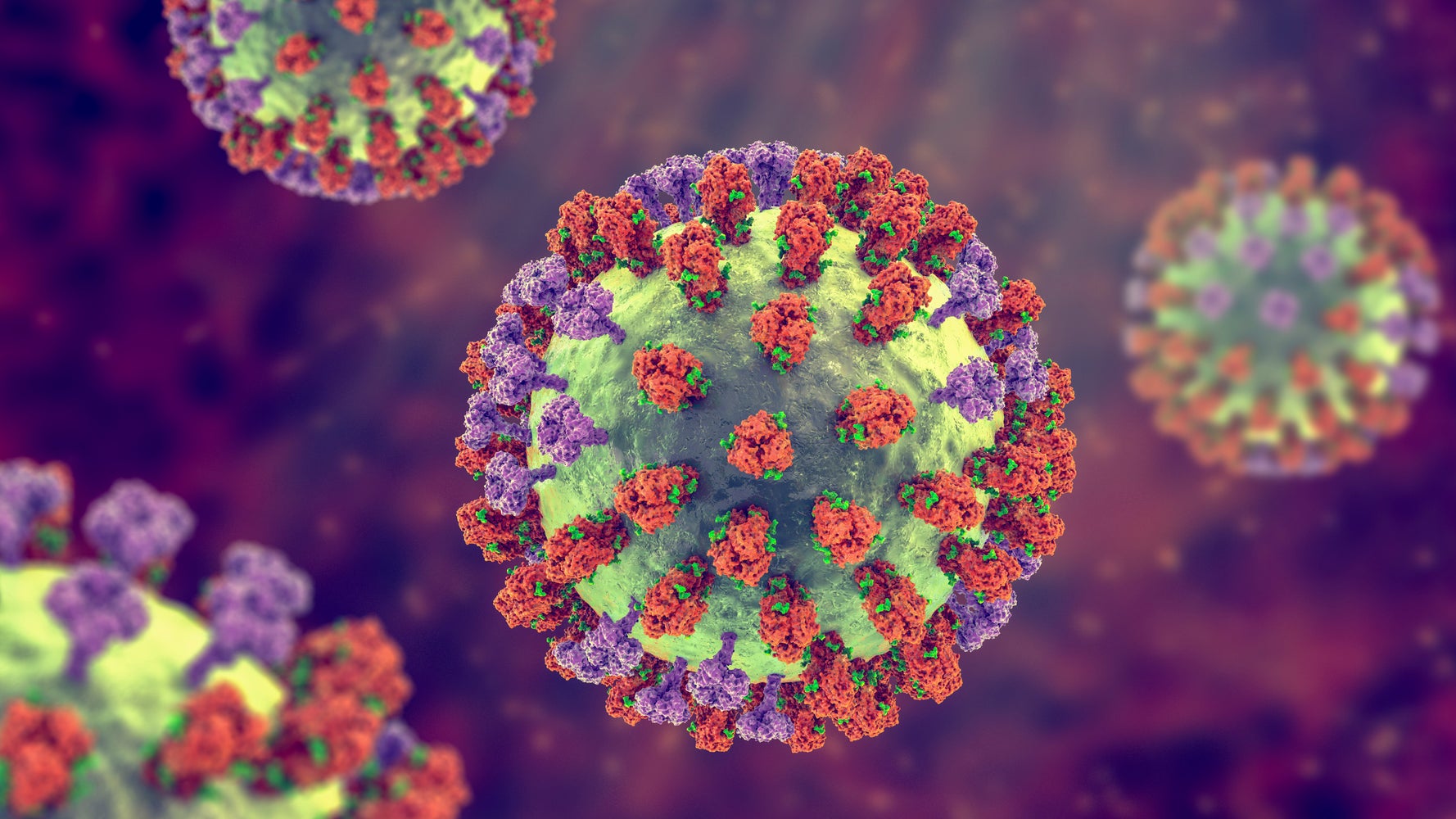
Viral Mutation and Actual Impact: Contrary to apocalyptic media narratives, experts like Prof. Christophe Fraser and Prof. Nicola Lewis emphasize that the current flu strain represents a marginal evolutionary development rather than a catastrophic threat. The subclade K variant shows only a 5-10% increased ability to bypass existing immunity, primarily affecting children and young adults. CDC data reveals a measured spread, with 86 out of 547 flu cases being H3N2, and 89 of 163 H3N2 viruses identified as subclade K. This suggests a controlled, predictable viral progression rather than an unprecedented outbreak.
Communication Dynamics and Public Trust: A critical meta-narrative emerging from both UK and US reports is the potential harm of inflammatory medical communication. Experts like Dr. Simon Williams and Prof. Jonathan Ball warn against the "cry wolf" effect, where sensationalist terminology like "superflu" can erode public trust and potentially desensitize populations to genuine health risks. The strategic challenge lies not in the virus itself, but in how scientific information is translated for public consumption.
Vaccine and Prevention Strategies: Despite viral mutations, current seasonal flu vaccines remain largely effective. Health professionals emphasize that while the vaccine might not perfectly match subclade K, it still provides substantial protection against serious illness. The recommended approach combines vaccination with fundamental hygiene practices—a pragmatic response that balances scientific precision with accessible public health guidance.
The emerging pattern suggests a sophisticated interplay between viral science, media dynamics, and public health communication. As flu activity rises with a 260% increase in influenza A concentrations since October, the real challenge is maintaining an informed, measured public response that neither minimizes nor catastrophizes the current viral landscape.
Questions 3
How should individuals approach prevention during this flu season?
Experts recommend a multi-layered approach: get vaccinated with the current seasonal flu shot, practice rigorous hand hygiene, maintain social distancing when possible, and stay informed through credible medical sources rather than sensationalist media reports.
How significant is the subclade K mutation compared to previous flu strains?
The subclade K mutation represents a modest 5-10% increase in viral immune evasion, primarily affecting younger populations. While noteworthy, experts emphasize it's an evolutionary variation rather than a fundamentally new threat, with seasonal vaccines still providing substantial protection.