





Unraveling the Genetic Tapestry of Mental Health Disorders
- Groundbreaking Research Reveals Interconnected Genetic Roots Transforming Psychiatric Understanding

















Overview
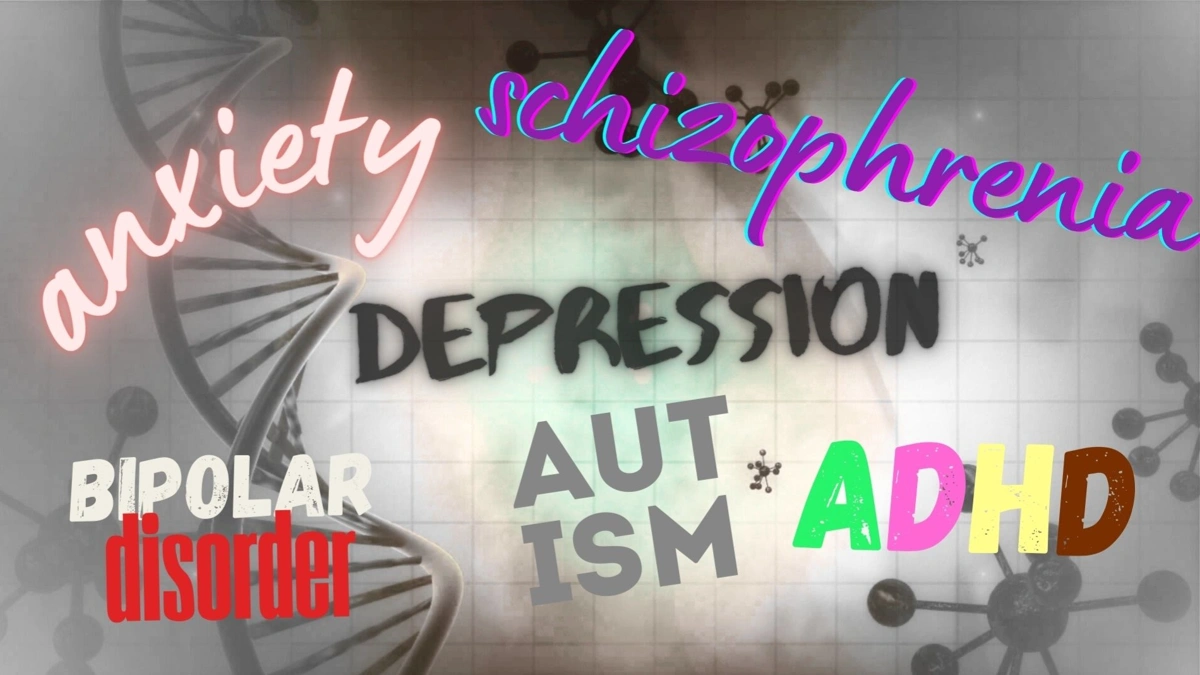
A revolutionary scientific breakthrough is reshaping our understanding of mental health by revealing the profound genetic interconnectedness of psychiatric disorders. Researchers have uncovered a complex genetic landscape that challenges traditional diagnostic boundaries, demonstrating that 14 different psychiatric conditions share surprisingly deep biological foundations.
The study's most striking revelation is the identification of five core genetic clusters that fundamentally reframe how we conceptualize mental health conditions. These clusters include compulsive disorders, internalizing disorders (like anxiety and depression), substance use disorders, neurodevelopmental conditions, and a schizophrenia/bipolar disorder group. Particularly remarkable is the discovery that some disorders share up to 90% genetic risk overlap, suggesting these conditions are far more biologically interrelated than previously understood.
Key biological insights emerge from the genetic mapping, highlighting intricate connections in brain development and neurological function. For instance, excitatory neurons play a critical role in disorders like bipolar disorder and schizophrenia, while oligodendrocytes significantly influence internalizing conditions. This genetic architecture provides unprecedented insights into how mental health disorders develop, potentially revolutionizing diagnostic and treatment approaches.
The research represents a paradigm shift from symptom-based diagnoses to a more nuanced, biologically-informed understanding. By analyzing genetic data from over 6 million individuals, scientists have begun to unravel the complex genetic mechanisms underlying mental health. This approach doesn't just categorize disorders but reveals the underlying biological processes that connect them, offering hope for more targeted and precise interventions.
Critically, the study doesn't suggest immediately merging diagnostic categories but provides a robust scientific framework for future research. It underscores the complexity of mental health conditions while simultaneously offering a more sophisticated lens through which to understand their origins and potential treatments. The implications are profound: we are moving from viewing psychiatric disorders as discrete, isolated conditions to understanding them as part of a complex, interconnected genetic ecosystem.
Questions 3
How significant is the genetic overlap between different psychiatric disorders?
The research reveals remarkable genetic similarities, with some disorders sharing up to 90% genetic risk overlap. For example, major depression, anxiety, and PTSD show approximately 90% genetic risk overlap, while schizophrenia and bipolar disorder share about 66% of genetic markers.
What are the potential implications of this genetic research for mental health treatment?
This research could lead to more precise, biologically-informed treatment strategies. By understanding shared genetic pathways, researchers might develop targeted interventions that address underlying biological processes rather than treating each disorder in isolation.